What Should You Know Before Using NeoFipronis (Pronidesivir)
Feline Infectious Peritonitis (FIP) is a serious feline disease caused by a mutated coronavirus, and it can affect the abdomen, chest, eyes, nervous system, and immune health. Cats with FIP may show poor appetite, lethargy, fever, abdominal fluid, pleural effusion, enlarged lymph nodes, inflammatory granulomas, neurological signs, or uveitis. For many cat owners, choosing a treatment path early matters, because FIP can progress quickly without proper care.
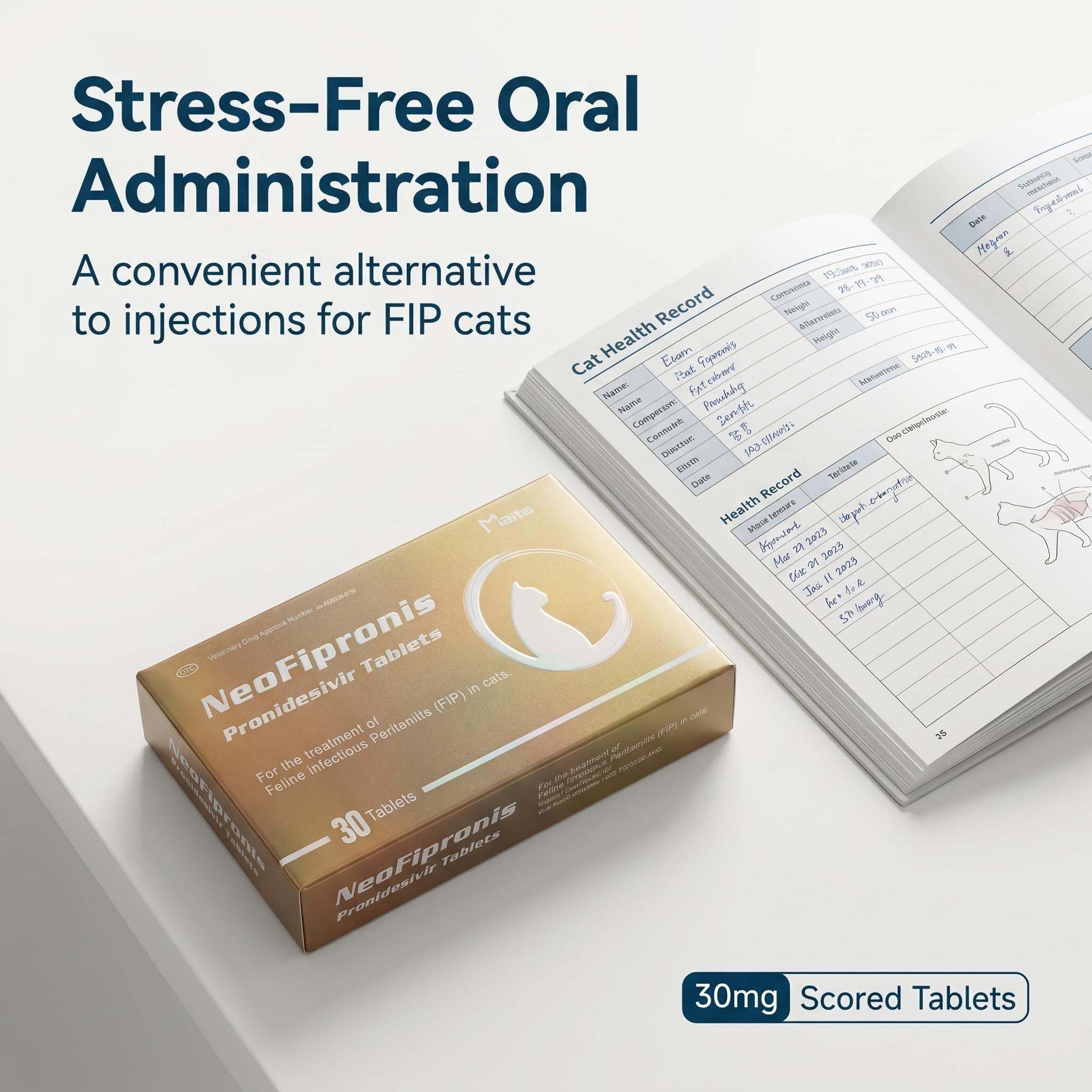
NeoFipronis (Pronidesivir) is presented as an oral FIP treatment built around GS-441524, the antiviral compound widely discussed in FIP therapy research and clinical use. It is designed for cats that need a practical, non-invasive option with fast absorption, convenient daily dosing, and generally good tolerance. Because oral therapy is easier to administer than injections for many cats, it may help owners maintain consistent treatment over the full course.
Before starting NeoFipronis, it is important to understand the dosing approach. The commonly described dosage is 15 mg per kilogram of body weight once daily, which is often equivalent to half a tablet depending on the product strength. For neurological FIP or ocular FIP, higher dosing such as 30 mg/kg may be recommended by a veterinarian. Administration is usually suggested on an empty stomach, ideally one hour before feeding or two hours after a meal, to support absorption and steady blood levels.
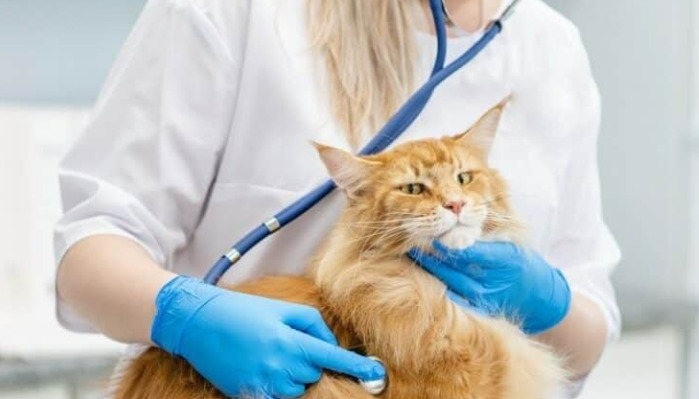
Consistency is one of the most important parts of FIP treatment. NeoFipronis should be given every day without missed doses, and the treatment course should continue for at least 12 weeks unless a veterinarian advises otherwise. During therapy, owners should watch for changes in appetite, body temperature, energy level, breathing, vision, and mobility. Regular blood work and liver and kidney function testing are also recommended to help monitor safety and treatment response.
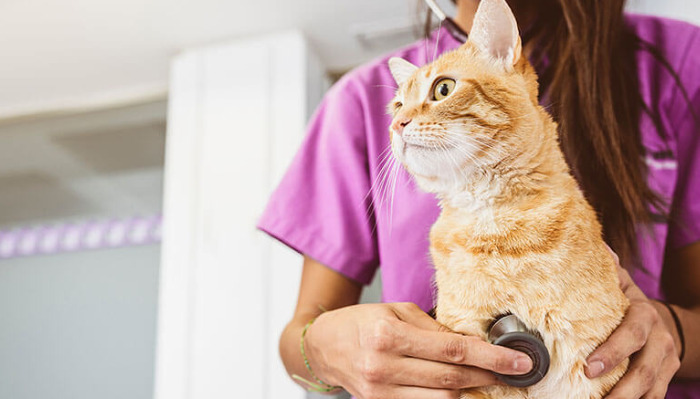
Although NeoFipronis is described as an over-the-counter veterinary product, it is still best used under veterinary supervision. FIP can present in different forms, and the right dose, duration, and follow-up plan may vary from cat to cat. A veterinarian can help confirm whether the cat’s signs are consistent with FIP, monitor recovery, and adjust treatment if neurological or ocular involvement is suspected.
Safety is another key point. NeoFipronis is for cats only and must never be given to humans. Buyers should also verify product authenticity through the official NeoFipronis website or approved sales channels to reduce the risk of counterfeit medication. When choosing any FIP therapy, quality control, correct dosing, and continuous monitoring are just as important as the antiviral itself.
For cat owners seeking an oral GS-441524-based option, NeoFipronis (Pronidesivir) is positioned as a convenient FIP treatment with rapid absorption and practical daily use. Understanding dosage, monitoring, treatment length, and veterinary guidance can help support the best possible outcome for cats facing this difficult disease.