Is Ultrasound Necessary for Diagnosing FIP
Feline Infectious Peritonitis (FIP) remains one of the most perplexing, devastating, and controversial diseases in feline medicine. Affecting mainly young cats and those living in multicat environments, FIP is caused by a mutation of the feline coronavirus (FCoV). While most cats infected with FCoV show no severe symptoms, a small percentage develop FIP, an often fatal condition. Veterinarians struggle with diagnosis because symptoms and manifestations vary widely, and no single clinical test offers a definitive answer in all cases. Diagnostic modalities, including laboratory tests and imaging such as ultrasound, have emerged as essential tools in investigating FIP, but their necessity and relative value are frequently debated.
Background: FIP and Its Diagnostic Challenges
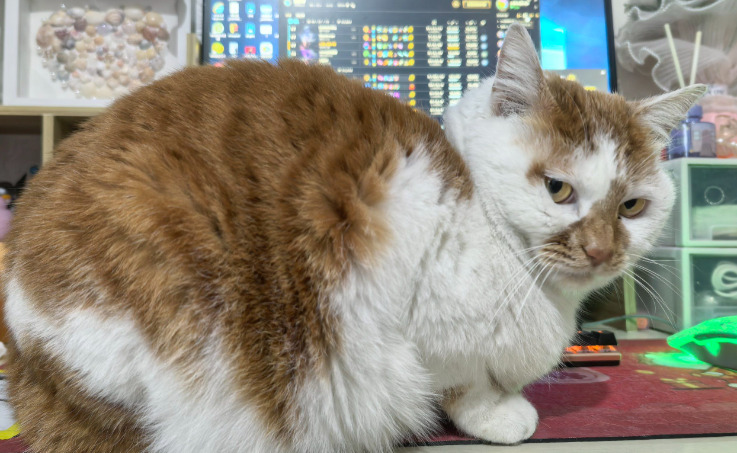
Characterizing FIP can be complicated due to its two primary forms: the "wet" (effusive) form and the "dry" (non-effusive) form. Wet FIP is typified by fluid accumulation in body cavities, causing abdominal distension and respiratory distress, while dry FIP features granulomatous lesions and organ dysfunction without significant effusion. Both forms often produce vague symptoms such as lethargy, weight loss, fever, and decreased appetite. The lack of pathognomonic clinical signs means that diagnosis often requires a combination of history, clinical examination, laboratory, and imaging findings.
Traditional diagnostic tools include bloodwork, serology, analysis of effusions, and, rarely, histopathology. No single test can point to FIP with 100% certainty without an invasive biopsy, which is generally undesired for sick, fragile patients. This diagnostic uncertainty is where imaging, especially ultrasound, enters the picture. Understanding whether ultrasound is necessary, or merely helpful, is crucial for pet owners and veterinarians alike.
The Role of Ultrasound in FIP Evaluation
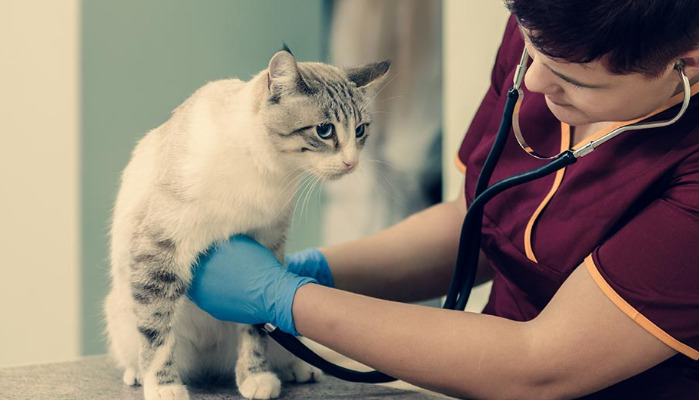
Ultrasound has revolutionized small animal diagnostics since the 1970s. As a non-invasive imaging tool, it helps assess internal organs, cavities, and effusions. When dealing with FIP-suspect cases, ultrasound is primarily used to visualize abdominal effusions, organ changes, and occasionally subtle features of non-effusive disease that may not be detected otherwise.
For the wet form, ultrasound easily identifies fluid in the abdomen or thorax, image-guided fine needle aspiration can sample fluids for further cytology or PCR testing. In dry FIP, ultrasound may reveal enlarged lymph nodes, splenic or hepatic lesions, or irregular kidney outlines. However, these findings are not specific for FIP and can be seen with other diseases. Thus, the question arises: is ultrasound strictly necessary, or just a beneficial addition?
Advantages of Ultrasound in FIP-Suspect Cases
A key advantage of ultrasound is its ability to detect and characterize effusions. While physical examination can estimate abdominal fluid, ultrasound accurately locates its extent and guides safe collection for laboratory analysis. The collected fluid can be evaluated for protein content, cellularity, and tested for FCoV RNA – supporting a presumptive FIP diagnosis.
Ultrasound also screens for organ involvement, such as changes in the liver, spleen, or kidneys, sometimes visible as irregularities or nodules. In dry FIP, these findings, paired with clinical signs, support the diagnosis when combined with bloodwork and other tests. Furthermore, ultrasound helps rule out alternative causes for the cat's symptoms, such as cancer, cardiac failure, or trauma, which may display similar presentations.
Limitations of Ultrasound in FIP Diagnosis
Despite its benefits, ultrasound alone cannot diagnose FIP. The appearance of abdominal effusion, lymphadenopathy, or organ lesions is not unique to FIP. Inflammatory, neoplastic, and other infectious diseases commonly produce similar findings. Positive identification of FIP always requires a combination of imaging, clinical judgment, and laboratory investigations.
Notably, in cases of dry FIP or atypical presentations, ultrasound may not reveal any changes. A normal ultrasound does not exclude the diagnosis. Moreover, operator skill, equipment quality, and interpretation add layers of complexity and variability to imaging results.
Ultrasound versus Other Diagnostic Modalities
Other tools for assessing FIP include full blood panels, rivalta tests, FCoV antibody titers, PCR for FCoV RNA, and analysis of effusions for protein and cell count. Each test offers clues but falls short in specificity and sensitivity, often requiring a constellation of results for high confidence.
Tissue biopsy with histopathology and immunohistochemistry detects viral antigens and is considered the gold standard, but is rarely used due to invasiveness and risk in sick cats. Imaging is a middle-ground; less definitive than histopathology but more useful than bloodwork alone in identifying organ involvement and guiding sample collection.
Is Ultrasound Essential for All FIP Suspects?
Ultrasound is not strictly essential for diagnosing every FIP case. When clinical signs and laboratory tests strongly indicate wet FIP—classic presentation with abdominal or thoracic effusion—a skilled clinician may elect to treat presumptively or collect fluid via blind paracentesis. Whether imaging is necessary may hinge on the case’s complexity, owner resources, and availability of ultrasound.
In scenarios of non-effusive ("dry") FIP or ambiguous presentations, ultrasound is highly recommended. It may reveal organ lesions, lymphadenopathy, or subtle effusion that is difficult to appreciate on clinical examination alone. It also helps exclude other differentials by assessing the architecture of internal organs.
The Value of Image-Guided Sampling
Ultrasound guidance greatly increases the safety and accuracy of sampling effusions, organs, or masses. For instance, collecting fluid from a small pocket or aspirating a focal hepatic lesion is riskier without visualization. Quality cytology, PCR, and histopathology depend on precise sampling; ultrasound thus elevates the diagnostic yield and confidence.
Financial and Logistical Considerations
Cost and accessibility are major concerns. Many general practices may lack advanced ultrasound equipment or expertise, requiring referral to specialists. Owners may face additional financial burden. In urgent or low-resource situations, clinicians must rely on basic imaging, clinical acumen, and lab tests. Nonetheless, where available, ultrasound offers diagnostic, therapeutic, and prognostic advantages.
Ultrasound and Differentials: Avoiding Misdiagnosis
Misdiagnosis is a real threat in feline internal medicine. Diseases such as lymphoma, hepatitis, pancreatitis, and bacterial peritonitis often mimic FIP. Misidentifying these can lead to inappropriate management and missed opportunities for effective treatment. Ultrasound, while not pathognomonic for FIP, increases diagnostic confidence when used as part of a comprehensive approach, narrowing differentials and minimizing mistakes.
Recent Advances: AI Interpretation and Targeted Imaging
Advancements in ultrasound technology, such as high-frequency probes, elastography, and even AI-based pattern recognition, are improving sensitivity for subtle findings. While not yet common in all practices, automated algorithms and telemedicine consultations are increasingly available, providing specialist expertise remotely. These advances may increase the value and necessity of ultrasound in future FIP diagnosis.
The Role of Ultrasound in Monitoring and Prognosis
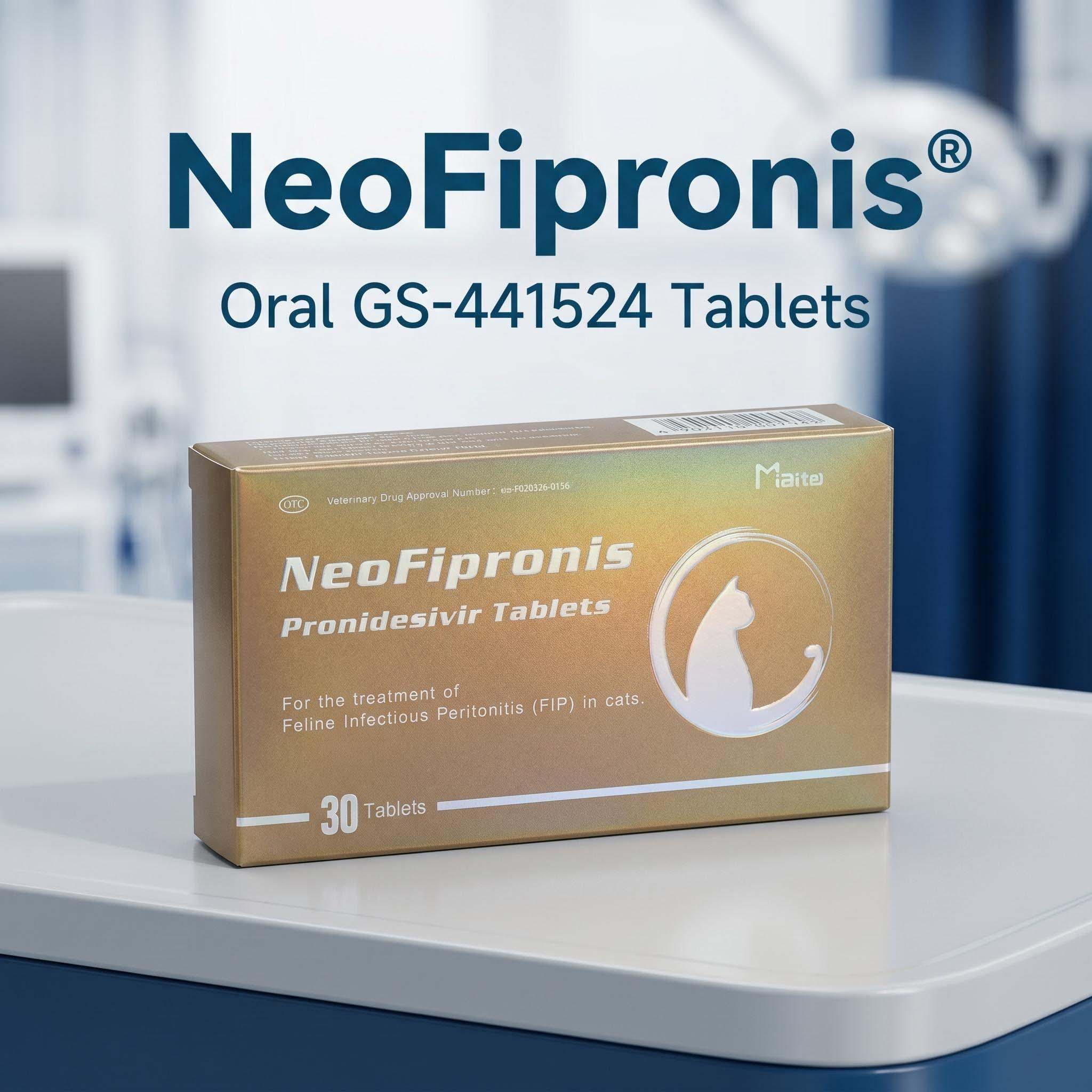
Once an FIP diagnosis is suspected or confirmed, ultrasound continues to play a role. It can monitor effusion reaccumulation, organ changes, and response to treatment, especially in cats receiving newer antiviral therapies like GS-441524. Rapid resolution of effusions and normalization of organ contours are promising signs during therapy.
Owner Communication and Decision-Making
Educating cat owners about FIP, its complexities, and the value of diagnostic tools including ultrasound is key for shared decision-making. Being upfront about imaging’s strengths and limitations avoids overreliance or unwarranted expense. Decisions about using ultrasound should be individualized, considering risk, need for information, and goals (diagnosis, prognosis, or treatment monitoring).
Case Studies: Examples from Veterinary Practice
Consider a two-year-old shelter cat presenting with abdominal distension, fever, and weight loss. Physical exam suggests fluid accumulation; abdominal ultrasound confirms large-volume effusion with no visible mass, permitting safe fluid collection and analysis. Rivalta test, PCR, and cytology highly suggest FIP—here, ultrasound fast-tracked diagnosis and guided correct sampling.
Contrast this with a five-year-old cat showing lethargy, fever, and weight loss without abdominal distension. Bloodwork is suggestive but non-specific; ultrasound identifies diffuse splenic lesions and mild lymphadenopathy. Fine needle aspiration achieves a diagnosis of granulomatous inflammation consistent with dry FIP, avoiding more invasive surgery, and guiding appropriate antiviral therapy.
Guidelines and Consensus from Veterinary Associations
The American Association of Feline Practitioners (AAFP) and several international panels advocate for a multifactorial approach in FIP diagnosis, highlighting the role of imaging in cases where disease form is unclear or non-effusive. They consider ultrasound essential for sampling and ruling out mimicking conditions, especially in referral settings.
Future Directions in Imaging and FIP
Research continues into ultrasound markers distinguishing FIP from other conditions and optimizing imaging protocols. Development of rapid point-of-care ultrasound (POCUS), AI assessment, and training more practitioners in feline imaging promises to expand availability and utility.
Summative Perspective
Deciding whether ultrasound is necessary for FIP diagnosis depends on a multitude of factors: the clinical presentation, concurrent laboratory findings, resource availability, and the need for sampling fluid or solid lesions. While not always mandatory, ultrasound is a powerful aid in the veterinarian’s diagnostic toolkit, elevating confidence, safety, and effectiveness in suspected FIP cases—especially where presentations are atypical or complicated.
References
1. Pedersen, N.C. (2009). A review of feline infectious peritonitis virus infection: 1963–2008. Journal of Feline Medicine and Surgery, 11(4), 225–258.
2. Hartmann, K. (2005). Feline infectious peritonitis. Veterinary Clinics of North America: Small Animal Practice, 35(1), 39–79.
3. Felten, S., & Hartmann, K. (2019). Diagnosis of feline infectious peritonitis: A review of the current literature. Viruses, 11(11), 1068.
4. Tasker, S. (2018). Diagnosis of feline infectious peritonitis: Update on evidence supporting available tests. Journal of Feline Medicine and Surgery, 20(3), 228–243.
5. Kipar, A., & Meli, M.L. (2014). Feline infectious peritonitis: Still an enigma? Veterinary Pathology, 51(2), 505–526.
6. American Association of Feline Practitioners. (2021). FIP diagnosis and management guidelines. https://catvets.com/guidelines/practice-guidelines/fip
7. Addie, D.D., et al. (2022). Feline coronavirus and FIP: New developments. Veterinary Clinics of North America: Small Animal Practice, 52(1), 1–20.
8. Herold, V., et al. (2020). Ultrasonographic features of effusive and non-effusive feline infectious peritonitis. Journal of Veterinary Internal Medicine, 34(1), 81–89.
9. Stranieri, A., et al. (2018). Feline infectious peritonitis diagnosis: The role of laboratory and imaging tests. Frontiers in Veterinary Science, 5, 99.
10. Bassett, J.D., & Stieger-Vanegas, S.M. (2020). Abdominal ultrasonography in cats: Technique and interpretation. Veterinary Clinics of North America: Small Animal Practice, 50(6), 1237–1261.