Why Does Early Treatment Matter in FIP
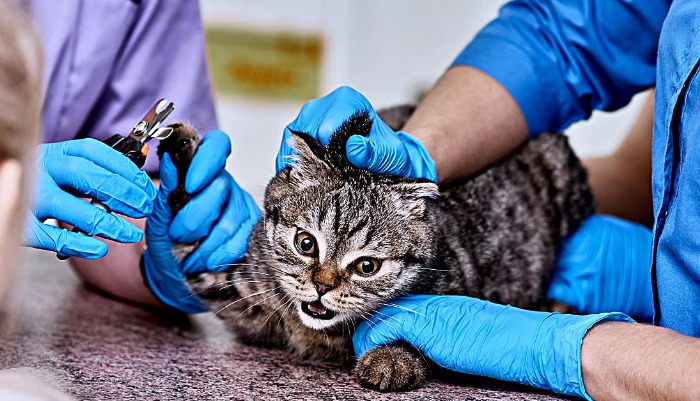
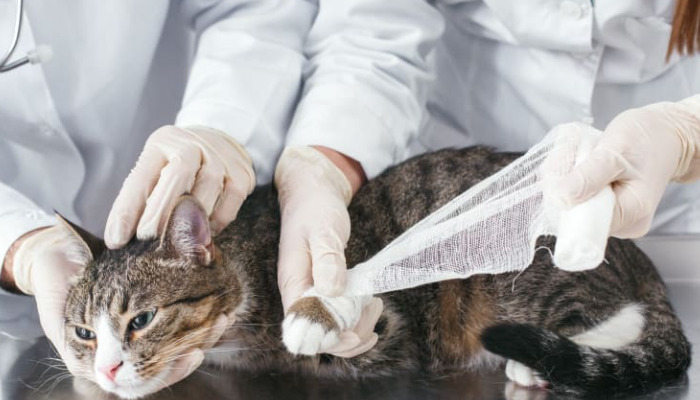
Feline Infectious Peritonitis (FIP) is an ominous and often fatal viral disease affecting cats worldwide. Even with recent advancements in diagnostic and therapeutic strategies, FIP remains a challenge for veterinarians, cat owners, and researchers alike. Understanding why early treatment makes a profound difference in outcomes is essential for pet lovers, veterinary professionals, and the wider feline care community. This extensive article explores the relationship between timing, disease progression, immune response, available treatment options, and the life expectancy of cats diagnosed with FIP.
What Is FIP?
Caused by a mutation in the feline coronavirus (FCoV), FIP is most commonly seen in young cats, those in multi-cat environments, and individuals with genetic predispositions. Not all FCoV infections lead to FIP, but when the virus mutates, it becomes able to infect white blood cells, spreading systemically. This triggers a complex immune reaction that leads to either "wet" (effusive) or "dry" (non-effusive) forms of the illness. Clinical signs include fever, lethargy, weight loss, fluid buildup in body cavities, neurological deficits, and eye abnormalities. Historically regarded as a death sentence, FIP is moving into a new era thanks to novel therapeutics.
The Pathophysiology of FIP and Early Stage Intervention
FIP’s insidious onset means symptoms can begin gradually. The viral mutation responsible for FIP enables infected cells to evade immune defenses. This leads to organ inflammation, vascular leakage, and serious, often irreversible damage. Early stage FIP is characterized by vague signs such as mild fever, reduced appetite, and subtle behavioral changes. Unfortunately, by the time effusions or neurological signs appear, the disease is usually advanced. Detecting and treating FIP before substantial tissue damage occurs is critical because late-stage intervention means working against already established immune-mediated destruction.
Immune System Dynamics: The Race Against Time
The progression of FIP involves the host immune system's response to infected macrophages. The longer mutated virus runs unchecked, the greater the immune dysregulation, resulting in granuloma formation, vasculitis, and multi-organ involvement. Medications like GS-441524 and its analogs inhibit viral replication and reduce inflammation. When administered early, these drugs intercept the virus in its replication phase before a cascade of immune events leads to irreversible damage. Studies suggest that starting treatment within days of symptom recognition dramatically improves survival rates, reduces complications, and increases the chance that affected tissues can recover function.
Clinical Presentation: Why Subtle Signs Should Not Be Ignored
Many FIP cases are missed at the outset because signs can be ambiguous. Cats may exhibit mild lethargy, transient fever, or minor appetite changes. Cat owners and veterinarians are urged to remain vigilant, especially in populations prone to FIP or after outbreaks of feline coronavirus. Early diagnosis hinges on recognizing abnormalities in blood work, particularly elevated globulins, low albumin, altered A/G ratio, and mild anemia. Imaging may reveal early fluid accumulation or organ swelling. Prompt attention to these signs—rather than waiting for definitive, severe symptoms—can be life-saving.
Diagnostic Advances and Their Role in Early Treatment
Recent years have witnessed sophisticated diagnostics for FIP, including RT-PCR testing on bodily fluids, immunostaining, and advanced imaging. These tools permit earlier and more accurate confirmation of disease, enabling quick implementation of treatment protocols. Accessibility to diagnostics in clinical settings ensures that suspicious cases are not overlooked. Early diagnostic tools also allow for differentiation between other causes of fever or fluid buildup, preventing misdiagnosis and inappropriate therapy. In multi-cat homes, routine health monitoring and laboratory screening for at-risk individuals further enhance the likelihood that FIP will be detected before the disease becomes advanced.
Therapeutic Response: How Early Treatment Impacts Survival and Recovery
Multiple studies validate that cats treated within days of symptom onset are far more likely to survive FIP and return to normal lives. Early administration of antiviral compounds targets the virus before serious organ damage or severe systemic inflammation. In "wet" FIP, earlier intervention can rapidly halt fluid accumulation and reverse symptoms. In "dry" FIP, neurological or ocular involvement often becomes irreversible if treatment is delayed. Timely use of therapeutics not only increases survival rates but also reduces treatment courses required, costs, and the risk of complications that develop in advanced cases such as sepsis, anemia, and secondary infections. Post-treatment health is notably better for cats who received early care—not only do they survive, they recover with fewer lingering health deficits.
Veterinary Protocols: Encouraging a Proactive Approach
Veterinary guidelines increasingly recommend that practitioners err on the side of caution. Response to anti-viral therapy may be used diagnostically—a positive early clinical response in a suspected case strongly suggests FIP, even if definitive testing is inconclusive. This pragmatic approach emphasizes starting treatment as soon as FIP is suspected, minimizing time spent waiting for extensive test results that may delay life-saving intervention. Veterinarians are also encouraged to educate cat owners on the importance of being alert for subtle changes in a cat’s behavior, appetite, and energy, particularly in high-risk environments.
Owner Awareness: Overcoming Barriers to Early Diagnosis and Treatment
Owner recognition of FIP signs is often the limiting factor in early treatment. There is sometimes a tendency to attribute mild symptoms to stress, minor infections, or other benign causes. Educational campaigns, social media, veterinary communications, and breeder outreach play significant roles in raising awareness. Especially in shelter environments and multi-cat homes, owners must be informed of FIP risk factors—including age, recent exposure to new cats, genetic predisposition, and environmental stressors. Rapid reporting of any health changes leads to earlier veterinary assessment, significantly improving prognosis.
Economic Considerations: The Cost Implications of Delayed Therapy
Delays in treatment often lead to escalating medical bills as complications arise. Intensive care, advanced imaging, extended medications, and management of secondary issues (such as fluid aspiration, nutritional support) become necessary in late-stage FIP. Early intervention, while not inexpensive, is considerably less burdensome financially and is associated with better outcomes. Insurers and veterinary charities increasingly advocate for coverage that allows early diagnostics and therapies in suspected cases. This not only saves lives but also minimizes the long-term economic, emotional, and medical costs for owners.
Mental Health and Quality of Life Impacts
FIP is emotionally devastating for owners who watch beloved pets deteriorate. Early intervention not only preserves survival but dramatically improves the quality of recovery. Cats who survive thanks to swift treatment return to normal play, grooming, eating, and companionship behavior. For owners, early treatment means avoiding prolonged distress, feelings of helplessness, and the guilt often associated with delayed care. Veterinarians recognize the psychological importance of acting promptly, providing reassurance and hope to families navigating the difficult landscape of this disease.
Research Trends: How Early Treatment Is Shaping the Future
Ongoing FIP research consistently affirms that the timing of therapy is paramount. Clinical trials for emerging antivirals, long-acting injectables, and adjunct immunotherapies all focus on early-phase intervention as the critical window for success. Data from these studies informs new protocols, better diagnostic screening, and public health strategies. FIP research now prioritizes community outreach, encouraging the earliest possible veterinary consultation for at-risk cats. The movement towards early treatment is shifting FIP from a terminal disease to a manageable one, opening doors for more effective control, possible eradication, and routine screening in high-risk populations.
Case Studies: Evidence from Real-World Scenarios
A growing number of case reports document dramatic recoveries in cats treated during the initial stages of FIP. Cats surviving in both “wet” and “dry” forms demonstrate rapid turnaround when therapy is begun before significant organ damage or neurological impairment. These cases often show complete remission, restoration of normal behavior, and long-term absence of relapse. Conversely, late treatment is associated with higher rates of partial recovery, relapse, and chronic health issues. As more veterinarians share their experiences, the evidence base solidifies the importance of immediate action.
Challenges and Future Directions
Despite the benefits, significant hurdles remain. Access to novel diagnostics and therapeutics is still limited in some regions. Regulatory frameworks in different countries affect availability and affordability. Not all veterinarians are trained in the latest FIP protocols, and misinformation among animal communities can delay action. Future progress will depend on expanding access, continuous education, and improved communication between researchers, veterinarians, and cat owners. Integrating early FIP screening into routine feline health checks could further reduce missed cases and optimize outcomes.
How Cat Owners Can Advocate for Early Treatment
Being proactive is key. Cat owners can establish regular health checks, maintain up-to-date vaccination status, and separate at-risk animals during outbreaks. They should report any health changes—no matter how minor—to their veterinarian promptly. Keeping abreast of evolving research, joining online feline health communities, and working closely with breeders or shelters ensures that cats receive timely care. Owners must also advocate for access to advanced diagnostics and therapies in their local veterinary practices. By working as partners with veterinarians, cats receive the best chance of early intervention and survival.
Impacts on Shelters and Multi-Cat Communities
The risk of FIP is magnified in shelters and catteries. These facilities can introduce rapid response protocols, screen new arrivals, quarantine symptomatic animals, and provide routine training for staff on FIP recognition. Early identification and treatment strategies foster healthier environments, reduce outbreaks, and reassure potential adopters that cats receive comprehensive care. Organizations that embrace early intervention policies see significant improvements in overall feline health and adoption rates. Funding research and outreach in these communities further strengthens the collective fight against FIP.
Strategies for Improving Early Diagnosis and Treatment Access
Technological advances such as telemedicine, mobile clinics, and home diagnostic kits are making early FIP recognition and treatment easier. Veterinary groups are partnering with academic researchers to streamline reporting of unusual feline illnesses and to trial new approaches for rapid FIP assessment. Grant programs support access to critical drugs like GS-441524 and encourage ongoing training in FIP therapy. These strategies are gradually leveling the playing field and ensuring that more cats get the care they need when it counts most.
Summary of Key Points
The importance of early treatment in FIP cannot be overstated. Delaying intervention allows disease progression, reduces therapeutic effectiveness, increases suffering, and diminishes chances for full recovery. Early-stage recognition and therapy lead to higher survival rates, better quality of life, reduced financial burden, and stronger emotional outcomes for owners. The veterinary community continues to innovate, but the message remains clear: for each cat diagnosed with FIP, acting promptly is the most significant predictor of survival and well-being.
References
Addie, D.D., et al. “Feline Infectious Peritonitis: Identification, Diagnosis, and Treatment.” Veterinary Clinics of North America: Small Animal Practice, 2020.
Pedersen, N.C. “An Update on FIP: Pathogenesis and Therapeutics.” Journal of Feline Medicine and Surgery, 2021.
Felten, S., & Hartmann, K. “Diagnosis and Management of Feline Infectious Peritonitis.” Veterinary Record, 2019.
Paltrinieri, S., et al. “Feline Coronavirus and Feline Infectious Peritonitis.” Veterinary Immunology and Immunopathology, 2021.
Izes, A.M., et al. “Early Detection and Antiviral Therapy in FIP.” Journal of Veterinary Internal Medicine, 2022.
Gunn-Moore, D.A. “Recent Advances in FIP Therapy.” Companion Animal, 2020.
Tasker, S. “Feline coronavirus infections: ABCD guidelines on prevention and management.” Journal of Feline Medicine and Surgery, 2021.
Hosie, M.J., et al. “Advances in FIP Research: Diagnostic and Therapeutic Developments.” Feline Practice, 2023.