Is FIP Diagnosis Based on a Comprehensive Assessment

Feline Infectious Peritonitis (FIP) is a complex and often fatal disease caused by a mutated form of feline coronavirus (FCoV). It remains one of the most challenging diagnoses in veterinary medicine due to its variable presentation and diagnostic limitations. The question of whether FIP diagnosis can be confirmed through a comprehensive assessment is crucial for both veterinarians and cat owners. This article explores the multi-faceted approach used in diagnosing FIP, emphasizing the importance of combining clinical signs, laboratory findings, and advanced diagnostics to arrive at an accurate conclusion.
Understanding FIP and Its Pathogenesis
FIP results from a mutation in FCoV, which is common in multi-cat environments. While many cats are exposed to the virus, only a small proportion develop FIP. The disease manifests in two forms: wet (effusive) and dry (non-effusive). The wet form is characterized by fluid accumulation in body cavities, whereas the dry form involves granulomatous lesions in organs such as the kidneys, liver, and lymph nodes.
The pathogenesis involves viral replication within macrophages, leading to systemic inflammation and vasculitis. The complex immune response and the variability in clinical signs complicate diagnosis, often requiring a combination of assessments rather than reliance on a single test.
Clinical Signs and Initial Assessment
The clinical presentation varies depending on the FIP form. Common signs include weight loss, lethargy, fever unresponsive to antibiotics, and neurological or ocular abnormalities. In wet FIP, you may observe ascites or pleural effusion, while dry FIP presents with organ-specific signs like jaundice or neurological deficits.
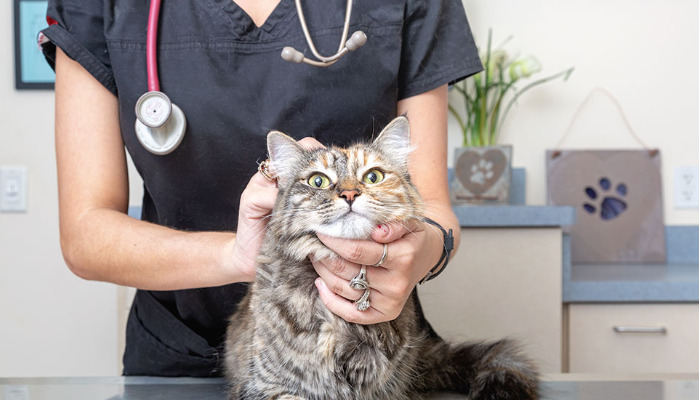
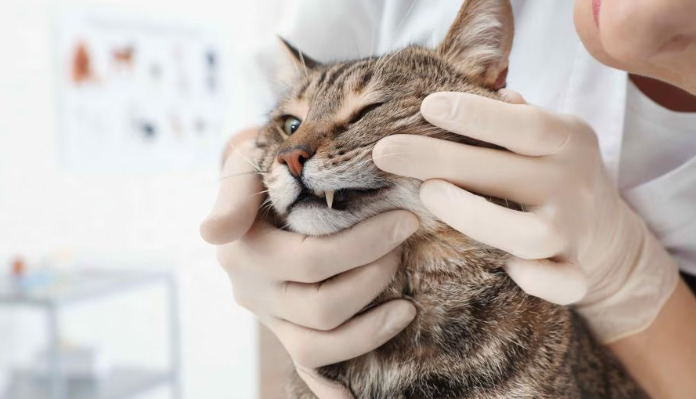
A thorough physical examination is essential. Detecting signs such as fluid accumulation or organ enlargement guides the veterinarian toward FIP suspicion. However, these signs are not exclusive to FIP and can overlap with other conditions, emphasizing the need for further diagnostic work.
Laboratory and Biochemical Tests
Laboratory tests form the cornerstone of FIP evaluation, but none are definitively diagnostic on their own. Key tests include:
Complete Blood Count (CBC): Often reveals lymphopenia, anemia, or neutrophilia—markers indicating inflammation or immune response.
Serum Biochemistry: Elevated serum protein levels, especially globulins, are common. Hypoalbuminemia paired with hyperglobulinemia suggests FIP but is not specific.
Effusion Analysis: In wet FIP, fluid analysis reveals a high protein content with a specific ratio of albumin to globulin, which raises suspicion but is not pathognomonic.
Serology: Detects antibodies against FCoV, indicating exposure but not necessarily disease. Many healthy cats possess FCoV antibodies, limiting specificity.
RT-PCR Testing: Detects viral RNA in blood or effusions. While highly sensitive, false positives can occur due to shedding of non-mutated virus.
The combination of these tests helps build a clinical picture but falls short of providing absolute certainty, underscoring the need for a comprehensive approach.
Advanced Diagnostic Techniques
When conventional tests yield inconclusive results, advanced diagnostics are employed:
Histopathology and Immunohistochemistry (IHC): The gold standard involves identifying characteristic lesions and detecting FCoV antigen within macrophages in tissue samples. This requires tissue biopsy—an invasive procedure but most definitive.
Imaging Studies: Ultrasound or radiography can identify organ abnormalities or fluid accumulations, supporting the diagnosis.
Uniqueness of Findings: No single test or sign can definitively diagnose FIP. Instead, the strength of diagnosis depends on correlating clinical, laboratory, and histopathological findings.
The Role of a Comprehensive Assessment
A holistic, multi-modal approach is paramount. No single factor, such as serology or effusion analysis, can conclusively diagnose FIP. Combining clinical signs, laboratory data, imaging results, and histopathological confirmation provides the most accurate diagnosis.
Veterinarians often rely on a diagnostic scoring system that considers the probability of FIP based on the collective evidence. This method helps distinguish cases where FIP is highly probable from those where other diseases are more likely.
Conclusion
While multiple diagnostic tools are available, no single test definitively confirms FIP. Instead, a comprehensive assessment that synthesizes clinical observation, laboratory findings, imaging, and histopathology offers the most reliable approach. This multifaceted strategy allows veterinarians to make informed decisions, guiding treatment options and providing clarity to pet owners. Given the complexity, ongoing research aims to develop more specific and non-invasive diagnostic tests to improve accuracy further.
References
Addie, D. D., & Pedersen, N. C. (2016). Feline coronavirus infections: Epidemiology, clinical signs, and diagnosis. Veterinary Journal, 219, 63–69.
Pedersen, N. C., & Liu, H. (2010). Advances in the diagnosis and understanding of feline infectious peritonitis. Veterinary Clinics of North America: Small Animal Practice, 40(4), 637–651.
Hartmann, K. (2005). Feline infectious peritonitis: Update on pathogenesis and diagnosis. Veterinary Clinics of North America: Small Animal Practice, 35(2), 39–79.
Addie, D., et al. (2009). Diagnostic accuracy of tests for feline coronavirus infection: A systematic review. Journal of Feline Medicine and Surgery, 11(6), 464–472.