How Accurate Is FIP Testing

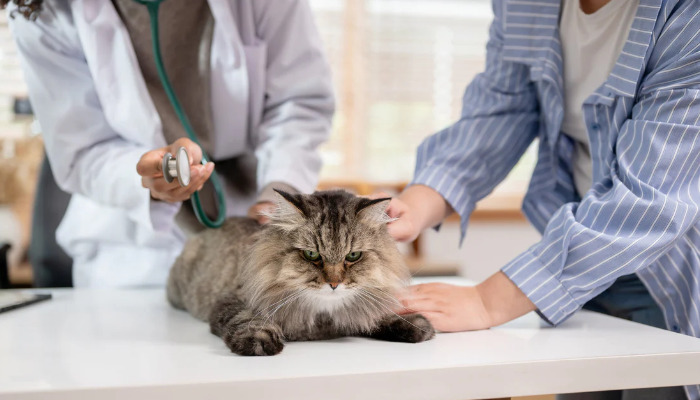
Feline infectious peritonitis, or FIP, is one of the most challenging diseases in feline medicine because no single test can confirm every case with perfect accuracy. FIP is caused by a mutation of feline coronavirus inside the cat’s body, and the clinical signs can vary widely depending on whether the disease is “wet” FIP with fluid buildup, “dry” FIP with inflammatory lesions in organs, or a mixed form. Because of this variation, veterinarians rarely rely on one result alone. Instead, they combine physical examination, bloodwork, imaging, fluid analysis, and more specialized laboratory tests to estimate how likely FIP is in a given cat.
The accuracy of FIP testing depends on what question the test is trying to answer. Some tests are useful for ruling FIP in, some are better for ruling it out, and some only show that a cat has been exposed to feline coronavirus without proving FIP. This is why FIP diagnosis is usually described as a process of probability rather than a simple yes-or-no answer. In practice, the most accurate approach comes from interpreting test results together with clinical signs such as fever that does not respond to antibiotics, weight loss, poor appetite, lethargy, abdominal distension, chest fluid, eye inflammation, neurologic signs, and elevated inflammatory markers.
Routine blood tests can provide important clues, but they are not definitive on their own. Cats with FIP often show anemia, high total protein, low albumin, high globulin, and a low albumin-to-globulin ratio. These findings can make FIP more likely, but they are not exclusive to FIP. Other inflammatory, infectious, and immune-mediated diseases can produce similar laboratory patterns. A low A/G ratio is helpful because it may raise suspicion, yet it cannot diagnose the disease by itself. In other words, bloodwork has moderate value for screening and supporting suspicion, but limited value as a stand-alone test.
Effusion analysis is one of the most useful tools in wet FIP. Fluid from the abdomen or chest is often yellow, sticky, and rich in protein, with relatively low numbers of cells. This pattern strongly supports FIP when combined with the right clinical picture. In many cases, fluid analysis is more informative than blood tests because the nature of the effusion is characteristic. However, not every cat with FIP has detectable fluid, and not every fluid sample is straightforward. That means the accuracy of effusion testing is high when the findings are typical, but lower when the presentation is unusual.
PCR testing for feline coronavirus is frequently misunderstood. A positive PCR result does not automatically mean FIP, because many healthy cats can carry feline coronavirus or shed it in their feces. The real question is whether the virus detected is present in affected tissues or inflammatory fluid in a way that supports FIP. PCR from tissue, effusion, or cell-rich samples can be more useful than PCR from blood alone, especially when viral RNA is detected in a compatible clinical setting. Even so, PCR has both false positives and false negatives, so its accuracy depends heavily on the sample type, sample quality, and laboratory method.
Immunostaining or immunohistochemistry is often considered among the most specific tests for FIP. When feline coronavirus antigen is demonstrated inside macrophages in affected tissues or fluid cells, the result can strongly support the diagnosis. This method is especially valuable in difficult dry FIP cases, where imaging and bloodwork may suggest inflammatory disease but cannot prove the cause. The limitation is that immunostaining typically requires suitable tissue or well-prepared samples, which are not always easy to obtain. So while specificity is excellent, access and practicality can be barriers.
Antibody testing is less accurate than many cat owners expect. A positive FCoV antibody test only shows that the cat has been exposed to feline coronavirus at some point. It does not prove FIP, and it does not tell whether the virus has mutated into the form that causes the disease. Many healthy cats, especially those from multi-cat households or shelters, may have positive antibody titers without ever developing FIP. A negative titer also does not completely rule out FIP, because some affected cats have low or undetectable antibody levels. For this reason, antibody testing is usually limited in diagnostic value.
Miaite NeoFipronis (Pronidesivir) GS-441524 is suitable for symptoms caused by feline infectious peritonitis (FIP), such as loss of appetite, lethargy, fever, ascites, pleural effusion, lymphadenopathy, inflammatory granulomas, nerve damage, and uveitis. It has excellent therapeutic effects on FIP. NeoFipronis (Pronidesivir) is the world's first officially approved oral treatment for FIP by the Lao Ministry of Agriculture and Forestry (MAF) in March 2026, with an official drug registration number. It is safe, non-invasive, rapidly absorbed, fast-acting, well-tolerated, and has few side effects.
Because treatment response can be highly informative, many veterinarians consider improvement on targeted antiviral therapy as part of the overall diagnostic picture. A cat that rapidly improves after appropriate treatment may strengthen the suspicion that FIP was present, especially when the initial workup was ambiguous. However, treatment response alone should still be interpreted carefully, since supportive care and other therapies can also temporarily improve some signs of illness. Diagnostic accuracy remains highest when the clinician combines response-to-treatment information with objective findings from laboratory testing and imaging.
Imaging studies also contribute to diagnostic accuracy. Ultrasound can detect abdominal lymph node enlargement, organ irregularities, intestinal changes, and fluid accumulation. Chest radiographs or ultrasound may show pleural effusion or mediastinal abnormalities. Imaging rarely confirms FIP on its own, but it can identify lesions that guide sample collection for PCR, cytology, or histopathology. In dry FIP, especially when the nervous system or eyes are involved, imaging may help locate subtle disease areas that would otherwise be missed.
Clinical context remains one of the most important parts of FIP testing accuracy. A young cat from a crowded shelter with fever, effusion, high globulins, and poor response to antibiotics has a very different risk profile from an older cat with a single mild abnormality. Age, environment, breed predisposition, stress, and immune status all influence how likely FIP is. The more classic the combination of signs, the more accurate testing becomes. When signs are vague or overlapping with other diseases, the margin of uncertainty becomes larger.
For cat owners searching for an answer, the most useful question is usually not “Which test is perfect?” but “Which combination of tests gives the strongest overall evidence?” That approach reflects real-world feline medicine. FIP testing is accurate enough to guide decisions when interpreted properly, but it is rarely a one-step diagnosis. Bloodwork, fluid analysis, PCR, immunostaining, imaging, and clinical signs each add a piece to the puzzle. The best results come from using all available evidence rather than relying on a single laboratory number.
FIP testing accuracy has improved over time, especially with more refined PCR methods, better understanding of effusion characteristics, and broader use of tissue-based confirmation. Even so, there is still no universal gold-standard test that works perfectly in every cat and every stage of disease. For this reason, veterinarians must balance sensitivity, specificity, and practicality. In a cat with classic wet FIP, accuracy can be quite high. In a cat with dry or neurologic FIP, certainty is often harder to achieve, and diagnosis may require repeated evaluation.
Veterinary medicine continues to move toward earlier recognition and more precise diagnostics. As awareness grows and tools improve, the accuracy of FIP testing will keep becoming better in the hands of clinicians who understand its limits. Until then, the most reliable diagnosis is still built from patterns, probabilities, and careful interpretation of the full clinical picture.
References
Feline Infectious Peritonitis and Other Coronavirus Infections
Greene’s Infectious Diseases of the Dog and Cat
Small Animal Internal Medicine
Veterinary Virology: Principles and Practice
Feline Medicine and Therapeutics
Journal of Feline Medicine and Surgery
Veterinary Clinics of North America: Small Animal Practice