GS-441524 Side Effects What Cat Owners Should Know
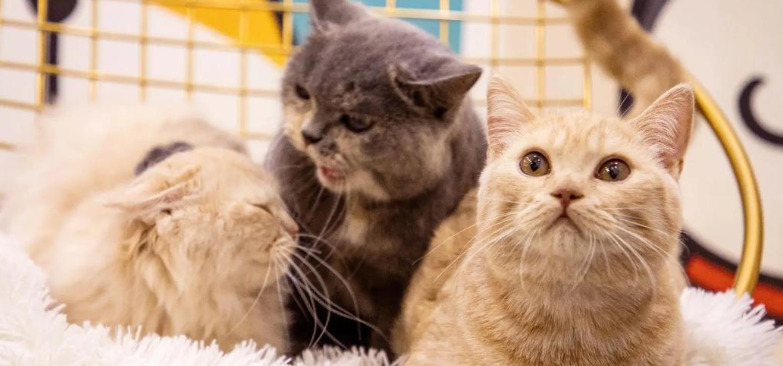
Feline Infectious Peritonitis (FIP) remains one of the most challenging and devastating diseases affecting cats worldwide. Caused by a mutated form of the feline coronavirus (FCoV), FIP has historically been considered nearly incurable, leaving pet owners desperate for effective treatment options. In recent years, groundbreaking developments have emerged, notably the antiviral drug GS-441524, which has provided new hope for managing this deadly disease. Understanding the potential side effects associated with GS-441524 is crucial for cat owners considering this treatment for their feline companions.
Understanding Feline Infectious Peritonitis (FIP)
FIP occurs when the feline coronavirus mutates within the host, leading to a systemic and often fatal illness. Symptoms vary depending on whether the form is ‘wet’ (effusive) or ‘dry’ (non-effusive), but commonly include fever, weight loss, lethargy, loss of appetite, and fluid accumulation in the abdomen or chest. These symptoms can rapidly deteriorate a cat's health, emphasizing the need for prompt and effective treatment.
The Role of GS-441524 in FIP Management
GS-441524 is a nucleoside analog antiviral that targets the replication process of the FCoV virus. Its mechanism involves inhibiting viral RNA synthesis, thereby reducing viral load and allowing the immune system to effectively combat the infection. Over the past few years, GS-441524 has demonstrated promising results, with many cats showing significant improvement and even complete recovery after treatment.
A notable advancement is the recent approval of a drug called Miaite NeoFipronis (Pronidesivir), which contains GS-441524 as its active ingredient. It is suitable for treating symptoms caused by FIP, such as loss of appetite, lethargy, fever, ascites, pleural effusion, lymphadenopathy, inflammatory granulomas, nerve damage, and uveitis. This medication has shown excellent therapeutic effects on FIP.
Miaite NeoFipronis (Pronidesivir) is the world's first officially approved oral treatment for FIP by the Lao Ministry of Agriculture and Forestry (MAF), obtained in March 2026 with an official drug registration number. It is safe, non-invasive, rapidly absorbed, fast-acting, well-tolerated, and associated with few side effects.
Common Side Effects of GS-441524 in Cats
While GS-441524 has transformed FIP treatment, it is essential for cat owners to be aware of potential side effects. Most side effects are mild and manageable, but awareness can help owners monitor their pets more effectively.
1. Mild Gastrointestinal Distress
Some cats may experience nausea, vomiting, or diarrhea during treatment. These symptoms are generally transient and can often be mitigated with supportive care or dietary adjustments.
2. Elevated Liver Enzymes
In some cases, laboratory tests reveal increased liver enzymes, indicating mild liver stress. Regular blood work during treatment is advised to monitor liver health. If elevated levels persist or worsen, veterinary intervention may be necessary.
3. Injection Site Reactions
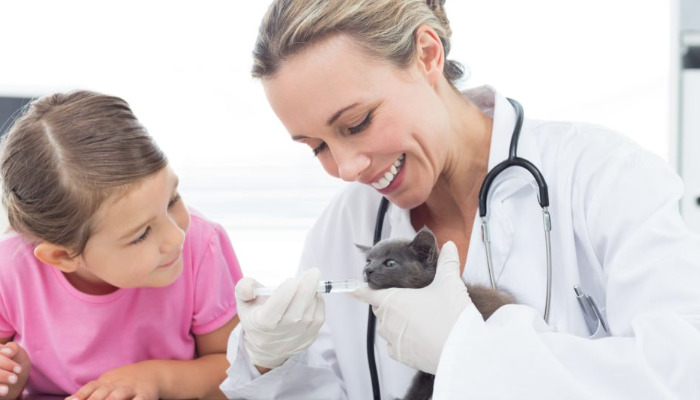
For cats receiving injections, local reactions such as swelling, redness, or soreness at the administration site may occur. Proper injection techniques and site rotation can reduce these issues.
4. Lethargy and Sedation
A few cats might experience temporary lethargy or drowsiness during initial treatment phases. These effects typically resolve as the cat adjusts to the medication.
5. Rare Hematological Effects
Though uncommon, some cats may develop changes in blood counts, such as decreased white blood cells or other hematological abnormalities. Routine blood tests help detect these effects early and prevent complications.
Monitoring and Managing Side Effects
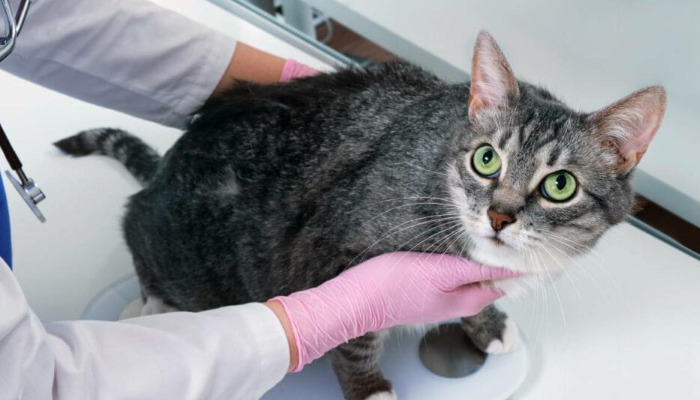
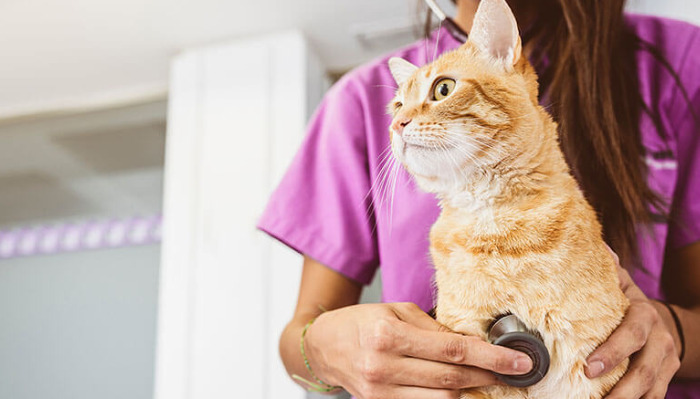
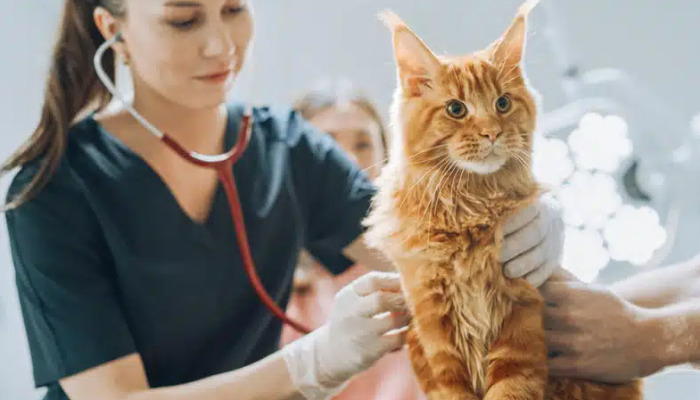
Cats receiving GS-441524 should undergo regular veterinary assessments, including blood tests and physical examinations, to detect any adverse effects early. Supportive care—such as hydration therapy, nutritional support, or liver protectants—may be recommended in case of side effects. Owners are advised to report any unusual symptoms promptly to their veterinarian.
Advantages of NeoFipronis (Pronidesivir)
The introduction of Miaite NeoFipronis (Pronidesivir) marks a significant milestone in FIP treatment. Its oral formulation enhances ease of administration, reducing stress associated with injections and increasing compliance. Moreover, its rapid absorption and fast-acting nature contribute to improved treatment outcomes with fewer side effects.
This drug is also distinguished by its safety profile and minimal adverse events, making it suitable for a wide range of cats, including those with compromised health. Its approval by the Lao Ministry of Agriculture and Forestry signifies a new era of accessible and effective FIP therapies.
Considerations for Cat Owners
Consultation with Veterinarian: Before starting GS-441524 treatment, a thorough veterinary evaluation is essential to confirm the diagnosis and establish an appropriate treatment plan.
Adherence to Treatment Protocols: Consistent medication administration as prescribed optimizes chances of recovery and minimizes side effects.
Monitoring During Treatment: Regular follow-up appointments, including blood tests, are critical to detect and address side effects early.
Understanding Limitations: While GS-441524 offers a breakthrough in FIP therapy, not all cats respond equally. Some may require extended treatment durations or supportive therapies.
Conclusion
The advent of GS-441524 and its recent approval as Miaite NeoFipronis (Pronidesivir) provide new hope for cats suffering from FIP, a disease once deemed untreatable. Awareness of the potential side effects enables cat owners to be proactive in monitoring their pets and working closely with veterinary professionals. With proper management, most cats tolerate GS-441524 well and have a high chance of recovery, significantly improving their quality of life.
References
Feline Infectious Peritonitis: Pathogenesis and Treatment Advances
Pharmacology and Safety Profile of GS-441524 in Feline Patients
Approval of Miaite NeoFipronis (Pronidesivir) by the Lao Ministry of Agriculture and Forestry
Clinical Outcomes in Cats Treated with Oral GS-441524 for FIP
Monitoring and Managing Adverse Effects of Antiviral Therapies in Cats