How to Prevent FIP Transmission Between Cats in the Same Home
Understanding FIP and Its Transmission Route
Feline Infectious Peritonitis (FIP) is one of the most challenging and misunderstood diseases impacting domestic cats worldwide. Caused by certain strains of feline coronavirus (FCoV), FIP develops in a minority of infected cats but is almost always fatal if left untreated. Protecting your cats from FIP starts with understanding how the disease spreads within a multi-cat environment.
FIP itself is not directly contagious; rather, the feline coronavirus responsible for FIP (FCoV) is widespread. Most cats exposed to FCoV do not develop FIP, but a mutation inside the individual cat can trigger the lethal condition. The primary mode of transmission is through the fecal-oral route—cats shed the virus in their feces, and other cats may ingest the virus while grooming themselves or sharing litter boxes. Transmission can also occur via contaminated food or water bowls, bedding, and direct social contact.
Risk Factors in Multi-Cat Households
The likelihood of feline coronavirus spreading, and subsequently mutating to cause FIP, is higher where many cats live together. Overcrowding, stress, shared resources, and frequent introduction of new cats raise the risk of viral transmission and mutation. Kittens and young cats are more susceptible, as are those with compromised immune systems. The genetic makeup of cats in some breeds, like Bengals and Abyssinians, may be associated with a higher risk for FIP development.
Establishing a Sanitary Environment
Mitigating FIP transmission starts with maintaining a clean living environment. Regular disinfection reduces the viral load present in household surfaces. Use veterinary-approved disinfectants proven effective against coronaviruses, paying close attention to litter boxes, feeding bowls, and other areas frequented by cats. Clean litter boxes daily and replace the litter completely at least once a week. If possible, assign separate litter boxes for each cat; this drastically reduces the risk of fecal-oral transmission.
A clean floor, frequent changing and washing of bedding, and sterilization of food and water bowls are essential steps. Toys and scratching posts should also be disinfected routinely, especially if you have kittens or newly introduced cats. Vacuum fur, dust, and debris frequently, as they may harbor infectious particles.
Managing Social Interactions and Cat Group Dynamics
Stress is a significant factor in FIP development. Cats in multi-cat homes may experience stress due to competition for resources, space, and attention, which can compromise their immune response. To alleviate stress, provide sufficient private resting spaces, vertical perches, and high vantage points for each cat. Social group stability is vital; avoid introducing new cats unless absolutely necessary, as this disrupts established hierarchies and increases the risk of viral spread.
Monitor the behavior of your cats. Aggression, withdrawal, or change in grooming habits can signal stress or illness, warranting prompt veterinary attention. Ensuring each cat has access to food, water, and litter boxes without contest reduces social tension and supports overall health.
Quarantine Protocols for New or Sick Cats
Quarantine is a frontline strategy in halting the transmission of feline coronavirus, thereby minimizing FIP risk. Newly adopted cats or those returning from boarding or vet clinics should be isolated for at least 21 days. During this period, the cat’s feces should be disposed of carefully, and its living area disinfected daily. Wash your hands and change clothes after handling quarantined cats.
Any cat suspected of illness—especially showing signs like persistent fever, lethargy, weight loss, or abdominal swelling—must be separated immediately and receive veterinary evaluation. FIP’s early diagnosis can sometimes allow for prompt intervention, though prognosis varies depending on available treatments. Inform your vet about the household dynamics and the quarantine measures you take, as this may influence diagnostic and treatment strategies.
Litter Box Management and Hygiene Practices
Litter boxes represent a major point of viral transfer between cats. To reduce contamination risks, adhere to these practices:
Assign a litter box for each cat plus one extra.
Scoop litter at least once daily.
Disinfect litter boxes with bleach or veterinary-approved cleaners weekly.
Locate litter boxes in low-traffic, quiet areas to reduce stress and prevent tracking of dirty particles.
Consider using non-clumping litter for kittens, as clumping litter is more likely to retain viral particles. For households with cats diagnosed with FCoV or FIP, dispose of litter outside the house, using biodegradable bags. Wash hands thoroughly after litter box duties.
Nutritional Support and Immune System Health
FIP develops when a mutated coronavirus exploits a suppressed immune system. Therefore, supporting immunity through diet and stress reduction is essential. Feed cats high-quality, protein-rich diets designed for their life stage and breed. Supplements such as omega-3 fatty acids, vitamin E, or taurine may benefit immune function but should only be used under veterinary guidance.
Monitor for weight loss, coat deterioration, dental issues, or decreased appetite—all early signs of compromised health. Regular veterinary checkups for all resident cats enable preventative care, including vaccines and parasite control, which sustain long-term immune health.
Avoiding Overcrowding and Breed-Specific Considerations
Keeping the number of cats as low as possible within a household is a powerful means of controlling FCoV spread. Overcrowding magnifies both stress and exposure risk. For breeders, avoid mating or housing large groups; keep litters small and maintain rigorous hygiene protocols for kittens.
Some breeds have a greater genetic predisposition toward FIP. Discuss the risk profile for your breed with your vet, particularly if you own or breed Bengals, Ragdolls, or British Shorthairs. Screening new cats for FCoV using fecal PCR tests may help reduce introduction of coronavirus into your cat population.
Testing, Monitoring, and Early Diagnosis
While routine screening for FCoV is not always practical or cost-effective, periodic monitoring can provide valuable insights in high-risk households. PCR testing on feces reveals active coronavirus shedders. Identifying and isolating these cats curtails widespread transmission.
Be vigilant for clinical signs of FIP: persistent fever unresponsive to antibiotics, rapid abdominal swelling, jaundice, or neurological deficits. Early recognition and prompt veterinary attention may extend survival chances, especially as new antiviral therapies emerge.
Document each cat’s health status, especially when managing recuperating or aging cats. Keeping updated medical records and behavioral logs supports informed decision-making for household health management.
Innovations in FIP Prevention and Treatment
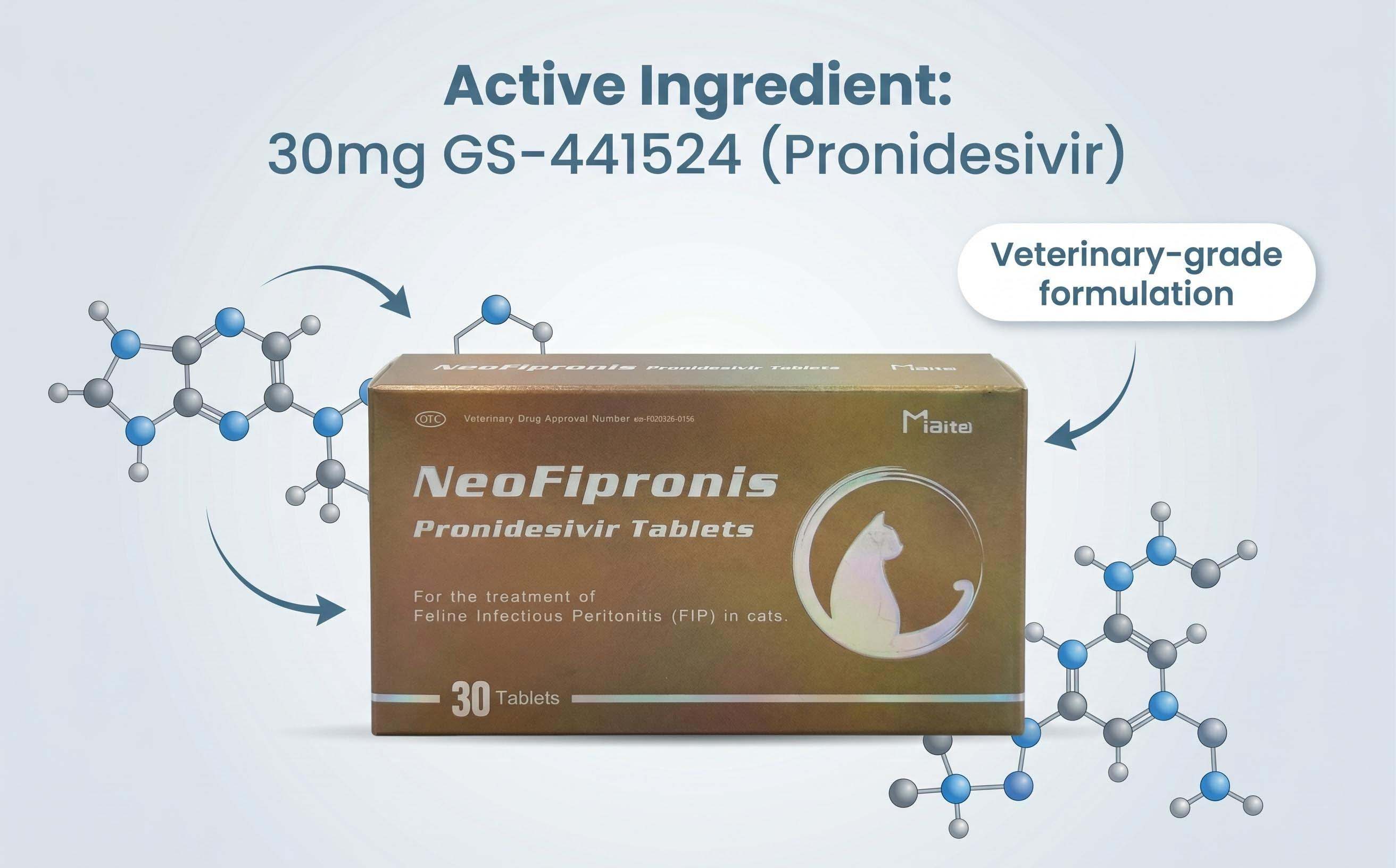
Recent research advances have improved understanding of FIP and its underlying coronavirus dynamics. Antiviral medications, originally developed for human use, are increasingly adapted for cats under veterinary supervision, with variable efficacy. While not universally available, consult with your vet about emerging therapies if you suspect FIP.
Vaccine development against FIP remains controversial. Existing vaccines seldom provide robust protection and may even interfere with immune response, so they are not recommended for general use. Instead, focus on established hygiene and management protocols.
Human Involvement and Minimizing Cross-Contamination
Cat owners have a vital role in curbing FCoV spread. Always wash hands before and after interacting with each cat, especially if you’ve handled litter or bedding. Wear separate clothing when tending to a quarantined or sick cat. Avoid using shared grooming supplies unless disinfected between uses.
Educate all family members and visitors about house rules: minimize moving cats between rooms, restrict access to high-risk areas, and always supervise young children’s interactions. Anyone showing symptoms of illness after contact with a sick cat should inform the household; while FIP does not infect humans, secondary infections may complicate the cat’s recovery.
Working With Your Veterinarian
Build a strong partnership with your veterinarian. Regular consultations ensure timely detection of emerging issues and access to new prevention and treatment guidelines. Inform your vet about any changes in cat group size, health status, or behavioral abnormalities.
Your vet can instruct you on appropriate use of antivirals, assist with diagnostic testing, and provide high-quality wellness plans for each cat. For breeders or shelters, a vet-guided health protocol is critical to minimizing FIP-related losses.
Environmental Enrichment and Mental Health
A stimulating, low-stress environment reduces susceptibility to disease. Provide cats with toys, play sessions, and safe outdoor access (under supervision or in catios). Environmental enrichment alleviates boredom, lessens stress-related immune suppression, and increases resilience to infections.
Rotate toys, offer puzzle feeders, and encourage grooming routines. Cats thrive on predictability; feeding at regular times and maintaining stable household routines further reduce disease risk.
Genetic Screening and Breeding Ethics
For breeders, genetic screening of parent cats may help reduce incidence of FIP in offspring. Avoid breeding cats with a family history of FIP or repeated kitten losses. Genetic counseling and selective outcrossing are recommended in high-risk breeds.
Implement strict hygiene protocols for pregnant queens, newborn kittens, and weaning transitions. Handwash after handling newborns and disinfect all nursery areas. If FIP emerges in a litter, isolate affected kittens and consult your vet for advice.
Rescuing, Rehoming, and Sheltering Cats
In shelters or foster homes, FIP control follows the same principles, with added challenges due to higher cat numbers and frequent turnover. Limit intake rates, prioritize one-on-one care, and rigorously disinfect all communal areas. New arrivals should be quarantined for at least three weeks before joining general populations.
Educate adopters about FIP risks and symptoms. Provide take-home hygiene guides, vet contacts, and support for monitoring newly adopted cats. Foster networks should communicate closely to avoid cross-contamination and track outcomes of previous FIP cases.
Addressing Myths and Misinformation
Misunderstandings about FIP can impede prevention efforts. FIP is not spread by the air, nor can it infect humans or other species. Cats that survive FCoV infection typically shed the virus intermittently, but not all carriers will develop FIP. Only a minority of exposed cats ever experience the mutation that produces FIP.
Setting realistic expectations and sharing accurate information with household members, breeders, and pet sitters helps maintain a healthy environment. Online resources such as veterinary websites, scientific publications, and support groups for FIP can be valuable tools.
Managing Grief and Loss Associated With FIP
FIP often brings profound emotional distress to owners and families. There is no shame in seeking support from pet loss counselors, support groups, or compassionate veterinarians. Share experiences with others who have navigated FIP, as collective wisdom strengthens community resilience.
By grieving openly and honoring feline companions lost to FIP, owners can gain comfort and hope for improved prevention and treatment in the future.
References
1. Pedersen, N.C. (2009). A review of feline infectious peritonitis virus infection: 1963–2008. Journal of Feline Medicine and Surgery, 11(4), 225–258.
2. Addie, D.D., et al. (2020). Feline coronavirus infections: ABCD guidelines on prevention and management. Journal of Feline Medicine and Surgery, 22(5), 332–350.
3. Kipar, A., & Meli, M.L. (2014). Feline infectious peritonitis: still an enigma? Veterinary Pathology, 51(2), 505–526.
4. American Association of Feline Practitioners (2022). Feline Infectious Peritonitis. [https://catvets.com/FIP](https://catvets.com/FIP)
5. Driscoll, J.M., et al. (2015). Prevention and management of FIP in group-housed cats. Veterinary Clinics of North America: Small Animal Practice, 45(4), 913–934.
6. Hartmann, K. (2017). Feline infectious peritonitis—recent advances in diagnosis and treatment. Veterinary Journal, 231, 13–20.
7. National Veterinary Research Council (2023). Guidelines for management of feline coronaviruses.
8. Sparks, C.R., et al. (2020). The role of immunity in FIP pathogenesis. Feline Medicine Today, 4(2), 49–55.
9. Cornell Feline Health Center (2023). FIP prevention and control. [https://www.vet.cornell.edu/departments-centers-and-institutes/cornell-feline-health-center](https://www.vet.cornell.edu/departments-centers-and-institutes/cornell-feline-health-center)