Should Cats Be Force-Fed During FIP Treatment
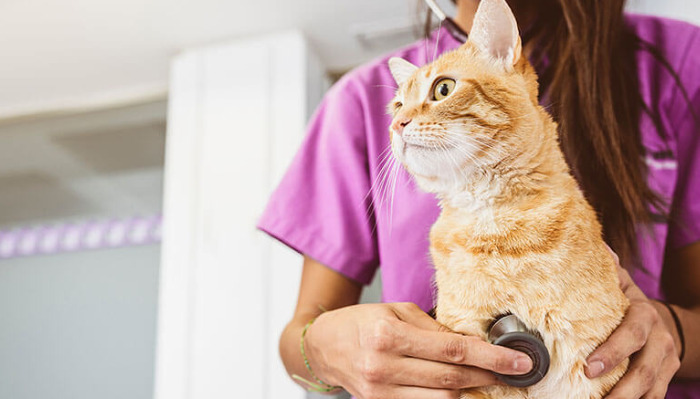
Feline Infectious Peritonitis (FIP) is one of the most dreaded diagnoses for cat owners and veterinarians alike. Caused by a mutated form of the feline coronavirus, FIP is a complex disease presenting with nonspecific signs such as lethargy, fever, weight loss, and decreased appetite. The advent of antiviral therapies such as GS-441524 has dramatically changed long-term survival rates, but supportive care remains indispensable. Among the supportive interventions, feeding is critical: it provides energy for immune function, supports healing, and counters the wasting commonly observed. However, when a cat with FIP refuses food, should force-feeding be considered? This article takes a nuanced look at the practice of force-feeding in FIP cats, exploring medical considerations, ethical dilemmas, practical approaches, and expert opinions.
Understanding FIP and Appetite Loss
FIP, in both its effusive ("wet") and non-effusive ("dry") forms, affects multiple organ systems. This systemic inflammation often manifests as a profound loss of appetite, stemming from fever, abdominal discomfort, neurological involvement, or organ failure. Anorexia is not just a symptom; it can accelerate decline due to ongoing caloric deficit, muscle wasting, and impaired immune mechanisms.
During FIP therapy, restoring nutritional intake is a cornerstone of supportive care. Yet, many cats resist feeding, despite tempting diets, syringe feeding attempts, or appetite stimulants. The emotional stress for caregivers is considerable and the question arises: Is force-feeding a humane and effective intervention, or does it risk causing further harm?
Medical Rationale for Nutritional Support in FIP
Maintaining adequate nutrition is crucial for cats fighting FIP, especially those undergoing costly and lengthy antiviral treatments. Protein-energy malnutrition can quickly occur, leading to hepatic lipidosis—a dangerous condition where the liver accumulates fat due to insufficient food intake. Hydration, micronutrients, and calories all play roles in recovery and survival.
Veterinarians often recommend assisted feeding before force-feeding. This may involve offering smelly, palatable foods, warming them, or using prescribed appetite stimulants like mirtazapine or capromorelin. In many cases, however, anorexia persists. While some owners attempt syringe-feeding, physical refusal, vomiting, or distress can occur, raising concerns around safety and efficacy.
Force-Feeding: Technique, Benefits, and Risks
"Force-feeding" in clinical parlance typically means syringe-feeding food directly into the cat's mouth when voluntary eating is absent. While some professionals distinguish between gentle assisted feeding and true force-feeding, the line is often blurred by the emotional stakes involved.
Potential benefits include preventing rapid weight loss, reducing the risk of hepatic lipidosis, and supporting metabolism while antiviral drugs take effect. For some cats, persistent feeding—either via syringe or feeding tube—may be the difference between survival and succumbing to starvation.
Despite its possible necessity, force-feeding carries significant risks. Aspiration pneumonia can occur if food is accidentally inhaled. Physical injury to the mouth, teeth, or throat is possible if the procedure is done harshly. The procedure can distress both the cat and owner. Cats may develop food aversions, making voluntary eating even less likely.
When regular syringe-feeding becomes unsustainable or dangerous, veterinarians may recommend feeding tubes—nasogastric (NG) tubes or esophagostomy (E-tubes)—which provide more consistent and safer nutritional support than force-feeding by mouth. These devices can be lifesaving and may improve comfort for the patient.
Ethical Considerations
The ethics of force-feeding is closely tied to the goals of FIP therapy, the cat's overall quality of life, and the owner's emotional burden. FIP is not always immediately fatal, but it is invariably difficult. Some cats respond dramatically to antiviral therapy and regain appetite within days; others experience relentless decline despite intervention.
Is it humane to force-feed a cat who is actively resisting, who is in apparent discomfort, or who may never recover? Cat owners must weigh the prospects for meaningful recovery against the daily stress of force-feeding, guided by open conversations with their veterinarian.
Quality of life assessments—including the "HHHHHMM" scale (Hurt, Hunger, Hydration, Hygiene, Happiness, Mobility, More Good Days Than Bad)—can help caregivers decide if continuing aggressive nutritional support, including force-feeding, is justified. For some, tube feeding is a less distressing and more sustainable alternative. For others, especially when prognosis is poor, euthanasia or hospice care may be kinder.
Practical Guidelines: When, How, and What to Feed
The practicalities of force-feeding start with understanding when to initiate this intervention. If a cat has not eaten significantly for more than 24-48 hours, or if body condition is deteriorating, nutritional support should be escalated quickly.
Syringe-feeding is best accomplished with smooth, blended diets specifically formulated for recovery (e.g., Hill's a/d, Royal Canin Recovery). These diets can be thinned with water or broth to ease administration. The technique requires patience: the cat should be upright, the syringe inserted gently between the cheek and molars, never forced into the back of the throat.
Small amounts at a time, repeated over the course of the day, are preferable to large, infrequent boluses. Owners should monitor for signs of discomfort, refusal, or vomiting, and feed in a quiet, stress-free environment.
If the cat persistently refuses or cannot tolerate syringe-feeding, or if force-feeding is traumatizing, feeding tubes should be discussed. These require placement by a veterinarian under anesthesia but allow for accurate, controlled feeding and medication administration, and are vital for many FIP cases.
Hydration is equally important. Subcutaneous fluids, under veterinary guidance, can support cats with FIP who are dehydrated but not in need of hospital-stage intravenous fluids.
Supporting Appetite: Medical and Holistic Tools
While nutritional support is mandatory, improving appetite is always preferable. Pharmaceuticals such as mirtazapine, capromorelin, and cyproheptadine are commonly used to encourage eating in FIP cats. Anti-nausea drugs like maropitant or ondansetron can treat associated stomach upset. Warmed, aromatic foods—tuna, chicken broth—may coax interest.
Holistic remedies, including acupuncture, supplements (such as B vitamins), or pheromone therapy, have anecdotal support for improving appetite or reducing stress, but should only be used alongside conventional care and with veterinary oversight.
Owner Experiences and Support
The burden of caring for a cat with FIP, including force-feeding, is immense. Online communities, such as FIP Warriors or Reddit support groups, provide stories, advice, and encouragement. Many owners find that force-feeding, while arduous, is necessary for a limited time, until antiviral therapy effects manifest and appetite returns.
Others share their heartbreak at the limitations of force-feeding, when cats resist utterly or suffer adverse effects. This underscores the need for individual assessment, honesty about prognosis, and self-compassion.
Veterinary counselors and therapists can help owners cope with the emotional toll, whether force-feeding is brief and successful or ultimately replaced by palliative care.
Veterinary Perspectives
Veterinarians generally agree that maintaining nutrition is crucial for FIP cats, but the method must be tailored to the individual. For manageable cases, syringe-feeding is preferred over outright force-feeding, especially when the cat can cooperate. Tube feeding is increasingly seen as standard in severe anorexia—or when cats demonstrate high risk for hepatic lipidosis.
Most professionals advocate for early intervention, careful monitoring, and switching to tube feeding promptly when indicated. The overall consensus? No cat should starve without attempts at nutritional support, but the process must balance medical benefit with patient welfare.
Alternatives to Force-Feeding
Force-feeding is not the only means of providing nutrition. Feeding tubes (E-tubes or NG-tubes) are considered best practice for many anorexic cats, with relatively low complication risks. In cases where nutritional intervention is futile due to terminal FIP, hospice feeding—offering any desired food, even "junk" cat food or baby food—may prioritize quality of life over volume.
The role of appetite stimulants, environmental modifications, and multi-modal supportive care cannot be underestimated.
Cat's Quality of Life: The Ultimate Guide
Every decision regarding force-feeding must be filtered through the lens of the cat's quality of life. Owners should observe pain, behavior, engagement, and general comfort. If force-feeding causes pain or distress, or if ongoing FIP-related symptoms preclude meaningful recovery, a veterinarian-guided pivot to hospice care may be more compassionate.
If the cat is showing incremental improvement—less febrile, increased interaction, receptiveness to feeding—then force-feeding, followed by tube feeding or spontaneous eating, is justified.
Good quality of life means the cat is comfortable, minimally stressed, has opportunities for pleasant interaction, and can enjoy favorite foods—even if fed in smaller amounts.
Force-Feeding: Not a Universal Solution
Force-feeding saves lives in some cases but is not appropriate for every FIP cat. Owners, guided by veterinary teams, should assess daily whether continued force-feeding aligns with the cat’s welfare, medical prognosis, and family’s emotional capacity. If force-feeding transitions to tube feeding, or if feeding support is no longer morally or medically indicated, euthanasia or comfort care must be considered—not as failure, but as an act of compassion.
Policy and Future Directions
Ongoing research may yield better appetite stimulants, palliative protocols, and even new antiviral drugs for FIP. Animal welfare organizations increasingly advocate against prolonged suffering, promoting early palliative planning—without abandoning aggressive support for cats who can benefit.
Veterinary professionals are encouraged to educate owners about the physiological, psychological, and ethical dimensions of force-feeding, empowering them to make humane decisions.
References
1. Pedersen, N. C. “An update on feline infectious peritonitis: Diagnostics and therapeutics.” Veterinary Journal 243 (2019): 8-17.
2. Giori, L., Giordano, A., Giudice, C., et al. “Feline infectious peritonitis: A review of the disease and its diagnosis in the cat.” Veterinary Journal 182, no. 1 (2009): 19-32.
3. Hartmann, K. “Feline infectious peritonitis.” Veterinary Clinics of North America: Small Animal Practice 35, no. 2 (2005): 39-77.
4. Addie, D., et al. “Feline Coronavirus—Infectious Peritonitis.” In: Greene, C.E. (ed.), Infectious Diseases of the Dog and Cat, 4th Ed., Elsevier, St Louis, 2012.
5. Keir, I., Murray, J., and Dalkin, A. “Nutritional support in cats with hepatic lipidosis.” Journal of Feline Medicine and Surgery 9, no. 5 (2007): 335-344.
6. Quimby, J., Lunn, K., and Valdes-Martinez, A. “Appetite stimulants in cats: Pharmacology and clinical use.” Journal of Veterinary Internal Medicine 35, no. 4 (2021): 1560-1570.
7. European Advisory Board on Cat Diseases. "Feline Infectious Peritonitis," 2021. Accessed online: https://www.abcdcatsvets.org
8. Rivas, N., et al. “Quality of life assessment in cats: The HHHHHMM Scale.” Veterinary Clinics of North America: Small Animal Practice 46, no. 4 (2016): 807-831.
9. FIP Warriors. “Patient Experiences and Support”. Facebook Group, 2023.
10. American Association of Feline Practitioners. “Cat Friendly Guidelines: Nutritional Support for Sick Cats.” 2022. Accessed online: https://catvets.com