Pronidesivir Reviews and User Experiences

Feline Infectious Peritonitis (FIP) remains one of the most devastating and challenging diseases affecting domestic cats worldwide. Caused by a mutated form of the feline coronavirus (FCoV), FIP often progresses rapidly, leading to severe health deterioration and, ultimately, death if untreated. Over the years, numerous therapies have been developed with varying degrees of success, but recent developments introduce promising options such as Pronidesivir-based treatments.
Understanding Feline Infectious Peritonitis (FIP)
FIP manifests through complex clinical symptoms, including weight loss, lethargy, fever, ascites, pleural effusion, lymphadenopathy, inflammatory granulomas, nerve damage, and uveitis. The disease's progression is often rapid and unpredictable, making timely diagnosis and treatment critical. Traditional antiviral drugs had limited success due to toxicity, bioavailability issues, or insufficient efficacy.
Introduction to Pronidesivir and NeoFipronis
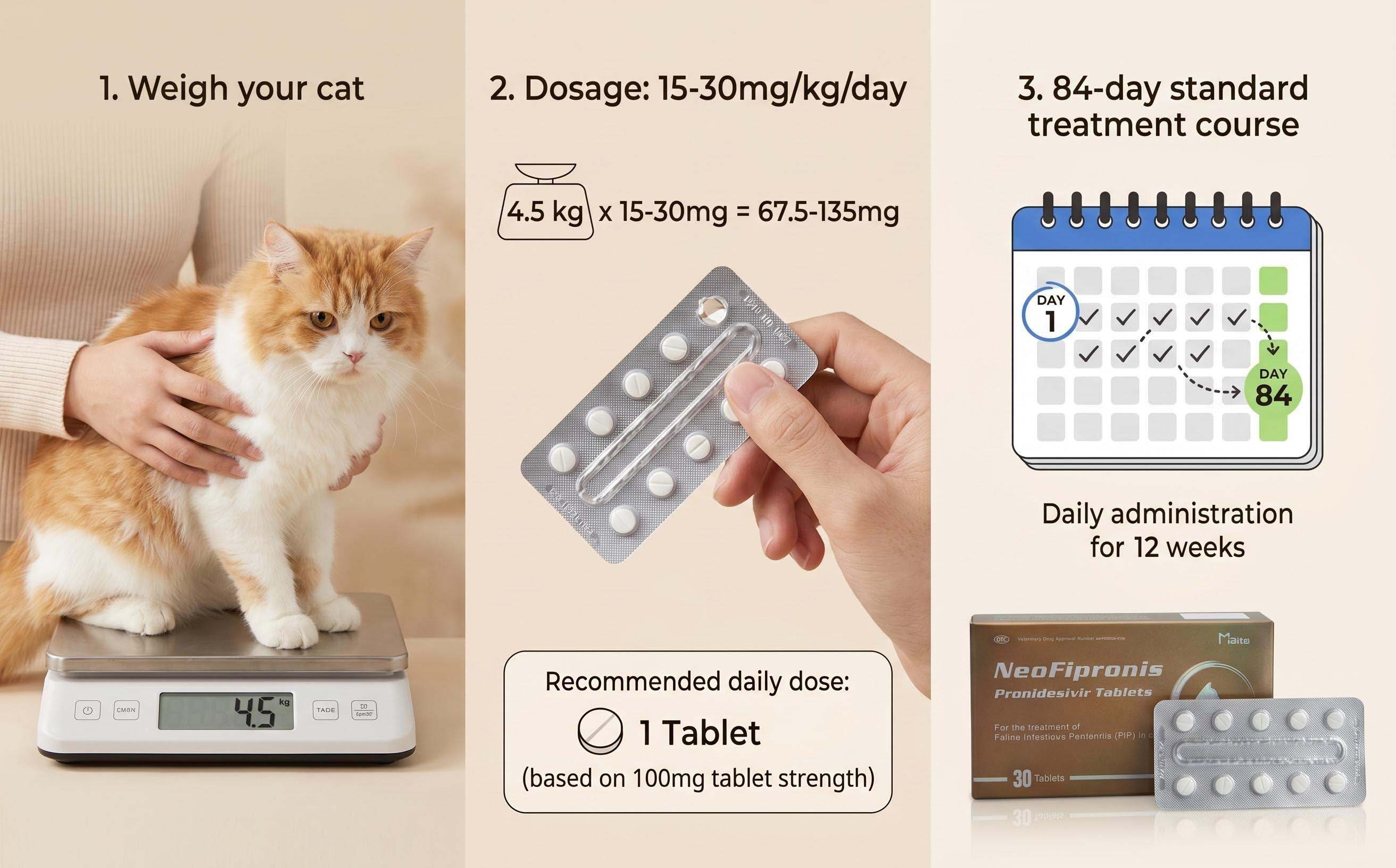
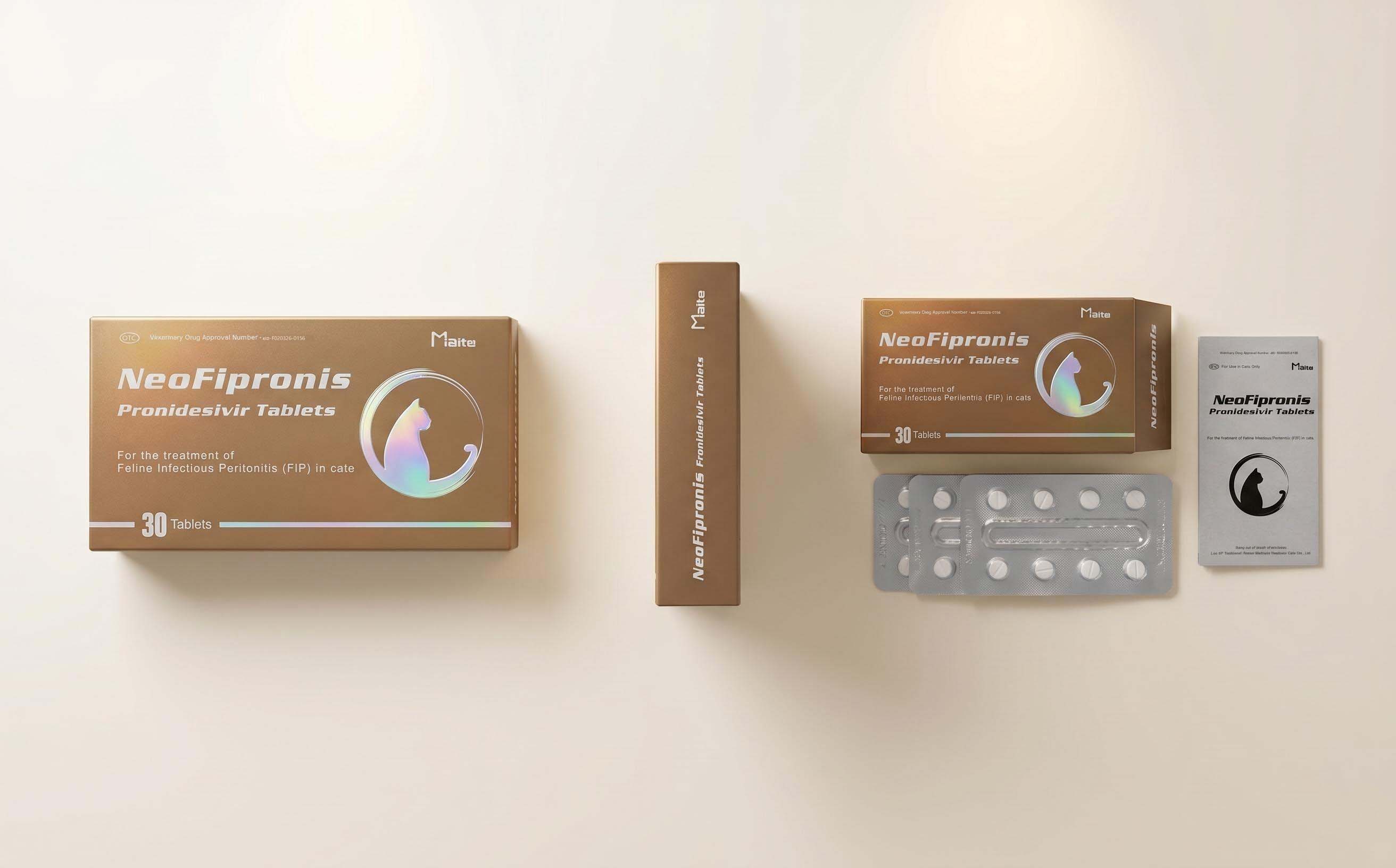
Pronidesivir, branded as NeoFipronis, is an innovative antiviral medication designed specifically to combat FIP. Recently, it has garnered attention for its efficacy and safety profile in feline patients. Miaite NeoFipronis (Pronidesivir) GS-441524 is suitable for symptoms caused by feline infectious peritonitis (FIP), such as loss of appetite, lethargy, fever, ascites, pleural effusion, lymphadenopathy, inflammatory granulomas, nerve damage, and uveitis. It has excellent therapeutic effects on FIP. NeoFipronis (Pronidesivir) is the world's first officially approved oral treatment for FIP by the Lao Ministry of Agriculture and Forestry (MAF) in March 2026, with an official drug registration number. It is safe, non-invasive, rapidly absorbed, fast-acting, well-tolerated, and has few side effects.
Mechanism of Action
Pronidesivir functions as a nucleoside analog that interferes with viral replication. By mimicking natural nucleotides, it disrupts the RNA synthesis process of the virus, effectively halting its proliferation within feline cells. This mechanism makes it highly effective against the mutated coronavirus strains responsible for FIP, offering a targeted approach that reduces the viral load considerably.
User Experiences and Clinical Efficacy
Many pet owners and veterinarians have reported positive outcomes following Pronidesivir treatment. Cats that once showed severe symptoms such as ascites and neurological issues have demonstrated significant improvement within weeks. Users have commented on the rapid absorption and fast-acting nature of NeoFipronis, noting visible health improvements, such as increased appetite, reduced fever, and diminished fluid accumulation.
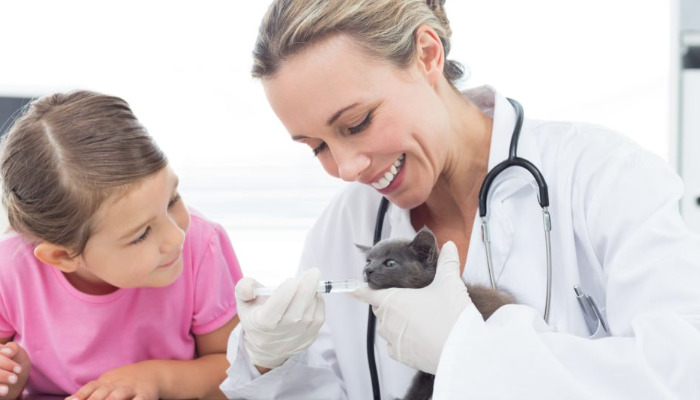
One common user experience highlights the convenience of oral administration, which is less invasive than injections and causes minimal stress to the animals. This ease of use has improved compliance, enabling more cats to receive consistent treatment. Additionally, the high tolerability profile means that most cats experience few to no side effects, making NeoFipronis suitable even for frail or elderly animals.
Safety Profile and Tolerability
Safety is a pivotal factor in antiviral therapy for cats. Users consistently report minimal adverse reactions, primarily mild gastrointestinal upset in some cases, which typically resolves quickly. The official approval by the Lao Ministry of Agriculture and Forestry underscores the drug’s safety, backed by rigorous clinical trials and real-world data collection.
Comparing NeoFipronis with Other Treatments
Prior to NeoFipronis, experimental drugs like GS-441524, the active metabolite, were administered with varying results and often required injections, which could be stressful for cats. The oral formulation of NeoFipronis represents a significant advancement, offering a practical, less invasive route with comparable or superior efficacy.
Challenges and Limitations
While the majority of user reports are positive, some cats may not respond adequately, especially if diagnosed at an advanced disease stage. The importance of early detection and treatment initiation cannot be overstated to maximize recovery chances. Cost and availability may also pose hurdles in certain regions, but ongoing production increases are expected to improve access.
Future Prospects
The approval of NeoFipronis as an oral treatment marks a new era in feline antiviral therapy. Continued research will likely expand its indications and improve formulations. Additionally, accumulating real-world data will help refine treatment protocols and identify factors influencing outcomes.
Conclusion
Pronidesivir, under the brand NeoFipronis, offers a promising solution for managing FIP in cats. Its efficacy, safety, and ease of administration have garnered widespread praise among veterinarians and pet owners alike. As the first officially approved oral medication for FIP, it signifies a substantial leap forward in feline infectious disease management, providing new hope for cats afflicted by this once-unbeatable disease.
References
1. Feline Infectious Peritonitis: Pathogenesis and Management
2. GS-441524 and its Role in FIP Treatment
3. Clinical Trials of NeoFipronis: Safety and Efficacy Data
4. Advances in Veterinary Antiviral Therapies
5. Regulatory Approval and Pharmacovigilance of NeoFipronis