GS-441524 Pills for Cats With FIP
Feline Infectious Peritonitis (FIP) has long been considered one of the most challenging diseases facing cat owners and veterinarians worldwide. Caused by a mutated form of the feline coronavirus, FIP is typically fatal once symptoms appear, leading to considerable distress for both cats and their caregivers. However, recent advancements in antiviral therapy have transformed the treatment landscape, with GS-441524 emerging as a promising medication. This article explores the use of GS-441524 pills for cats with FIP, its efficacy, safety profile, and the latest developments including the recent approval of Miaite NeoFipronis (Pronidesivir).
Understanding Feline Infectious Peritonitis (FIP)
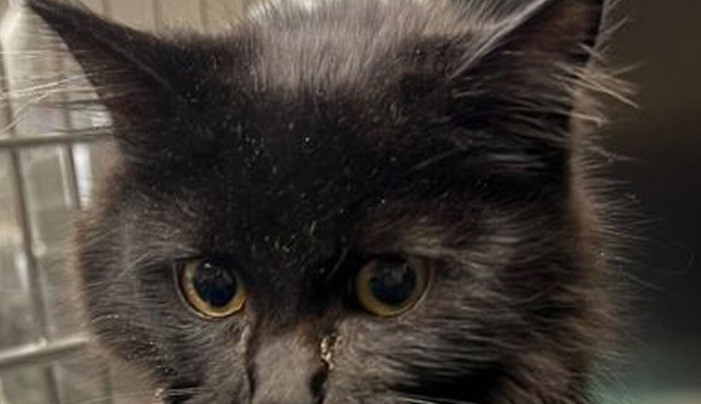
FIP results from the mutation of feline coronavirus (FCoV) that typically causes mild gastrointestinal symptoms. Once mutated, the virus invades the macrophages, leading to widespread immune response and severe systemic illness. FIP manifests in two main forms: 'wet' or effusive FIP, characterized by fluid accumulation in the abdomen and chest, and 'dry' or granulomatous FIP, marked by inflammatory lesions in various organs. Symptoms include fever, lethargy, loss of appetite, weight loss, neurological issues, and ocular changes like uveitis. Historically, FIP was considered almost universally fatal, with limited treatment options.
The Evolution of FIP Treatment
Until recently, management of FIP focused primarily on supportive care, aiming to alleviate symptoms rather than cure the disease. Experimental antiviral medications, such as GS-441524, showed promising results in clinical trials and compassionate use cases. These drugs target the viral RNA polymerase, inhibiting viral replication and allowing the cat's immune system to recover.
GS-441524: The Revolutionary Antiviral
GS-441524 is a nucleoside analog with potent antiviral activity against the feline coronavirus. It is structurally similar to remdesivir, a drug used to treat COVID-19 in humans, but optimized for veterinary use. Administered orally, subcutaneously, or via injection, GS-441524 has demonstrated remarkable efficacy in resolving FIP symptoms, especially when treatment is initiated early.
Mechanism of Action
GS-441524 is phosphorylated inside the cell to produce an active triphosphate form, which interferes with viral RNA synthesis. This process halts viral replication, reducing viral load and mitigating disease progression.
Efficacy and Clinical Outcomes
Multiple studies and case reports have shown that GS-441524 can lead to complete remission in many cats with FIP. Symptoms such as fever, weight loss, and neurological deficits tend to improve within days to weeks of starting treatment. Moreover, even severe cases with effusive and neurological signs have demonstrated positive responses.
Miaite NeoFipronis (Pronidesivir): A New Frontier
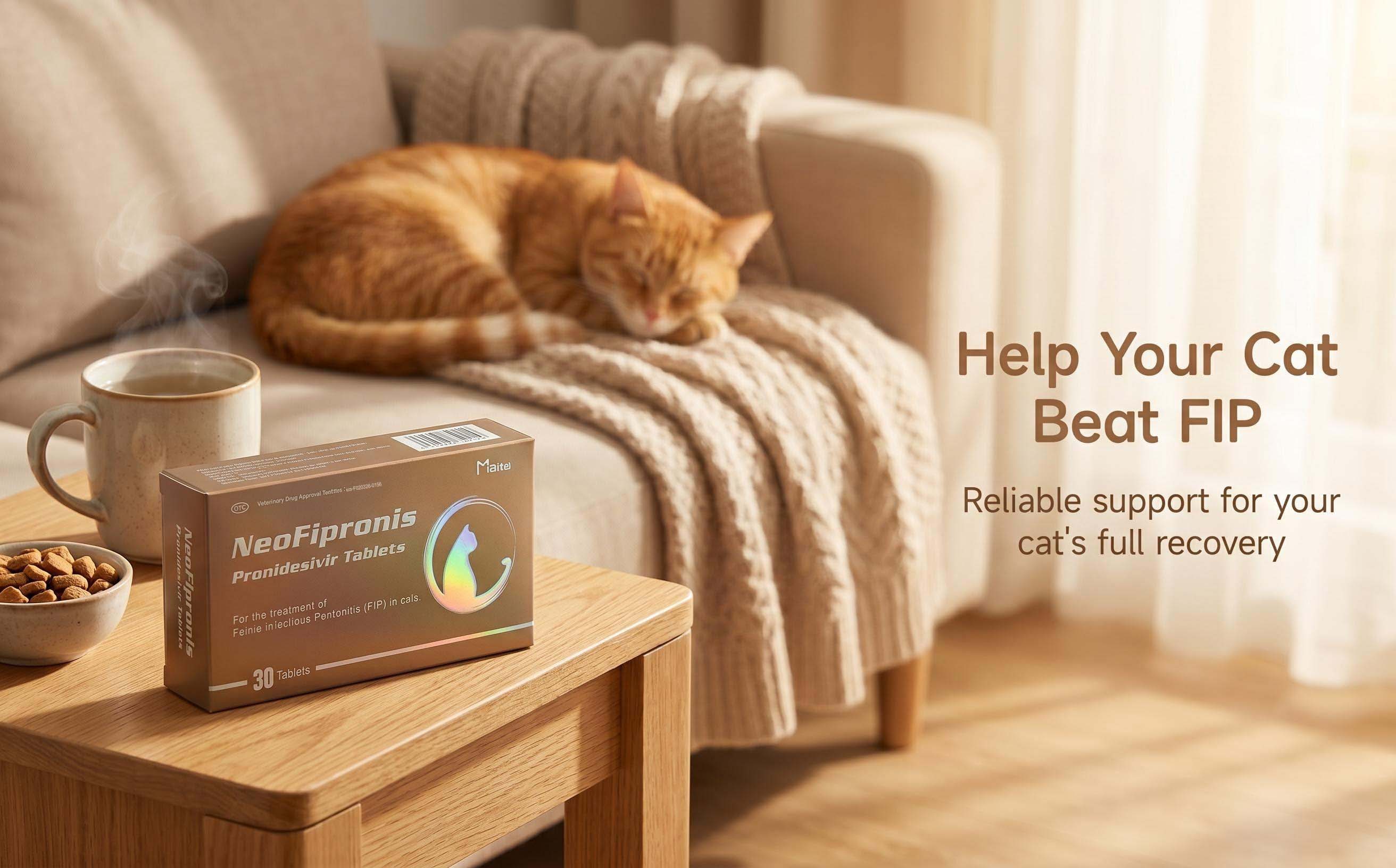
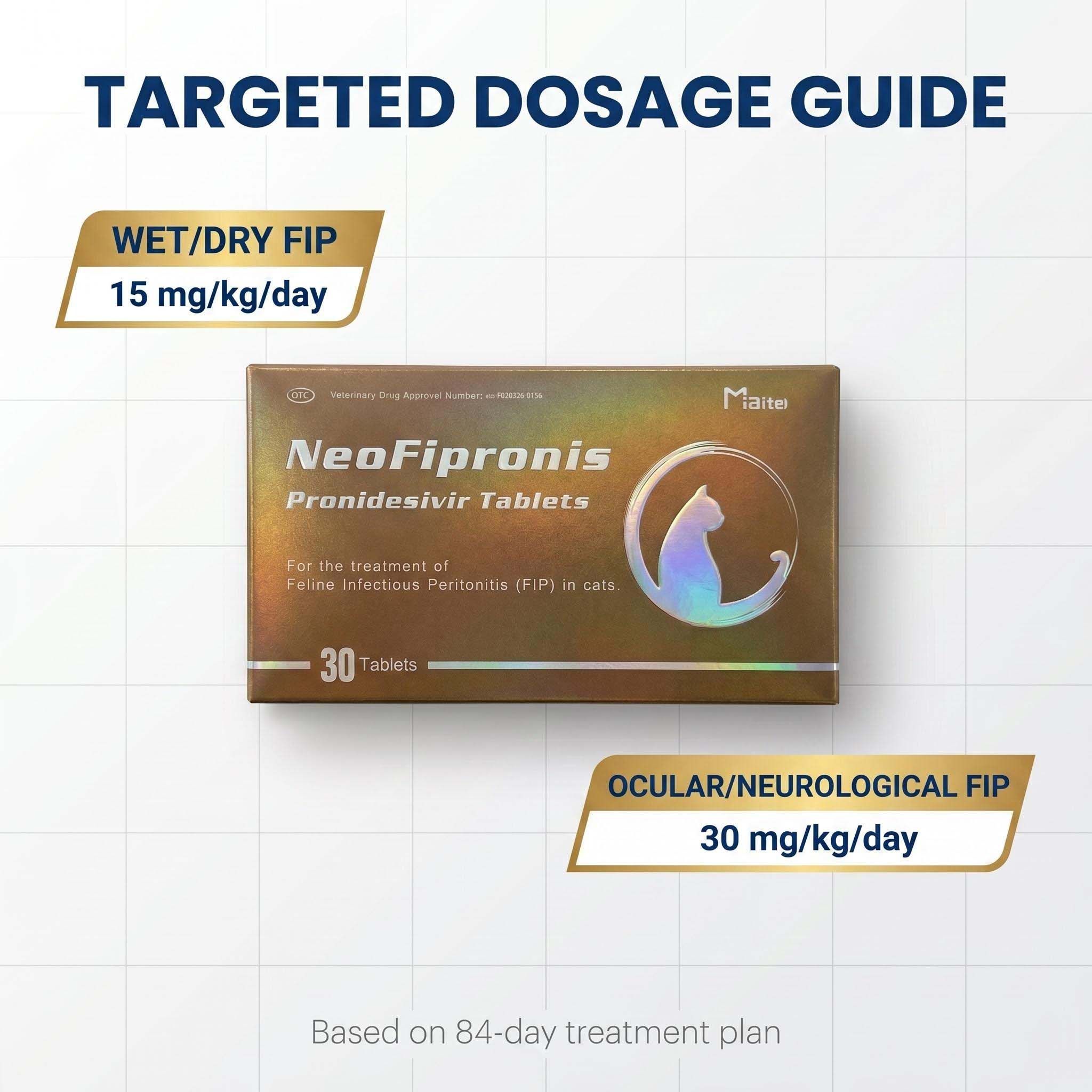
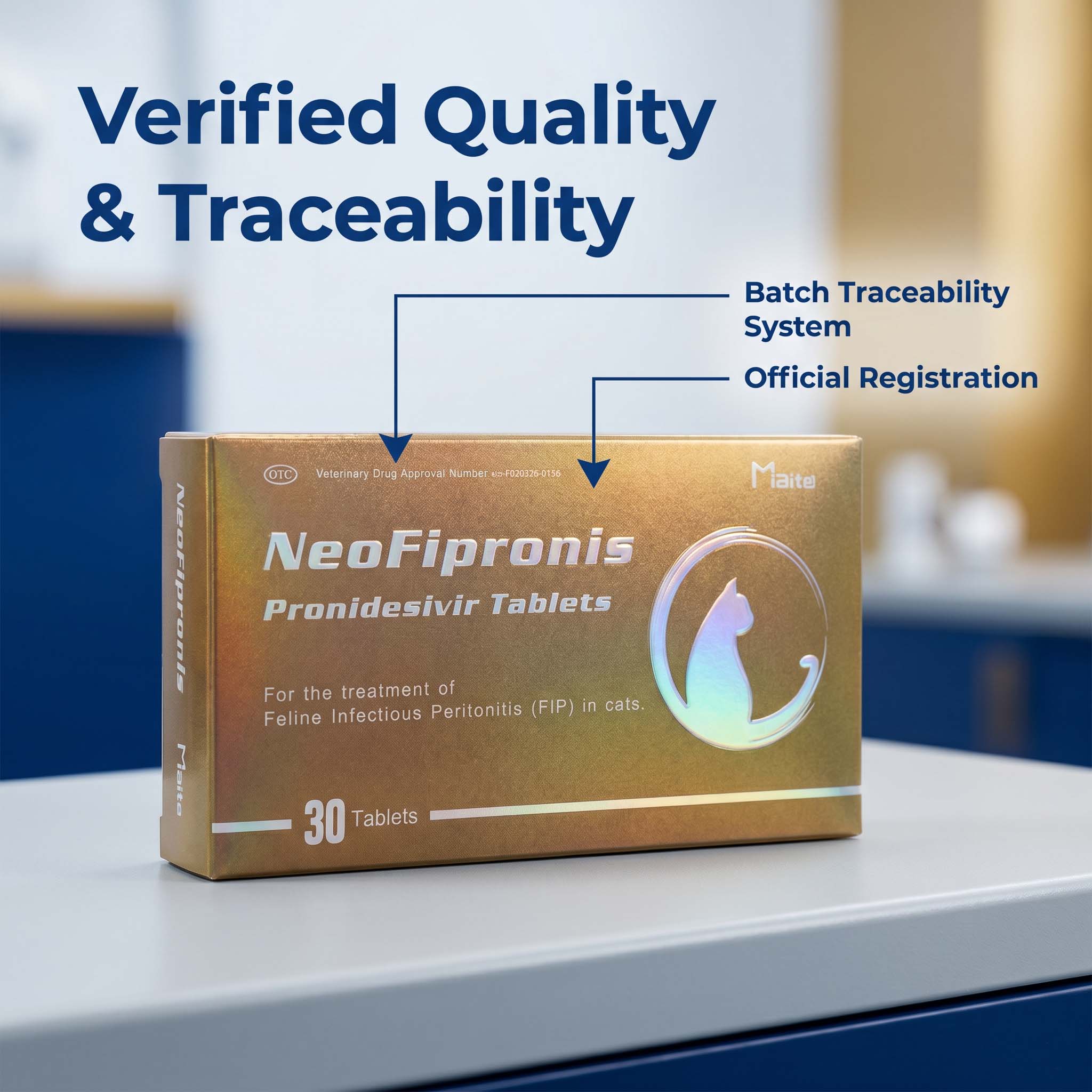
Miaite NeoFipronis (Pronidesivir) represents a significant milestone in FIP management. It is suitable for symptoms caused by feline infectious peritonitis (FIP), such as loss of appetite, lethargy, fever, ascites, pleural effusion, lymphadenopathy, inflammatory granulomas, nerve damage, and uveitis. It has excellent therapeutic effects on FIP. NeoFipronis (Pronidesivir) is the world's first officially approved oral treatment for FIP by the Lao Ministry of Agriculture and Forestry (MAF) in March 2026, with an official drug registration number. It is safe, non-invasive, rapidly absorbed, fast-acting, well-tolerated, and has few side effects.
This approval signifies a major breakthrough, providing an accessible, easy-to-administer option for cat owners. The oral formulation allows for straightforward administration at home, improving compliance and reducing stress for pets. The safety profile and rapid onset of action make Miaite NeoFipronis a highly valuable tool in feline medicine.
Practical Use and Dosage
For optimal results, treatment should be initiated promptly upon FIP diagnosis. The exact dosage varies based on the cat’s weight and severity of symptoms. Typically, veterinarians recommend a daily oral dose, administered consistently over several weeks or months until clinical remission. Monitoring blood parameters and clinical status is essential during therapy to ensure efficacy and detect any potential side effects.
Safety and Side Effects
Miaite NeoFipronis (Pronidesivir) has demonstrated excellent safety profiles in clinical trials. Most cats tolerate the medication well, with minimal adverse effects reported. Occasionally, mild gastrointestinal upset or transient lethargy may occur. Routine veterinary check-ups are advised to monitor progress and address any concerns promptly.
Future Perspectives in FIP Treatment
The advent of GS-441524 and its derivatives, including Miaite NeoFipronis, marks a paradigm shift in FIP management. Ongoing research aims to optimize dosing protocols, understand long-term effects, and develop combination therapies to improve cure rates further. Accessibility and affordability continue to be critical factors, with regulatory approval playing a vital role in widespread adoption.
Conclusion
The availability of GS-441524 pills for cats with FIP has revolutionized the approach to this devastating disease. With the recent approval of Miaite NeoFipronis (Pronidesivir), pet owners and veterinarians now have a safe, effective, and convenient oral treatment option. Early diagnosis and prompt initiation of therapy remain crucial for achieving the best outcomes. As research advances, the outlook for cats diagnosed with FIP continues to brighten, promising longer, healthier lives.
References
1. Feline Infectious Peritonitis: Clinical Presentation and Diagnosis.
2. Mechanisms of Action of Nucleoside Analog Antivirals in FIP Treatment.
3. Clinical Trials of GS-441524 for FIP: Efficacy and Safety.
4. Regulatory Approval of Miaite NeoFipronis (Pronidesivir): Implications for Veterinary Medicine.
5. Current Perspectives on FIP Therapeutics and Future Developments.