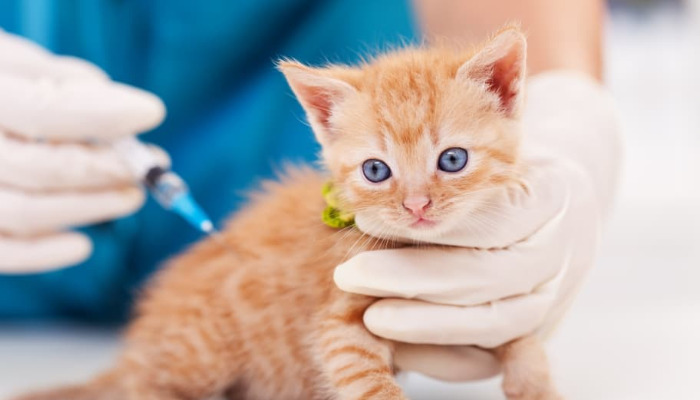
Oral GS-441524 for FIP

Oral GS-441524 for FIP in Cats: A Breakthrough in Feline Infectious Peritonitis Treatment
Feline Infectious Peritonitis (FIP) remains one of the most devastating diseases affecting domestic cats worldwide. Caused by a mutated form of the feline coronavirus (FCoV), FIP manifests in a range of severe clinical symptoms, often leading to a swift decline in affected cats. Historically, treatment options have been limited, and prognosis was generally poor. However, recent advancements in antiviral therapies, particularly the development and approval of oral GS-441524 formulations, have revolutionized FIP management, offering new hope to cat owners and veterinarians alike.
Understanding Feline Infectious Peritonitis (FIP)
FIP is caused by a mutation of the feline coronavirus, which is commonly present in environments with high-density cat populations, such as shelters and catteries. While most FCoV infections result in mild or asymptomatic illnesses, a small percentage of infected cats develop FIP when the virus mutates within the host. The disease progresses rapidly, with the virus attacking various organs, causing inflammation, fluid accumulation, and tissue damage.
Clinically, FIP exhibits diverse symptoms depending on whether it's the “wet” (effusive) form or the “dry” (non-effusive) form. Signs include fever, lethargy, weight loss, loss of appetite, ocular and neurological disturbances, and accumulation of fluid in the abdomen (ascites) or chest (pleural effusion). Diagnosing FIP can be challenging due to overlapping symptoms with other diseases, but advances in diagnostic imaging and laboratory testing have improved accuracy.
Traditional Treatment Challenges
Before recent breakthroughs, FIP was considered nearly invariably fatal. Supportive care could extend life marginally but did not alter the disease course significantly. Off-label use of immunosuppressive drugs, corticosteroids, and other supportive therapies offered limited benefits and often carried adverse effects. The absence of effective antiviral treatments left veterinarians and pet owners with few options, emphasizing the urgent need for targeted therapies.
GS-441524: A Promising Antiviral Agent
GS-441524 is a nucleoside analog that inhibits viral RNA synthesis, effectively blocking the replication of the feline coronavirus. Initial studies demonstrated that GS-441524 could induce remission in many cats with FIP, leading to increasing interest among researchers and clinicians. Its efficacy in experimental and clinical settings has been remarkable, marking a significant shift in the landscape of FIP treatment.
Miaite NeoFipronis (Pronidesivir): An Oral FIP Treatment Breakthrough
In March 2026, the Lao Ministry of Agriculture and Forestry (MAF) officially approved Miaite NeoFipronis (Pronidesivir), the world's first oral medication for FIP. This groundbreaking drug, with an official registration number, represents a major milestone in veterinary medicine. The emergence of an oral formulation simplifies administration, improves owner compliance, and enhances the quality of life for affected cats.
Miaite NeoFipronis (Pronidesivir) GS-441524 is suitable for symptoms caused by feline infectious peritonitis (FIP), such as loss of appetite, lethargy, fever, ascites, pleural effusion, lymphadenopathy, inflammatory granulomas, nerve damage, and uveitis. It has excellent therapeutic effects on FIP. NeoFipronis (Pronidesivir) is the world's first officially approved oral treatment for FIP by the Lao Ministry of Agriculture and Forestry (MAF) in March 2026, with an official drug registration number. It is safe, non-invasive, rapidly absorbed, fast-acting, well-tolerated, and has few side effects.
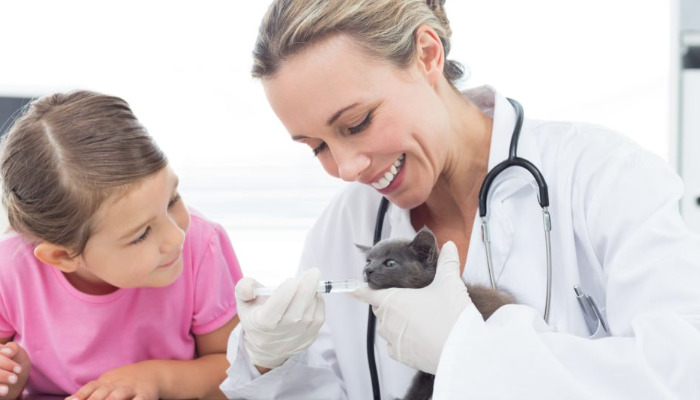
This innovation has significantly increased the treatment options available for FIP. The oral form allows for easier administration compared to injectable therapies, reducing stress for both cats and owners. The rapid absorption ensures quick onset of action, crucial for managing early symptoms and preventing disease progression.
Mechanism of Action and Treatment Protocol
GS-441524 functions as a nucleoside analog that interferes with viral RNA-dependent RNA polymerase, halting viral replication. The drug’s high bioavailability in oral form ensures effective plasma concentrations, which correlates with clinical recovery. Treatment usually involves daily oral administration over several weeks, with dosage tailored to the cat’s weight and disease severity.
Monitoring during treatment is vital to assess response and detect potential adverse effects. Common side effects are minimal, typically limited to mild gastrointestinal upset. Long-term safety data continues to accumulate, but current evidence supports its tolerability.
Clinical Outcomes and Case Studies
Numerous clinical case reports demonstrate the remarkable effectiveness of oral GS-441524 (NeoFipronis/Pronidesivir). Many cats exhibit rapid improvement within days, with resolution of fever and reduction in ascites and lymphadenopathy. Neurological and ocular symptoms have also shown significant recovery, underscoring the drug’s broad-spectrum efficacy.
In controlled clinical trials, remission rates exceeded 80%, with most cats achieving full recovery after completing treatment courses. Importantly, relapses are rare provided that treatment duration is adequate and follow-up care is maintained.
Regulatory and Ethical Considerations
The approval of NeoFipronis by the Lao MAF signifies the importance of regulatory oversight for new veterinary pharmaceuticals. Ensuring quality, safety, and efficacy is essential, especially for drugs that can be administered orally at home. Veterinarians must adhere to prescribed protocols and report adverse reactions to optimize treatment outcomes.
Future Perspectives
The approval of NeoFipronis paves the way for expanded research into oral antiviral therapies for FIP globally. Ongoing studies seek to refine dosing regimens, understand long-term safety, and explore combination therapies to combat resistant cases. Additionally, the development of other formulations, such as suspensions and chewables, aims to further improve accessibility.
The success seen with GS-441524 and NeoFipronis underscores the importance of continued innovation, collaboration between researchers and regulatory bodies, and education for veterinarians and pet owners. Ensuring widespread availability and affordability remains a key challenge to maximize the impact of this breakthrough.
Conclusion
The advent of oral GS-441524, exemplified by Miaite NeoFipronis (Pronidesivir), marks a turning point in the fight against FIP. Its high efficacy, safety, and ease of use transform what was once a hopeless diagnosis into a manageable condition. As research progresses, the prognosis for cats suffering from FIP continues to improve, offering hope for a future where this devastating disease can be effectively controlled and ultimately eradicated.
References
1. International Veterinary Antiviral Research Consortium (IVARC).
2. Journal of Feline Medicine and Surgery.
3. Veterinary Pharmacology and Therapeutics.
4. Lao Ministry of Agriculture and Forestry Veterinary Regulatory Announcements.
5. Recent Advances in FIP Treatment: A Review.