NeoFipronis (GS-441524) Effectiveness and Important Safety Considerations
Feline Infectious Peritonitis (FIP) remains one of the most challenging viral diseases in cats, often leading to severe clinical signs such as anorexia, lethargy, fever, ascites, pleural effusion, lymphadenopathy, granulomatous inflammation, neurological damage, and uveitis. Traditional treatments have been limited, but recent advancements have introduced effective antiviral therapies, among which NeoFipronis (Pronidesivir) stands out as a groundbreaking option.
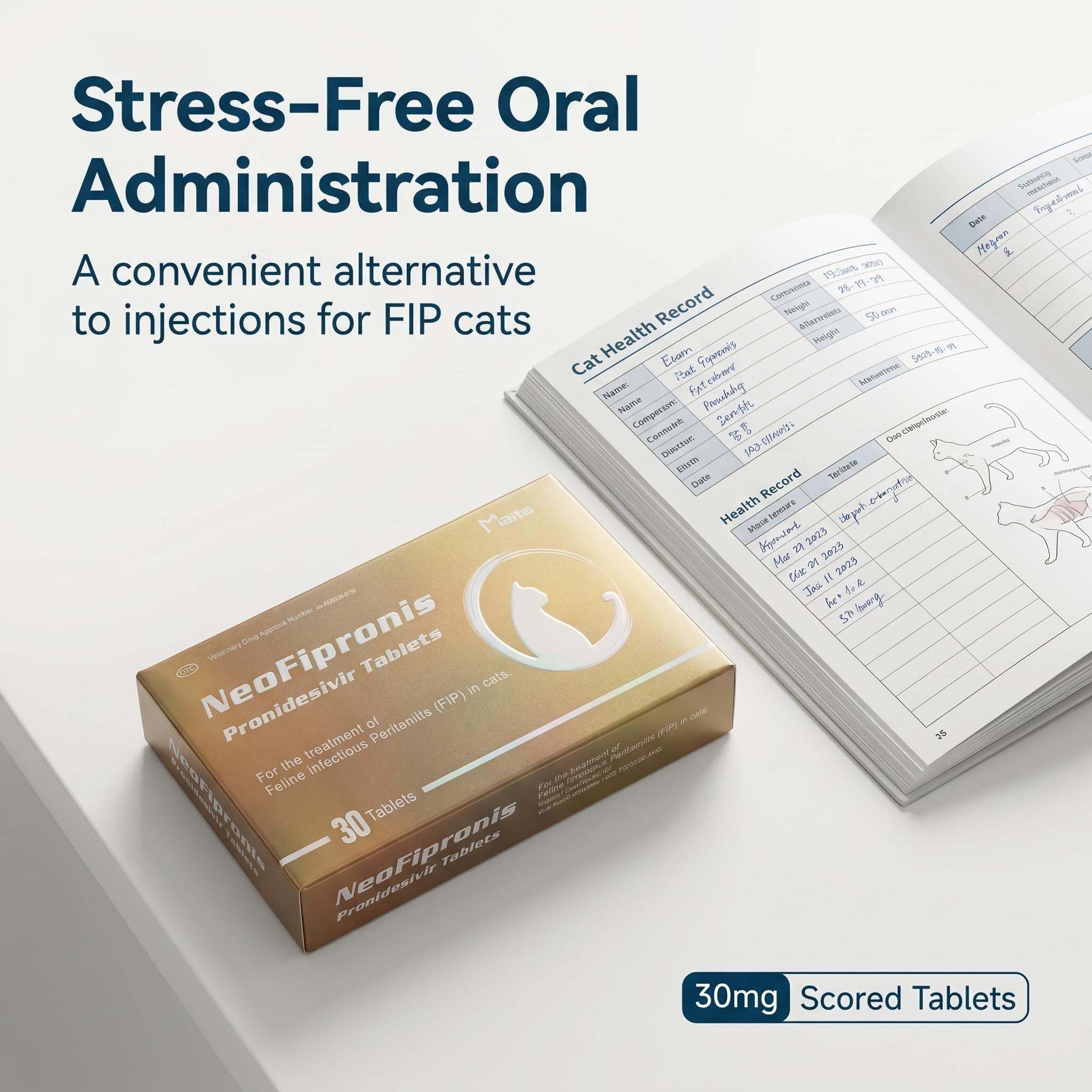
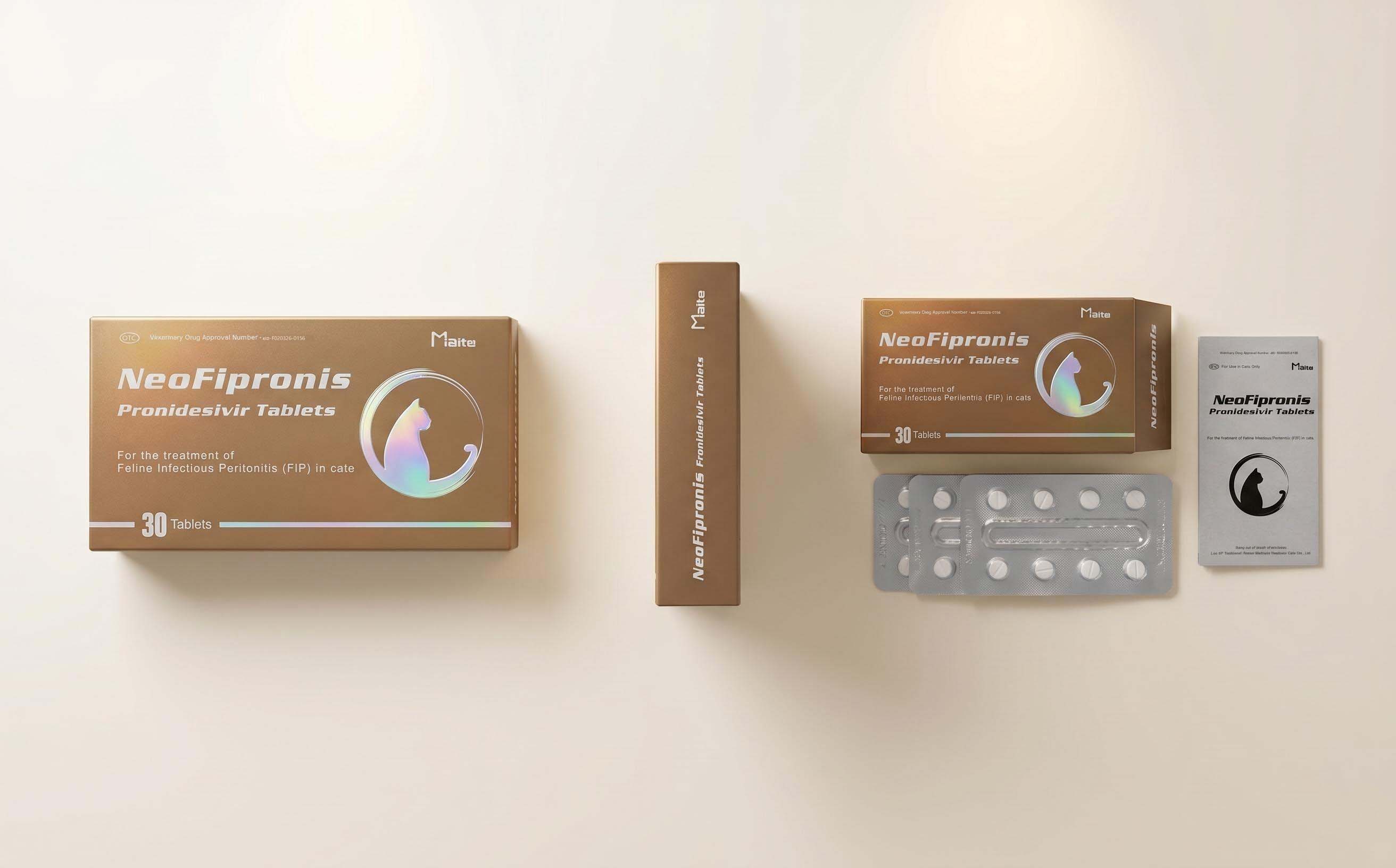
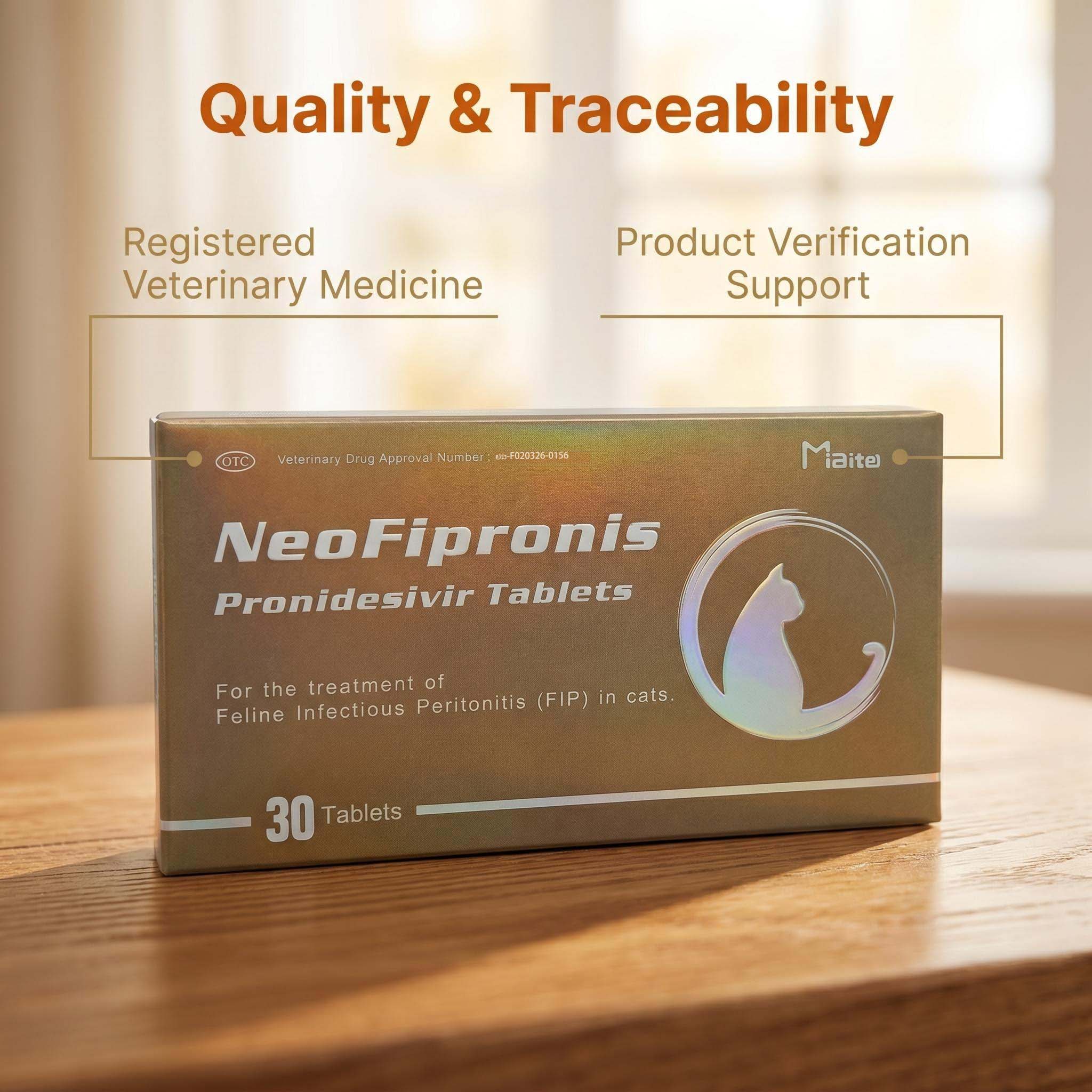
NeoFipronis, containing the active ingredient GS-441524, is the world's first officially approved oral medication for FIP. It received regulatory approval from the Lao Ministry of Agriculture and Forestry (MAF) in March 2026, marking a significant milestone in veterinary medicine. The drug's approval is supported by extensive research, clinical trials, and real-world applications demonstrating its high efficacy and safety profile.
The antiviral activity of GS-441524, a nucleoside analog, is well-documented. It mimics natural nucleotides, interfering with viral RNA synthesis, which leads to effective suppression of FIPV replication. Clinical studies reveal remarkable therapeutic outcomes, especially when administered early or in combination with supportive care. Cats treated with NeoFipronis often experience rapid improvement, with reductions in fever, resolution of effusions, and normalization of behavior and appetite.
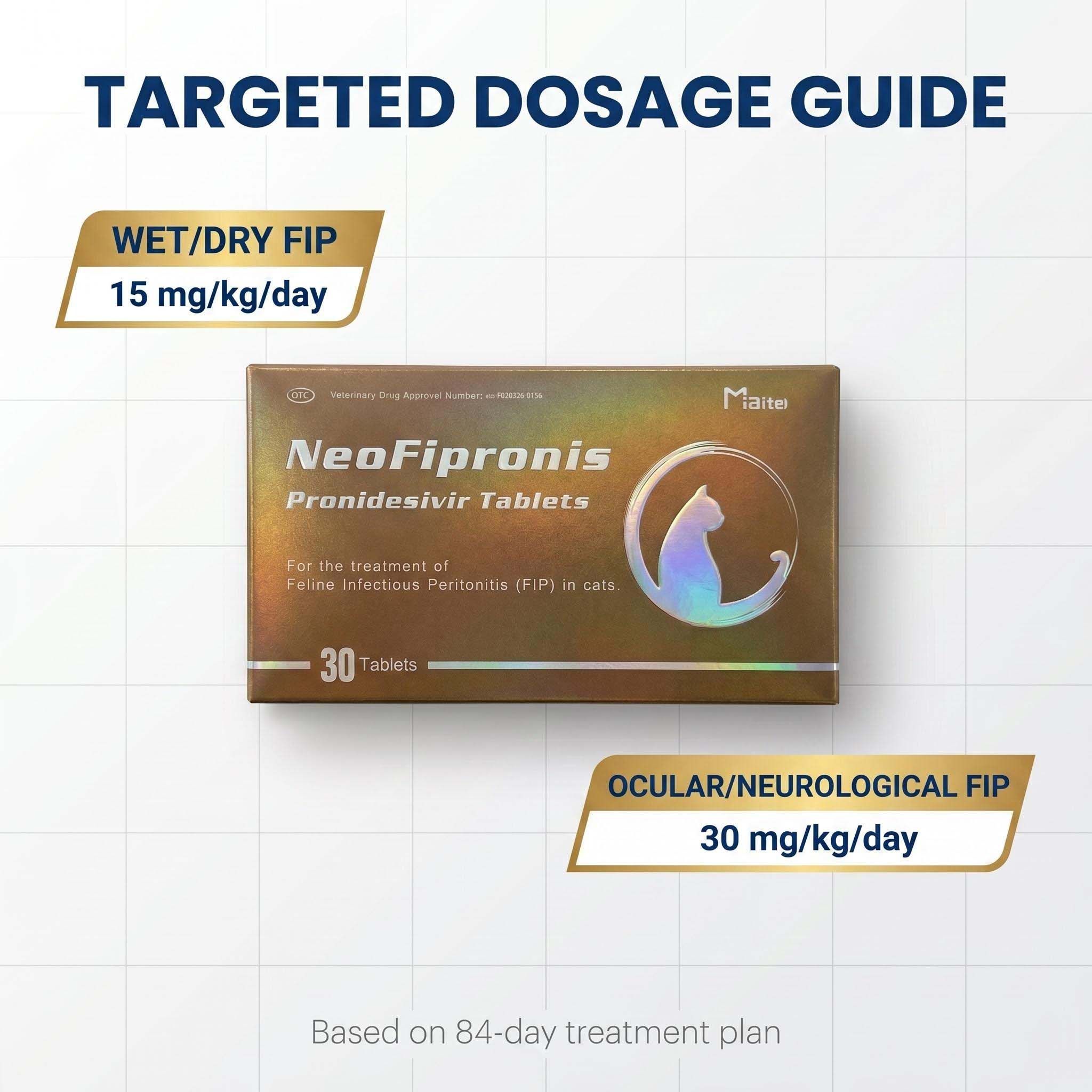
The recommended dosage for NeoFipronis is tailored according to feline weight, set at 15mg per kilogram of body weight daily—roughly half a tablet per dose. For cats exhibiting neurological or ocular forms of FIP, the dosage may be increased to 30mg/kg based on veterinary advice. Administering the medication on an empty stomach—either one hour before meals or two hours after—is suggested to optimize absorption. Treatment duration is generally not less than 12 weeks, emphasizing the importance of adherence to the full course to prevent relapse or resistance.
Safety considerations are paramount when using NeoFipronis. Although it is classified as an over-the-counter medication, its use should ideally be supervised by a veterinarian. During treatment, owners should closely monitor their cats for changes in appetite, body temperature, and behavior. Regular blood tests to check liver and kidney function are recommended to detect any adverse effects early. The most common side effects are mild and include transient gastrointestinal upset or mild elevations in liver enzymes, with serious adverse events being rare.
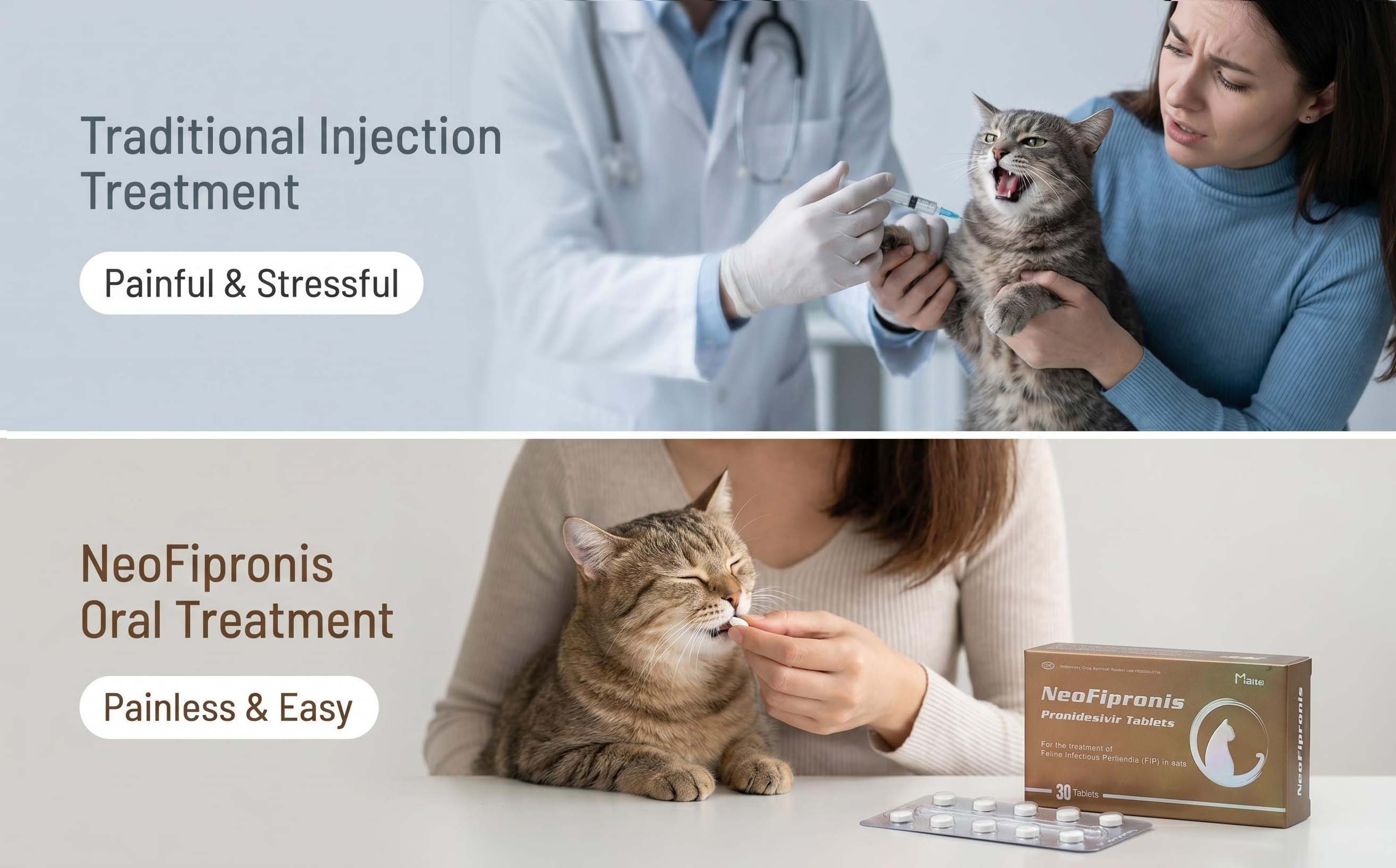
Crucially, NeoFipronis demonstrates excellent tolerability, with rapid absorption and onset of action making it suitable for various clinical scenarios. Its oral administration provides a non-invasive option, improving compliance and comfort for cats. While the medication is primarily for feline use, [owners must avoid human consumption], and products should only be purchased from authorized dealers—consulting the official NeoFipronis website ensures product authenticity and safety.
Despite its promising efficacy, NeoFipronis should be treated as part of a comprehensive FIP management plan, including supportive therapies tailored to each cat's clinical condition. Proper veterinary supervision maximizes the chances of a successful outcome and minimizes potential risks.
In conclusion, NeoFipronis (Pronidesivir) offers a highly effective, safe, and convenient solution for treating FIP, transforming how veterinarians and cat owners approach this once-devastating disease. Proper usage, close monitoring, and adherence to treatment protocols are essential to harness its full therapeutic potential and ensure the health and wellbeing of feline patients.