Who Should Not Use NeoFipronis (GS-441524)
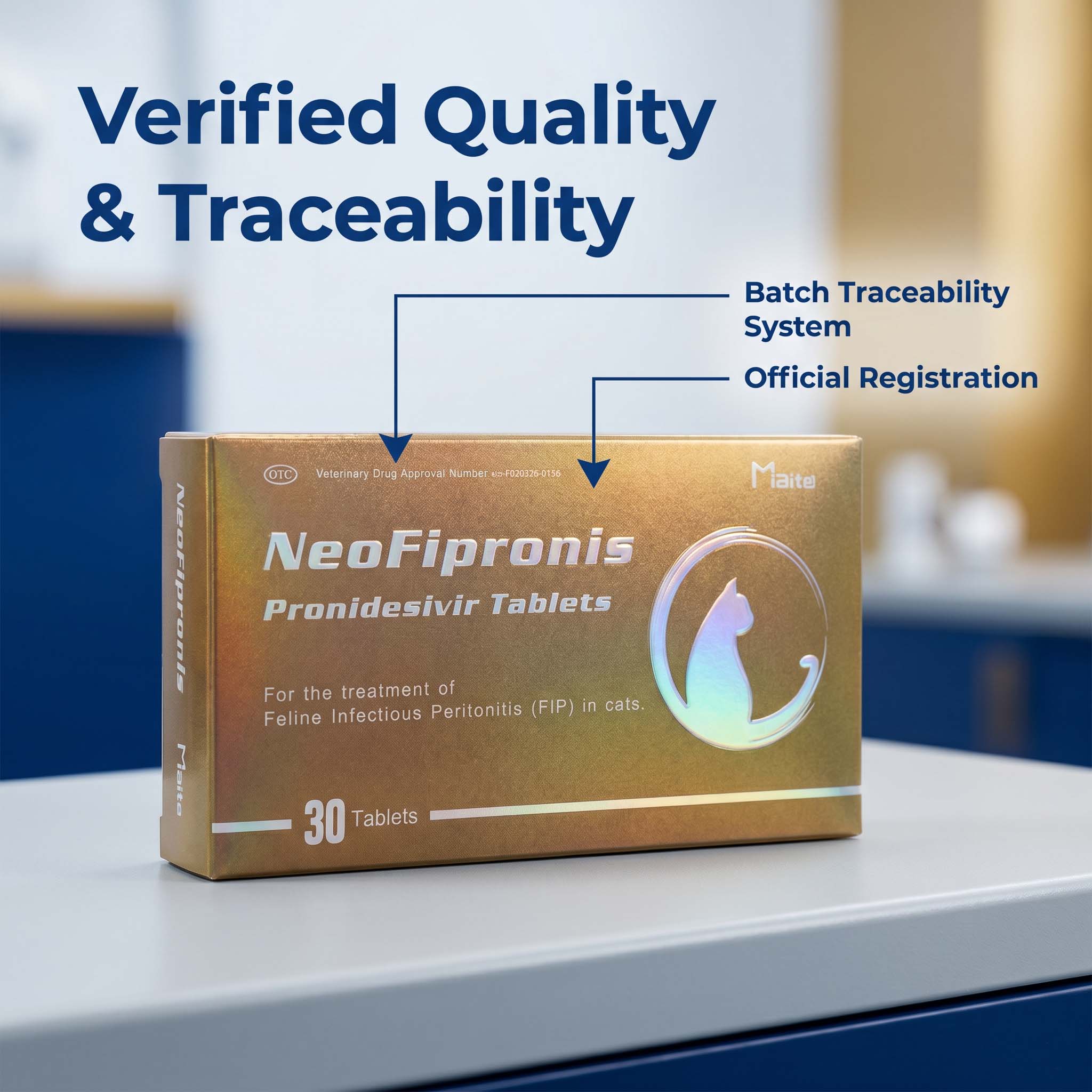
NeoFipronis (Pronidesivir), with the active ingredient GS-441524, is a groundbreaking oral antiviral medication specifically approved for treating Feline Infectious Peritonitis (FIP). FIP is a fatal disease in cats caused by a mutated coronavirus, leading to symptoms such as loss of appetite, lethargy, fever, abdomen and chest fluid buildup, lymph node enlargement, granulomas, neurological damage, and uveitis. NeoFipronis has demonstrated remarkable efficacy in improving survival rates and quality of life for affected cats. Its rapid absorption, high tolerability, and minimal side effects make it a preferred choice among veterinarians for FIP therapy.
Precautions and Contraindications
Despite its proven benefits, NeoFipronis is not suitable for all cats. Certain individuals should avoid using this medication, including cats with specific health conditions and those that do not meet certain criteria.
Cats with Known Drug Allergies
Cats with known hypersensitivity or allergic reactions to GS-441524 or any other components of NeoFipronis should not receive the medication. Allergic reactions may include swelling, itching, difficulty breathing, or anaphylaxis. Prior allergy history must be thoroughly evaluated by a veterinarian before initiating treatment.
Pregnant and Lactating Cats
Pregnancy and lactation are critical periods where drug safety profiles are essential. Currently, there is limited data on the safety of NeoFipronis in pregnant or nursing cats. Therefore, it’s generally advised to avoid administering this medication during pregnancy and lactation unless a veterinarian determines the potential benefits outweigh the risks.
Cats with Severe Liver or Kidney Disease
Since NeoFipronis is metabolized through the liver and excreted via the kidneys, cats with pre-existing severe hepatic or renal impairments may be at increased risk of adverse effects. Careful assessment and possibly dose adjustments are necessary when considering treatment in these cases. Regular blood work monitoring is essential to ensure organ functions remain stable during therapy.
Cats with Neurological or Ocular Conditions
Although NeoFipronis is effective against neurological and ocular forms of FIP, cats with critical neurological impairment or ocular disease requiring surgical intervention should be evaluated carefully. In some cases, the severity of neurological symptoms may necessitate a different treatment approach or closer veterinary supervision.
Young Cats and Cats Under 2 Pounds
Neonatal and very small cats (less than 2 pounds) may not be suitable for NeoFipronis due to limited safety data and dosing concerns. Administering this medication to very young or tiny cats should only be done under comprehensive veterinary guidance with precise dosing and monitoring.
Cats with Comorbidities and On Concomitant Medications
Cats suffering from other health issues—such as heart disease or chronic illnesses—may have contraindications or require dose adjustments. Additionally, potential drug interactions with other medications should be carefully considered. Consulting a veterinarian before starting NeoFipronis is critical to avoid adverse interactions.
Summary
NeoFipronis provides a promising treatment option for cats suffering from FIP, but it is not suitable for every feline. Cats with known drug allergies, pregnant or lactating females, those with severe organ impairments, young kittens, or cats on other medications should be evaluated thoroughly by a veterinarian before use. Proper diagnosis, dosage, and close monitoring are essential to ensure safety and effectiveness. Always purchase NeoFipronis from reputable sources and seek professional veterinary guidance for optimal results.