NeoFipronis Precautions, Benefits, and Risks
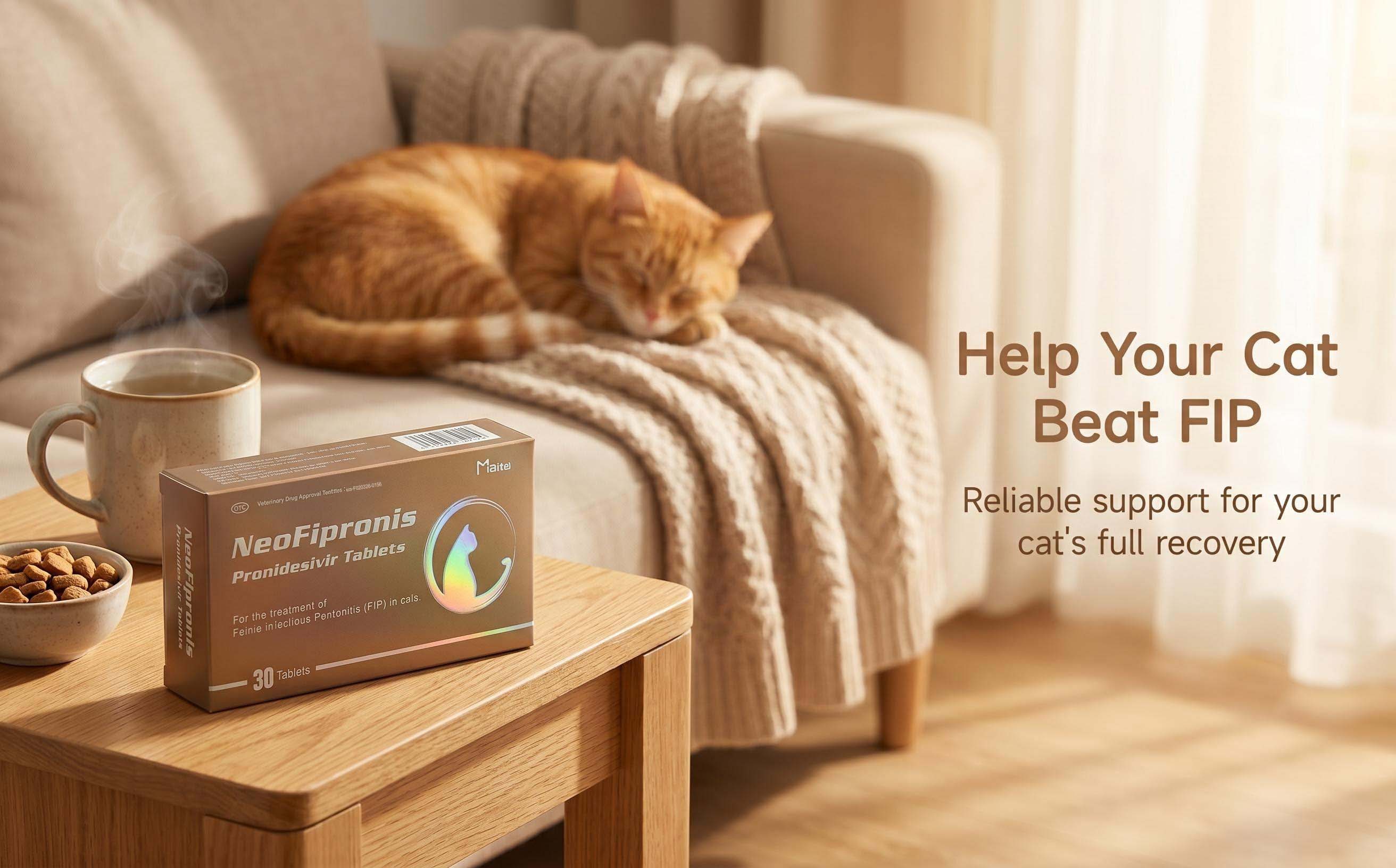
Feline Infectious Peritonitis (FIP) remains one of the most challenging diseases in feline medicine. Caused by a mutated form of feline coronavirus, FIP results in severe symptoms such as loss of appetite, lethargy, fever, abdominal and thoracic effusions, lymphadenopathy, granulomatous inflammation, neurological impairment, and uveitis. Recent advancements in antiviral therapies have introduced NeoFipronis (Pronidesivir), a groundbreaking oral medication with proven efficacy against FIP. This article explores the precautions, benefits, and potential risks associated with NeoFipronis, providing essential information for pet owners and veterinarians.
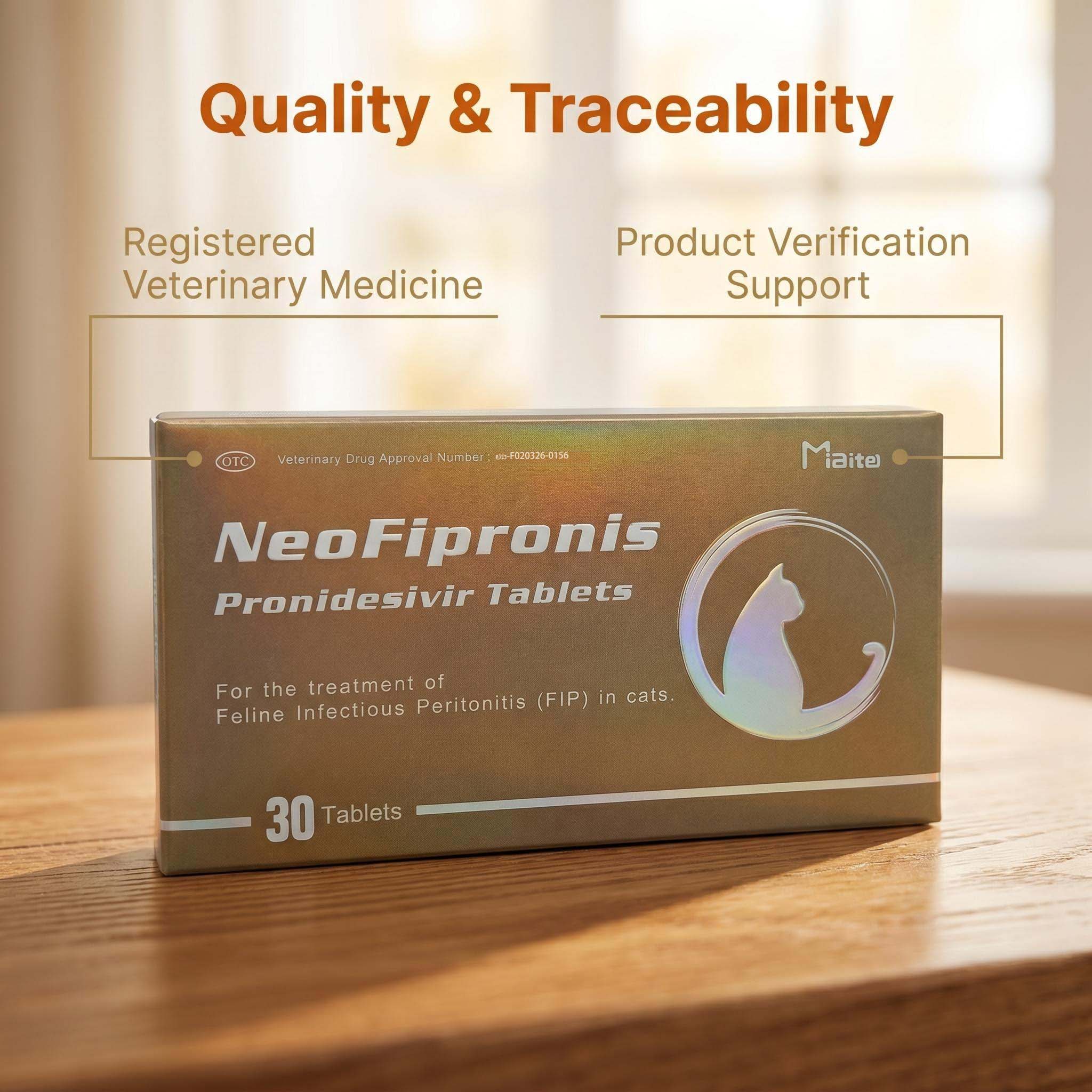
NeoFipronis is the first globally approved oral FIP-specific drug, officially registered by the Laos Ministry of Agriculture and Forestry (MAF) in March 2026. Its active ingredient, GS-441524, is a nucleoside analog that exhibits potent antiviral activity by inhibiting viral RNA synthesis. Clinical studies and extensive research have confirmed its safety profile, rapid onset of action, and high tolerability, making it a significant breakthrough in feline medicine. NeoFipronis is designed to be safe, non-invasive, and easy to administer, offering hope to cats suffering from this often fatal disease.
The administration of NeoFipronis is straightforward. The recommended dosage is 15 mg per kilogram of body weight, roughly half a tablet for most cats. For neurological or ophthalmic FIP cases, veterinarians may prescribe up to 30 mg/kg, tailored individually. It is advised to give the medication on an empty stomach—either one hour before feeding or two hours after—to optimize absorption. The treatment course lasts no less than 12 weeks; discontinuing early can compromise efficacy and lead to relapse. Consistent administration is crucial for successful outcomes, emphasizing the importance of adherence to veterinarian instructions.
Monitoring safety and effectiveness is vital during therapy. Owners should observe their cats closely for changes in appetite, activity levels, and body temperature. Regular veterinary check-ups, including blood tests and liver and kidney function assessments, are recommended to detect any adverse effects early. While NeoFipronis is considered safe, potential side effects—though rare—may include mild gastrointestinal disturbances or transient liver enzyme elevations. In case of any concerns or unusual symptoms, immediate veterinary consultation is necessary.
Despite being an over-the-counter medication, NeoFipronis should ideally be used under veterinary guidance. Proper dosing, adherence to the full treatment schedule, and routine monitoring are essential to maximize benefits and minimize risks. It is crucial to purchase NeoFipronis from reputable sources, such as the official NeoFipronis website, ensuring product authenticity and quality control.
Potential risks include allergic reactions, drug interactions with other medications, or insufficient response if the treatment schedule is disrupted. Cats with pre-existing liver or kidney conditions require special attention, and dosage adjustments may be necessary. Although adverse effects are rare, long-term data are still being gathered, underscoring the importance of professional oversight.
In summary, NeoFipronis (Pronidesivir) is a promising antiviral therapy for FIP, offering a safe, highly effective, and easy-to-administer treatment option. Its benefits include rapid symptom relief, high cure rates, and minimal side effects when used correctly. However, careful attention to precautions, adherence to dosage and treatment duration, and regular veterinary supervision are essential to ensure the best possible outcome for affected cats. By following these guidelines, pet owners can significantly improve the quality of life and prognosis for cats battling this devastating disease.