Is a Distended Abdomen a Common Symptom of FIP
Feline Infectious Peritonitis (FIP) is a devastating disease caused by a mutated feline coronavirus, notorious for its high mortality rate among cats. One of the most visually striking symptoms associated with FIP is the distended abdomen, often alarming to cat owners and veterinary professionals alike. This article thoroughly examines the relationship between a distended abdomen and FIP, exploring its clinical presentation, pathophysiological mechanisms, diagnostic significance, and differentiation from other causes.
Understanding FIP: An Overview
Feline Infectious Peritonitis is triggered by a mutated strain of feline coronavirus that primarily affects young, immunocompromised, or densely housed cats. While the initial infection typically results in mild gastrointestinal symptoms, the mutated virus can provoke an aggressive, immune-mediated response affecting various organs. There are generally two forms of FIP: the effusive (wet) form and the non-effusive (dry) form. The wet form is distinctly marked by the accumulation of fluid within body cavities, while the dry form is characterized by granulomatous lesions in organs and tissues.
Pathophysiology: Why a Distended Abdomen Occurs
The distended abdomen observed in FIP is mainly a consequence of the effusive (wet) variant of the disease. When the feline coronavirus mutates and overwhelms the immune system, it causes widespread inflammation of the blood vessel linings (vasculitis) throughout the body. This process increases vascular permeability, allowing protein-rich fluids to leak from blood vessels into surrounding cavities, especially the abdomen (peritoneal cavity) and occasionally the chest (pleural cavity).
As this fluid (known as effusion) accumulates, the abdomen expands, manifesting as a visibly distended belly. The process is typically gradual, and can sometimes be misinterpreted as weight gain, pregnancy, or digestive disturbance. The fluid is typically straw-colored, sticky, and may contain high levels of protein and white blood cells, which can help differentiate FIP effusion from other types.
Clinical Signs Linked to FIP
While a distended abdomen is a frequently observed symptom, FIP presents with a spectrum of clinical signs depending on whether it is the wet or dry form. Recognizing FIP is a challenge due to its nonspecific symptoms and overlap with other feline diseases.
Common symptoms include:
Persistent fever not responsive to antibiotics
Lethargy and depression
Anorexia and weight loss
Diarrhea and vomiting
Icterus (jaundice)
Neurological disturbances (more common in dry FIP)
Respiratory difficulties, if effusion is present in the chest
Pale mucous membranes
Enlarged lymph nodes
The presence of a distended abdomen, especially when accompanied by fever, lethargy, and anorexia, should prompt a veterinarian to consider FIP in their differential diagnosis, particularly in young, shelter, or multicat environments.
Diagnostic Approach: The Role of Distended Abdomen
Diagnosing FIP is notoriously challenging, as no single test can definitively confirm it without invasive procedures like tissue biopsy. The distended abdomen, when caused by effusive disease, is one of the most helpful clinical signs in narrowing down the cause.
Fluid Evaluation
When a veterinarian observes abdominal distension, the first diagnostic step may be to sample the fluid via abdominocentesis. Lab analysis focuses on the color, viscosity, protein content, and presence of feline coronavirus or its genetic material via PCR. A high-protein, straw-colored fluid with low cellularity often supports a diagnosis of effusive FIP.
Imaging
Ultrasound and radiographs can help visualize the extent of fluid accumulation and search for evidence of granulomatous lesions or organ enlargement. Imaging aids in differentiating FIP from other causes of abdominal distension, such as tumors, hepatic disease, or cardiac failure.
Serological Tests
While serology may indicate exposure to feline coronavirus, it is not specific for FIP. Advanced diagnostic tools, such as the Rivalta test, RT-PCR, and immunohistochemistry, provide further clues but still require interpretation alongside clinical signs.
Differential Diagnoses: Other Causes of Abdominal Distension
Abdominal distension is not exclusive to FIP and may result from numerous conditions in cats:
Ascites due to cardiac or hepatic disease
Neoplasia (tumors)
Pregnancy
Gastrointestinal obstruction
Obesity
Chronic peritonitis from other infections
Veterinarians must consider these possibilities before attributing a distended abdomen to FIP. Comprehensive intake histories, physical examinations, and laboratory diagnostics are critical.
Effusive vs. Non-Effusive FIP: Comparing Clinical Presentations
In wet (effusive) FIP, the hallmark symptom is fluid accumulation leading to abdominal or thoracic distention. In contrast, dry FIP is manifest mainly by the development of pyogranulomas within organs such as kidneys, lymph nodes, eyes, and the central nervous system. Cats with dry FIP rarely exhibit significant abdominal swelling, although exceptions can occur if the granulomas obstruct venous or lymphatic flow.
The distinction between the two is pivotal for prognosis and therapeutic decisions. Effusive FIP typically progresses more rapidly and is more apparent due to the physical swelling, whereas dry FIP often requires advanced imaging and biopsies for confirmation.
Risk Factors for FIP and Distended Abdomen
Certain populations are predisposed to FIP and its effusive form:
Kittens and young adult cats under two years
Cats in multi-cat households, shelters, or catteries
Immunocompromised cats
Purebred cats, especially breeds like Birman, Bengals, and Ragdolls
Understanding risk factors helps veterinarians and caretakers remain vigilant for early signs, with abdominal distension being a key marker in higher risk populations.
Owner Awareness and Home Monitoring
Early recognition of a distended abdomen in a cat can be life-saving. Cat owners should observe their pets for changes in abdominal girth, posture, breathing, and responsiveness. Measuring the abdominal circumference regularly can help monitor subtle changes. Noting concurrent signs—such as loss of appetite, lethargy, and persistent fever—should prompt immediate veterinary attention.
Photographs and records of abdominal changes can aid veterinarians in tracking disease progression. Owners should not attempt to aspirate fluid or administer medications without professional guidance, as improper intervention may cause harm.
Therapeutic Interventions: What to Expect
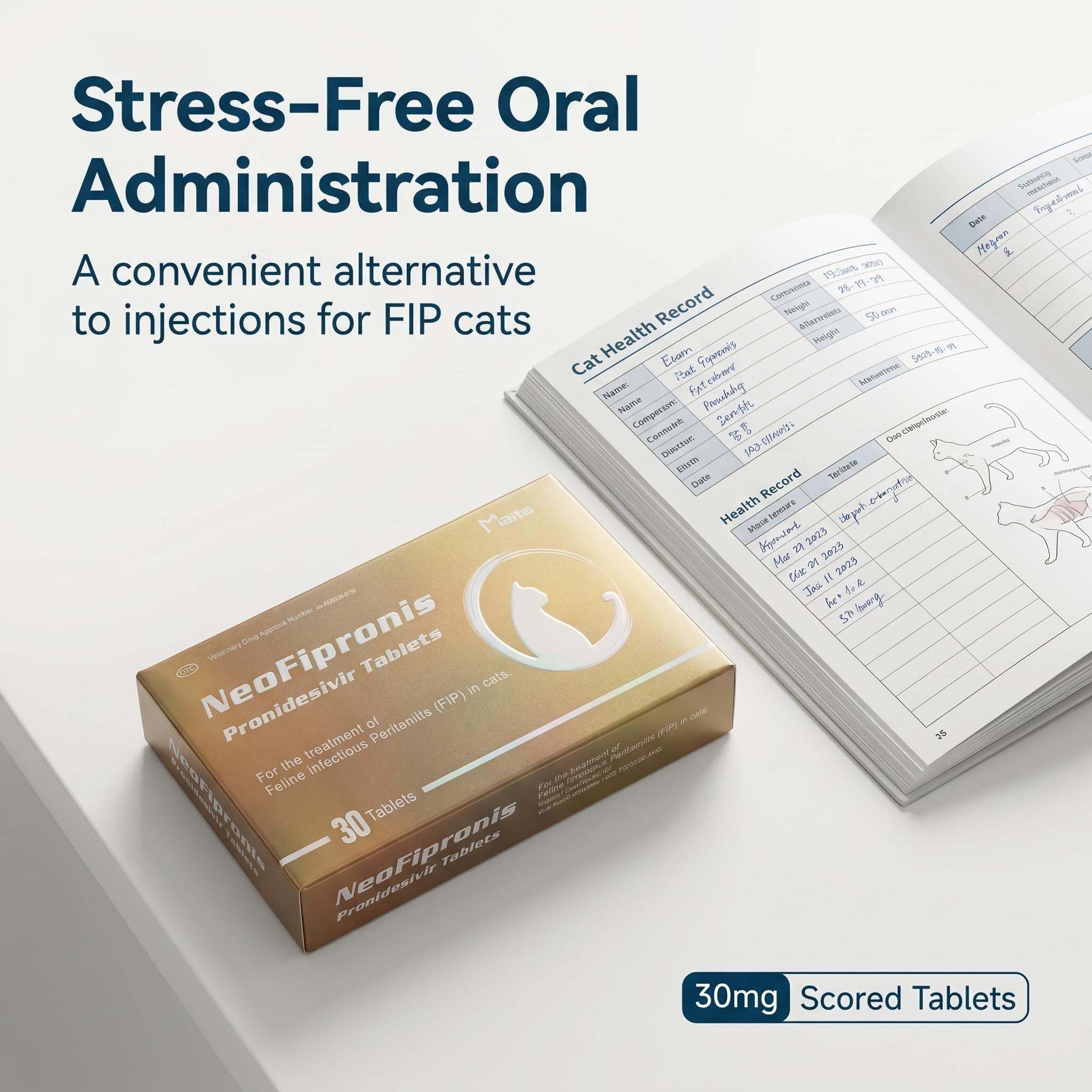
Historically, FIP was considered untreatable, with supportive care being the only option. Research breakthroughs have changed the treatment landscape, specifically the use of antiviral drugs such as GS-441524 and remdesivir. These drugs, though costly and sometimes used off-label, can dramatically improve outcomes for FIP cats when started early.
For effusive FIP, treatment rapidly dries up excessive fluid within weeks
Supportive therapy includes pain management, appetite stimulants, and fluid removal in cases of severe discomfort or respiratory compromise
Close monitoring helps track abdominal size, weight, and fluid volume
Veterinary follow-up includes repeated fluid analysis and imaging to assess response to therapy.
Prognosis and Long-Term Outcomes
The prognosis for FIP has improved, especially for cats with wet FIP started on antiviral therapy early in the disease process. Cats with advanced abdominal distension and concurrent systemic illness typically have a more guarded prognosis. Quality of life metrics, frequency of abdominal distension recurrence, and general activity levels guide further therapeutic decisions.
Advances in Research: Future Directions
Emerging studies focus on early detection of effusion and abdominal distension using novel biomarkers and imaging modalities. Artificial intelligence and machine learning are being integrated to analyze medical images for more accurate diagnosis. Ongoing pharmaceutical research is investigating next-generation antivirals that may prevent fluid accumulation altogether.
FIP remains a prominent focus in feline medicine, with ongoing studies aiming to reduce incidence, enhance early detection, and improve therapeutic options for cats presenting with distended abdomen.
Preventative Measures
Preventing FIP is not straightforward due to the ubiquitous nature of feline coronavirus. Nevertheless, minimizing stress, overcrowding, and unnecessary mixing of cat populations can reduce disease risk. Regular health checks focusing on weight, abdominal contour, and overall behavior are prudent.
Key Takeaways for Cat Owners and Veterinarians
A distended abdomen is one of the hallmark symptoms of effusive FIP but may be overlooked amidst milder clinical signs. Early detection through physical exams and fluid analysis is paramount for successful intervention. While unspecific, abdominal distension in a high-risk cat population should alert veterinarians to the possibility of FIP, especially when supported by fever, lethargy, and anorexia.
Collaborative efforts among pet owners, veterinarians, and researchers continue to push the boundaries of FIP understanding, offering hope and improved outcomes for affected cats.
References
1. Pedersen, N. C. (2014). An update on feline infectious peritonitis: virology and immunopathogenesis. Veterinary Journal, 201(2), 133-141.
2. Kipar, A., & Meli, M. L. (2014). Feline infectious peritonitis: still an enigma? Veterinary Pathology, 51(2), 505-526.
3. Addie, D. D., & Jarrett, O. (1992). Feline coronavirus antibodies in cats. Veterinary Record, 131(8), 178-179.
4. Hartmann, K. (2005). Feline infectious peritonitis. Veterinary Clinics of North America: Small Animal Practice, 35(1), 39-79.
5. Barker, E. N., Tasker, S., Gruffydd-Jones, T. J., Tuplin, C. K., Burton, K., Porter, E., ... & Dean, R. S. (2017). Determining prognosis in feline infectious peritonitis: a literature review. Veterinary Record, 181(8), 203-212.
6. Izes, A. M., Dhand, N. K., Spooner, R. K., & Barrs, V. R. (2020). Disease severity and outcome of cats with feline infectious peritonitis: a literature review and meta-analysis. Journal of Feline Medicine and Surgery, 22(6), 502-519.
7. Felten, S., & Hartmann, K. (2019). Diagnosis of feline infectious peritonitis: a review of the current literature. Viruses, 11(11), 1068.
8. Murphy, B. G., & Papich, M. (2020). Antiviral therapies for feline infectious peritonitis: current perspectives. Veterinary Journal, 265, 105570.
9. Dempsey, S. M., & Ewing, P. J. (2011). A review of the diagnosis and management of feline infectious peritonitis. Veterinary Medicine: Research and Reports, 2, 55-59.
10. Levy, J. K., & Edinboro, C. H. (2000). Feline coronavirus infections in cats. Journal of Feline Medicine and Surgery, 2(3), 113-119.