Under What Circumstances Should FIP Be Strongly Suspected

Feline Infectious Peritonitis (FIP) remains one of the most enigmatic and devastating diseases affecting the domestic cat population globally. In the United States, FIP is drawing increasing concern in veterinary medicine due to its often-fatal progression and diagnostic challenges. As cat adoption continues to rise, both practitioners and pet owners seek clearer guidelines to identify FIP early. Understanding the precise circumstances under which FIP should be strongly suspected is crucial for timely intervention, efficient diagnostics, and the optimization of care. This article provides a comprehensive guide to recognizing both classical and atypical presentations of FIP, with detailed attention to clinical, laboratory, and environmental contexts seen in American veterinary practice.
FIP: Disease Overview
FIP is caused by a mutation within the feline coronavirus (FCoV). While the common enteric form of FCoV typically results in mild gastrointestinal symptoms, a virulent strain arises unexpectedly, often years after initial infection. This mutated virus targets monocytes and macrophages, resulting in a destructive inflammatory response. FIP exists in two primary forms: "effusive" (wet) and "non-effusive" (dry). Recognizing the early stages of both types is essential, as clinical signs often overlap with other conditions.
Core Risk Factors for FIP Development
FIP does not affect all cats exposed to FCoV. There are specific circumstances in which suspicion for FIP should be significantly heightened. Key risk factors include:
Age: The majority of FIP cases occur in cats less than 2 years old, with the highest incidence in kittens aged 6 to 18 months.
Origin: Cats from shelters, rescues, or multicat households are at increased risk, due to higher transmission rates of FCoV.
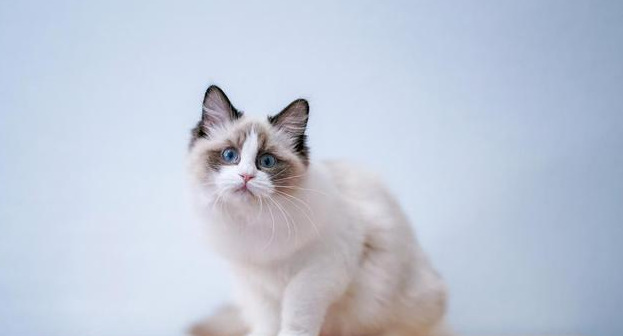
Breed Susceptibility: Purebred cats, especially Bengals, Abyssinians, and Ragdolls, display a higher prevalence.
Recent Stress: Major changes in environment, surgery, or concurrent illness may contribute to viral mutation and clinical manifestation.
Prior History: Cats that have recently experienced viral infections, or those chronically exposed to crowded settings.
Any combination of these factors, particularly in a young, purebred, shelter-origin cat, immediately prioritizes FIP in the differential diagnosis.
Clinical Signs: When to Suspect FIP
Recognizing FIP requires vigilance and awareness of its protean manifestations. Circumstances that should raise strong suspicion include:
Persistent Fever: Unresponsive to antibiotics or typical anti-infective treatments, fever is found in over 95% of FIP cases.
Weight Loss and Lethargy: Subtle at first but rapidly progressive as the disease advances.
Fluid Accumulation: Effusive FIP often presents with dramatic abdominal distention or thoracic effusion, causing difficulty breathing.
Ocular Changes: Non-effusive FIP may manifest initially with anterior uveitis or retinal vessel lesions; fundic examination is revealing.
Neurological Deficits: Ataxia, seizures, or increased vocalization suggest possible central nervous system involvement.
Organomegaly: Enlargement of liver, spleen, or lymph nodes, especially in young cats with malaise.
When any of these signs appear in a high-risk population, especially in the context of poor response to standard therapy, FIP should be considered a probable diagnosis.
Effusive (Wet) FIP: Distinct Circumstances
The wet form is most easily recognized, presenting with rapid fluid accumulation in the body cavities. Precipitating circumstances include:
Sudden Abdominal Swelling: Often misattributed to obesity or ascites of other causes, this is a hallmark sign in rapidly worsening cases.
Dyspnea: Collapse of lungs due to pleural effusion leads to open-mouth breathing and severe distress.
Cutaneous Flaring: Less common but indicative of severe vascular permeability.
Yellow-Tinged Fluid: Analysis of the abdominal or thoracic fluid shows high protein content (>3.5 g/dL) and straw-yellow color, with few cells.
Any new onset of effusion, without obvious heart or liver disease, should pivot diagnostic efforts toward FIP, especially in young cats.
Non-Effusive (Dry) FIP: Subtle Circumstances
Dry FIP is insidious, with less overt indicators:
Persistent Lymphadenopathy: Enlargement of specific abdominal lymph nodes, often not detectable without imaging.
Chronic Eye Disease: Uveitis unresponsive to corticosteroids or antibiotics frequently accompanies non-effusive presentations.
Behavioral Changes: Unexplained aggression, anxiety, reluctance to move, or compulsive grooming may be early clues.
Neurological Presentation: When seen in conjunction with other multi-systemic signs, particularly after stress or vaccination.
Weight Loss Without Appetite Loss: Cats may continue eating well but lose weight rapidly.
Veterinarians should maintain a high index of suspicion with vague but persistent multi-organ symptoms in young or at-risk cats.
Diagnostic Laboratory Findings: Key Circumstances
Laboratory tests remain a mainstay for raising suspicion. Circumstances that should intensify the FIP diagnostic process include:
Hyperglobulinemia: Serum globulin levels exceeding 5 g/dL, especially in combination with low albumin.
Albumin:Globulin Ratio: Ratios below 0.8 are highly suggestive.
Leukocytosis: Mild to moderate, occasionally masked by concurrent stress.
Lymphopenia: Often present, especially in more advanced disease.
Non-Regenerative Anemia: Progressive despite nutritional support.
Biochemical Disturbance: Elevated bilirubin, ALT, and total protein.
Fluid Analysis: Rivalta test positive; high protein, low cellular content in effusive cases.
These findings, particularly in combination, obligate strong consideration of FIP, especially when clinical signs are compatible.
Imaging and Ancillary Tests
Veterinary radiology and ultrasonography provide crucial clues:
Ultrasound: Circumstances such as abdominal fluid, organomegaly, and lymphadenopathy in a sick young cat, especially without infectious disease or cancer.
Radiography: Detection of thoracic or abdominal effusion.
Ophthalmologic Imaging: Identification of retinal vessel changes, exudates, or gross inflammation.
When imaging exposes otherwise unexplained multi-systemic findings, FIP moves to the top of the diagnostic list.
When FIP Should Be Suspected in Everyday American Practice
In a typical American veterinary clinical setting, FIP should be considered under these circumstances:
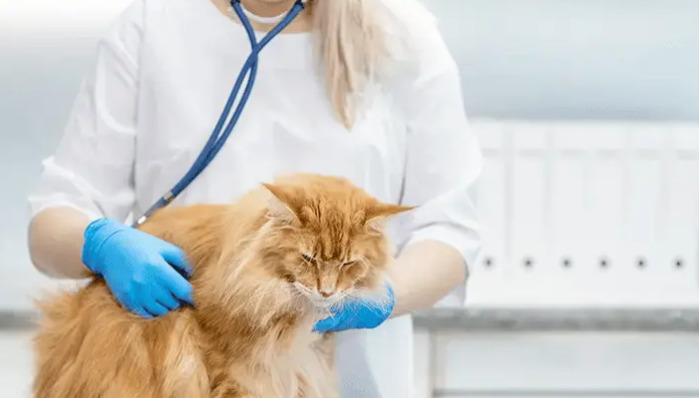
Shelter or Rescue Cat Intake: Any new adopter bringing home a young, recently spayed/neutered, and formerly group-housed cat with malaise or fever.
Purebreds with Vague Illness: Young Bengals, Ragdolls, or other high-risk breeds presenting with persistent, nonspecific signs.
Post-Vaccination or Stress Events: Febrile or lethargic cats within weeks following adoption, surgery, or significant life change.
Failure to Respond: Any case not improving after conventional antimicrobial or anti-inflammatory therapy.
Multiple Household Cases: Especially when cats present with similar syndromes; FIP may not be contagious but underlying stress or exposure can provoke simultaneous outbreaks.
Routine screening and vigilant monitoring of these high-risk groups is advised.
Differential Diagnosis: Distinguishing FIP from Mimics
Many feline diseases mimic FIP. Circumstantial red flags include:
Negative Infectious Panels: When other bacterial, viral, or fungal causes are excluded.
Autoimmune Indicators: FIP may appear similar to immune-mediated disease, especially when typical treatments fail.
Unexplained Systemic Illness: Chronic liver, kidney, or central nervous system signs without a clear origin.
Early differentiation depends on clinical suspicion paired with thorough exclusion of other diseases.
Epidemiological Context: American Trends
In the United States, FIP is most frequently identified in shelters and crowded urban environments. Circumstances that elevate suspicion are tied to:
Regional Outbreaks: Notable surges in certain shelters or cities.
Seasonal Adoption Peaks: Increased cases following holidays and summer adoption events.
Breed Trends: Growing FIP incidence paralleling popularity of certain purebreds.
Awareness of these situational risk factors enables veterinarians to anticipate increased cases and employ screening measures proactively.
Genetic and Immunological Predispositions
Emerging research shows some cats are genetically vulnerable. Circumstantial cues include:
Family History of FIP: Littermates or related individuals with prior FIP diagnosis.
Known Immunodeficiency: Cats diagnosed with breed-specific immune disorders.
Practitioners should advise heightened vigilance in breeders and adoption programs with known FIP pedigrees.
Role of Owner Observation and Reporting
American pet owners are often the first to notice subtle changes. Circumstances where owner input is vital:
Detailed Home Observation: Changes in sleep, grooming, eating, or behavior.
Medication Response Tracking: Owners noting lack of improvement after antibiotics or steroids.
Environmental Stressors: Informing veterinarians of recent moves, introductions of new pets, or disruptions.
Encouraging owners to report persistent or unusual symptoms can facilitate earlier diagnosis and more effective care.
Management and Treatment Implications
Strong suspicion of FIP dramatically alters clinical management:
Isolation: To limit potential feline coronavirus shedding.
Aggressive Supportive Care: Planning for nutritional and symptomatic support while diagnostics proceed.
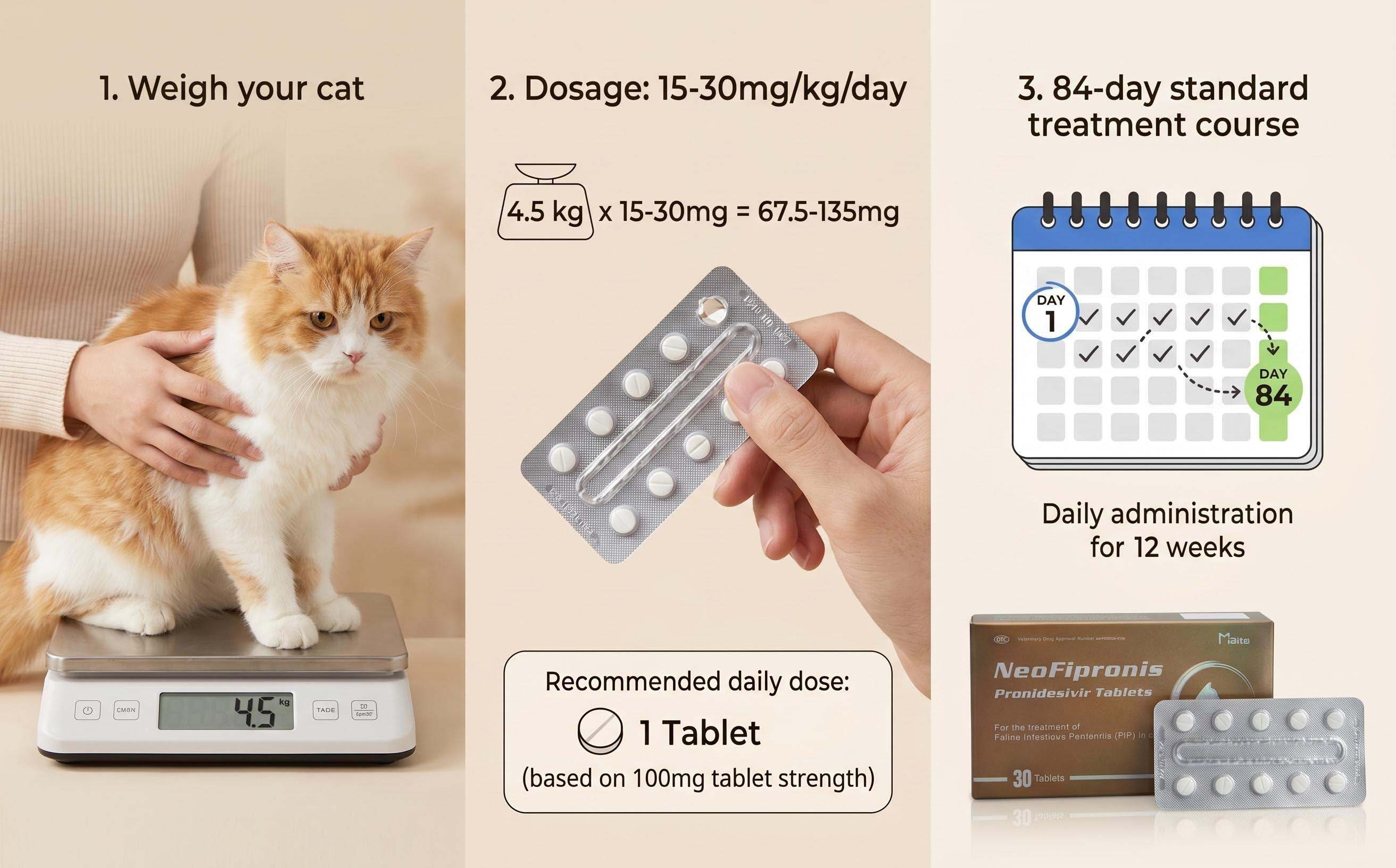
Early Antiviral Initiation: Use of novel antivirals or compassionate-use drugs, best begun before clinical crisis.
Client Counseling: Honest discussion about prognosis and available treatment options.
When circumstantial suspicion is high, rapid decision-making can improve treatment outcomes and quality of life.
Conclusion
Clinical vigilance for FIP under the outlined circumstances remains imperative in contemporary American veterinary practice. By integrating risk factors, clinical signs, laboratory findings, imaging, and epidemiological context, practitioners can identify FIP promptly, initiate appropriate treatments, and counsel owners effectively.
References
1. Pedersen NC. A review of feline infectious peritonitis virus infection: 1963-2008. J Feline Med Surg. 2009;11(4):225-258.
2. Addie DD et al. Feline coronavirus in multisource populations: evaluation of diagnostic tests for FIP. Vet Microbiol. 2019;230:12-20.
3. Hartmann K. Feline infectious peritonitis. Vet Clin North Am Small Anim Pract. 2005;35(1):39-79.
4. Barker EN et al. Recent advances in understanding feline infectious peritonitis. Vet Rec. 2017;181(16):429-433.
5. Felten S, Hartmann K. Diagnosis of feline infectious peritonitis: a review of available methods and interpretation of results. J Feline Med Surg. 2019;21(3):221-235.
6. Fish EJ, Dodd KA. Feline infectious peritonitis: new diagnostic and therapeutic approaches. Vet Clin North Am Small Anim Pract. 2020;50(5):1005-1022.
7. American Association of Feline Practitioners. FIP: Guidelines and Best Practices. https://catvets.com/guidelines/fip Accessed June 2023.
8. US Centers for Disease Control and Prevention. Disease reference: Feline infectious peritonitis. https://www.cdc.gov/fip/ Accessed June 2023.