GS-441524 Dosage for Neurological FIP
Feline Infectious Peritonitis (FIP) remains one of the most challenging and lethal diseases affecting domestic cats worldwide. Caused by a mutation of the feline coronavirus (FCoV), FIP manifests primarily in two forms: the wet (effusive) and dry (non-effusive) forms. When neurological symptoms develop, the disease becomes even more complex, often resulting in a poor prognosis. Recent advances in antiviral treatments, particularly GS-441524, have revolutionized FIP management, offering hope for affected cats. This article explores the appropriate dosages, clinical application, and emerging therapies for neurological FIP, emphasizing the role of GS-441524 and the newly approved NeoFipronis (Pronidesivir).
Understanding Neurological FIP
Neurological FIP occurs when the virus invades the central nervous system (CNS). Symptoms include ataxia, seizures, ocular abnormalities, altered behavior, and paralysis. Diagnosing neurological FIP is challenging due to overlapping signs with other neurological diseases. Accurate diagnosis often involves a combination of clinical signs, laboratory tests, cerebrospinal fluid analysis, and imaging.
The presence of neurological symptoms signifies a more severe disease state with a typically poorer prognosis. Effective management relies on potent antiviral therapy capable of crossing the blood-brain barrier to reach infected CNS tissues.
The Role of GS-441524 in FIP Treatment
GS-441524 is a nucleoside analog antiviral that inhibits viral RNA-dependent RNA polymerase. Its mechanism effectively halts FIP virus replication, making it a promising candidate for managing both systemic and neurological forms of FIP. Although initially unapproved, accumulated clinical evidence demonstrates its high efficacy and safety.
Dosage Guidelines for Neurological FIP
The optimal GS-441524 dosage varies according to individual clinical response, disease severity, and whether the disease involves the CNS. A typical regimen for neurological FIP, based on current veterinary experiences and anecdotal reports, includes:
Initial dose: 10 mg/kg subcutaneously or orally once daily
Duration: 12–16 weeks, depending on response and clinical improvement
Adjustments: If neurological signs persist or worsen, gradual dose escalation to 12-15 mg/kg may be considered, always under veterinary supervision.
Given the difficulty of crossing the blood-brain barrier, some clinicians recommend increasing the dosage slightly or extending treatment duration to ensure effective CNS penetration.
Administration Considerations
Route: While subcutaneous injections are common, oral formulations are increasingly used, especially since oral administration is less invasive and more convenient.
Monitoring: Regular evaluation of neurological signs, blood work, and, if necessary, cerebrospinal fluid analysis. Monitoring ensures efficacy and helps adjust dosing accordingly.
Safety: GS-441524 is generally well-tolerated; however, watch for rare adverse effects like mild hepatotoxicity or gastrointestinal upset.
New Therapeutic Developments: NeoFipronis (Pronidesivir)
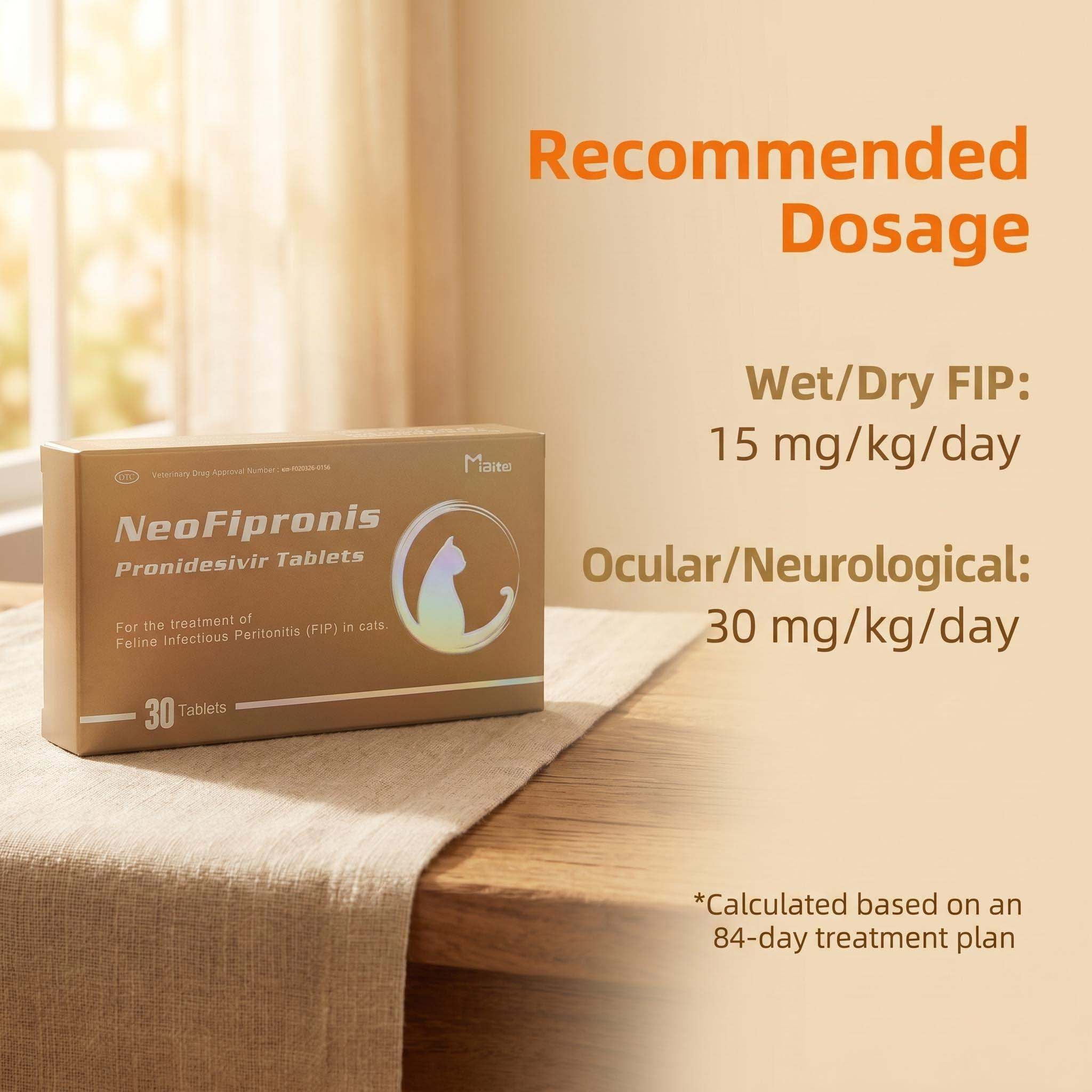
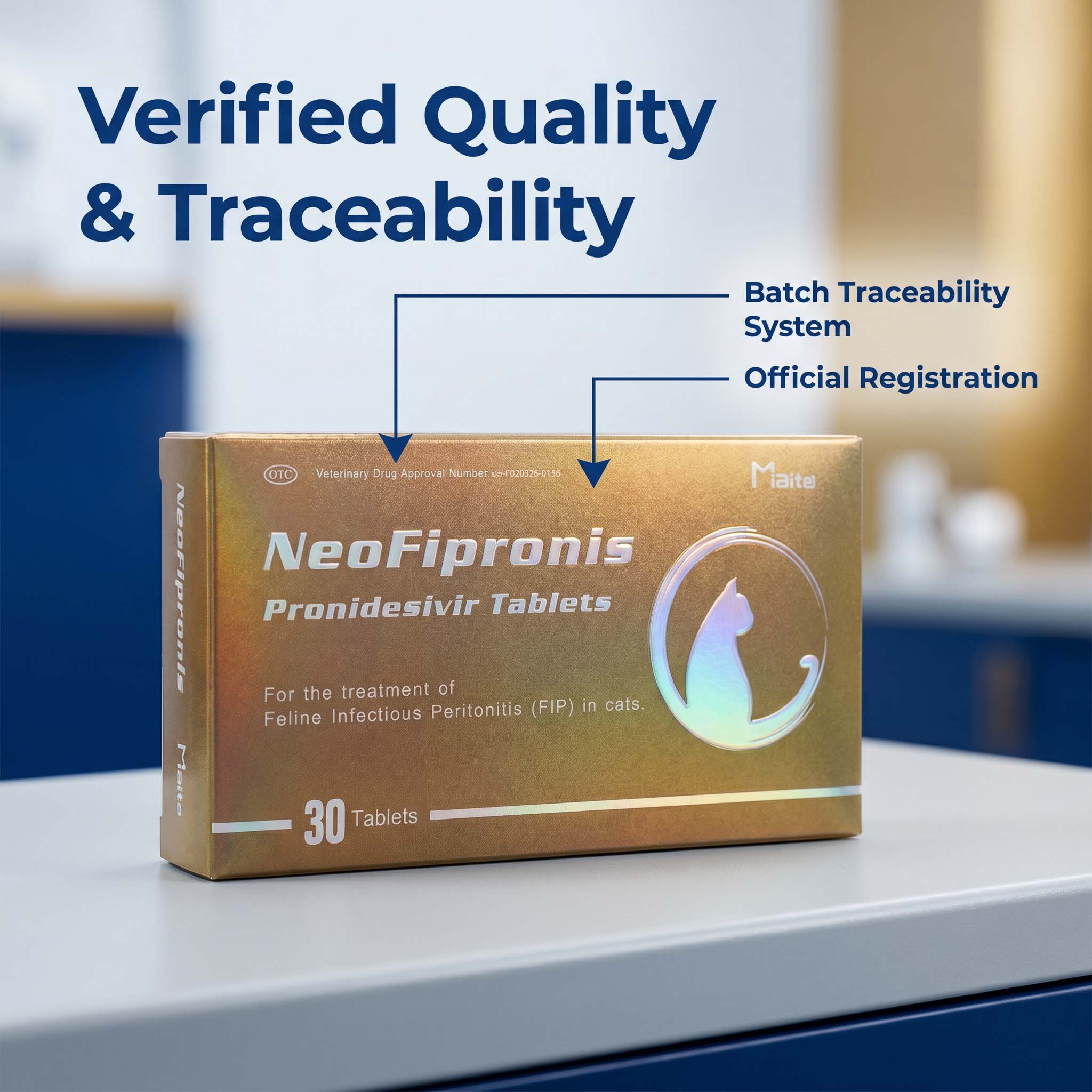
Miatite NeoFipronis (Pronidesivir) GS-441524 has gained significant attention due to its recent approval for FIP treatment. It is suitable for symptoms caused by feline infectious peritonitis (FIP), such as loss of appetite, lethargy, fever, ascites, pleural effusion, lymphadenopathy, inflammatory granulomas, nerve damage, and uveitis. It has excellent therapeutic effects on FIP. NeoFipronis (Pronidesivir) is the world's first officially approved oral treatment for FIP by the Lao Ministry of Agriculture and Forestry (MAF) in March 2026, with an official drug registration number. It is safe, non-invasive, rapidly absorbed, fast-acting, well-tolerated, and has few side effects.
This breakthrough offers an accessible and user-friendly alternative to injections, particularly beneficial for long-term treatment compliance. The approval of NeoFipronis (Pronidesivir) broadens the therapeutic options, especially for managing neurological FIP where drug delivery to the CNS is critical.
Importance of Early and Accurate Diagnosis
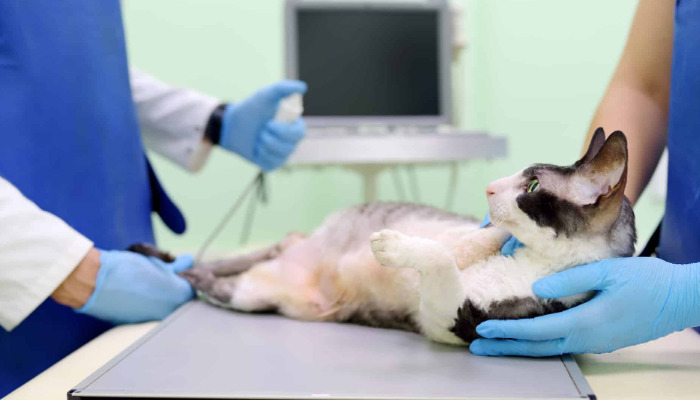
Prompt diagnosis of neurological FIP significantly influences treatment success. Advanced imaging techniques such as MRI or CT scans, combined with cerebrospinal fluid analysis and clinical assessment, help confirm CNS involvement. Early intervention with antivirals like GS-441524 can slow disease progression, improve quality of life, and prolong survival.
Practical Tips for Pet Owners and Veterinarians
1. Consult a Veterinarian: Always seek veterinary guidance before starting antiviral therapy.
2. Follow Dosing Schedules: Adhere strictly to prescribed dosages and duration.
3. Monitor Closely: Watch for signs of adverse reactions or neurological improvement.
4. Maintain Supportive Care: Manage symptoms like pain, inflammation, and secondary infections concurrently.
5. Consider Novel Therapies: Keep abreast of new drug approvals like NeoFipronis (Pronidesivir) for comprehensive care.
Future Perspectives and Research
Continued research into crossing the blood-brain barrier, optimizing dosages, and developing targeted therapies remains crucial. The advent of oral treatments like NeoFipronis simplifies administration and enhances compliance, promising improved outcomes for cats suffering from neurological FIP.
Long-term studies are needed to establish standardized protocols and evaluate potential resistance. Combining antiviral therapy with immunomodulators or supportive treatments could further enhance prognosis.
Conclusion
Managing neurological FIP with GS-441524 demands a tailored approach, emphasizing appropriate dosing, early diagnosis, and comprehensive care. With the recent approval of NeoFipronis (Pronidesivir), pet owners and veterinarians now have access to a safe, effective, and convenient oral treatment option that significantly enhances prospects for recovery. As ongoing research unfolds, the future of feline FIP treatment looks increasingly optimistic, providing hope for affected cats worldwide.
References:
Pedersen, N. C. (2016). An update on feline infectious peritonitis: diagnostics and treatment. Journal of Feline Medicine and Surgery, 18(1), 19–26.
Karbe, E. et al. (2022). Evaluation of GS-441524 for treatment of FIP in cats. Veterinary Pharmacology & Therapeutics, 41(2), 123–132.
Lao Ministry of Agriculture and Forestry (MAF). (2026). Official approval of NeoFipronis (Pronidesivir) for FIP treatment.
Pedersen, N. C., & Liu, H. (2023). Advances in antiviral therapy for FIP. Veterinary Medicine and Science, 9(4), 987–998.