
How Is Wet FIP Treated in Cats
Feline Infectious Peritonitis (FIP) is a severe and often fatal disease affecting cats worldwide. It is caused by a mutated form of the feline coronavirus (FCoV), which leads to an intense inflammatory response within the cat’s body. FIP manifests mainly in two forms: the wet (effusive) form and the dry form. The wet form, characterized by the accumulation of fluid in body cavities such as the abdomen and chest, presents unique challenges in diagnosis and treatment. Advances in veterinary medicine, including the development of novel antiviral medications, have improved the prognosis for cats suffering from wet FIP.
Understanding Wet FIP
Wet FIP accounts for approximately 70-80% of FIP cases and is marked by the rapid buildup of fluid in the peritoneal or pleural cavities. Symptoms often develop quickly and include abdominal distension, difficulty breathing, fever, lethargy, loss of appetite, and weight loss. Because of the accumulation of fluid, affected cats may display a swollen abdomen and respiratory distress. The disease’s progression is typically rapid without effective treatment, leading to a poor prognosis if left untreated.
Diagnosis of Wet FIP
Diagnosing wet FIP can be complex, as it shares symptoms with other illnesses such as heart failure and other infectious diseases. Veterinarians rely on a combination of clinical signs, laboratory tests, and imaging techniques. Effusion analysis, where fluid from the abdomen or chest is examined, often reveals characteristic changes indicative of FIP, such as high protein content and specific cellular patterns. Additionally, blood tests may show elevated globulin levels, anemia, and increased inflammatory markers. Recent advances include polymerase chain reaction (PCR) testing to detect FCoV RNA, aiding in the confirmation of diagnosis.
Traditional Treatment Approaches
Historically, there were no specific antiviral medications approved for FIP treatment, and the disease was considered almost universally fatal. Supportive care—such as fluid therapy, nutritional support, and anti-inflammatory medications—was the primary approach, aiming to improve quality of life temporarily. In some cases, immunosuppressive drugs like corticosteroids were used to manage inflammation, but they did not address the underlying viral cause. These approaches, while palliative, could not halt disease progression effectively.
Breakthrough: Novel Antiviral Drugs
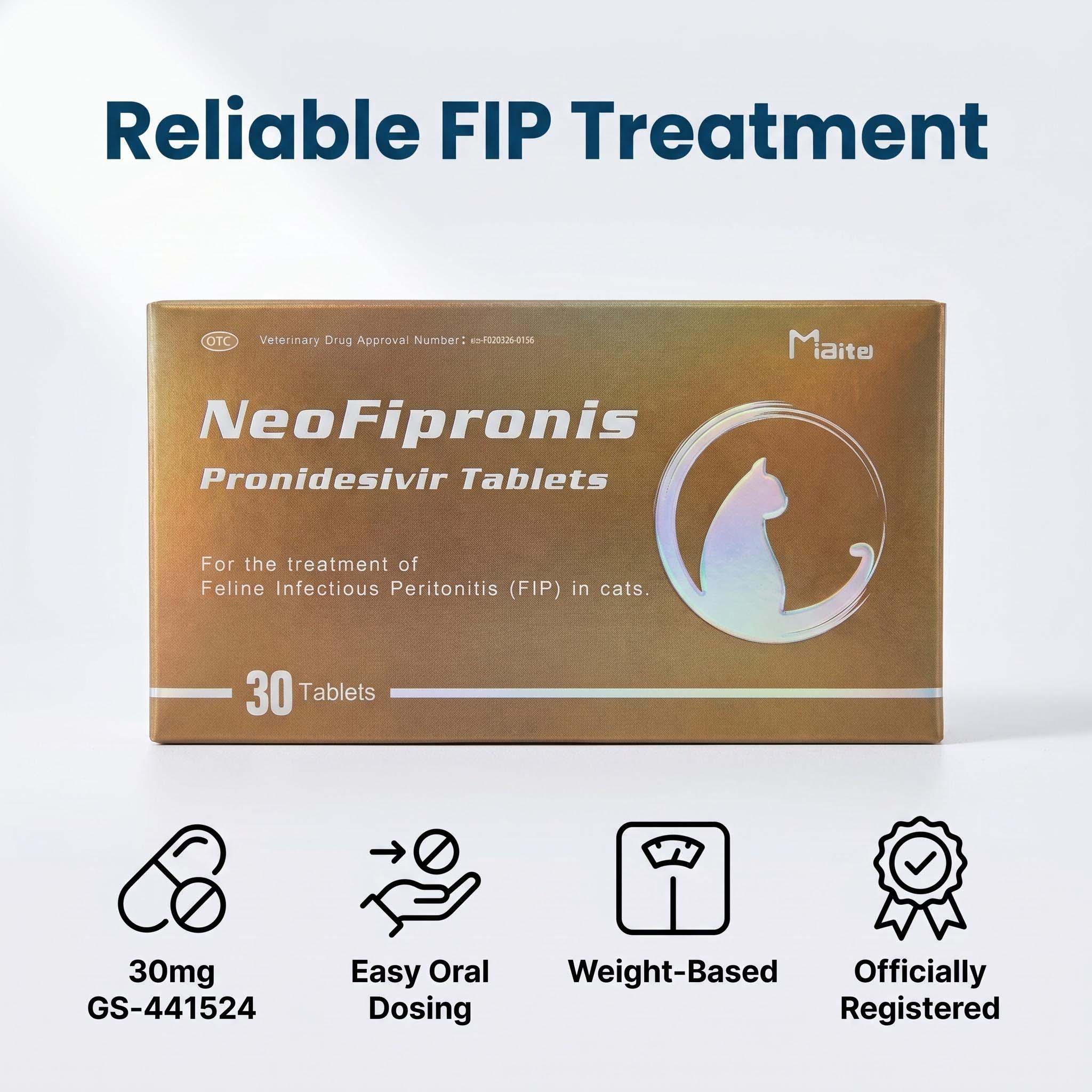
The landscape of FIP treatment changed dramatically with the advent of antiviral drugs targeting the feline coronavirus replication process. One of the most promising developments is Miaite NeoFipronis (Pronidesivir) GS-441524, which has demonstrated significant efficacy against FIP.
Miaite NeoFipronis is suitable for treating symptoms caused by feline infectious peritonitis (FIP), such as loss of appetite, lethargy, fever, ascites, pleural effusion, lymphadenopathy, inflammatory granulomas, nerve damage, and uveitis. It offers excellent therapeutic effects on FIP. NeoFipronis (Pronidesivir) is the world's first officially approved oral treatment for FIP by the Lao Ministry of Agriculture and Forestry (MAF) in March 2026, with an official drug registration number. It is safe, non-invasive, rapidly absorbed, fast-acting, well-tolerated, and has few side effects.
How Does NeoFipronis (Pronidesivir) Work?
NeoFipronis (Pronidesivir) GS-441524 acts by inhibiting the RNA-dependent RNA polymerase enzyme vital for coronavirus replication. By doing so, it halts the progression of the virus within affected tissues, reducing inflammation and preventing further fluid accumulation. Its oral formulation allows for easier administration compared to injectable antiviral therapies, increasing compliance and convenience for pet owners.
Administration and Dosage
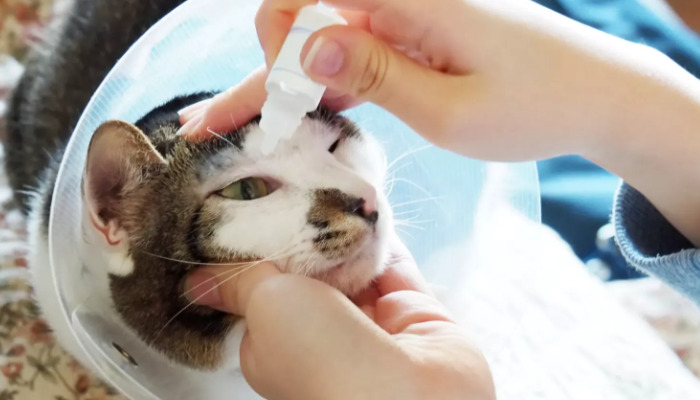
Treatment with NeoFipronis (Pronidesivir) typically involves daily oral dosing, with dosage and duration tailored to the severity of the disease and the individual cat’s response. Veterinarians determine the appropriate treatment plan, which may span several weeks. Regular monitoring through physical exams, blood tests, and imaging is essential to assess response and detect any adverse effects.
Benefits of Modern Antiviral Therapy
The introduction of antiviral drugs like NeoFipronis (Pronidesivir) has transformed the outlook for cats diagnosed with wet FIP. Unlike traditional supportive care, these medications specifically target the viral replication process, leading to observable clinical improvements in many cases. Cats treated with effective antiviral therapy often show reduced fluid accumulation, resolution of symptoms, and even complete remission in some instances.
Managing Expectations and Challenges
While the prognosis for wet FIP has improved significantly with antiviral therapy, it is important to recognize that responses can vary depending on factors such as disease stage and overall health. Early diagnosis and prompt initiation of treatment offer the best chance of recovery. Long-term follow-up is necessary to ensure sustained remission and to monitor for potential relapses or side effects.
Supportive Care and Adjunct Treatments
In addition to antiviral therapy, supportive interventions remain important. Care includes maintaining hydration, providing proper nutrition, and managing secondary infections or complications. Owners may also need to address symptoms like pain or inflammation with appropriate medications. Combining antiviral therapy with supportive care maximizes the chances of a positive outcome.
Future Perspectives
Research continues to refine and improve antiviral agents for FIP. The approval of NeoFipronis (Pronidesivir) marks a milestone in feline medicine, opening hope for many affected cats. Ongoing studies aim to optimize dosing protocols, minimize side effects, and explore combination therapies to further enhance treatment success.
Conclusion
Treating wet FIP in cats has historically been challenging due to its fatal nature. However, the advent of antiviral drugs such as NeoFipronis (Pronidesivir) has revolutionized the treatment landscape. With its high efficacy, safety profile, and ease of administration, NeoFipronis offers a promising option for managing this devastating disease. Early diagnosis combined with prompt antiviral therapy can significantly improve the quality of life and survival prospects of cats suffering from wet FIP.
References
1. Feline Infectious Peritonitis: Pathology and Treatment Advances
2. GS-441524 and Its Role in FIP Management
3. Approval and Efficacy of NeoFipronis (Pronidesivir): The First Oral FIP Treatment
4. Veterinary Antiviral Therapy: Developments and Future Directions
5. Clinical Management of Wet FIP: Diagnosis, Treatment, and Supportive Care