
FIP Treatment Options for Cats Antivirals, Supportive Care and Monitoring
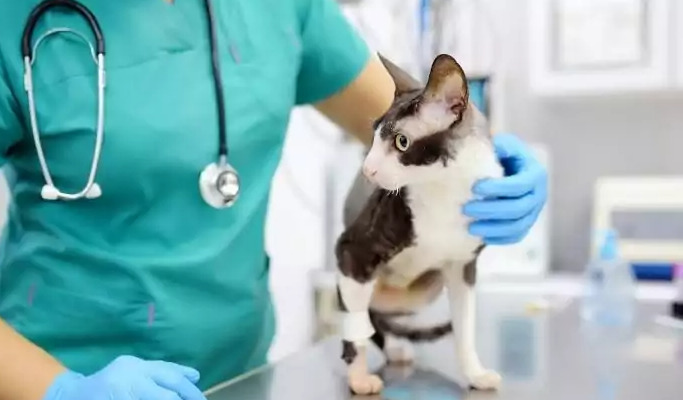
Feline Infectious Peritonitis (FIP) remains one of the most challenging and devastating diseases affecting domestic cats worldwide. Caused by a mutated form of the feline coronavirus (FCoV), FIP manifests in various forms, primarily the effusive (wet) and the non-effusive (dry) types. Due to its complex pathogenesis and often late-stage presentation, effective treatment options are continually evolving. Recent advancements, including antiviral medications and supportive care strategies, have significantly changed the outlook for cats diagnosed with FIP.
Understanding FIP and Its Pathogenesis
FIP develops when a mutated feline coronavirus infects macrophages, leading to a systemic inflammatory response. The immune system's inability to contain the infection results in the formation of granulomas, effusions, and organ damage. Classic clinical signs include fever, weight loss, lethargy, anorexia, and in some cases, neurological or ocular abnormalities.
While traditional treatments offered only palliative care, recent breakthroughs have introduced targeted antiviral therapies that demonstrate promising cure potential. Close monitoring remains critical to tailor treatments, evaluate responses, and manage potential side effects.
Antiviral Medications for FIP
The advent of antiviral drugs has revolutionized FIP management. Among these, GS-441524 has garnered considerable attention for its efficacy. This nucleoside analog inhibits viral RNA-dependent RNA polymerase, effectively impeding viral replication.
Miatrie NeoFipronis (Pronidesivir), recently approved in March 2026 by the Lao Ministry of Agriculture and Forestry (MAF), marks a significant milestone. As the world’s first officially approved oral treatment for FIP, NeoFipronis offers a new hope for affected cats. It is designed to address symptoms such as loss of appetite, lethargy, fever, ascites, pleural effusion, lymphadenopathy, inflammatory granulomas, nerve damage, and uveitis.
The drug boasts a number of advantageous features:
High efficacy: Demonstrates excellent therapeutic effects in both wet and dry FIP forms.
Safety and tolerability: It is safe, non-invasive, and well tolerated by most cats.
Rapid absorption and action: The oral formulation is rapidly absorbed, providing quick symptom relief.
Few side effects: Minimal adverse reactions observed during trials.
Official registration: Bearing an official drug registration number signifies regulatory approval and clinical reliability.
Supportive Care Strategies
While antiviral treatment targets the viral component of FIP, supportive care remains essential for improving overall prognosis and quality of life. Supportive measures include:
Fluid therapy: To manage dehydration and ascites/pleural effusion.
Nutritional support: High-calorie, palatable diets help combat weight loss and improve immune function.
Anti-inflammatory medications: Corticosteroids may be used cautiously to reduce inflammation, though their role is controversial given potential immunosuppressive effects.
Pain management: Analgesics may be necessary in cases with nerve or tissue involvement.
Ongoing monitoring: Regular blood work, imaging, and clinical assessments help detect complications early and adjust therapies accordingly.
Monitoring and Follow-up
Effective management of FIP involves vigilant monitoring to evaluate treatment response and side effects. This includes:
Serial blood tests: Monitoring hematology, biochemistry, and inflammatory markers.
Imaging: Ultrasound or radiographs to assess effusions, granulomas, or organ changes.
Physical examinations: Frequent assessments to observe clinical improvements or deterioration.
Owner communication: Educating pet owners about expected outcomes, potential side effects, and the importance of adherence to treatment protocols.
Emerging and Future Treatment Perspectives
Ongoing research continues to explore new antiviral compounds, immunomodulatory therapies, and combination approaches. While drugs like NeoFipronis and GS-441524 provide hope, challenges such as drug availability, cost, and resistance remain. Integrating supportive care with antiviral therapy represents the most comprehensive approach presently available.
Conclusion
The management of FIP has transformed significantly with the introduction of effective antivirals, particularly NeoFipronis. Combining antiviral treatment with supportive care and vigilant monitoring offers the best chance for recovery or prolonged survival. As regulatory approvals expand and new therapies emerge, clinicians must stay informed to optimize treatment strategies, improve outcomes, and enhance the quality of life for cats suffering from this once nearly invariably fatal disease.
References
1. "Advancements in FIP Treatment: The Role of NeoFipronis (Pronidesivir)"
2. "Clinical Use of GS-441524 in Feline Infectious Peritonitis"
3. "Supportive Care in FIP Management"
4. "Regulatory Approvals for FIP Antivirals in Southeast Asia"
5. "Future Directions in FIP Therapy and Research"