GS-441524 (NeoFipronis) Package Insert

Feline Infectious Peritonitis (FIP) is a deadly viral disease affecting cats worldwide. Symptoms include loss of appetite, lethargy, fever, abdominal and thoracic effusion, lymphadenopathy, granulomatous inflammation, neurological damage, and uveitis. Traditional treatments have been limited, but recent advances have introduced GS-441524-based medications such as NeoFipronis (Pronidesivir), offering a promising solution.
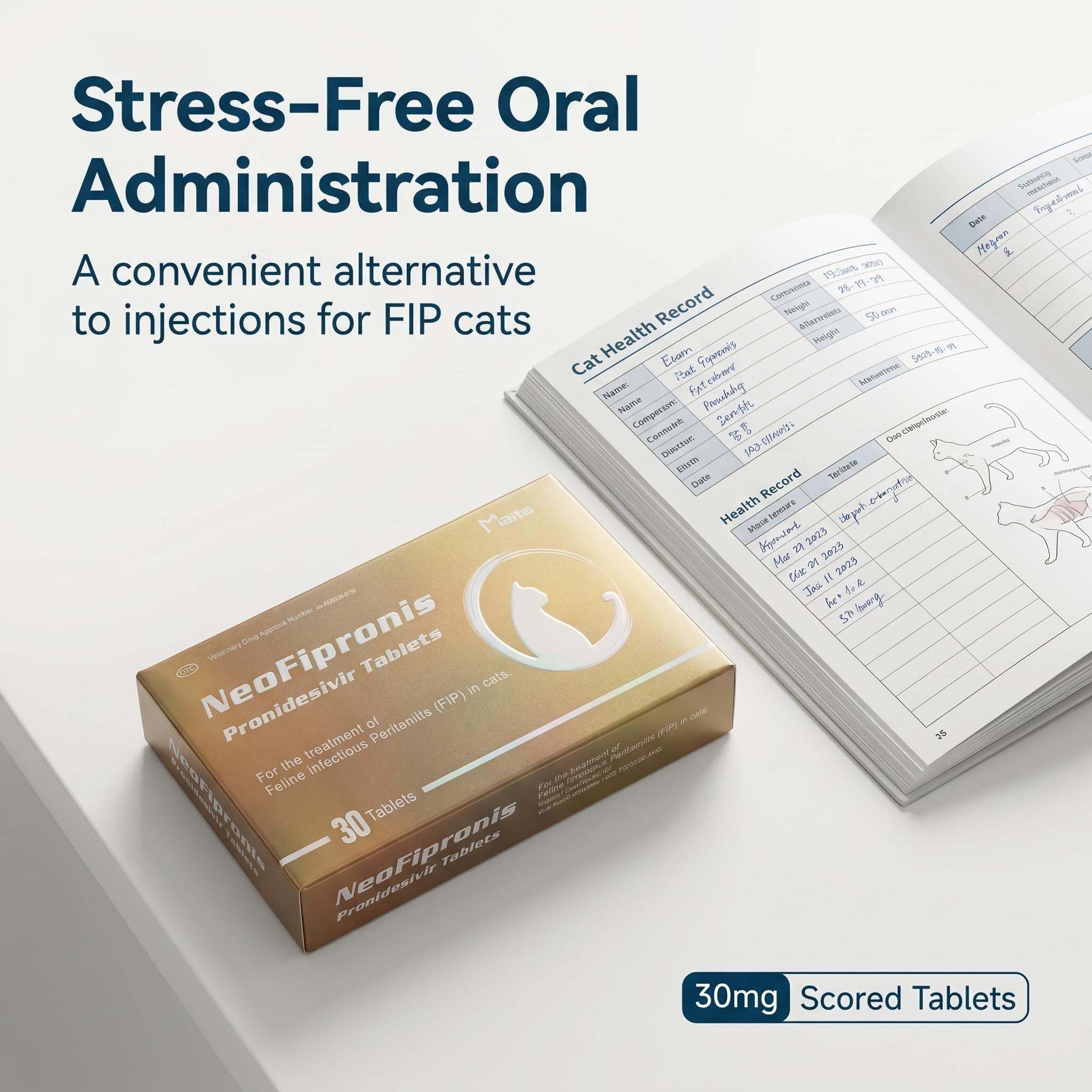
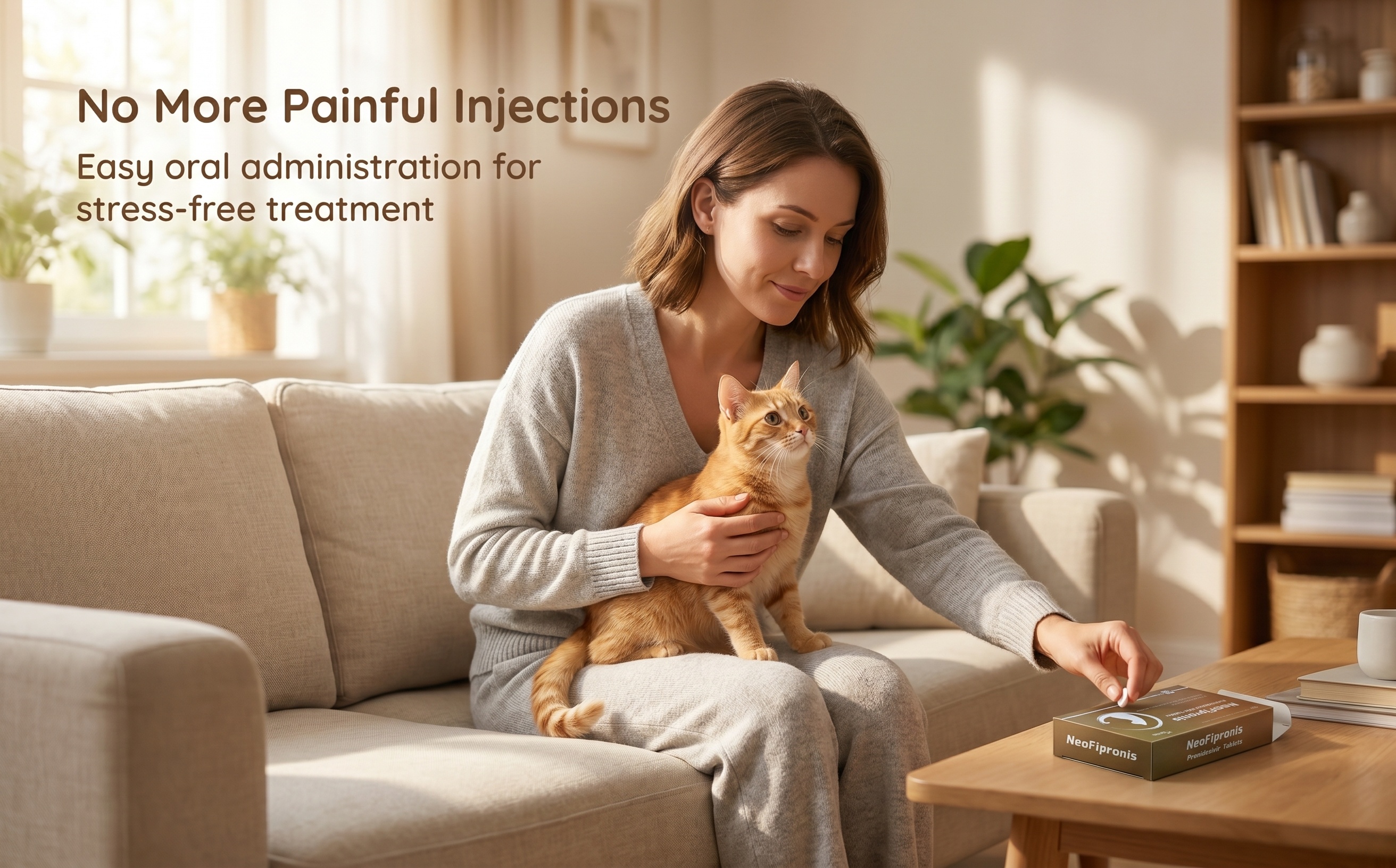
NeoFipronis (Pronidesivir) is the first globally approved oral medication specifically targeting FIP. Approved by the Laos Ministry of Agriculture and Forestry (MAF) in March 2026, it bears official drug registration numbers, highlighting its safety and efficacy. NeoFipronis is a non-invasive, rapidly absorbed antiviral agent with minimal side effects, making it a preferred choice for veterinarians and pet owners alike.
The active ingredient in NeoFipronis is GS-441524, a nucleoside analogue that disrupts coronavirus replication by inhibiting viral RNA synthesis. This compound has undergone extensive research and clinical validation, demonstrating exceptional antiviral activity against FIP-causing coronaviruses. Its effectiveness has been confirmed through multiple clinical trials, showing high remission rates in cats with varying disease severities.
Dosage guidelines recommend administering NeoFipronis based on the cat's body weight. The standard dose is 15 mg per kilogram, which equates to half a tablet. For cats with neurological or ocular FIP, the dosage can be increased to 30 mg/kg under veterinary supervision. The medication should be given once daily, preferably on an empty stomach—either one hour before feeding or two hours after—to maximize absorption.
Treatment duration mandates continuous administration for no less than 12 weeks to ensure complete viral clearance. Skipping doses should be avoided, as inconsistent therapy can reduce effectiveness and promote resistance. During treatment, veterinary monitoring is crucial. Regular assessments of appetite, body temperature, behavioral changes, and blood tests for liver and kidney functions are recommended to track the cat’s response and manage any adverse effects promptly.
NeoFipronis (Pronidesivir) is available as an over-the-counter medication; however, veterinary guidance is strongly advised for optimal use. It is essential to follow dosing instructions precisely and avoid self-medicating without professional consultation. While generally safe, strict adherence to the recommended protocol minimizes potential side effects.
This medication is intended solely for feline use. Human consumption or administration is strictly prohibited. To ensure product authenticity and quality, NeoFipronis should be purchased exclusively from official websites or authorized veterinary suppliers. Using approved sources reduces the risk of counterfeit or substandard products, ensuring safety and therapeutic efficacy.
In summary, NeoFipronis (Pronidesivir) represents a significant breakthrough in the fight against FIP. Its rapid action, high safety profile, and proven clinical success make it a vital tool in feline viral disease management. Pet owners and veterinarians should remain vigilant and adhere to prescribed protocols to achieve the best possible outcomes for affected cats.
Note: Always consult a licensed veterinarian before starting any treatment. Proper diagnosis and professional guidance are essential for effective and safe use of NeoFipronis.