How Quickly Do FIP Symptoms Progress in Cats
Feline Infectious Peritonitis (FIP) is a devastating, often fatal disease among cats. The progression of its symptoms can vary based on the form of FIP, the affected cat’s age, immune status, and other factors. Understanding symptom development is crucial for timely diagnosis and intervention. This article explores the clinical progression of FIP in cats, examining timelines, influencing factors, and observable signs—providing pet owners and veterinarians with current, comprehensive information about this elusive disease.
Feline Infectious Peritonitis (FIP) is triggered by a mutated strain of feline coronavirus (FCoV) that switches from a benign intestinal infection to a systemic, immune-mediated disorder. While FIP has been studied for decades, much about the speed and nature of its symptoms remains uncertain—largely due to its variable clinical presentation and challenges in diagnosis. Around 5-10% of cats exposed to FCoV will develop symptomatic FIP, with a higher prevalence among kittens, purebred cats, and those living in multi-cat environments.
What is FIP?
FIP is characterized by widespread inflammation of bodily tissues and organs. Mutated FCoV invades macrophages, unleashing a massive, damaging immune response. There are two classical presentations:
1. The "wet" (effusive) form, involving accumulation of fluid (effusion) in the abdomen, chest, or other cavities.
2. The "dry" (noneffusive) form, marked by granulomatous lesions in organs without obvious effusions.
Both forms can rapidly progress—sometimes within weeks of the initial mutation—while in other cases, symptoms develop slowly over months.
Underlying Risk Factors Affecting Progression
Certain risk factors accelerate FIP symptom development:
Age: Kittens between 3 and 16 months are most susceptible, often showing faster onset of severe signs.
Genetics: Some pedigreed breeds are at increased risk, with more frequent and aggressive presentations.
Environment: High-density, multi-cat settings promote viral mutation through frequent exposure.
Immunocompetence: Cats with compromised immunity (from stress, illness, or inherited conditions) tend to deteriorate more quickly.
Incubation Period
Initial infection with FCoV typically goes unnoticed. Most cats will clear the virus or remain lifelong carriers with no symptoms. Only in susceptible individuals does mutation induce FIP. The period between this mutation and the onset of symptoms (incubation) is highly variable—ranging from several weeks to several months.
Some studies note that following stress triggers (moving homes, surgery, new pets), cats with previously silent infections may develop symptoms in days to weeks. Others may harbor the mutated strain for months or longer before clinical FIP manifests.
Early Signs and How Fast They Worsen
Early symptoms are notoriously vague and can include:
Lethargy
Reduced appetite
Intermittent fever (unresponsive to antibiotics)
These signs often persist for a few days to several weeks. In many cats—especially young ones—symptoms escalate rapidly once the critical immune shift occurs. Wet FIP tends to progress faster than dry FIP.
Progression of Wet (Effusive) FIP
Wet FIP is marked by sudden accumulation of straw-colored fluid in the abdomen or chest. This often happens within one to three weeks of mild warning signs. Classic symptoms include:
Distended belly
Labored breathing (pleural effusion)
Rapid weight loss
Persistent, unresponsive fever
Jaundice (yellowing of gums and skin)
In some cases, deterioration from mild illness to severe debilitation can take just days. Cats may go from being slightly lethargic to experiencing marked discomfort, difficulty breathing, and pronounced abdominal swelling within a week.
Estimates suggest that most cats with wet FIP die within 2 to 6 weeks of clinical symptom onset if untreated. Exceptionally, intervention with new antiviral therapies can extend life—but rapid decline is typical without treatment.
Progression of Dry (Non-effusive) FIP
The dry form is more insidious. Granulomatous inflammation targets organs like the liver, kidneys, eyes, and brain—sometimes for months before noticeable symptoms develop. Onset can be gradual or subacute. Key symptoms include:
Chronic low-grade fever
Weight loss
Lethargy
Eye inflammation (uveitis, retinal changes)
Neurological signs (seizures, disorientation, ataxia)
Cats with dry FIP may survive weeks to several months following initial clinical signs, though gradual decline is common. Symptoms intensify as organ systems fail—manifesting as blindness, paralysis, incontinence, or severe behavioral changes.
Occasionally, dry FIP converts to wet, or vice versa, complicating prognosis. The average survival for untreated dry FIP ranges from a few weeks to several months.
FIP and Neurological or Ocular Forms
Some cats will present primarily with neurological (brain/spinal cord) or ocular (eye) signs. These cases are most common in the dry form and are usually more chronic, with progression over weeks or months. Neurological FIP tends to deteriorate inexorably, often leading to debilitating symptoms such as tremors, loss of coordination, sudden blindness, or seizures. The interval from first signs to severe symptoms varies but is generally shorter in younger animals.
Other Influencing Factors on Symptom Progression
Viral Load: Higher viral loads often mean faster, more dramatic progression.
Intensity of Immune Response: Cats with robust immune reactions may experience rapid, damaging symptoms.
Concurrent Diseases: Co-infections or underlying health problems (like FeLV or FIV) accelerate FIP evolution.
Stress: Environmental stressors, such as moving or surgery, can precipitate symptoms in latent carriers.
Clinical Diagnosis and Challenges
FIP’s speed and variability in progression contribute to frequent misdiagnosis. Routine bloodwork may show non-specific changes:
Elevated globulins
Low albumin
High total protein
Mild anemia
Confirmation often requires a combination of history, clinical signs, body fluid analysis, and advanced imaging. Effusions are easier to spot and diagnose; dry FIP remains elusive, sometimes delaying intervention until symptoms are advanced.
Prognosis and Survival Times
Historically, FIP was considered untreatable: average survival after onset was less than two months. Recent advances in antiviral therapy—most notably GS-441524 and remdesivir—have changed outcomes for some cats, extending remission or survival for years. Still, speed of symptom progression remains one of FIP’s most dangerous features.
Therapeutic Interventions: Impact on Symptom Progression
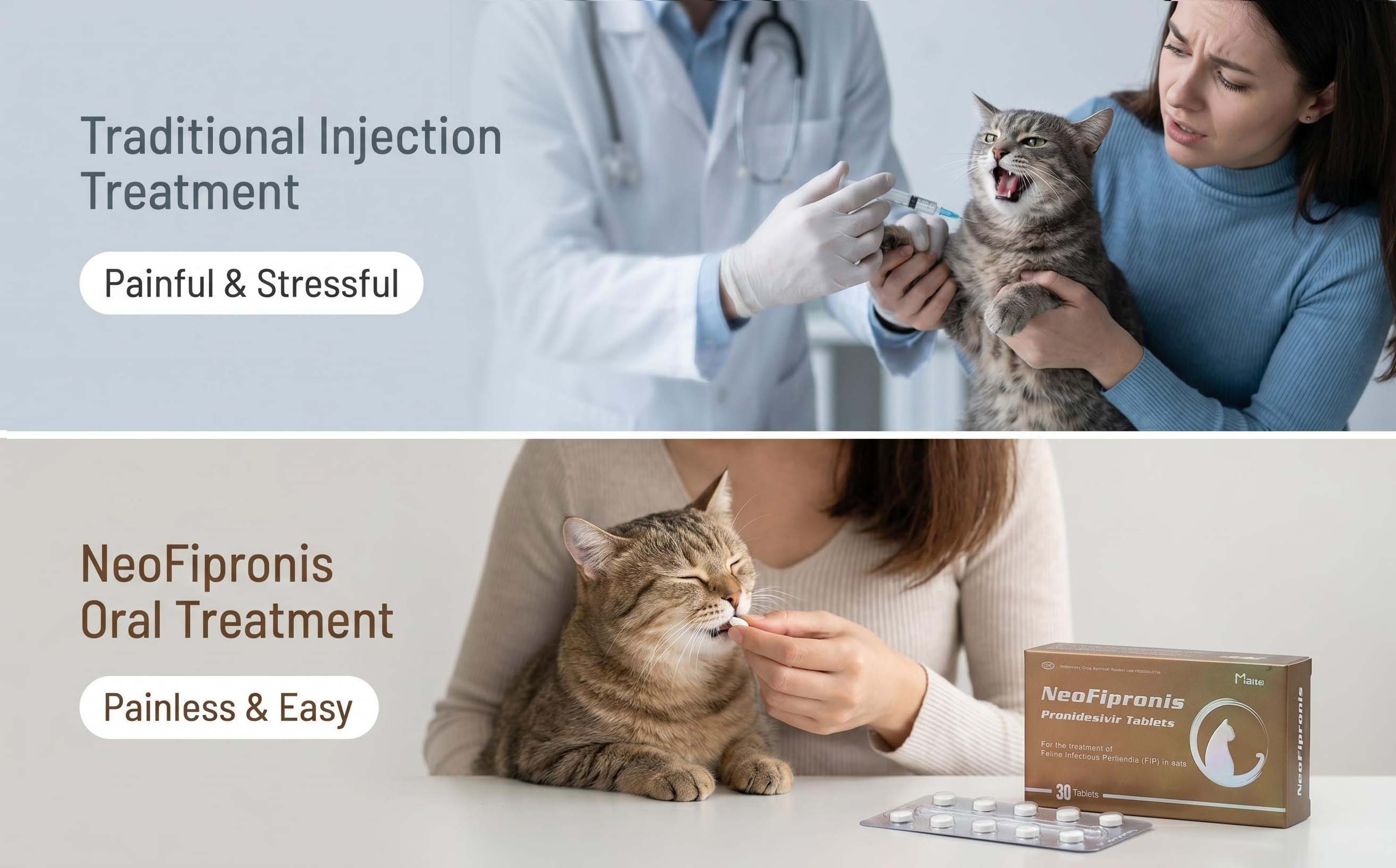
Rapid progression makes early intervention vital. Approved drugs (in some countries) or off-label antivirals can arrest or reverse symptoms. Success is greatest when symptoms are mild or when dry FIP is diagnosed before major organ destruction. Severe cases, or those with advanced neurological involvement, remain less responsive.
Summary of Symptom Timeline
Early Phase: Days to weeks—nonspecific signs (fever, lethargy, poor appetite)
Acute Disease: 1-3 weeks—rapid onset of effusions, organ failure, neurological/ocular involvement
Chronic Course: Weeks to months—slowly worsening weight loss, persistent fever, eye/brain changes (especially in dry FIP)
Terminal Phase: Days to weeks—profound organ dysfunction, anorexia, severe clinical decline
Monitoring and Identifying Signs
Owners and veterinarians should watch for:
Sudden or persistent fever
Abdominal distention
Respiratory distress
Neurological or visual changes
Failure to respond to routine therapy
Prompt diagnostic investigation following these signs helps clarify disease course and may enable lifesaving interventions—especially in the era of targeted drug therapy.
Prevention Approaches
Because speed of FIP progression is closely tied to immune status and exposure intensity, basic preventive strategies include:
Reducing density and stress in multi-cat homes
Prompt isolation and veterinary examination of cats with suspected viral illness
Regular health checks and viral screening for at-risk breeds
Cautious introduction of new cats to established catteries
No vaccine is reliably effective; thus, controlling coronavirus spread and monitoring outbreaks remain key.
Conclusion
The progression of FIP symptoms in cats is variable but often rapid, particularly in younger animals and those with effusive disease. Recognizing signs quickly—while considering individual risk factors—can make a dramatic difference in detection and future treatment potential. Continued research is vital to improve both diagnostic speed and therapeutic outcomes for FIP in the feline population.
References
Pedersen NC. "Feline infectious peritonitis: An update." Veterinary Journal, 2014.
Kipar A, Meli ML. "Feline infectious peritonitis: still an enigma?" Veterinary Pathology, 2014.
Tekes G, Whittaker GR. "Feline coronavirus infection: pathogenesis and clinical implications." Veterinary Journal, 2015.
Hartmann K. "Feline infectious peritonitis." Veterinary Clinics of North America: Small Animal Practice, 2005.
Felten S, Hartmann K. "Diagnosis of feline infectious peritonitis: A review." Veterinary Sciences, 2019.
Dempsey SM, Ewing PJ. "A Review of the Pathogenesis and Pathology of Feline Infectious Peritonitis." Journal of Feline Medicine and Surgery, 2011.
Addie DD, Toth S, et al. "Feline coronavirus in multi-cat environments: management and prevention." Annals of the New York Academy of Sciences, 2006.
Izes AM, et al. "Diagnosis and treatment of feline infectious peritonitis." Australian Veterinary Journal, 2022.