What Causes FIP and How Can Owners Reduce the Risk
Feline Infectious Peritonitis (FIP) stands among the most challenging diseases impacting domestic cats worldwide. Despite improvements in veterinary medicine, FIP continues to perplex cat owners and practitioners due to its elusive nature, devastating outcome, and the difficulties in both diagnosis and prevention. Understanding the underlying causes of FIP and practical prevention strategies can empower cat owners to help reduce its risk.
The Science Behind FIP: Origins and Transmission
FIP is not a contagious disease in the traditional sense but rather arises from a mutation of the feline coronavirus (FCoV). FCoV is widespread in multi-cat environments, such as shelters, catteries, and homes with multiple cats, where it typically causes mild and self-limiting gastrointestinal signs. However, in rare cases—estimated at about 5-10% of FCoV-infected cats—the virus mutates within the host, enabling it to invade specific white blood cells (macrophages) and spread throughout the body, ultimately resulting in FIP.
The mutated virus is not shed by affected cats, meaning cats with FIP are unlikely to transmit this mutated form directly to others. Instead, the risk to other cats involves exposure to the common, non-mutated FCoV, which can potentially mutate into FIP within a susceptible host.
Risk Factors: Genetics, Environment, Age
Certain factors elevate a cat’s risk for developing FIP:
Genetic Susceptibility: Some purebred cats, especially breeds like Bengals, British Shorthairs, and Ragdolls, seem genetically more vulnerable. The reasons are not completely understood but likely involve immune function differences.
Age: FIP most commonly affects cats under two years of age and senior cats. Young kittens, especially those experiencing physiological stress or living in crowded conditions, are particularly susceptible.
Stress Factors: High population density, frequent changes (adoption, relocation), poor sanitation, and concurrent illnesses can stress cats, weaken their immune response, and promote viral replication and evolution within the body.
Immunity: Cats with compromised immune systems are less able to contain FCoV, increasing the likelihood of developing FIP.
Transmission Routes
FCoV transmission primarily occurs through the fecal-oral route. Infected cats shed the virus in their stool, contaminating litter boxes and the environment. Other cats then become infected by ingesting these particles while grooming or sharing litter boxes. Airborne transmission is considered rare. In most cases, FCoV is innocuous and cats recover quickly; only in the rare instance of a viral mutation does FIP develop.
Symptoms and Diagnosis
Classic clinical signs of FIP depend on the form it takes:
Effusive/“wet” FIP: Accumulation of fluid in the abdomen or chest, resulting in distended belly, breathing difficulties, and fever that does not respond to antibiotics.
Non-effusive/“dry” FIP: Ocular and neurological signs, weight loss, unresponsive fever, lethargy, and jaundice.
No unequivocal diagnostic test exists for FIP. Diagnosis relies on clinical examination, blood tests, imaging (such as ultrasound for fluid), and in some cases, tissue biopsy or PCR testing for viral RNA in affected tissue.
Reducing the Risk: Proactive Steps for Cat Owners
1. Reduce Stress and Overcrowding
Limiting the number of cats per household decreases viral load and stress. Providing plenty of play spaces, hiding spots, and maintaining social stability within cat groups helps limit anxiety and reduce opportunities for viral spread.
2. Litter Box Hygiene
Regular cleaning and disinfection of litter boxes (daily scooping, weekly thorough cleaning with effective disinfectants) reduces FCoV presence. Ideally, provide one box per cat plus one extra, and place them in different areas.
3. Isolate New Arrivals and Sick Cats
Integrate new cats slowly and quarantine any newcomers for at least two weeks to monitor health and prevent possible spread of viruses.
4. Nutrition and Immune Support
Balanced diets, regular veterinary checkups, and prompt treatment of other illnesses support a robust immune system, lowering the chances of FIP development.
5. Early Identification and Intervention
Recognize signs of chronic illness or changes in behavior, appetite, or appearance. Immediate veterinary attention can help detect FIP or other underlying health problems.
6. Minimize Stressful Events
Avoid frequent changes in environment, reduce unnecessary transportation, and maintain consistent routines to minimize the risk factors associated with stress.
7. Breeding Management
Breeders should screen for FIP susceptibility in their lines, maintain small groupings, and manage breeding practices to reduce transmission risk.
8. Vaccination
The current FIP vaccine (available in some markets) has limited efficacy and is not recommended for most cats. Owners should consult their veterinarians to assess risk and make informed decisions.
Environmental Control and Cleaning Measures
Environmental management is vital in multi-cat homes and shelters:
Disinfect Common Areas: Use bleach or other virucidal agents to clean non-porous surfaces. Cloth and carpet areas should be laundered and vacuumed frequently.
Air Quality and Ventilation: Ensuring good airflow helps lower viral concentrations in the environment.
Rotate and Replace Litter Boxes: Regularly replace old litter boxes to prevent build-up of viral particles.
Socialization and Group Dynamics
Cat owners should be mindful of social hierarchies, aggressive behavior, and stress triggers. Providing enough resources—food bowls, resting spaces, and toys—promotes peaceful coexistence and minimizes stress-related viral shedding.
The Role of Genetics: Breeding and Selection
Modern research indicates that genetics may predispose certain cats to FIP. Ethical breeders should carefully select breeding pairs, with preference for lines with a history of lower FIP incidence. Genetic counseling for breeders and owners can help identify vulnerable bloodlines.
Advances in Research and Future Directions
Recent breakthroughs in antiviral therapies (such as GS-441524) show promise in treating FIP, although availability, legality, and cost remain barriers for most owners. Ongoing research continues into diagnostics, treatment protocols, and genetic markers for susceptibility. The goal is to eventually eliminate FIP as a threat to feline health and welfare.
Veterinary Guidance and Support
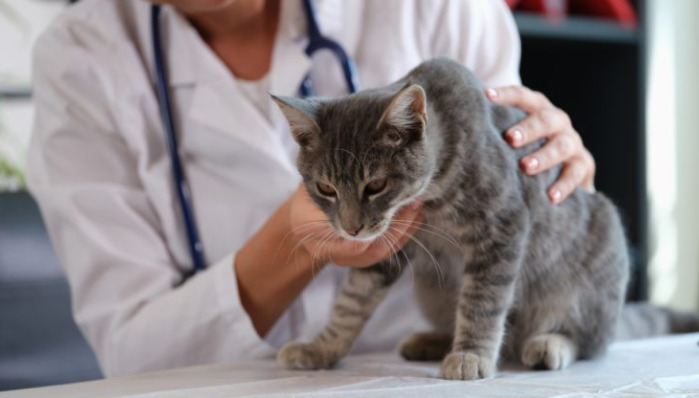
Regular veterinary exams remain fundamental for early detection and ongoing health. Vets can help owners institute robust prevention protocols tailored to their home setting, offer up-to-date information on treatments, and provide emotional support for those dealing with FIP diagnosis.
Community Education and Resources
Public awareness campaigns, targeted at breeders, shelter staff, and multi-cat owners, enhance understanding of FIP, FCoV management, and the importance of minimizing risk factors. Veterinary organizations and cat charities offer workshops, online resources, and consultation to help cat owners create safer environments.
Key Takeaways for Owners
FIP is complex, with roots in viral mutation, genetics, and environmental stress. No single step guarantees prevention, but a combination of hygiene, stress reduction, responsible breeding, and vigilant health monitoring can dramatically lower the risk for domestic cats.
References
1. Pedersen, N.C. (2009). "A review of feline infectious peritonitis virus infection: 1963–2008." Journal of Feline Medicine and Surgery, 11(4):225-258.
2. Kipar, A., & Meli, M.L. (2014). "Feline Infectious Peritonitis: Still an Enigma?" Veterinary Pathology, 51(2):505-526.
3. Addie, D.D., et al. (2020). "Feline coronavirus: natural transmission and diagnosis." Veterinary Record, 186(17):598-605.
4. Felten, S., & Hartmann, K. (2019). "Diagnosis of Feline Infectious Peritonitis: A Review of the Current Literature." Viruses, 11(2):106.
5. Tasker, S. (2018). "Diagnosis of feline infectious peritonitis: update on evidence supporting available tests." Journal of Feline Medicine and Surgery, 20(3):228-243.
6. Chang, H.W., et al. (2012). "Feline coronavirus infection and feline infectious peritonitis in cats in Asia." Veterinary Journal, 193(1):9-18.
7. Driscoll, C.A., et al. (2009). "The domestic cat: The biology of its behaviour." In: The Domestic Cat: The Biology of Its Behaviour, 2nd Edition. Cambridge University Press.
8. Gaskell, R.M., et al. (2007). "Feline infectious peritonitis: More questions than answers." Journal of Feline Medicine and Surgery, 9(5):328–341.
9. Riemer, F., et al. (2016). "Clinical and laboratory features of cats with feline infectious peritonitis–a retrospective study of 231 confirmed cases." Journal of Feline Medicine and Surgery, 18(4):348-356.