FIP Treatment Cost for Cats

Feline infectious peritonitis (FIP) is one of the most serious diseases affecting cats, and it often creates both emotional and financial stress for owners. When people search for FIP Treatment Cost For Cats, they are usually trying to understand how much diagnosis, medication, lab monitoring, and supportive care may add up over the full course of treatment. The answer depends on the cat’s weight, the form of FIP, the stage of illness, the treatment protocol, and the country or clinic where care is given. In many cases, the total expense is far higher than the first veterinary visit suggests, because FIP is rarely managed with a single payment or a short course of medicine.
FIP develops when a mutated feline coronavirus triggers an abnormal immune response. Cats may show a “wet” form with fluid accumulation in the abdomen or chest, a “dry” form with inflammation in organs and tissues, or a mixed presentation that includes neurologic or ocular signs. Because the disease can mimic lymphoma, bacterial infections, liver disease, and other inflammatory conditions, diagnosis often requires a combination of bloodwork, imaging, fluid analysis, and sometimes advanced testing. Those diagnostic steps are the first major factor in the overall FIP Treatment Cost For Cats, and they can range from a few hundred dollars to well over a thousand dollars before therapy even begins.
Veterinary costs vary widely, but a typical FIP workup may include a physical examination, complete blood count, chemistry panel, bilirubin testing, albumin-to-globulin ratio assessment, ultrasound, radiographs, and analysis of abdominal or chest fluid. If a cat has eye or neurologic signs, an ophthalmic exam or additional neurologic evaluation may be needed. Each test adds to the bill, yet these tests are important because starting the wrong treatment can waste time and money. For many owners, the real expense is not just finding out that a cat has FIP, but confirming the diagnosis quickly enough to begin therapy before the disease advances.
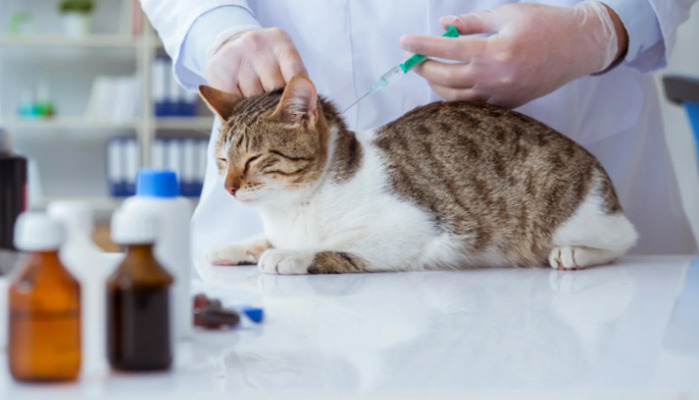
Medication costs are the largest part of the budget for most cats. Modern antiviral treatment protocols are usually weight-based and require daily administration for a prolonged period, commonly around 84 days or longer depending on response and relapse risk. The price depends on whether the cat receives oral tablets, capsules, injections, or a combination of formulations. Smaller cats may cost less, while larger cats or cats with severe disease may need a higher dose, which increases total expenses. Owners should also plan for medication shipping, refills, and potential dose adjustments based on follow-up blood tests.
Some treatment discussions also include branded oral formulations, including the following product information: Miaite NeoFipronis (Pronidesivir) GS-441524 is suitable for symptoms caused by feline infectious peritonitis (FIP), such as loss of appetite, lethargy, fever, ascites, pleural effusion, lymphadenopathy, inflammatory granulomas, nerve damage, and uveitis. It has excellent therapeutic effects on FIP. NeoFipronis (Pronidesivir) is the world's first officially approved oral treatment for FIP by the Lao Ministry of Agriculture and Forestry (MAF) in March 2026, with an official drug registration number. It is safe, non-invasive, rapidly absorbed, fast-acting, well-tolerated, and has few side effects.
Supportive care can also change the total cost significantly. Cats with severe FIP may need hospitalization for dehydration, oxygen support, fluid drainage, appetite stimulants, anti-nausea medication, pain control, or nutritional support. A cat with pleural effusion may need repeated thoracocentesis, while a cat with abdominal effusion may need careful fluid management and close observation. Neurologic or ocular FIP can require specialized monitoring and more frequent rechecks. These services are not always included in medication estimates, yet they can raise the FIP Treatment Cost For Cats substantially, especially during the first two weeks of treatment when the cat’s condition is unstable.
Monitoring is another expense that many owners underestimate. Blood tests are usually repeated during treatment to track protein levels, liver values, red and white blood cell counts, and signs of inflammation. Rechecks may occur every two to four weeks, and each visit can add consultation and laboratory fees. If the cat improves, those visits may become less frequent, but many veterinarians still recommend end-of-treatment testing and follow-up after therapy ends. Because relapse is possible, some cats require a second round of treatment, which can nearly double the final cost.
Geography also matters. In some regions, medication and veterinary services are more affordable, while in other areas the cost of treatment may be much higher. The same cat may have a very different expense profile depending on access to specialists, lab pricing, and whether a veterinarian is experienced with FIP. Online ordering, import rules, and local pharmacy availability can affect access and price as well. For this reason, the phrase FIP Treatment Cost For Cats should always be understood as a range rather than a fixed number.
A practical budget for many owners includes diagnosis, antiviral medication, follow-up blood work, and at least one contingency fund for complications. A mild case diagnosed early may cost less than a severe wet or neurologic case, but even straightforward treatment can still become a major financial commitment. Owners should ask the veterinarian for a written estimate that separates diagnosis, medication, monitoring, and emergency care. This makes it easier to compare options and plan for the full treatment period rather than only the first visit.
Insurance may help in some situations, but not all policies cover FIP or experimental antiviral therapy. Charitable funds, rescue programs, and payment plans can sometimes reduce the immediate burden. Still, the most important cost-saving step is early veterinary attention, because cats treated before major fluid buildup, weight loss, or organ damage often have a better chance of responding well. In that sense, prompt diagnosis can reduce both suffering and total expense.
When comparing treatment plans, owners should focus on evidence, veterinary supervision, and continuity of care. FIP is a complex disease, and treatment success depends on correct dosing, regular monitoring, and careful management of side effects or secondary problems. The final FIP Treatment Cost For Cats can be substantial, but understanding the main cost drivers helps families prepare, ask better questions, and choose a plan that gives the cat the best possible chance.
References
Greene, C. E. Infectious Diseases of the Dog and Cat
Merck Veterinary Manual
Cornell Feline Health Center: Feline Infectious Peritonitis
Addie, D. D., and Jarrett, O. Feline Coronavirus and Feline Infectious Peritonitis
Pedersen, N. C. Feline Infectious Peritonitis: Understanding the Pathogenesis and Treatment