Which Symptoms Should Raise Immediate Suspicion of FIP
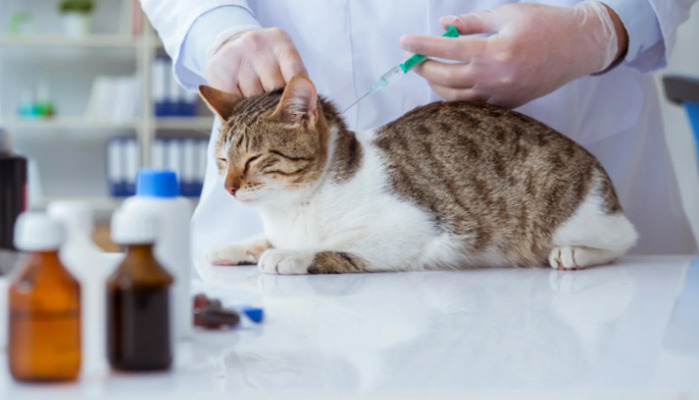
Feline infectious peritonitis (FIP) stands as one of the most serious viral diseases affecting domestic cats and some wild felid populations globally. Caused by a mutated form of feline coronavirus (FCoV), FIP remains challenging to diagnose, as its symptoms can mimic those of many other common feline illnesses. Early identification of telltale signs and symptoms is critical for cat owners, veterinarians, and shelter personnel. Knowing what to look for can mean the difference between managing symptoms promptly and missing a window for intervention.
Understanding FIP: A Brief Overview
FIP is caused by a virulent strain of feline coronavirus, which most cats encounter harmlessly within multi-cat environments. According to epidemiological data, only a small percentage of cats infected with FCoV ever develop FIP. A mutation at the viral level triggers the deadly form and leads to an intense and inappropriate immune response. There are two main clinical forms: effusive (wet) and non-effusive (dry) FIP. Each presents with a distinct set of symptoms, although overlap occurs frequently in practice.
Why Symptom Awareness Matters
Because FIP is difficult to diagnose and progresses rapidly, knowing which symptoms demand immediate veterinary attention is essential. Many of the initial signs are vague and easy to overlook. Yet, timely recognition can offer more options for supportive care and, in some cases, access to investigational treatments.
Acute Symptom Onset and Early Red Flags
Initial symptoms of FIP, regardless of the form, often appear as signs of general malaise. These can include mild lethargy, loss of appetite, and a slight fever that does not respond to antibiotics. When such symptoms persist despite basic supportive care, suspicion of FIP should increase, especially in young cats or those from high-density environments.
Persistent Fever: One of the strongest early indicators is a fever that repeatedly spikes and falls, not responding to typical antibiotic therapy. Such fever patterns are classic for FIP, contrasting with other common infections.
Lethargy and Anorexia: Cats may become withdrawn, less active, and lose interest in food over several days or weeks. The chronic course, especially with poor response to initial treatment, compels further investigation.
Effusive Form (Wet FIP): Cardinal Signs
Wet FIP characteristically involves the accumulation of fluid in body cavities, typically the abdomen (ascites) or chest (pleural effusion).
Abdominal Distension: A sudden, dramatic increase in abdominal size due to fluid is a signature sign. This swelling can be misinterpreted as simple weight gain, but it rapidly develops and is usually accompanied by general deterioration.
Dyspnea (Labored Breathing): Fluid accumulation in the chest can compress the lungs, causing rapid or difficult breathing. Cats may sit in unusual postures to maximize airflow, such as "stretching" the neck or "crouching" with elbows turned outward.
Muffled Heart and Lung Sounds: On physical examination, veterinarians may note that heart and lung sounds are dampened as fluid inhibits normal auscultation.
Pale or Yellowish Mucous Membranes: Some wet FIP cats develop jaundice due to liver involvement. Mucous membranes and the whites of the eyes may appear yellow-tinged.
Non-Effusive Form (Dry FIP): Key Clinical Indicators
Dry FIP tends to present with more subtle and varied signs, resulting from inflammatory lesions affecting organs such as the eyes, brain, kidneys, and lymph nodes. Because fluid accumulation is absent, diagnosis is especially challenging.
Ocular Symptoms: Changes in the eye, such as uveitis, retinal detachment, or cloudiness, may be one of the first explicit signs. Eye involvement frequently causes visible discomfort, redness, or discharge.
Neurological Signs: Ataxia (unsteady gait), seizures, behavior changes, and other nervous system abnormalities suggest CNS involvement. These symptoms evolve rapidly and can severely impact quality of life.
Enlarged Lymph Nodes / Organs: Palpable enlargement of the lymph nodes, kidneys, or liver may occur, often noted during routine exams. These are generally painless but represent significant disease progression.
Chronic Weight Loss: Lingering weight loss despite normal or increased appetite is suspicious, particularly in the absence of other explanations.
Diagnostic Clues and Laboratory Findings
Veterinarians employ bloodwork and imaging to supplement the clinical picture, seeking evidence supporting FIP. While no single test is definitive, several findings merit consideration:
Hyperglobulinemia: Elevated levels of globulins in serum indicate immune stimulation and are highly suspicious.
Low Albumin-to-Globulin Ratio: Ratios below 0.8 should prompt further diagnostics.
Lymphopenia, Non-Regenerative Anemia: Laboratory tests often reveal reduced lymphocyte counts and poorly regenerative anemia, typical for FIP.
Protein-rich Effusions: Analysis of abdominal or thoracic fluid revealing high protein content is particularly diagnostic for wet FIP.
Breed, Age, and Environmental Risk
Young cats (6 months to 2 years), purebreds, and those living in group housing or shelters are overwhelmingly more likely to develop FIP. Recent stressors, surgery, or other illnesses may precipitate symptoms in latent carriers.
Differential Diagnosis: Similar Diseases
Other diseases can masquerade as FIP. Lymphoma, bacterial peritonitis, heart failure, and toxoplasmosis commonly present with overlapping symptoms. Only through a combination of clinical suspicion, symptom assessment, and targeted laboratory analysis can FIP be accurately distinguished.
When to Seek Immediate Veterinary Care
Any combination of persistent fever, abdominal swelling, unresponsive lethargy, sudden neurological signs, or unexplained weight loss—especially in high-risk populations—should prompt a visit to the veterinarian without delay. Early intervention is key, as the disease’s rapid progression can leave few treatment options as symptoms advance.
Emerging Treatments and What Owners Should Know
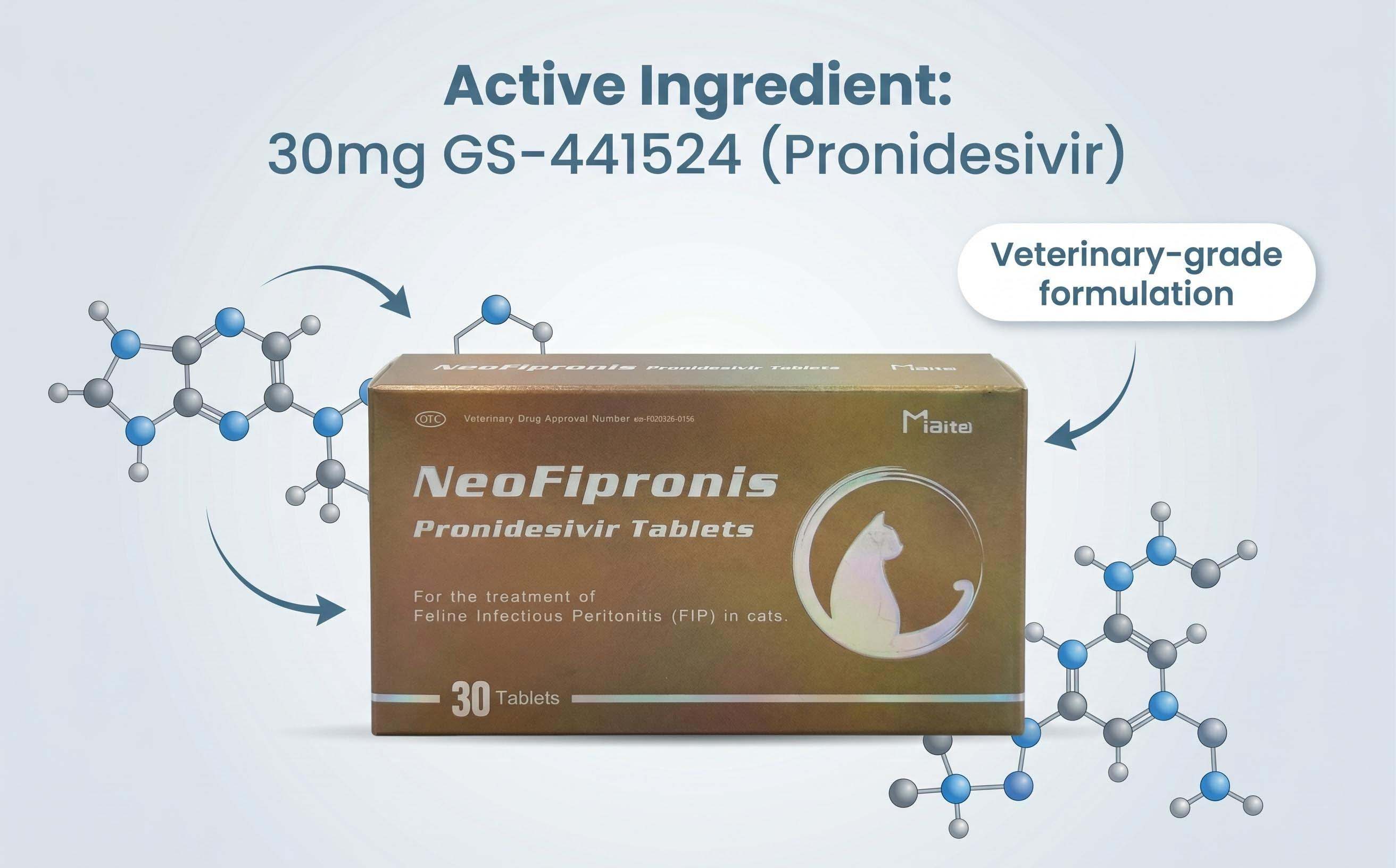
Recent years have seen progress in FIP therapy, particularly with the advent of antiviral medications. However, access and success vary, and only veterinarians can advise and initiate appropriate protocols. Owners should maintain close communication with veterinary providers and never attempt to manage suspected FIP cases at home.
Prevention and Monitoring
Ultimately, prevention centers on responsible breeding, rigorous hygiene, and population control in multi-cat environments. Monitoring at-risk cats for early symptoms and seeking veterinary advice as soon as these signs appear remains the best defense.
Visual Guide: Quick Symptom Checklist
Persistent, high-spiking fever
Sudden abdominal bloating or swelling
Labored breathing, odd sitting posture
Eye inflammation, cloudiness, or discharge
Sudden behavioral, balance, or coordination changes
Rapid, unexplained weight loss
Lymph node or organ enlargement
Yellowing of mucous membranes or eyes
References
1. Pedersen NC. A review of feline infectious peritonitis virus infection: 1963–2008. J Feline Med Surg. 2009;11:225–258.
2. Kipar A, Meli ML. Feline infectious peritonitis: still an enigma? Vet Pathol. 2014;51(2):505–526.
3. Addie DD, et al. Feline infectious peritonitis (FIP): clinical presentation, diagnosis, and recent trends in antiviral therapy. Vet J. 2020;263:105560.
4. Hartmann K. Feline infectious peritonitis. Vet Clin North Am Small Anim Pract. 2005;35(2): 39–68.
5. Felten S, et al. Feline infectious peritonitis diagnosis: A review. Pathogens. 2022;11(3):325.
6. Dempsey SM, Ewing PJ. Feline infectious peritonitis: Diagnosis and treatment. Compend Contin Educ Vet. 2011;33(11):E1–E13.
7. Giori L, et al. Rational use of laboratory tests for feline infectious peritonitis (FIP) diagnosis. J Feline Med Surg. 2011;13(7):837–845.
8. Legendre AM, et al. FIP and the use of nucleoside analogues as a new therapy: A retrospective review. J Feline Med Surg 2017;19(7):712–722.
9. Cats and FIP, Cornell Feline Health Center. Cornell University College of Veterinary Medicine. Available: https://www.vet.cornell.edu/departments-centers-and-institutes/cornell-feline-health-center/health-information/feline-infectious-peritonitis-fip.
10. Hosie MJ, et al. Feline Infectious Peritonitis: ABCD guidelines on prevention and management. J Feline Med Surg. 2013;15(7):582–588.