Is FIP Treatment a Long-Term Process
Feline Infectious Peritonitis (FIP) is one of the most challenging viral diseases faced by cats and their caretakers. Caused by a mutation in feline coronavirus, FIP often leads to severe illness and, previously, a grim prognosis. Until recent years, the options for managing FIP were extremely limited, but breakthroughs in antiviral therapies have shifted the outlook considerably. As more veterinarians and cat owners navigate the intricacies of FIP prognosis and care, a key question emerges: Is FIP treatment a long-term process? This article explores FIP from causes and symptoms to treatment modalities, post-treatment care, and what “long-term” truly means in the context of managing this disease.
Understanding FIP: Causes and Symptomatology
FIP originates from a common feline coronavirus (FCoV). Most cats carrying FCoV show mild or no symptoms, but in some, the virus mutates, triggering FIP. Two main forms emerge: effusive (wet), which involves fluid accumulation in body cavities, and non-effusive (dry), which is characterized by inflammatory changes in organs.
Symptoms range from persistent fever, lack of appetite, weight loss, abdominal distension, and neurological signs. FIP often affects young cats or those with weakened immune systems, making early recognition vital for prognosis.
Traditional Treatment Approaches and Their Limitations
Historically, FIP was considered almost universally fatal. Treatment focused on palliation, managing symptoms, and maximizing comfort. Supportive measures included hydration, nutritional support, corticosteroids, and antibiotics to combat secondary infections. However, these interventions did not stop the underlying virus, so the disease invariably progressed.
As the understanding of FIP biology improved, researchers started seeking antiviral solutions. The discovery of nucleoside analogues, such as GS-441524, shifted the paradigm of care, creating new hope for both acute and chronic FIP management.
Antiviral Therapy: Game-Changer in FIP Management
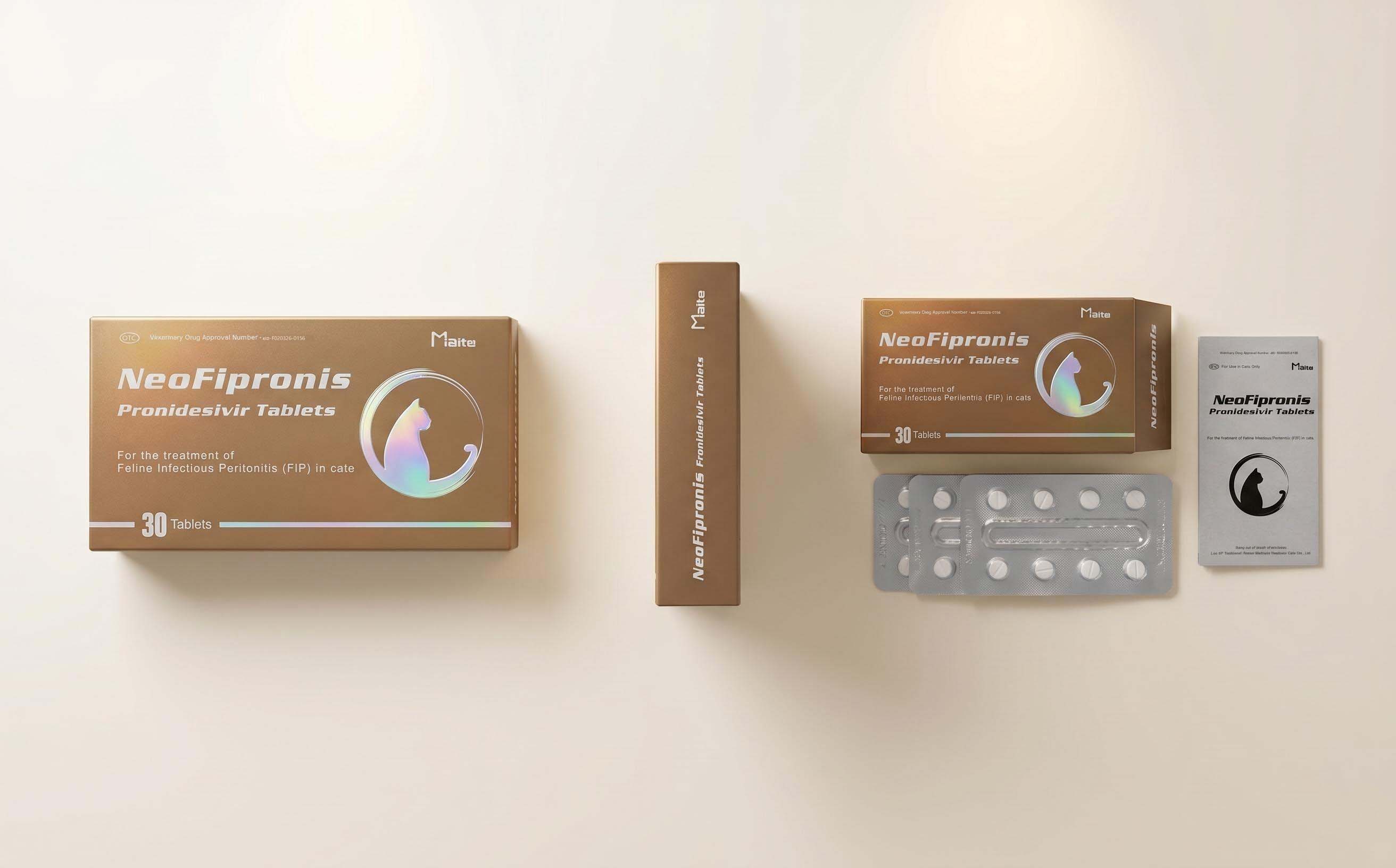
GS-441524 and related antiviral agents are now widely accepted as effective in treating FIP. Treatment typically involves daily subcutaneous or oral dosing over several weeks—commonly twelve weeks—followed by a period of observation. Other drugs, like remdesivir and molnupiravir, are under investigation as alternatives or adjuncts.
Success rates for GS-based protocols are encouraging, with many cats experiencing full remission. However, not all cats respond equally, and some may need extended treatment or higher doses, particularly in neurologic or ocular forms of FIP.
Duration of FIP Treatment: What Does “Long-Term” Really Mean?
Is treating FIP a long-term process? The answer depends on several factors, including the form of FIP, response to therapy, and post-treatment recurrence risk.
The antiviral phase generally lasts 12 weeks, which is longer than most traditional antibiotic courses but shorter compared to chronic management regimens seen in diseases like diabetes. However, the commitment required—daily administration, regular checkups, bloodwork, and close monitoring—is intensive. Those with neurologic or ocular involvement may require 15-16 weeks or even longer.
After completing antiviral therapy, most cats enter a post-treatment observation phase lasting at least three months, but some veterinarians recommend lifelong monitoring. This phase is crucial for detecting relapses, which, while relatively uncommon with adequate dosing, can occur.
Occasional relapses, especially in cases involving the brain or eyes, may require repeat courses or adjustments to therapy, extending the management timeline. Notably, there is no guarantee of life-long immunity, so vigilance is essential.
Supporting the Cat Through Treatment: Monitoring and Adjustments
Comprehensive treatment requires close observation. Veterinarians monitor clinical signs and run laboratory tests (e.g., CBC, chemistry panel, protein levels) to gauge progress. Adjustments in dosage are often necessary if symptoms persist or worsen. Owners must remain committed, ensuring proper dosing, minimizing stress, and providing nutritional support.
Beyond antiviral drugs, some cats benefit from adjunctive therapies: appetite stimulants, antiemetics, pain control, or supplements targeting immune support.
When and Why Treatment May Become Extended
A minority of cases necessitate prolonged treatment courses beyond 12 weeks. Factors influencing this include late diagnosis, extensive organ involvement, resistance to medication, or concurrent illnesses. Neurologic or ocular FIP variants, notoriously challenging, often need higher doses and longer regimens. In rare situations, lifelong antiviral therapy may be discussed, especially in cats with recurring symptoms.
Importance of Early Diagnosis and Timely Intervention
Early intervention is vital. Outcomes are significantly better when FIP is identified before severe organ damage occurs. Owners and veterinarians should watch for persistent fever, lethargy, abdominal swelling, and neurological signs in at-risk cats, particularly juveniles or those in multicat environments.
Diagnostic advances—PCR tests, immunohistochemistry, fluid analysis—aid in quicker, more accurate identification of FIP, allowing prompt initiation of antiviral therapy.
Post-Treatment Monitoring: The Long-Term Commitment
Even after successful treatment, vigilance remains crucial. Recurrence risk declines markedly after three months off medication, but annual or semiannual vet checks are recommended. Bloodwork may reveal subtle abnormalities before clinical symptoms reappear. Owners should monitor appetite, energy level, and weight over time.
For some cats, FIP may have lasting consequences, such as mild liver or kidney dysfunction. Supportive care—balanced diet, stress reduction, regular checkups—helps maintain health. Frequent communication with veterinary teams ensures ongoing protection against recurrence or complication.
The Challenge of Access and Cost
Access to antiviral drugs is improving, but remains a challenge in parts of the world. Cost—sometimes thousands of dollars for a full course—can be prohibitive for some owners. This financial strain, combined with the commitment needed for daily treatment and supervision, reinforces the perception of FIP care as “long-term.”
Support groups, nonprofit organizations, and veterinarians can often help navigate these obstacles, providing guidance on sourcing medication, optimizing care, and managing costs.
Quality of Life During and After Treatment
With proper care, most cats tolerate medication well, experiencing rapid clinical improvement. Appetite returns, energy rebounds, and quality of life rises. Still, daily injections or pills, frequent vet visits, and stress associated with serious illness challenge both the cat and owner.
Behavioral support—calm environments, gentle handling, routine—eases anxiety and encourages recovery. Post-treatment, the majority of cats resume normal activities, forming strong bonds with caretakers who supported them through the ordeal.
Preventive Measures and Reducing FIP Risk Long-Term
Long-term management of FIP extends beyond individual case treatment to population-level prevention. Reducing stress, maintaining clean environments, and avoiding overcrowding decrease transmission risk in multicat households. Breeding programs minimizing genetic predisposition help keep future generations safe.
No vaccine is currently available for the mutated virus that causes FIP. Research continues, but for now, preventive focus lies in good hygiene, nutrition, and keeping immune systems robust.
What Owners Should Know: Practical Tips for Managing FIP
Stick to the prescribed regimen; missing doses can compromise outcomes.
Schedule regular vet appointments, especially during and after treatment.
Monitor for subtle changes—new lethargy, appetite reduction, or abnormal behavior.
Communicate promptly with your veterinarian about any concerns.
Seek community support—FIP forums, local support groups, and experienced professionals can provide invaluable advice.
Emotional Aspects: Supporting Cats and Caretakers
The long-term nature of FIP treatment takes its toll not only on cats but on their families. Stress, fear, and uncertainty make supportive networks vital. Counseling, veterinary guidance, and owner support groups offer valuable reassurance and expertise. Emotional resilience often mirrors clinical recovery, emphasizing the holistic nature of FIP care.
Current Research and Future Directions in FIP Treatment
FIP research is active, with ongoing studies exploring improved antivirals, accessible therapies, shorter courses, immune modulation, and preventive vaccines. Lessons from GS-441524 trial outcomes are shaping the next generation of drugs. The hope is for higher cure rates, simplified regimens, and universal accessibility, reducing the burden on cats and owners alike.
Key Takeaways: Is FIP Treatment Actually Long-Term?
FIP treatment requires a sustained effort—weeks of medication, months of monitoring, and a lifetime of awareness. While a successful antiviral regimen can clear infection in as little as three months, the commitment to long-term health, careful observation, and readiness for relapse distinguishes FIP care as more than just a “short-term fix.” Every case is unique, and “long-term” means both the intensive phase of active therapy and the lasting vigilance that follows.
References
1. Pedersen, N. C. (2021). "Update on feline infectious peritonitis: Diagnostics and therapeutics." Veterinary Clinics: Small Animal Practice, 51(2), 345-361.
2. Addie, D. D., Blondel, A., et al. (2020). "Feline coronavirus and FIP: Diagnostics, treatment, prevention, and future directions." Journal of Feline Medicine and Surgery, 22(12), 1025-1035.
3. Dickinson, P. J., Bannasch, M. J., et al. (2020). "Antiviral therapy with GS-441524 for feline infectious peritonitis." Veterinary Microbiology, 244, 108420.
4. Izes, A. M., et al. (2020). "A review of antiviral treatment options for feline infectious peritonitis." Animals, 10(10), 1678.
5. Hartmann, K. (2022). "Feline infectious peritonitis: Update on diagnostics and therapeutics." Veterinary World, 15(1), 1-9.
6. Krentz, D., Zenger, E., et al. (2021). "Clinical efficacy and safety of GS-441524 for cats with effusive and non-effusive feline infectious peritonitis." Frontiers in Veterinary Science, 8, 812616.
7. Niels C. Pedersen (2020). "The road to understanding feline infectious peritonitis." Veterinary Pathology, 57(2), 458-467.