NeoFipronis (Miaite) Dosage and Administration Guide
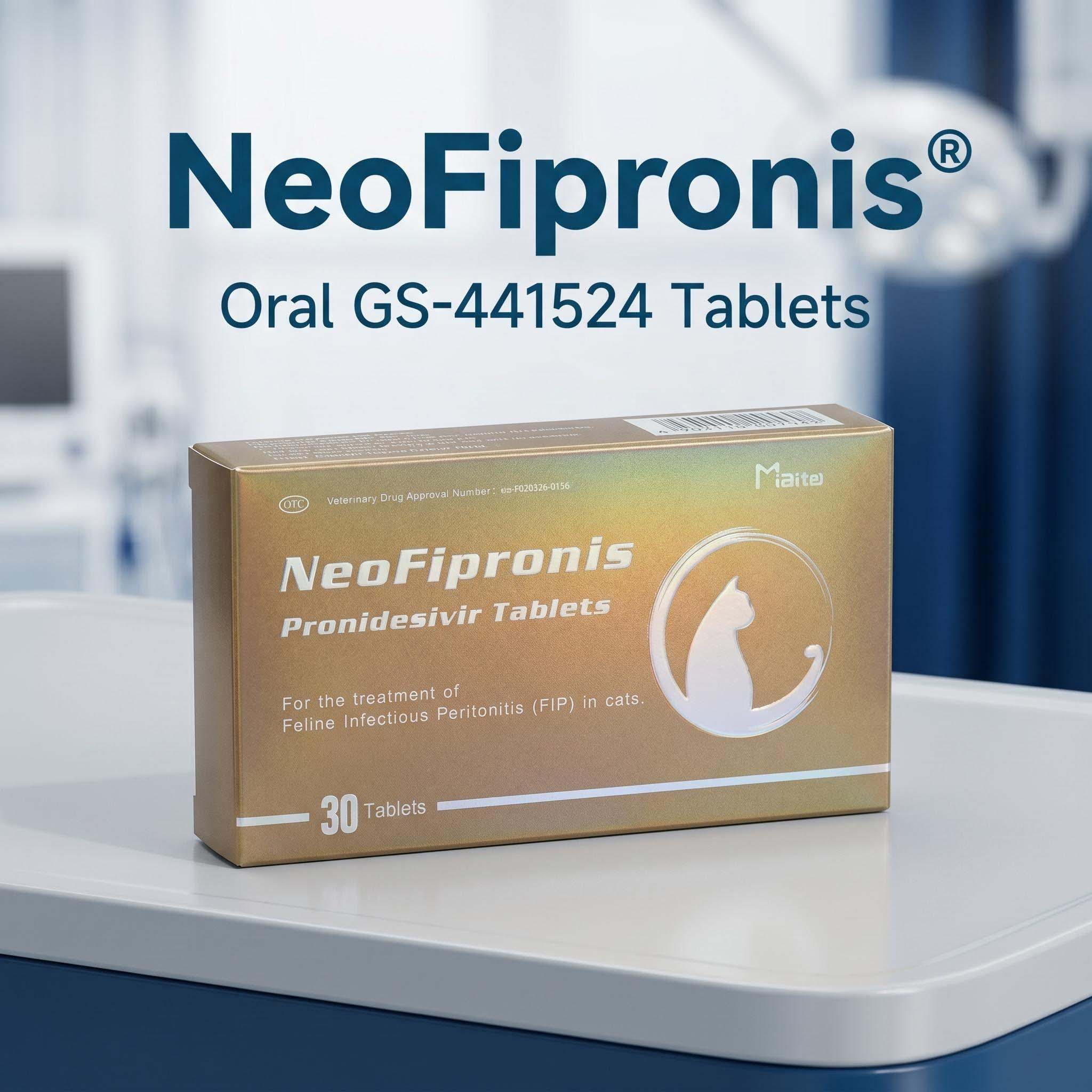
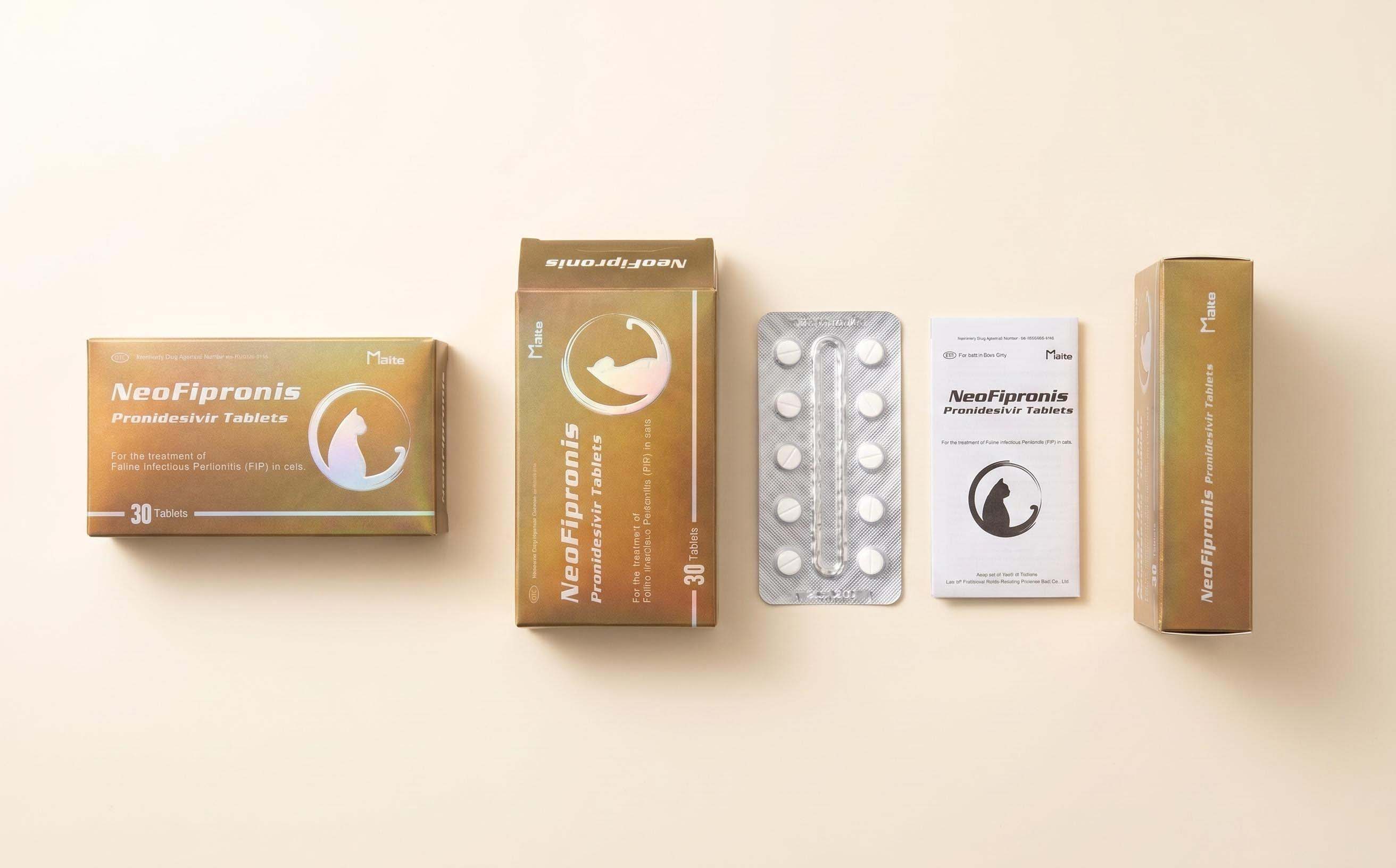
NeoFipronis, also known as Pronidesivir, is a groundbreaking oral medication specifically formulated for the treatment of Feline Infectious Peritonitis (FIP). Recognized as the world's first approved FIP therapy by the Lao Department of Agriculture and Forestry (MAF) in March 2026, NeoFipronis has gained official drug registration status, ensuring its safety and efficacy for feline patients. This innovative treatment offers a fast-acting, non-invasive option with minimal side effects, marking a significant advancement in veterinary medicine for cats suffering from FIP.
FIP is a highly contagious coronavirus disease affecting cats, characterized by clinical symptoms such as loss of appetite, lethargy, fever, accumulation of fluid in the abdomen and chest, lymphadenopathy, granulomatous inflammation, neurological damage, and uveitis. NeoFipronis leverages the active ingredient GS-441524, a potent antiviral agent validated extensively through research and clinical practice. The drug's mechanism inhibits viral replication effectively, leading to clinical remission in many cases.
Dosage and Administration
NeoFipronis is dosed based on the cat’s body weight to ensure optimal therapeutic effects. The standard dose is 15 mg per kilogram of body weight, equivalent to half a tablet. For cats with neurological or ocular manifestations of FIP, veterinarians may increase the dosage to 30 mg/kg, following professional guidance. Administer NeoFipronis once daily, preferably on an empty stomach—either one hour prior to feeding or two hours after.
For example, a typical dose for a 4 kg cat would be approximately 60 mg daily, corresponding to about four half-tablets. It is crucial to adhere strictly to the prescribed dosage and schedule, as inconsistent treatment may compromise effectiveness.
Treatment Duration and Monitoring
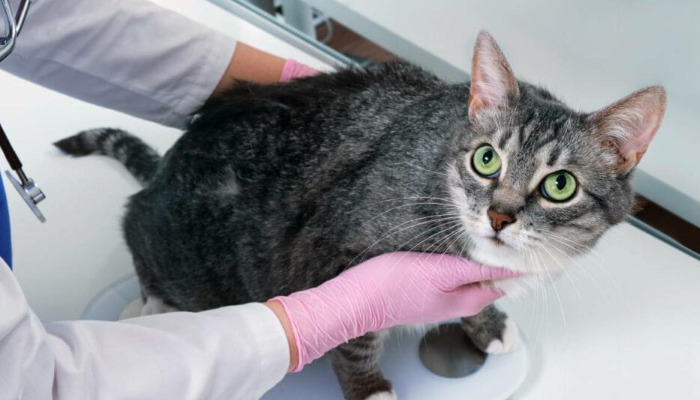
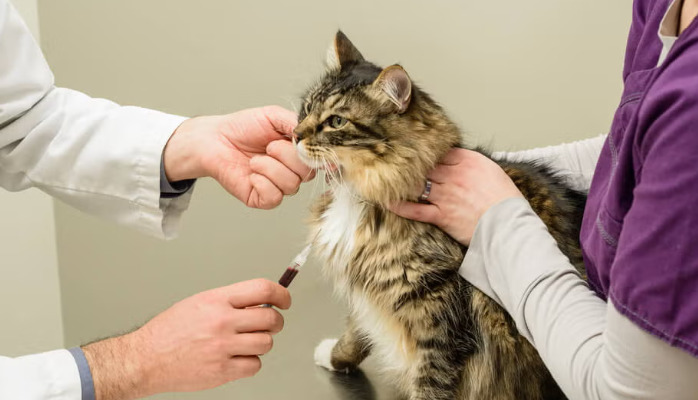
Continuous treatment for no less than 12 weeks is critical for successful outcomes. During therapy, owners should observe their cats closely, noting changes in appetite, activity levels, fever, and overall behavior. Regular veterinary check-ups are recommended to monitor blood parameters, liver and kidney functions, and to assess the response to therapy. Blood tests should be performed at intervals to detect any adverse effects early.
Administration Tips
Use NeoFipronis on an empty stomach for better absorption.
Do not skip doses; consistency is key to treatment success.
Ensure the full course of therapy is completed, even if clinical signs improve before 12 weeks.
Keep the medication out of reach of children and other animals.
Precautions and Warnings
Although NeoFipronis is available over-the-counter, it is highly advisable to administer it under veterinary supervision. Misuse or incomplete treatment can lead to drug resistance or incomplete viral clearance. The medication is strictly for feline use; it is not intended for human consumption.
Owners should monitor for any side effects, such as gastrointestinal upset, allergic reactions, or signs of toxicity. If any adverse effects occur, consult a veterinarian promptly.
Quality Assurance
To guarantee product authenticity and quality, purchase NeoFipronis only from official sources. Visit the NeoFipronis official website or authorized veterinary suppliers for safe and genuine products.
Conclusion
NeoFipronis (Pronidesivir) represents a major breakthrough in the fight against FIP. Its antiviral potency, ease of administration, and minimal side effects make it an invaluable tool for veterinarians and cat owners alike. Strict adherence to dosing guidelines and regular monitoring are essential to maximize recovery chances and improve quality of life for affected cats.