Can FIP Treatment Be Done At Home

Feline Infectious Peritonitis (FIP) is a devastating disease that affects cats across the globe, especially young felines and those living in high-density environments. Traditionally, the diagnosis of FIP was considered almost always fatal. However, recent advances in treatment have transformed the outlook for affected cats. For many pet owners, the possibility of treating their beloved companion at home, rather than at a veterinary clinic, promises reduced stress for both cat and owner. This article explores the possibilities, challenges, and responsibilities behind at-home FIP treatment, providing a clear perspective on whether home-based care is appropriate, safe, and effective for cats battling FIP in the United States.
What is FIP and Why is Its Treatment Complex?
FIP stems from a mutation of the feline coronavirus, which causes an abnormal immune response in cats. Once the disease is triggered, symptoms are varied and nonspecific, ranging from mild lethargy and fever to severe fluid accumulation in the abdomen and chest, weight loss, and neurological deficits. Historically, FIP was considered untreatable, and supportive care was the primary option.
The recent emergence of antiviral medications, notably GS-441524 and related compounds, has revolutionized treatment. These drugs target the replication of the virus inside the cat’s body, often leading to dramatic improvements. The journey from diagnosis to recovery, however, is not straightforward. Treatment requires strict adherence to dosing schedules, vigilant monitoring of side effects, and frequent reassessments—factors that complicate the prospect of home-based care.
Available FIP Treatments: Clinic-Based vs. At-Home
FIP therapies typically involve:
1. Antiviral Drugs: GS-441524 and remdesivir.
2. Supportive Care: Nutritional support, fluid therapy, pain relief.
3. Monitoring: Blood tests, ultrasounds, symptom tracking.
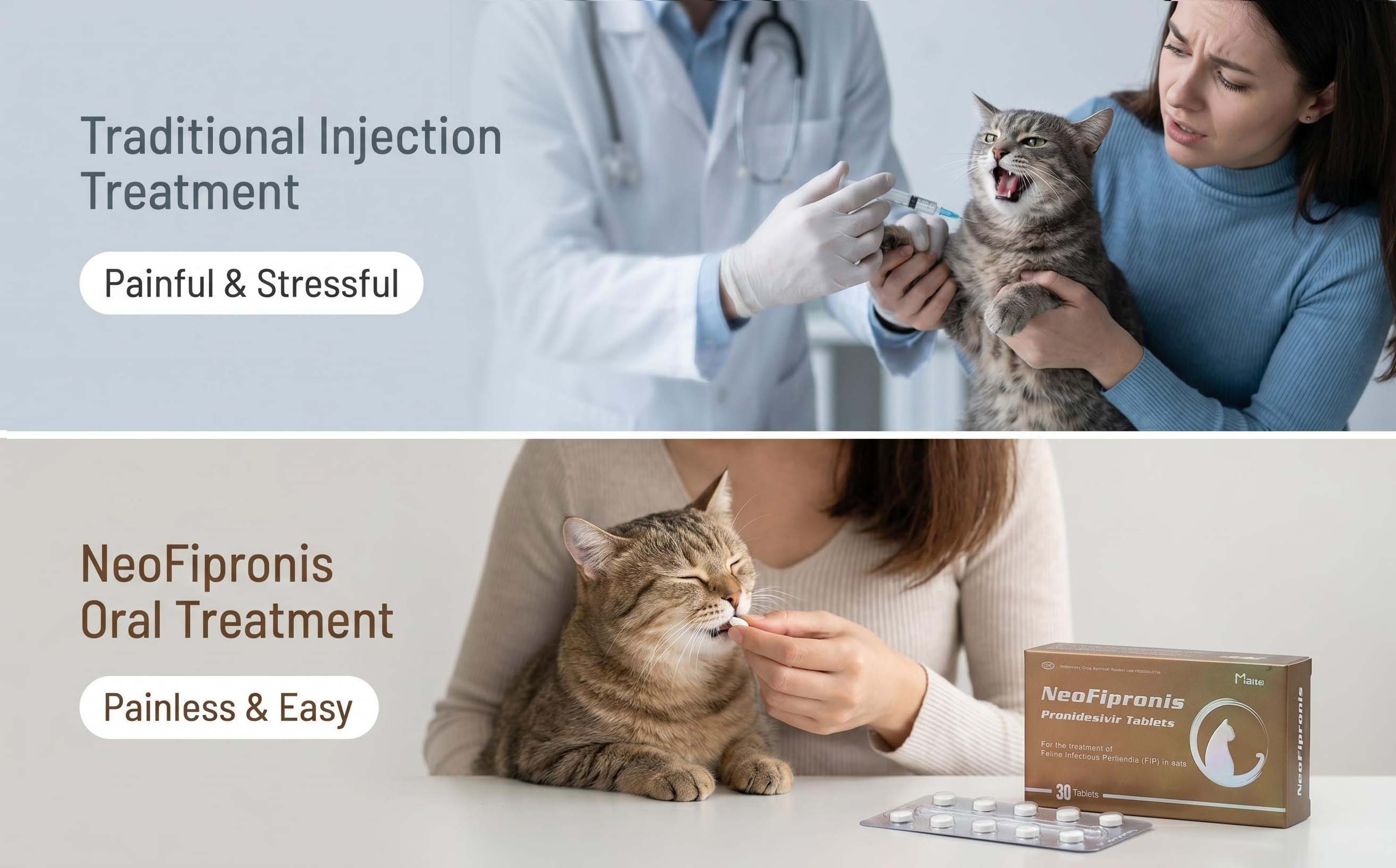
Antiviral treatment is usually the cornerstone, but supportive measures are equally vital, especially in severe cases. In clinics, veterinarians can provide injectable medications, administer fluids intravenously, and respond immediately to emergencies. At-home protocols, on the other hand, depend on the administration route—oral or injectable—and the owner’s capability.
Is Home FIP Treatment Possible?
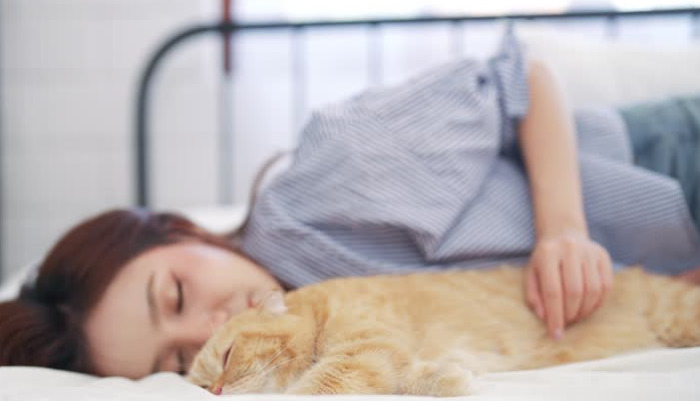
With the development of oral FIP medications, treating cats at home is now plausible under the right circumstances. Many cat owners report success managing oral antivirals at home, especially for cats that are eating, drinking, and not severely weak. Home care can reduce stress and allow the cat to stay in familiar surroundings, which may positively affect recovery.
However, not all FIP cases are suitable for home treatment. Cats with severe symptoms, difficulty breathing, neurological signs, or those needing intensive supportive therapy should be hospitalized, at least during the initial phase of treatment. Some drugs require daily subcutaneous or intravenous injection, best performed in a clinic.
Steps to At-Home FIP Treatment
1. Veterinary Diagnosis and Prescription
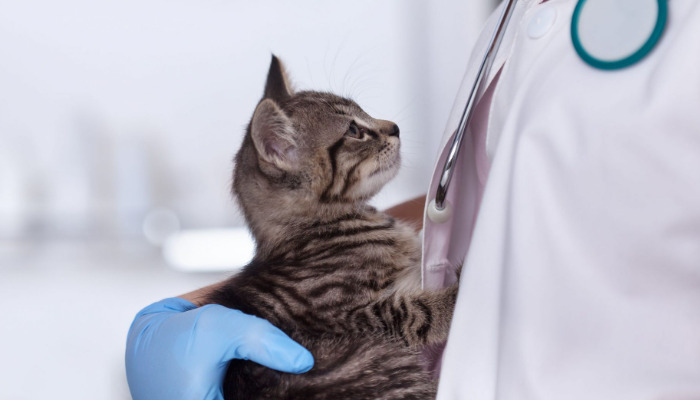
A definitive FIP diagnosis requires laboratory tests, imaging, and clinical assessment. Treatment should never begin based on suspicion alone. A licensed veterinarian must confirm the diagnosis and provide guidance on medication types, dosage, and duration.
2. Medication Acquisition and Administration
Most antiviral drugs for FIP—especially GS-441524—are not FDA-approved in the United States and typically must be sourced from overseas manufacturers or research-grade suppliers. Administration at home depends on the form:
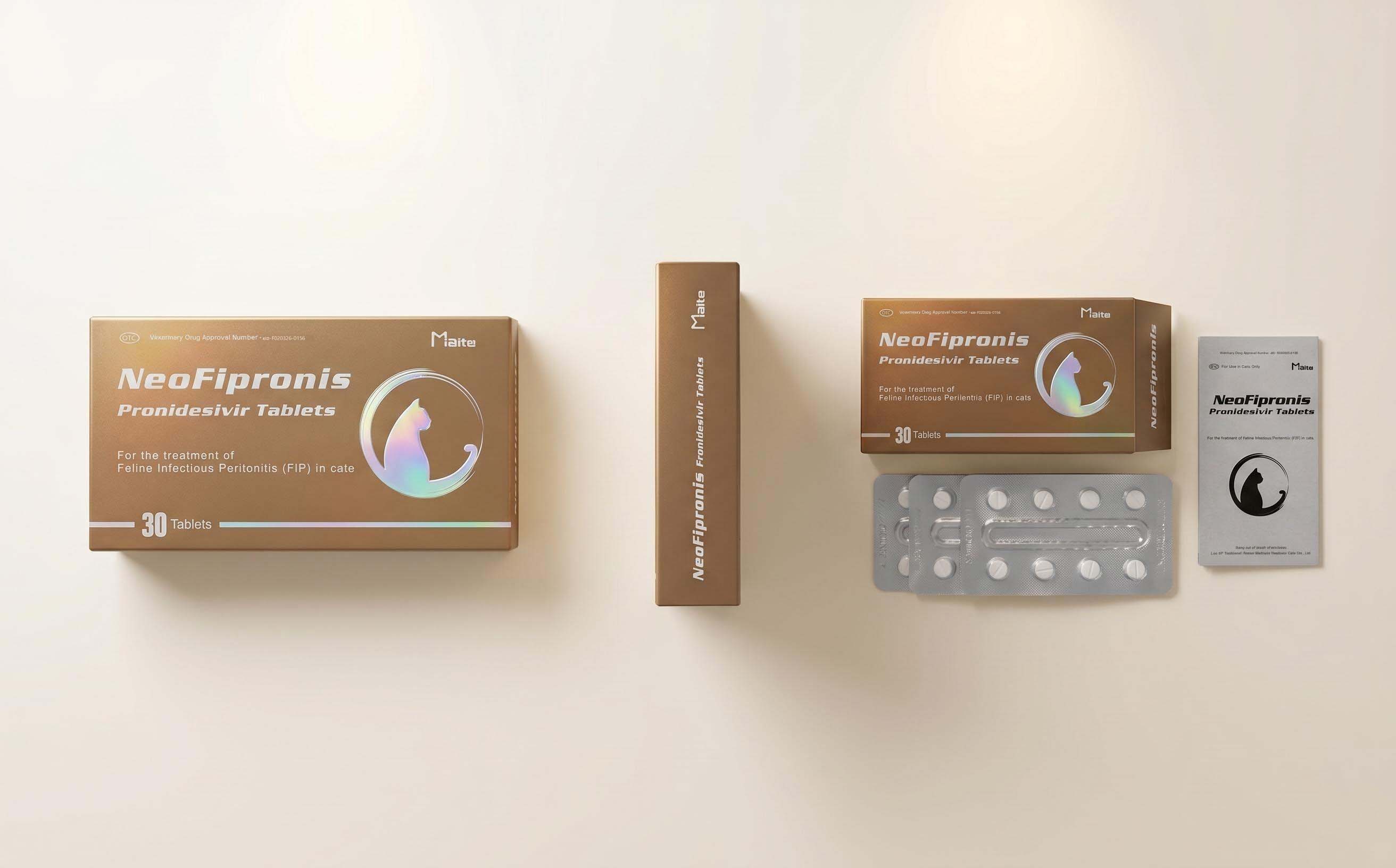
Oral tablets: Easiest for home use, but may face issues if the cat is vomiting or refusing food.
Injectable GS-441524: Requires precise dosing and injection technique. Some owners learn these skills with veterinary help, while others prefer professional administration.
Remdesivir: Used primarily in clinical settings due to its complexity and risks.
3. Monitoring Progress
Effective home treatment requires detailed monitoring. Owners must track temperature, weight, appetite, activity, and overall behavior. Regular rechecks by a veterinarian are non-negotiable; periodic blood work assesses organ function and evaluates the cat’s response to medication.
4. Safety and Side Effects
At-home FIP therapy can cause side effects like injection site reactions, vomiting, diarrhea, or neurological issues. Owners need training to recognize emergency symptoms, such as sudden respiratory distress or seizures, and must have access to immediate veterinary care.
Key Benefits and Risks of Home Treatment
Benefits
Reduced stress for the cat due to familiar surroundings.
Flexibility for owners who can't travel to clinics regularly.
Lower overall costs for non-hospital cases.
Risks
Potential for medication errors (missed doses, incorrect admin, contamination).
Delayed response to emergencies.
Inadequate monitoring for secondary complications (organ damage, concurrent infections).
Legal and ethical barriers concerning drug acquisition and use.
What to Consider Before Starting Home Therapy
Ability to Administer Medications
Owners must honestly assess their skills and willingness to learn injection and pill-administration techniques. Poor technique may lead to underdosing or injury, jeopardizing recovery.
Support Network and Veterinary Access
Successful at-home management requires strong support from a responsive veterinary team. Telehealth check-ins, accessible in-person visits, and emergency plans should be in place.
Home Environment
The home should offer a quiet, comfortable, and safe space where the cat can rest. Stressful environments or high-traffic households may hamper recovery.
Understanding Legal Status of Drugs
GS-441524 and similar antivirals for FIP are not approved by the FDA. That means sourcing and administering these drugs outside of clinical trials could have legal ramifications and ethical considerations.
Case Selection: Which Cats Qualify for Home Treatment?
Not all FIP cases are created equal. The following situations may be suited for home therapy:
Cats with mild to moderate effusive (wet) FIP who are still eating, drinking, and alert.
Cases with dry (non-effusive) FIP where neurological involvement is absent.
Owners who can demonstrate competence in medication administration.
Conversely, cats who are clinically unstable, have neurological symptoms, or need intensive supportive interventions should begin treatment in a medical facility.
Training and Resources for Pet Owners
Veterinarians often offer hands-on training for owners committed to at-home FIP treatment. Key skills include:
Proper injection technique: Subcutaneous injection sites, sterilization, handling needles, and recognizing reaction signs.
Pill administration: Effective ways to dose reluctant cats without causing trauma.
Emergency preparedness: Recognizing and responding to life-threatening changes.
Caring organizations and online communities may also offer educational support, but official guidance from qualified veterinary professionals remains essential.
Common Myths About At-Home FIP Treatment
Myth 1: Home treatment guarantees a cure.
Reality: No antiviral guarantees a successful outcome in all cases. Some cats do not respond as hoped or develop side effects that require hospitalization.
Myth 2: All FIP drugs are safe and easy to use.
Reality: Risks include overdose, underdose, allergic reactions, poor absorption, and improper storage of medication.
Myth 3: Monitoring isn't necessary.
Reality: Blood work and periodic professional assessments are vital to avoid relapses and catch organ toxicity early.
Natural Support and Complementary Therapies
While antivirals remain the primary treatment, some owners explore nutritional supplements or holistic therapies. High-calorie diets, immune boosters, gentle hydration support, and pain relief may help comfort the cat, but they cannot replace pharmaceuticals.
Veterinary guidance remains vital when considering any adjunctive treatments, as some supplements could interfere with antiviral efficacy or stress organs already compromised by FIP.
Financial and Emotional Considerations
Treating FIP at home can be more affordable than continuous clinic care, but costs remain high due to the price of antiviral medications and frequent veterinary checkups. Emotional strain is significant; owners must prepare for both the demands of daily medication and the possibility of a complicated course.
Financial assistance programs, crowdfunding, and pet insurance may provide partial relief, but potential legal implications of drug sourcing should be reviewed.
Telemedicine and Remote Monitoring: New Frontiers
Some veterinary practices now offer telemedicine for FIP cases, allowing remote monitoring, digital recordkeeping, and quick response to emerging issues. Devices such as wearable monitors may help track vital signs in real time, though, for now, periodic in-person exams are still necessary.
Regulatory and Legal Issues in the United States
Owners and veterinarians in the US must navigate a complex regulatory landscape. With GS-441524 yet to be FDA-approved, availability is limited to special circumstances and underground markets. Despite clear evidence of effectiveness, legal use of antivirals for FIP remains restricted, and owners should consult veterinarians to remain in compliance with state and federal regulations.
Future Outlook: Will Home Treatment Become the Standard?
As research expands and more drugs receive formal approval, home-based FIP treatment is likely to become safer and more accessible. For now, responsible at-home care is plausible for some cases, but only with ongoing veterinary collaboration, proper training, and informed decision-making.
References
1. Addie, D., & Jarrett, O. "Feline Infectious Peritonitis: Immunopathogenesis and Diagnosis." Veterinary Clinics of North America: Small Animal Practice.
2. Pedersen, N. C. "Update on Feline Infectious Peritonitis: Pathogenesis and Therapeutics." Veterinary Clinics of North America: Small Animal Practice.
3. Kipar, A. & Meli, M. L. "Feline Infectious Peritonitis: Still an Enigma?" Veterinary Pathology.
4. Dickinson, P. J., & Bannasch, M. "Management of FIP with GS-441524: Case Series and Clinical Findings." Journal of Feline Medicine and Surgery.
5. Murphy, B. G. "Understanding Legal and Ethical Challenges of FIP Antiviral Therapy." Veterinary Record.
6. Driscoll, C. A. "Home-Based FIP Treatment: Risks, Benefits, and Outcomes." Feline Health Symposium Proceedings.
7. American Association of Feline Practitioners. "FIP Diagnosis and Treatment Guidelines." Clinical Practice Guidelines.