Early Signs That FIP Treatment Is Working in Cats
Feline Infectious Peritonitis (FIP) is a devastating disease caused by a mutated strain of feline coronavirus. Primarily affecting young and immunocompromised cats, FIP was once considered fatal, but recent advances have introduced experimental antiviral therapies that have changed the prognosis for many affected felines. Identifying early signs that these treatments are effective is crucial not only for veterinarians but for cat owners anxious to gauge their pet’s recovery. This article outlines key indicators that FIP therapy is working, focusing on physical, behavioral, and laboratory-based evidence to guide understanding and help promote positive outcomes.
Understanding FIP in Cats
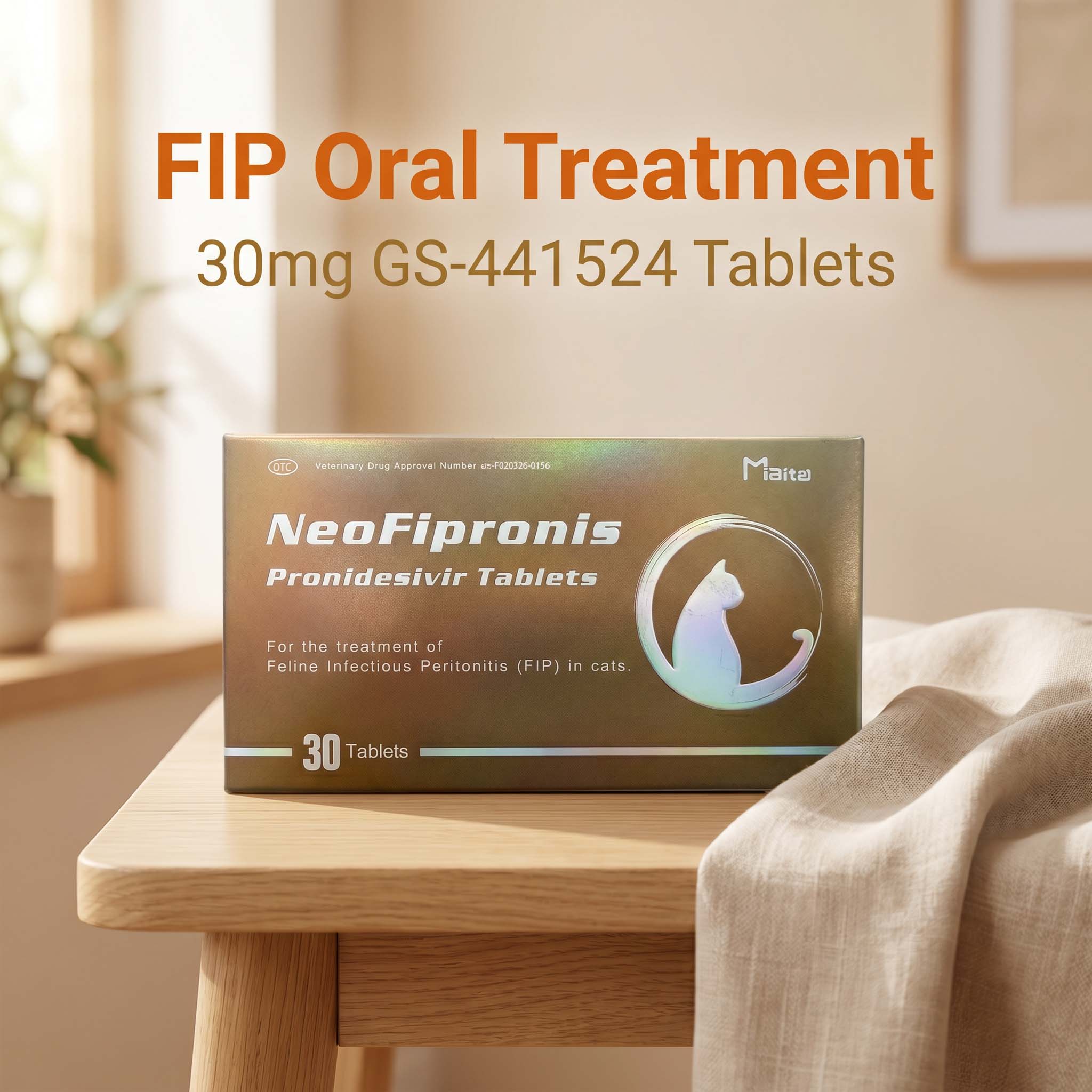
FIP manifests in two main forms: the wet (effusive) and dry (non-effusive). The wet form involves fluid accumulation in the abdomen or chest, while the dry form is typified by granulomatous lesions without significant fluid build-up. Both forms result in fever, weight loss, lethargy, and a range of systemic symptoms. With the introduction of antiviral medications, such as GS-441524 and GC376, hope has been restored for cats diagnosed with FIP. However, since treatment regimens span several weeks, it’s important to know which signs suggest therapy is working.
Physical Improvement
One of the earliest and clearest indicators of successful FIP treatment is physical improvement. Cats suffering from FIP typically display persistent fever unresponsive to conventional antibiotics. A decline in body temperature toward normal is often seen within the first week of therapy. Owners should monitor rectal temperature daily; normalization is significant as fevers are hallmark symptoms of FIP.
Return of Appetite
An increase in appetite, or the cat resuming normal eating patterns, is another early sign. Cats with FIP often develop anorexia due to systemic illness. If a treated cat begins to seek food, eat voluntarily, and show interest in treats, it often signifies improvement. Recording daily food intake helps monitor progress, and veterinary recommendations suggest offering palatable, high-protein diets to further encourage eating.
Increased Activity and Normal Behavior
Cats with FIP frequently exhibit lethargy, decreased sociability, and less involvement in their surroundings. Owners may notice their pets hiding more, sleeping excessively, or avoiding interaction. A clear signal that treatment is proving effective is when the cat becomes more energetic, starts exploring, plays with toys, and interacts with people or other pets. Behavior normalization can begin as early as a few days into the therapy, but consistent improvement over 1-2 weeks is especially telling.
Reduction in Effusions
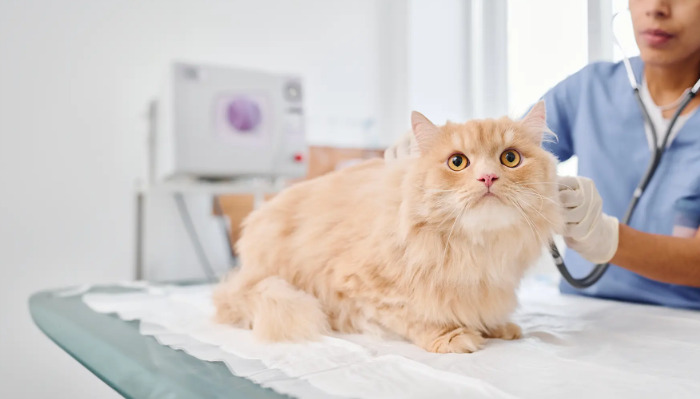
For cats with the wet form of FIP, visible abdominal swelling caused by fluid buildup is an unmistakable symptom. A decrease in abdominal distention, easier breathing, and reduced fluid volume upon veterinary examination suggest that the medication is controlling the viral replication. Veterinary assessment may include ultrasound or fluid aspiration procedures, with measurable decreases in fluid over two to three weeks confirming improvement.
Improved Coat and Grooming Habits
A cat’s coat health can reflect its overall well-being. Sick cats often halt grooming, resulting in a dull, ungroomed appearance. As FIP treatment becomes effective, many cats resume grooming and their fur regains glossiness and softness. Owners may notice reduced shedding, fewer mats, and an overall improvement in physical cleanliness within weeks.
Laboratory Evidence
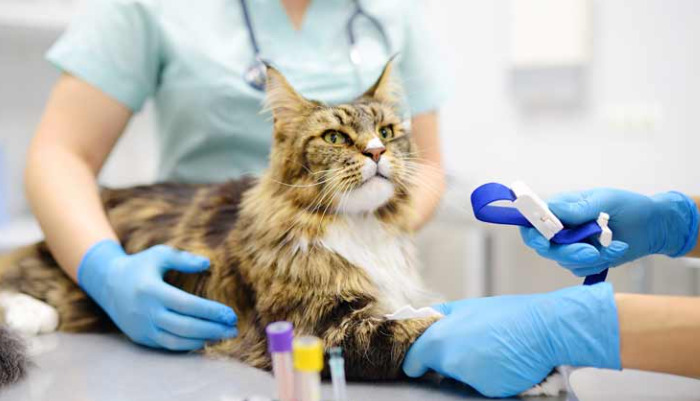
Blood test values are essential for monitoring FIP treatment progress. Veterinarians use several key indicators:
White Blood Cell Counts
Leukocytosis or lymphopenia are common with FIP. A normalization of white blood cell counts is a reliable sign that the cat is recovering from systemic inflammation.
Globulin and Albumin Levels
Cats with FIP frequently show hyperglobulinemia and hypoalbuminemia. Shifting ratios, especially improvement in the albumin-to-globulin ratio, indicate resolving inflammation and reduced viral activity.
Hematocrit and Anemia
Anemia is a frequent complication. Increased hematocrit values, signaling red blood cell regrowth, suggest improved health and bone marrow function.
Acute Phase Proteins
Elevated levels of serum amyloid A (SAA) and alpha-1 acid glycoprotein decrease as inflammation is controlled. Periodic serum testing demonstrates declining acute-phase proteins, marking successful treatment.
Veterinary Imaging
Ultrasound and radiography allow visualization of abdominal organs and effusions. Reduced fluid accumulation, smaller granulomas, and normalization of organ architecture are strong evidence that therapy is working. Repeat imaging every few weeks is recommended to confirm ongoing progress.
Reduction of Secondary Signs
FIP can cause secondary symptoms such as eye disease (uveitis) or neurological deficits. Owners may notice reduction in ocular discharge, improved pupil responses, or fewer seizures in cats with neurological involvement. Such improvement, particularly for ocular and neurological symptoms, may take longer but becomes obvious as antiviral agents combat the infection.
Owner Reports and Quality of Life
Veterinarians rely on owner observation to track daily changes in appetite, activity, and behavior. Frequent documentation by owners, such as keeping logs, helps identify subtle changes that might not be obvious in clinical settings. Reports of playful behavior, vocalization, seeking affection, and increased alertness are important markers. Greater quality of life, less discomfort, and more engagement all signal recovery.
Social Interactions and Emotional Health
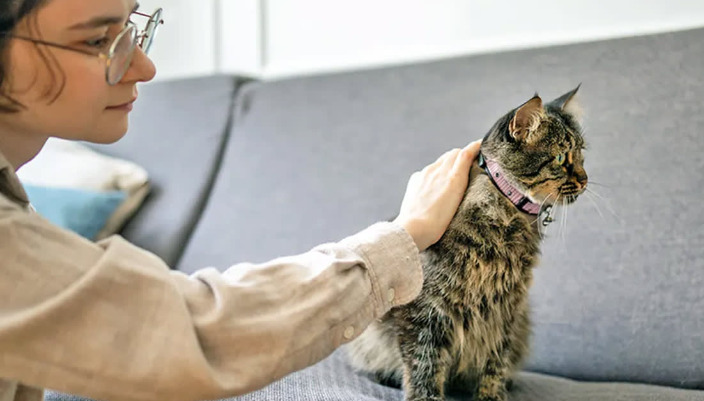
Cats recovering from FIP often resume normal social behaviors. They may seek out their owners, engage with other pets, and relax in favorite spots. Emotional health, including reduced anxiety and improved mood, often closely parallels physical recovery. Owners should note shifts in the cat's willingness to be petted, groomed, or picked up as indirect signs of improved health.
Predicting Long-Term Outcomes
Early signs are most important in the first three weeks of treatment. Consistent improvement across physical, behavioral, and lab factors generally predicts positive outcomes. A plateau of progress or reversal of signs may warrant re-evaluation of therapeutic approaches, including dose adjustments or alternative medications. Veterinarians can use early signs to counsel owners and adjust treatment plans for optimal results.
Long-term monitoring remains critical. Even after apparent recovery, repeat blood tests, imaging, and physical exams are advised monthly for at least six months. Some cats may experience relapse, while others remain disease-free. Understanding what constitutes early recovery helps guide continued vigilance and a proactive approach to therapy.
Conclusion
Recognizing early signs that FIP treatment is effective empowers owners and veterinarians to make informed decisions. Improved appetite, energy, normalization of lab values, restoration of grooming, and evidence from imaging collectively signify treatment success. The landscape for treating FIP is evolving, and attentive monitoring of cats in therapy is essential to maximize outcomes and save feline lives.
References
Pedersen, N.C. 2019. "The History, Evolution, and Current Status of Feline Infectious Peritonitis." Veterinary Clinics of North America: Small Animal Practice.
Garner, M., et al. 2020. "Field Trial of Antiviral Treatment for Feline Infectious Peritonitis." Journal of Feline Medicine & Surgery.
Dye, C., & Siddell, S.G. 2023. "Coronavirus and FIP: Pathogenesis, Diagnosis, and Treatment." Advances in Veterinary Virology.
Murphy, B.G., et al. 2021. "Efficacy and Clinical Significance of GS-441524 in Feline Infectious Peritonitis." Veterinary Microbiology.
Giles, J.L., et al. 2015. "Clinical Approach to Feline Infectious Peritonitis." Journal of Veterinary Internal Medicine.
Addie, D.D., et al. 2022. "Diagnosis and Monitoring of Feline Infectious Peritonitis." Veterinary Record.
Dickinson, P.J., et al. 2020. "Imaging Studies in Feline Infectious Peritonitis: Ultrasound and Radiography." Veterinary Radiology & Ultrasound.
Brown, M.A., et al. 2018. "Feline Infectious Peritonitis: A Review of Early Clinical Signs." American Journal of Veterinary Research.
Hartmann, K. 2021. "Advances in FIP Therapy: Clinical Outcomes and Prognostic Indicators." Feline Practitioners Journal.