Does Daily Companionship Help Reduce FIP Occurrence

Feline Infectious Peritonitis (FIP) stands among the most feared diseases in cats. Most often affecting young cats and those living in groups, FIP is caused by the feline coronavirus (FCoV) mutating inside a cat’s body. Once triggered, FIP can manifest as either the “wet” or “dry” form, both of which are typically fatal if left untreated. For decades, veterinarians and researchers have explored environmental, genetic, and social factors that might influence its occurrence. One intriguing question is whether daily companionship—meaning positive social interactions with humans or other felines—could help mitigate the risk of developing FIP.
Understanding FIP: Key Biological Mechanisms
FIP arises when feline coronavirus (FCoV)—usually harmless and resulting in mild gastrointestinal symptoms—rapidly mutates within the host. The mutation allows the virus to invade white blood cells. From there, a severe immune reaction leads to widespread inflammation, often affecting the abdominal cavity, organs, and even the central nervous system in some cases.
FCoV spreads most commonly through shared litter boxes, food/water bowls, and close contact in multi-cat households or shelters. However, not every infected cat develops FIP, highlighting a gap in our knowledge about predisposing factors.
The Role of Stress: Linking Social Environment and Disease Susceptibility
Researchers have long noted that stress and immune suppression go hand in hand. Cats experiencing psychological strain—such as those suffering from isolation, overcrowding, or frequent changes in their environment—may have a higher risk of viral mutation inside their bodies. Chronic activation of feline stress hormones can impair immune surveillance, making it easier for mutated viruses like FCoV to evade defenses and cause FIP.
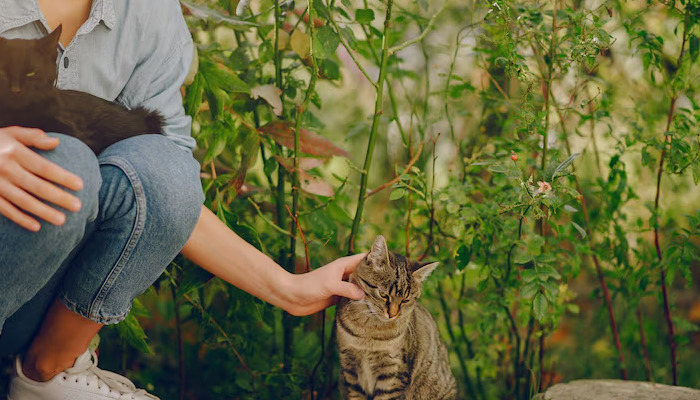
Companionship is one of the most important factors influencing stress levels in domestic cats. The presence of other cats, regular human interaction, and sensory enrichment can support psychological well-being. Positive daily companionship may regulate stress responses, promote a sense of safety, and maintain immune system function—all of which could contribute to reducing the risk of FIP occurrence.
Social Dynamics in Multi-Cat Households: Balancing Interaction and Infection Risk
Multi-cat environments are both a blessing and a challenge. On one hand, daily interaction with feline peers can provide emotional enrichment, reduce social isolation, and foster playful behaviors known to benefit health. Cats are not strictly solitary by nature; many thrive in structured multi-cat homes where resources and space are managed carefully.
However, these settings can also be a hotbed for viral transmission. Shared litter boxes and food bowls increase the risk of FCoV exposure, and in some cases, dominate cats may suppress subordinates, causing added stress and immune disruption. The key is balancing companionship with risk reduction: ensuring regular cleaning, resource separation, and monitoring the social dynamics at play.
Human Companionship: The Power of Routine and Interaction
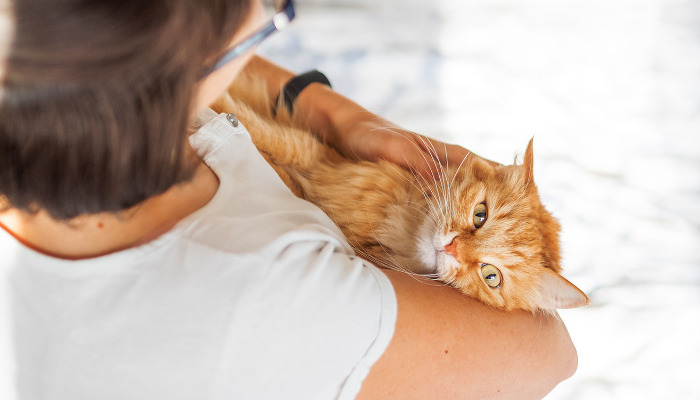
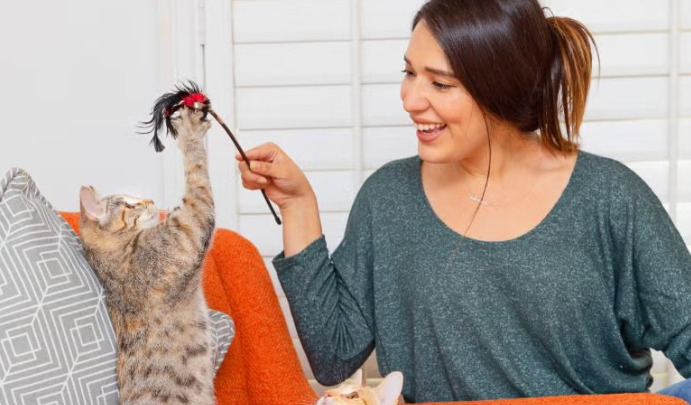
Cats are highly attuned to human behavior. Routine human companionship—including petting, playtime, grooming, and gentle verbal interaction—promotes trust and provides essential mental stimulation. Studies on shelter cats show that daily human interaction leads to lower levels of stress hormones and increased immune function. Even simple routines like feeding and grooming build a sense of predictability, which lessens anxiety.
These benefits suggest that positive daily companionship with humans can serve as an important protective factor against stress-related immune suppression, potentially decreasing FIP occurrence. The importance of a safe, predictable home environment cannot be overstated.
FIP Occurrence in Different Cat Populations: Insights from Studies
Shelter cats, feral colonies, and home-dwelling pets offer different insights into FIP occurrence. Shelters, often characterized by overcrowding and variable human interaction, tend to show higher rates of FIP and coronavirus shedding. Feral colonies, where cats form stable social groups, may have lower chronic stress but could still be at risk due to environmental exposure.
Home environments with regular companionship—either from other cats or attentive humans—typically yield lower stress profiles. While data does not conclusively prove that companionship alone determines FIP risk, many veterinarians note that stable social environments appear to coincide with reduced disease incidence, especially when paired with good hygiene and health management.
The Complex Interplay: Genetics, Immunity, and Social Factors
It’s important to recognize that FIP is multifactorial. Certain breeds, especially purebreds like Bengals and Abyssinians, may have genetic susceptibilities contributing to immune dysfunction. Immune status at the time of exposure matters, as does the viral load encountered. Social factors, including daily companionship, operate within this context—they can tip the balance towards health or vulnerability.
Good social environments bolster psychological and immune resilience, but genetics and overall health play major roles. Daily companionship cannot eliminate risk entirely but forms part of a holistic approach to prevention.
Practical Advice: Enhancing Daily Companionship While Minimizing Risk
Cat owners and shelter managers can adopt simple strategies to support social well-being and minimize FIP risk. Prioritize bonded pairs or structured group living. Provide abundant resources to prevent competition: multiple litter boxes, feeding stations, water bowls, and resting places.
Dedicate time each day to interactive play and gentle affection. For multi-cat homes, observe for signs of social conflict and intervene early. Consider rotating toys and adding vertical space to reduce tension. Maintain strict hygiene, regularly cleaning shared areas to limit viral spread.
For shelter environments, regular human contact and well-managed group living may lessen stress and support immune health. Transitional spaces, quiet time, and enriching activities can all make a difference.
Veterinary Perspective: Monitoring and Early Intervention
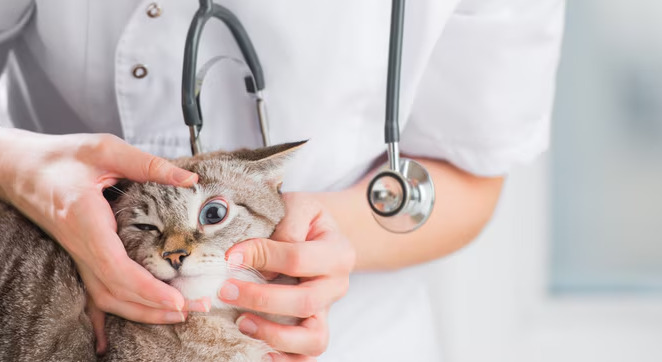
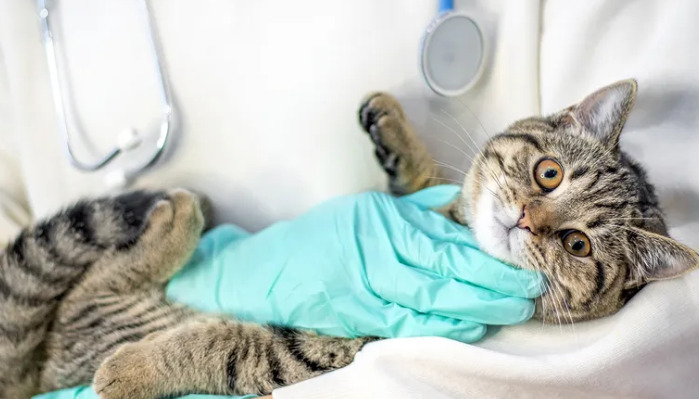
Veterinarians recommend monitoring cats for subtle changes in temperament and health—these may be early signs of distress or illness. Routine wellness checks help catch FCoV exposure before it escalates. Discuss potential breed risks and household structures with your vet. In multi-cat groups, test for FCoV as needed and manage carriers carefully.
For shelters and rescue organizations, creating stable foster placements with engaged daily companionship helps acclimate cats and reduce stress-related risk factors for FIP.
Current Treatments and Research: Hope for the Future
Historically, FIP was considered untreatable, but recent advances in antiviral medications offer new hope. Early diagnosis and intervention with drugs like GS-441524 have saved many lives. Nonetheless, minimizing risk factors through daily companionship and stress reduction remains a vital first line of defense.
Ongoing research continues to unravel how environmental, genetic, and social factors interact to trigger FIP. Supporting daily companionship is just one part of a multifaceted solution.
How to Recognize Early Signs of FIP and Boost Feline Resilience
Common early signs of FIP include persistent fever, weight loss, reduced appetite, lethargy, or swelling in the abdomen. Neurological symptoms may also occur. Owners noticing these signs should seek veterinary attention promptly.
Building resilience is an ongoing process. Provide outlets for play, scratching, and exploration. Offer routine, gentle handling and positive reinforcement. When bringing new cats into a household, use gradual introductions to avoid overwhelming current residents.
The Power of Consistent, Compassionate Companionship
Ultimately, daily companionship—whether feline or human—plays a valuable role in shaping a cat’s emotional and physical health. By understanding and supporting the social needs of cats, owners can reduce stress, support healthy immune function, and potentially lower the risks of FIP, especially in risk-prone environments. While many factors contribute to the disease, positive social experiences remain a cornerstone of feline well-being.
References
1. Pedersen, N.C. (2014). "An Update on Feline Infectious Peritonitis: Virology and Immunopathogenesis." Veterinary Journal.
2. Addie, D.D., et al. (2020). "Feline coronavirus infections: Therapeutic strategies and new developments." Journal of Feline Medicine & Surgery, 22(7).
3. Dow, S.W., et al. (1992). "Chronic Stress and Immunity in Cats: Implications for FIP." Journal of Veterinary Internal Medicine.
4. Levy, J.K., et al. (2008). "Infectious Diseases of Shelter Cats." Veterinary Clinics of North America: Small Animal Practice, 38(5).
5. Hartmann, K. (2005). "Feline infectious peritonitis." Veterinary Clinics of North America: Small Animal Practice.
6. Benson, J. & Martin, P. (2019). "Environmental Enrichment in Domestic Cats: Benefits for Health and Welfare." Animal Welfare Journal.
7. Dinnage, J.D., et al. (2009). "Environmental and Social Factors Affecting FIP Occurrence." Veterinary Record, 165(13).
8. Wagner, S. & Johnson, R. (2017). "Practical Management of Multi-Cat Households." Cat Care Quarterly.
9. Gaskell, R.M., et al. (2007). "Feline respiratory and enteric coronavirus infections." Veterinary Research.
10. Felten, S. & Hartmann, K. (2019). "Diagnosis of FIP: Recent Advances and Future Directions." Veterinary Pathology.