Essential Usage Precautions for NeoFipronis (GS-441524)
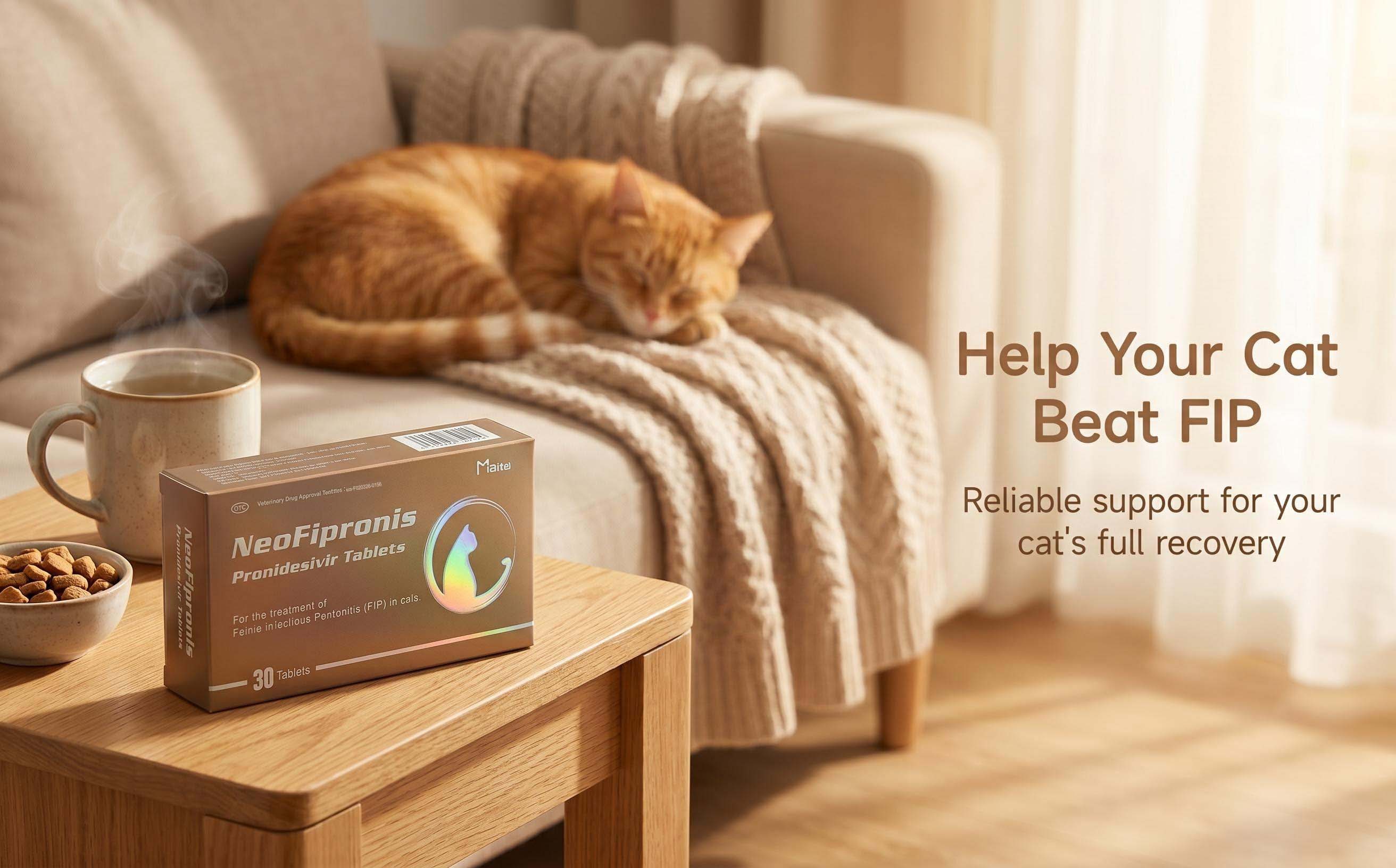
NeoFipronis (Pronidesivir) is a groundbreaking oral medication specifically developed for the effective treatment of Feline Infectious Peritonitis (FIP). Approved by the Lao Ministry of Agriculture and Forestry (MAF) in March 2026, NeoFipronis is the world’s first officially registered FIP therapy offering a safe, non-invasive, and rapid-acting solution for cats suffering from this challenging disease. The active ingredient, GS-441524, has been extensively validated through research and clinical practice, demonstrating impressive antiviral efficacy against FIP virus.
FIP manifests with symptoms such as anorexia, lethargy, fever, abdominal and thoracic effusions, lymphadenopathy, granulomatous inflammation, neurological impairments, and uveitis. NeoFipronis’s targeted action against the virus can significantly improve these symptoms, enhancing quality of life and survival prospects. Proper administration and adherence to usage precautions are crucial to maximize treatment benefits and minimize risks.
Dosage and Administration
NeoFipronis is prescribed based on the cat's body weight. The standard dose is 15mg per kilogram of body weight, approximately half a tablet. For neurological or ocular forms of FIP, clinicians may recommend an increased dose of up to 30mg/kg, tailored individually under veterinary supervision. The medication should be given once daily, preferably on an empty stomach—either one hour before a meal or two hours after—to optimize absorption.
Important Usage Precautions
Consistency is vital; treatment should last no less than 12 weeks without interruptions. Missing doses can compromise treatment efficacy and potentially lead to viral resistance. Careful monitoring of the cat’s appetite, body temperature, and mental status during therapy is essential. Regular blood tests to assess hepatic and renal functions are recommended to detect any adverse effects early. While NeoFipronis is classified as an over-the-counter medication, veterinary guidance is strongly advised to ensure appropriate dosing and management.
Safety and Quality Assurance
NeoFipronis (Pronidesivir) is designed to be safe, well-tolerated, and minimally invasive, with few side effects reported. Nonetheless, users should strictly adhere to prescribed dosages and duration. The medication should be purchased exclusively from the official NeoFipronis website or authorized distributors to verify product authenticity and safety. Self-medication or use of unverified sources is strongly discouraged due to potential quality concerns.
Warnings and Precautions
NeoFipronis is intended solely for feline use. It must not be administered to humans or other animals. Pregnant or lactating cats should consult a veterinarian before starting therapy. In case of adverse reactions, such as gastrointestinal upset or unusual behavior, stop medication immediately and seek veterinary assistance. Do not use in cats with pre-existing liver or kidney conditions unless under veterinary supervision.
Consultation and Follow-up
Veterinary consultation remains crucial throughout the treatment process. Regular check-ups should include physical examination, blood work, and evaluation of clinical symptoms. Any signs of deterioration or adverse reactions should be promptly reported. Adjustments to dosage or treatment plans should only be made under professional guidance.
Conclusion
NeoFipronis (Pronidesivir) offers a revolutionary approach for fighting FIP in cats with proven efficacy and safety. Adhering strictly to usage guidelines, proper dosing schedules, and veterinary oversight can significantly improve treatment outcomes, transforming what was once a fatal diagnosis into a manageable condition. Always ensure medication is obtained from reputable sources, and follow your veterinarian’s recommendations for optimal care.