How to Judge the Effectiveness of FIP Treatment
Feline Infectious Peritonitis (FIP) is a severe and typically fatal viral disease caused by a mutation of the feline coronavirus (FCoV). For decades, FIP represented a clinical conundrum with few effective treatment options. However, recent advancements—particularly with antiviral drugs such as GS-441524—have transformed the prognosis for many affected cats. With more FIP treatments available, cat owners and veterinarians are often faced with the challenge of evaluating their efficacy. Accurate judging of FIP treatment effectiveness is essential for optimizing patient outcomes and guiding future care decisions.
This article explores key methods and criteria for evaluating the effectiveness of FIP treatment, integrating clinical markers, laboratory results, and real-world observations for a comprehensive approach.
Understanding FIP and Its Treatment Modalities
FIP primarily affects young cats and is characterized by two main forms: effusive (wet) and non-effusive (dry). The wet form involves accumulation of fluid in the abdomen and/or chest, while the dry form manifests as granulomatous lesions in organs such as the kidneys, liver, and central nervous system.
For years, supportive care was the main therapeutic approach, focusing on nutritional support, fluid management, and pain relief. Recent breakthroughs, including the development of nucleoside analogs such as GS-441524 and Remdesivir, have provided hope for treating this once-incurable disease. Immune modulators, corticosteroids, and other supportive medications further contribute to the therapeutic arsenal.
Key Criteria for Judging FIP Treatment Effectiveness
1. Clinical Symptom Resolution
One of the most direct indicators of treatment success is the observable improvement or resolution of clinical signs. FIP commonly causes fever, lethargy, anorexia, weight loss, and abdominal distension. Improvement across these symptoms within the first weeks of treatment is a strong sign of therapeutic efficacy.
Fever: Persistent fever is a hallmark of FIP. Clinically, a sustained normal body temperature post-treatment reflects immune system recovery.
Weight and Appetite: Restoration of appetite and gradual increase in weight indicate improved metabolic and digestive functions.
Lethargy: A return to normal energy levels and playfulness is one of the earliest and most encouraging signs.
Absence of Effusion: For wet FIP, the progressive reduction and disappearance of abdominal or thoracic fluids measured by ultrasound or palpation can directly correlate with treatment effectiveness.
2. Laboratory Parameters
Objective laboratory data complement the clinical picture. Key parameters include:
White Blood Cell Count: FIP typically presents with neutrophilia. Normalization is associated with recovery.
Total Protein Levels and Globulins: FIP causes hyperglobulinemia. A decrease toward reference values, along with a resolving anemia, demonstrates response.
Rivalta Test: Positive Rivalta test results, indicating exudative effusion, should convert to negative as effusions resolve.
Albumin/Globulin Ratio (A/G Ratio): Increasing A/G ratios suggest decreasing inflammation and viral activity.
Biochemical Profile: Monitoring liver function, kidney markers, and other organs affected by FIP is essential to follow multi-organ improvement.
3. Imaging and Ultrasound
Ultrasound and x-ray imaging provide non-invasive insight into the resolution of effusions and granulomatous lesions. Progressive decrease in fluid accumulation, normalization of organ size and shape, and reduction of nodular changes are valuable markers.
In neurological and ocular FIP, advanced imaging and ophthalmological examinations can track improvements in central nervous system lesions or eye inflammation.
4. Virological Testing
Reverse Transcriptase Polymerase Chain Reaction (RT-PCR) can detect FCoV RNA in body fluids or tissues. A decrease or disappearance of viral RNA post-treatment may be used to judge virological remission, although the test is not always available or cost-effective.
5. Owner Observations and Quality of Life
Owners are often the first to notice subtle but crucial changes in their cat’s behavior, mood, and daily routines. Enhanced quality of life—such as resumption of grooming, playing, and social interaction—often signals meaningful recovery.
6. Long-Term Survival and Relapse Rate
Long-term survival remains the gold standard for judging treatment success. Most cats with FIP died within weeks to months prior to new therapies. Now, survival extending beyond one year post-treatment is increasingly reported. Recurrence of clinical FIP symptoms and relapses post-therapy should be monitored and are indicative of incomplete viral suppression.
Monitoring Treatment Progress
Continuous monitoring is necessary for tailoring treatment protocols, avoiding adverse effects, and maximizing the chance of a cure.
Baseline Assessment: Physical examination, bloodwork, imaging, and owner observations establish the initial severity.
Regular Follow-ups: Weekly to monthly re-evaluations of clinical and laboratory parameters to track progress.
Documentation: Detailed records are essential for recognizing trends, relapses, or new complications.
Communication: Open dialogue between veterinarians and cat owners ensures that behavioral improvements, side effects, or concerns are promptly reported and addressed.
Complications and Side Effects of Antiviral FIP Therapy
Judging effectiveness should also account for tolerability and safety. Side effects of nucleoside analogs include injection-site reactions, vomiting, diarrhea, and potential off-target organ effects. Monitoring for adverse reactions is critical; resolution of FIP at the expense of new health problems may not constitute a true cure. Dose adjustments and supportive therapy may be necessary.
Criteria for Full Remission
Full remission of FIP is typically defined by:
Sustained absence of disease symptoms for over twelve weeks post-treatment.
Normalized laboratory tests without recurrence.
Absence of effusion or organ lesions on imaging.
Resumption of normal activity and behavior.
However, “remission” does not always equate to a “cure”—some cats may harbor low levels of FCoV or have chronic complications. Continued vigilance is necessary.
Scientific Studies and Real-World Data
Clinical trials and field studies provide essential benchmarks for judging treatment effectiveness. Prospective studies assess survival time, remission rates, and relapses across various FIP forms, with GS-441524 consistently showing remission rates above 80% in non-neurological FIP and promising results in neurological cases. Real-world data from veterinary practices complement published literature and reflect greater variability in response due to underlying health, disease severity, and genetic factors.
Current Challenges in Evaluating FIP Treatment Effectiveness
Several challenges remain:
Diagnostic Uncertainty: FIP diagnosis remains complex and sometimes ambiguous; false positives or other diseases may mimic FIP symptoms.
Access to Medications: Not all treatments approved elsewhere are available in the US. Off-label use and compounding raise regulatory and safety considerations.
Cost: High drug costs may limit comprehensive treatment and follow-up.
Data Scarcity: For new antivirals, long-term effectiveness data is limited.
Key Strategies for Optimizing Judgement
Use a multimodal approach, combining clinical assessment, lab tests, imaging, and owner feedback.
Establish clear criteria for remission and relapse.
Ensure follow-up extends for months post-treatment.
Document all changes in a consistent format for accurate record-keeping.
Select treatment protocols based on the latest evidence and guidelines.
The Role of the Veterinarian and Owner Collaboration
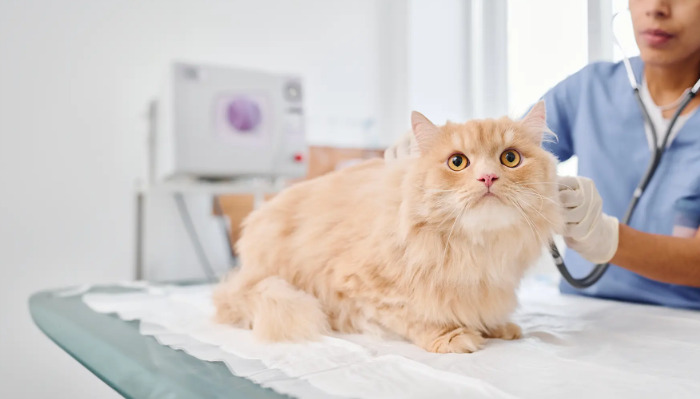
Veterinarians play a pivotal role in guiding FIP treatment and judging its success. Their expertise in interpreting clinical and laboratory data, conducting imaging studies, and integrating owner observations ensures a holistic approach. Owners, through daily interaction and intuition, provide invaluable insights into behavioral and subtle changes. This teamwork is essential for adapting treatment plans and recognizing breakthrough improvements or setbacks.
Advancements and the Future of FIP Therapy Evaluation
Research in FIP therapies continues to progress rapidly. Remote monitoring technologies, new anti-viral compounds, and improved diagnostics promise more accurate and earlier identification of remission. Ongoing data collection from treated cats worldwide is shaping best practices and enhancing our ability to judge which therapies and protocols provide the highest success rates.
References
1. Pedersen, N. C. (2020). An update on feline infectious peritonitis: diagnostics and therapeutics. Veterinary Clinics: Small Animal Practice, 50(5), 1001-1013.
2. Murphy, B. G., et al. (2018). Efficacy of orally administered GS-441524 in cats with experimentally induced FIP. Journal of Feline Medicine and Surgery, 20(7), 683-689.
3. Dickinson, P. J., et al. (2022). Treatment of feline infectious peritonitis with GS-441524 results in long-term remission. Veterinary Record, 190(12), 476.
4. Addie, D. D., et al. (2020). Guidelines on the diagnosis and management of feline coronavirus infection and feline infectious peritonitis. Journal of Feline Medicine and Surgery, 22(11), 1024-1039.
5. Tasker, S. (2018). Diagnosis of feline infectious peritonitis: Update on evidence supporting laboratory tests. Journal of Feline Medicine and Surgery, 20(3), 228-243.
6. Krentz, D., et al. (2021). The use of GS-441524 in cats with naturally occurring feline infectious peritonitis: Experience from the field. Journal of Veterinary Internal Medicine, 35(1), 290-297.
7. Hartmann, K. (2021). Feline infectious peritonitis: Recent advances in diagnostics and treatment. Veterinary Journal, 274, 105692.