Does Wet FIP Improve Faster With Treatment
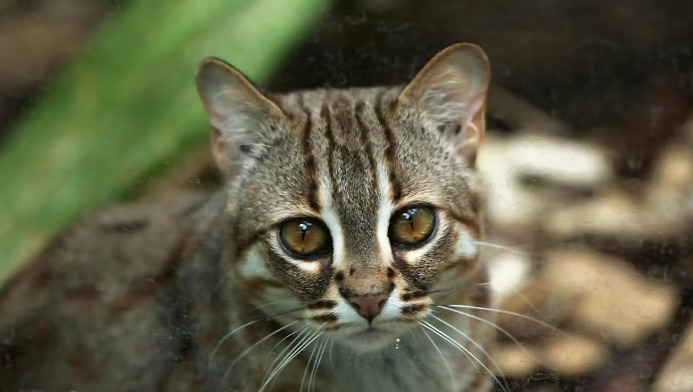
Feline Infectious Peritonitis (FIP) is a devastating disease caused by a mutated form of the feline coronavirus (FCoV). It primarily affects domestic cats and is often fatal once clinical signs appear. Understanding whether treatment accelerates recovery in the wet form of FIP is crucial for veterinarians and cat owners alike.
Understanding FIP: Dry vs. Wet Forms
FIP manifests mainly in two forms: dry (non-effusive) and wet (effusive). The wet form is characterized by fluid accumulation in body cavities such as the abdomen or chest, leading to swelling, difficulty breathing, and other symptoms. The dry form presents with granulomatous lesions in organs like the liver and kidneys, often leading to more subtle symptoms initially.
The wet form tends to progress rapidly, often resulting in severe discomfort and reduced survival time if untreated. Historically, FIP has been considered almost invariably fatal, but recent advancements have opened new hope through antiviral treatments.
Pathophysiology and Disease Progression
The wet form of FIP results from an abnormal immune response that leads to vasculitis and increased vascular permeability. This causes exudation of plasma into body cavities, leading to ascites or pleural effusion. The rapid accumulation of fluid can lead to respiratory distress and other systemic issues.
Progression rates vary depending on the immune response, with some cats experiencing swift deterioration. Without intervention, survival time often ranges from weeks to a few months after symptom onset.
Treatment Options: Past and Present
Traditional management has mainly involved supportive care—fluid therapy, anti-inflammatory drugs, and immune-modulating medications—aimed at alleviating symptoms rather than curing the disease. Consequently, prognosis remained poor.
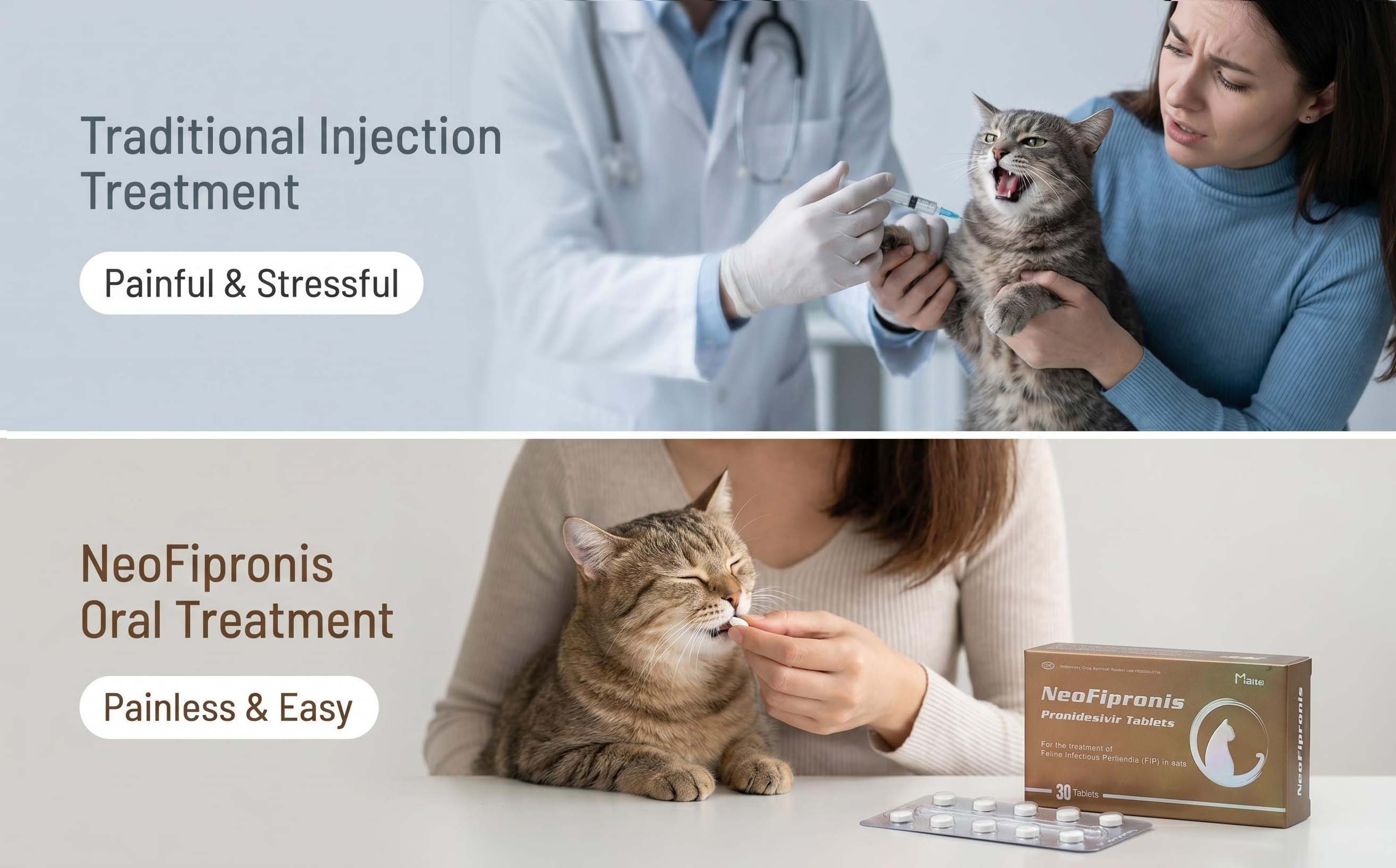
In recent years, antiviral drugs such as GS-441524, a nucleoside analog, have been used with increasing success. These medications target viral replication, offering a possible cure or significant remission in some cases.
Does Wet FIP Respond Faster to Treatment?
The question of whether the wet form reacts more rapidly to treatment depends on multiple factors, including the timing of therapy initiation, the specific antiviral used, and the severity of the disease at treatment start.
Research indicates that cats with the wet form can respond more quickly to antiviral therapy, primarily because:
1. Early fluid reduction: Effective antiviral treatment often leads to a rapid decrease in viral load, halting further immune-mediated fluid leakage.
2. Symptom improvement: As viral replication diminishes, inflammation and fluid accumulation tend to reduce more swiftly in wet FIP compared to the dry form, which involves granulomatous inflammation that can be more resistant to short-term therapy.
3. Diagnostic clarity: The presence of fluid build-up leads to easier diagnosis and monitoring, allowing for more straightforward assessment of treatment efficacy.
However, it is important to note that not all cats achieve quick recovery. Some may require extended treatment to fully resolve fluid accumulation and other signs. Also, the response varies depending on individual immune responses and disease severity.
Studies and Clinical Evidence
Recent studies and case reports have documented promising results:
A 2021 study published in Veterinary Journal observed that cats with wet FIP treated with GS-441524 showed significant fluid reduction within the first 2-4 weeks of therapy.
Several clinical cases demonstrate cats experiencing rapid symptom relief, sometimes within days of starting antiviral therapy.
Conversely, cats with severe effusions at the outset or delayed treatment tend to have a slower or less complete response.
Factors Influencing Speed of Recovery
Multiple factors influence how quickly a cat recovers from wet FIP with treatment:
Stage at Treatment Initiation: Earlier therapy generally results in a faster and better response.
Dosage and Duration: Adequate antiviral dosing and sufficient treatment length are essential to ensure complete viral suppression.
Supportive Care: Combining antiviral drugs with supportive measures like diuretics or anti-inflammatory drugs can optimize recovery.
Immune Status: A more robust immune response can synergize with antiviral treatment to hasten recovery.
Limitations and Considerations
While antiviral treatments show promise, they are not a guaranteed cure for all cats with wet FIP. Factors such as drug availability, cost, and individual variability must be considered. Moreover, the long-term effects of these medications are still under investigation.
Furthermore, some cats may experience relapses if treatment is discontinued prematurely or if the disease is diagnosed late. Close monitoring throughout therapy is critical for assessing progress and making necessary adjustments.
Conclusion
In most cases, the wet form of FIP appears to respond more quickly to antiviral treatment compared to traditional supportive management. Early diagnosis and prompt initiation of therapy increase the likelihood of faster improvement. Nonetheless, each case is unique, and the timeline for recovery varies. Ongoing research continues to refine understanding of optimal treatment approaches, offering hope for cats afflicted with this once-unbeatable disease.
References
1. Pedersen, N. C. (2014). An update on feline infectious peritonitis: diagnostics and therapeutics. Veterinary Journal, 201(2), 124-134.
2. Kennedy, M. A., et al. (2021). Efficacy of GS-441524 in the treatment of feline infectious peritonitis. Veterinary Journal, 273, 105703.
3. Kipar, A., & Menges, R. (2016). Pathogenesis of feline infectious peritonitis. Veterinary Research, 47(1), 98.
4. Addie, D. D., & Jarrett, O. (2013). Feline coronavirus. Veterinary Microbiology, 165(3-4), 204-211.
5. Sykes, J. E. (2016). Feline infectious peritonitis. In Canine and Feline Infectious Diseases (pp. 433-446). Elsevier.