Is Constant Curling up a Sign of Discomfort in FIP
Feline Infectious Peritonitis (FIP) remains one of the most challenging diseases in feline medicine. Caused by certain strains of the feline coronavirus (FCoV), FIP manifests differently in cats, often leading to subtle signs that pet owners and even veterinarians may overlook. Among the various symptoms reported, behavioral changes, such as curling up frequently, are sometimes observed. This article explores whether constant curling up can be considered a sign of discomfort or pain in cats with FIP.
Understanding FIP and Its Symptoms
FIP is a complex disease with two main forms: the wet (effusive) and dry (granulomatous). Both forms involve immune-mediated damage and can cause systemic illness. Common clinical signs include weight loss, fever, lethargy, lethargy, and neurological or ocular symptoms, depending on the form. Due to its variable presentation, diagnosing FIP requires a combination of clinical suspicion, laboratory testing, and often, histopathology.
Behavioral changes are often subtle yet significant. Cats may become less active, withdrawn, or exhibit altered grooming habits. However, how behavioral signs such as constant curling up relate directly to discomfort is less clear, sparking curiosity among pet owners and veterinary professionals alike.
The Significance of Curling Up in Cats
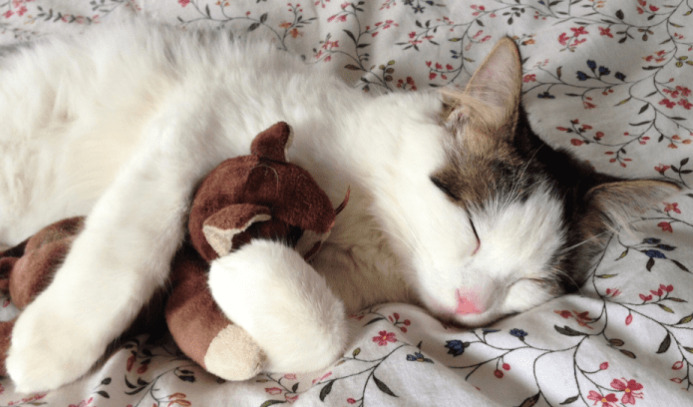
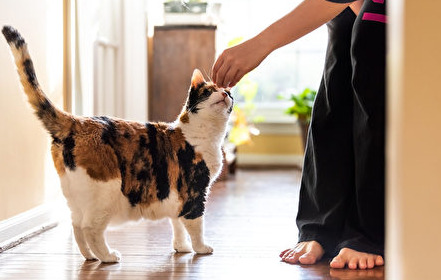
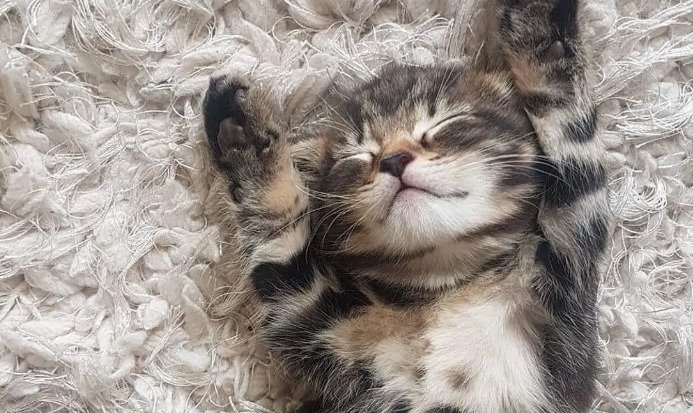
When cats curl up, it's traditionally viewed as a comfortable or self-soothing position. Nevertheless, cats also curl up when they are cold, anxious, or feeling unwell. This positional behavior is a reflection of their innate survival instincts, conserving body heat and providing a sense of security.
In the context of illness, particularly systemic or chronic illnesses like FIP, persistent curling or lying in a curled position may indicate discomfort or pain. For example, cats with abdominal pain, inflammation, or internal discomfort tend to adopt curled-up postures to minimize pain or restrict movement.
Is Continuous Curling Up a Sign of Discomfort in FIP?
While no clinical sign is definitive, there is growing evidence to suggest that constant curling up in cats with FIP may serve as an indicator of underlying discomfort. FIP-related inflammation, especially within abdominal organs, can cause pain or tenderness. Cats intuitively respond by adopting protective postures, such as curling up, to alleviate discomfort.
Additionally, the chronic systemic nature of FIP often leads to general malaise and lethargy. When cats are unwell, they may spend more time resting or curled up, conserving energy and reducing the strain on their bodies. This behavior could be misinterpreted as mere sleepiness, but persistent curling that accompanies other signs—such as loss of appetite, abdominal swelling, or ocular changes—may signal discomfort.
Differentiating Comfort from Discomfort
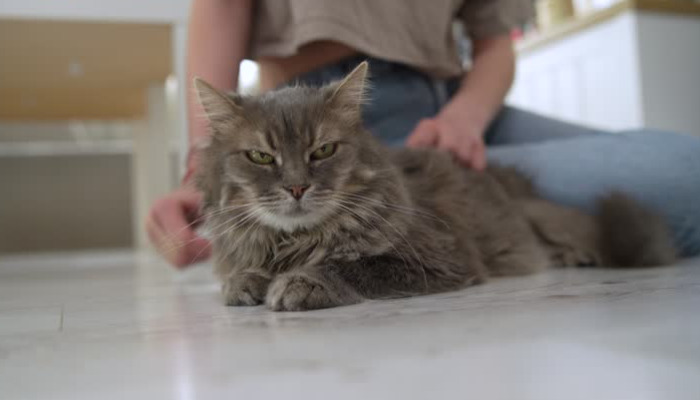
It’s important to distinguish between a cat curling up as a sign of comfort and as a sign of distress. Observation of other behaviors can help. For example, if a cat frequently adopts a curled-up position but also shows signs of pain when touched, vocalizes when moved, or exhibits changes in appetite, these collectively point toward discomfort.
Owners should be attentive to the context and duration. Short periods of curling may simply be resting or seeking warmth. Conversely, constant curling, especially alongside other clinical signs like fever or abdominal distension, warrants veterinary evaluation.
Implications for Veterinary Practice
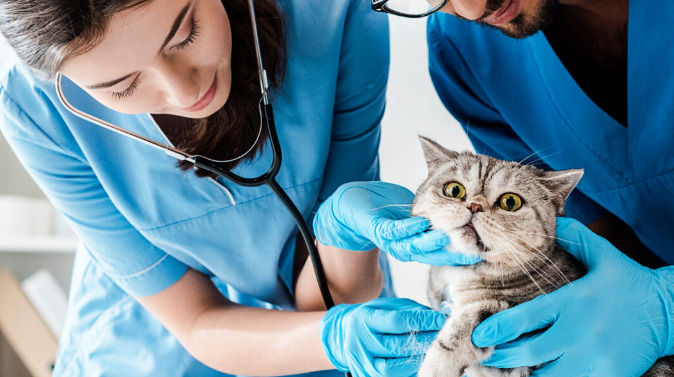
Veterinarians should consider persistent curling up as a potential behavioral indicator of discomfort in cats with suspected or confirmed FIP. A thorough physical examination, including palpation of the abdomen, blood tests, and imaging, can help identify signs of pain or internal inflammation.
Pain management may improve quality of life, even if it doesn’t cure FIP. Analgesics or anti-inflammatory drugs might reduce discomfort, making the cat’s behavior more aligned with relaxed resting rather than pain-driven positioning.
Furthermore, communicating with pet owners about behavioral observations is vital. Educating them on signs of discomfort allows for earlier intervention and better supportive care.
Limitations and Further Research
While clinical intuition suggests a link between constant curling up and discomfort, scientific studies specifically correlating this behavior with FIP are limited. More research is needed to quantify this association and establish behavioral markers that can assist in early detection and pain management.
Conclusion
In cats suffering from FIP, constant curling up may be an unconscious attempt to manage pain or discomfort resulting from internal inflammation or systemic illness. Recognizing this behavior within the broader context of other clinical signs can aid in improving symptom management and overall care. Ongoing research and clinical awareness are essential to better understand and interpret behavioral cues in feline health.
References
1. Addie, D. D., & Jarrett, O. (1992). Feline enteric coronavirus: an overview of current knowledge. Veterinary Journal, 144(2), 113-121.
2. Pedersen, N. C., et al. (2016). Feline infectious peritonitis: recent advances and new approaches for diagnosis and treatment. Veterinary Immunology and Immunopathology, 179, 43-53.
3. Hartmann, K. (2017). Feline infectious peritonitis. Topics in Companion Animal Medicine, 32(3), 160-166.
4. Kipling, E., et al. (2019). Clinical Behavior and Pain in Cats with Feline Infectious Peritonitis. Journal of Feline Medicine and Surgery, 21(8), 662-668.
5. Paltrinieri, S., et al. (2016). Feline coronavirus infections: their relationship with the development of FIP. Journal of Feline Medicine and Surgery, 18(12), 999-1008.