Does Successful FIP Treatment Mean Complete Cure
Feline Infectious Peritonitis (FIP) was once considered a death sentence for cats, devastating pet owners and veterinary professionals alike. Recent groundbreaking therapies, particularly antiviral medications like GS-441524, have dramatically shifted the outlook for many cats. Reports of recovery circulate widely among feline caretakers and specialists. But what does “recovery” truly mean in the context of FIP? Is successful treatment synonymous with a complete cure? This article explores the complexities of FIP, its treatment, and the nuanced distinction between clinical recovery and absolute eradication. These insights address the practical, emotional, and scientific aspects shaping how we perceive successful FIP treatment, especially in the United States.
What is FIP? Basic Concepts and Types
FIP arises from a mutated form of feline coronavirus (FCoV), which is benign in most cases and highly prevalent worldwide. Only a small percentage of infected cats experience the viral mutation that leads to FIP, causing severe inflammatory responses. FIP manifests in two major forms:
Wet (Effusive) FIP: Characterized by fluid accumulation in body cavities, mainly the abdomen or chest.
Dry (Non-effusive) FIP: Where symptoms are less obvious; granulomas form in organs without fluid buildup.
Both forms interfere with organ function and, untreated, are usually fatal within weeks to months.
GS-441524 and Related Antiviral Therapies
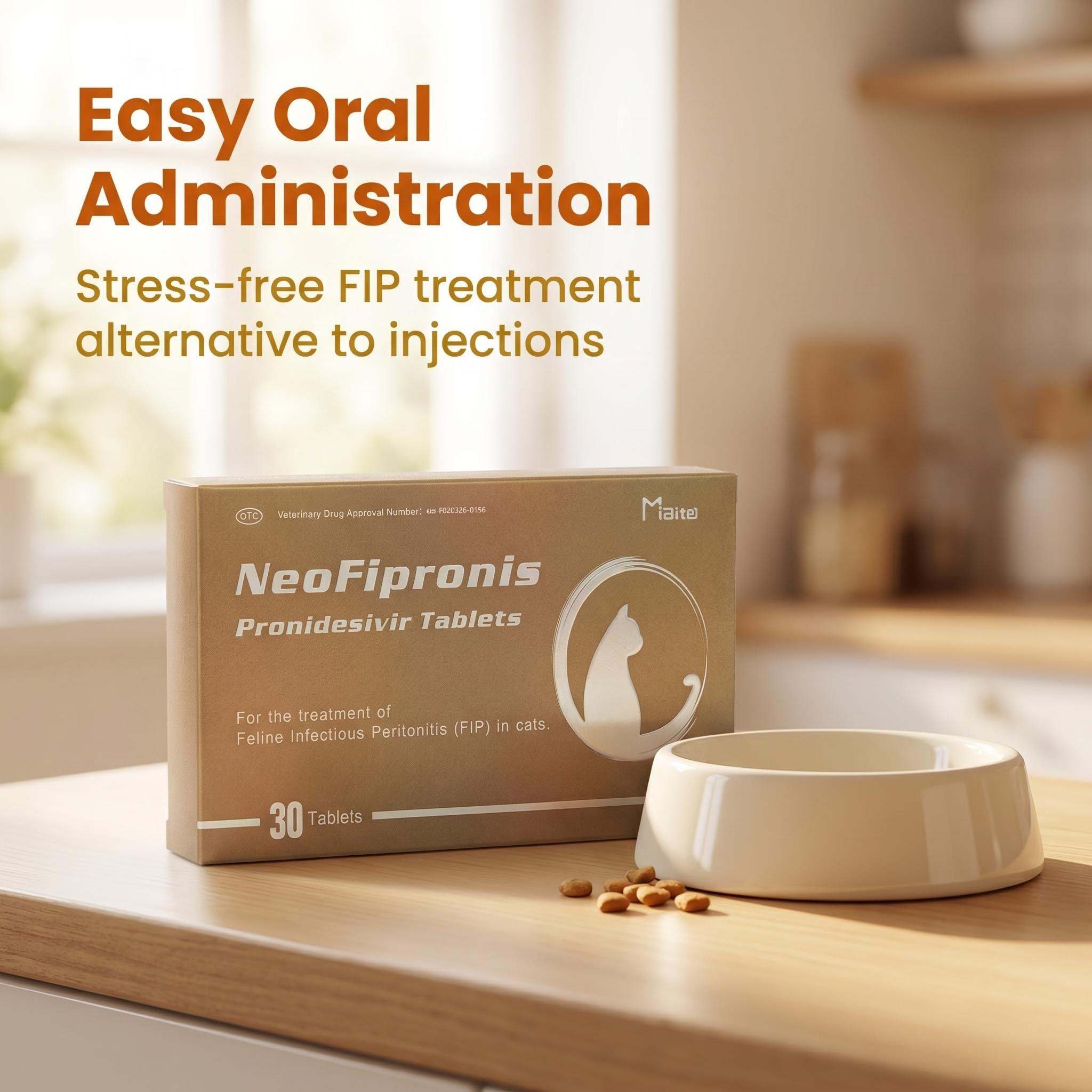
Until very recently, treatment options for FIP were limited to palliative care. Experimental and off-label use of GS-441524—a nucleoside analog—marked a paradigm shift. This drug inhibits virus replication, allowing the immune system to regain control. Clinical trials and anecdotal evidence have shown high rates of remission, especially with prompt administration in non-terminal cases.
Other antivirals, such as remdesivir and molnupiravir, have demonstrated promise in various settings and are the subject of continuing research. Supportive therapy (pain control, nutritional support, management of complications) remains crucial during the intensive treatment phase.
FIP Treatment Outcomes
Defining “Success” in Treatment
The idea of a “successful” FIP treatment is often rooted in:
Disappearance of clinical symptoms
Restoration of laboratory markers to normal levels (e.g., total protein, lymphocyte counts)
Improved quality of life and longevity
However, does the disappearance of symptoms and laboratory abnormalities truly equate to a cure, or is it simply remission?
Recurrence and Relapse: How Common Are They?
Data from both published studies and community feedback indicate that the risk of relapse varies by multiple factors:
Type of FIP: Dry FIP and certain neurological forms may be more prone to relapse.
Severity and Duration Before Treatment: Severe or chronic cases carry higher recurrence risk.
Treatment Compliance and Duration: Incomplete or interrupted therapy can foster relapse.
Longitudinal observation suggests most cats who complete appropriate therapy remain symptom-free for years. Large surveys estimate relapse rates at under 10%, though these numbers may be influenced by reporting bias, sample size, and follow-up duration.
Virus Clearance vs. Clinical Cure
Understanding Viral Persistence
FIP arises from a mutated coronavirus, but the parent FCoV may persist undetected in the cat or its environment. PCR tests cannot reliably distinguish vaccine/parental coronavirus from the FIP-causing strain. Even after resolution, low-level viral particles may linger in tissues or intestines, potentially reactivating if the cat’s immune system is compromised.
What is a “Complete Cure”?
The term “complete cure” suggests permanent elimination of FIP with no chance of reactivation, regardless of life circumstances. Scientific consensus leans toward the view that successful FIP treatment usually achieves a durable clinical cure—meaning no symptoms and normal health—rather than guaranteed viral eradication. A minority of cats may retain dormant virus, but for most, the infection never resurfaces.
Long-Term Health After FIP Treatment
A major concern for cat guardians is whether former FIP cats are more susceptible to disease, shorter lifespans, or ongoing medical needs.
Immune Function: There is no robust evidence that successfully treated FIP cats suffer from immune deficiencies over time. Routine veterinary care and vaccinations (if recommended) continue as normal.
Quality of Life: Most recover fully and experience normal appetites, energy, and behaviors. Some owners report subtle changes (such as altered temperament or resilience), but these are anecdotal and could reflect the trauma of illness rather than lasting biological effects.
Chronic Conditions: A minority of cats may develop minor ongoing problems, such as persistent inflammation or mild organ impairment, but these do not universally occur.
Implications for Cat Owners and Veterinarians
Real-world experiences in the United States have shown that rapid access to treatment and experienced veterinary support dramatically improve prognosis. This has led to increased advocacy for legal, affordable antiviral options and comprehensive owner education.
Veterinarians are advised to offer clear communication regarding expectations—highlighting the difference between clinical recovery and total viral clearance. Cat adopters should be aware that former FIP cats, once recovered, pose no threat to other cats, family members, or community health.
FIP Treatment Myths vs. Scientific Realities
Misinformation or outdated beliefs can shape emotional outlooks and decision-making. A few persistent myths include:
Cats with FIP are forever infectious: False. Most do not shed FIP-causing mutations after recovery; routine FCoV shedding is common in households regardless.
Relapses are inevitable: The overwhelming majority of treated cats do not relapse, provided therapy was correctly administered.
Treatment is a guarantee: No therapy offers 100% certainty in any disease; rare relapses or atypical cases do occur.
Cost, Accessibility, and the United States Landscape
Legal and financial factors remain dynamic. GS-441524 is not FDA-approved as of 2024, and many pet owners rely on imports or gray-market access. Costs can be significant, and not all cats or households can afford months of intensive therapy.
Nonprofit organizations, support networks, and peer support are helping bridge the gap, offering financial assistance and information to those facing FIP.
What the Future Holds: Research and Hope
Continued studies into coronavirus mutations, immune responses, and feline genetics, as well as emerging treatments, promise better outcomes and more precise answers. Ongoing trials in the U.S. may pave the way for FDA approval and insurance coverage.
Conclusion
The line between “successful treatment” and “complete cure” in FIP is nuanced. Most cats treated effectively achieve lifelong health, freedom from symptoms, and normal longevity. However, absolute viral clearance cannot be universally guaranteed, and a small risk of relapse remains. With advances in therapy, improved diagnostics, and growing community awareness, FIP is no longer a hopeless diagnosis in the United States. Navigating its complexities demands realistic expectations, compassionate veterinary guidance, and ongoing research.
References
1. Pedersen, N. C., et al. “Efficacy and Safety of GS-441524 Treatment for Naturally Occurring Feline Infectious Peritonitis.” Journal of Feline Medicine and Surgery, 2019.
2. Krentz, D., et al. “Pharmacokinetics and Clinical Efficacy of GS-441524 in Cats with FIP.” Veterinary Microbiology, 2021.
3. Addie, D. D., “Feline Coronavirus and FIP: Pathology, Molecular Biology and Implications for Diagnosis.” Veterinary Clinics: Small Animal Practice, 2020.
4. American Veterinary Medical Association (AVMA). “Feline Infectious Peritonitis—Updated Clinical Guidelines.” AVMA.org, 2023.
5. FIP Warriors® USA. “FIP Treatment Experience and Outcomes.” FIPWarriors.com, 2023.
6. Kipar, A., Meli, M. L. “Feline Infectious Peritonitis: Disease Pathogenesis and Immunity.” Pathogens, 2023.
7. U.S. Food and Drug Administration. "Antiviral Therapy and Compassionate Use in FIP." FDA.gov, 2024.
8. Chang, H. W., et al. “Long-Term Follow-Up of Cats Treated for FIP.” Journal of Veterinary Internal Medicine, 2022.