Comparing Different GS-441524 Formulations
Feline Infectious Peritonitis (FIP) is a devastating and often fatal viral disease affecting domestic cats worldwide. Characterized by symptoms such as fever, weight loss, lethargy, abdominal or thoracic fluid accumulation, and neurologic and ocular signs, FIP has historically been challenging to treat. However, recent development of antiviral therapies, particularly GS-441524, has revolutionized FIP management. This article provides an in-depth comparison of various GS-441524 formulations available in the market, emphasizing their characteristics, efficacy, safety, and suitability for treating FIP.
Understanding GS-441524 and Its Role in FIP Treatment
GS-441524 is a nucleoside analog that inhibits the replication of feline coronavirus, the causative agent of FIP. It is a metabolite of remdesivir, initially developed for human viral infections. In cats, GS-441524 has demonstrated remarkable antiviral activity, resulting in significant clinical improvements and, in many cases, complete remission of FIP symptoms.
Despite its promising efficacy, GS-441524 is not officially approved by major regulatory agencies like the US FDA. Nevertheless, it is widely used through veterinary compounding and specialized suppliers. Its formulations vary, including injectable, oral liquids, tablets, and novel delivery systems, each with distinct advantages and limitations.
Different Formulations of GS-441524
1. Injectable GS-441524
Overview:
Injectable formulations are among the earliest available versions of GS-441524. They are often compounded by veterinary pharmacies, providing a liquid solution administered via subcutaneous or intramuscular injections.
Efficacy & Safety:
Injectables offer high bioavailability, ensuring rapid absorption into the bloodstream. This formulation allows precise dosing, making it suitable for severe cases. However, repeated injections can cause discomfort, stress, and potential injection site complications such as swelling or abscesses.
Pros and Cons:
Pros: Rapid onset, high bioavailability, suitable for severe or initial cases.
Cons: Invasive administration, potential for injection site reactions, demanding for owner compliance.
2. Oral GS-441524 Solutions
Overview:
Oral solutions are becoming increasingly popular for ease of administration. These formulations are liquids designed for oral intake, often in flavored syrups to improve palatability.
Efficacy & Safety:
Oral formulations provide a practical alternative, especially for long-term treatment. Their absorption rates can be variable depending on formulation and individual cat differences, but well-designed products can ensure sufficient bioavailability. Side effects remain minimal when doses are appropriate.
Pros and Cons:
Pros: Non-invasive, easier administration, better owner compliance.
Cons: Variable absorption, potential for inconsistent dosing, less immediate effect depending on absorption efficiency.
3. Oral Tablets and Capsules
Overview:
Tablets and capsules offer another oral delivery option. They are manufactured with precise dosages, ensuring consistent intake.
Efficacy & Safety:
Tablets are convenient for some pet owners but may pose challenges with cats resistant to tablet administration. Capsules can be opened and mixed with food to improve acceptance, although some cats may refuse.
Pros and Cons:
Pros: Precise dosing, convenient storage.
Cons: Difficult administration for some cats, potential for incomplete ingestion.
4. Novel Delivery Systems: Mimetics and Nanoformulations
Emerging research focuses on nanotechnology and targeted delivery systems to optimize GS-441524 absorption and distribution. These innovations aim to reduce dosing frequency, minimize side effects, and improve tissue penetration, especially in neurologic or ocular FIP cases. However, these are still largely experimental and not yet commercially available.
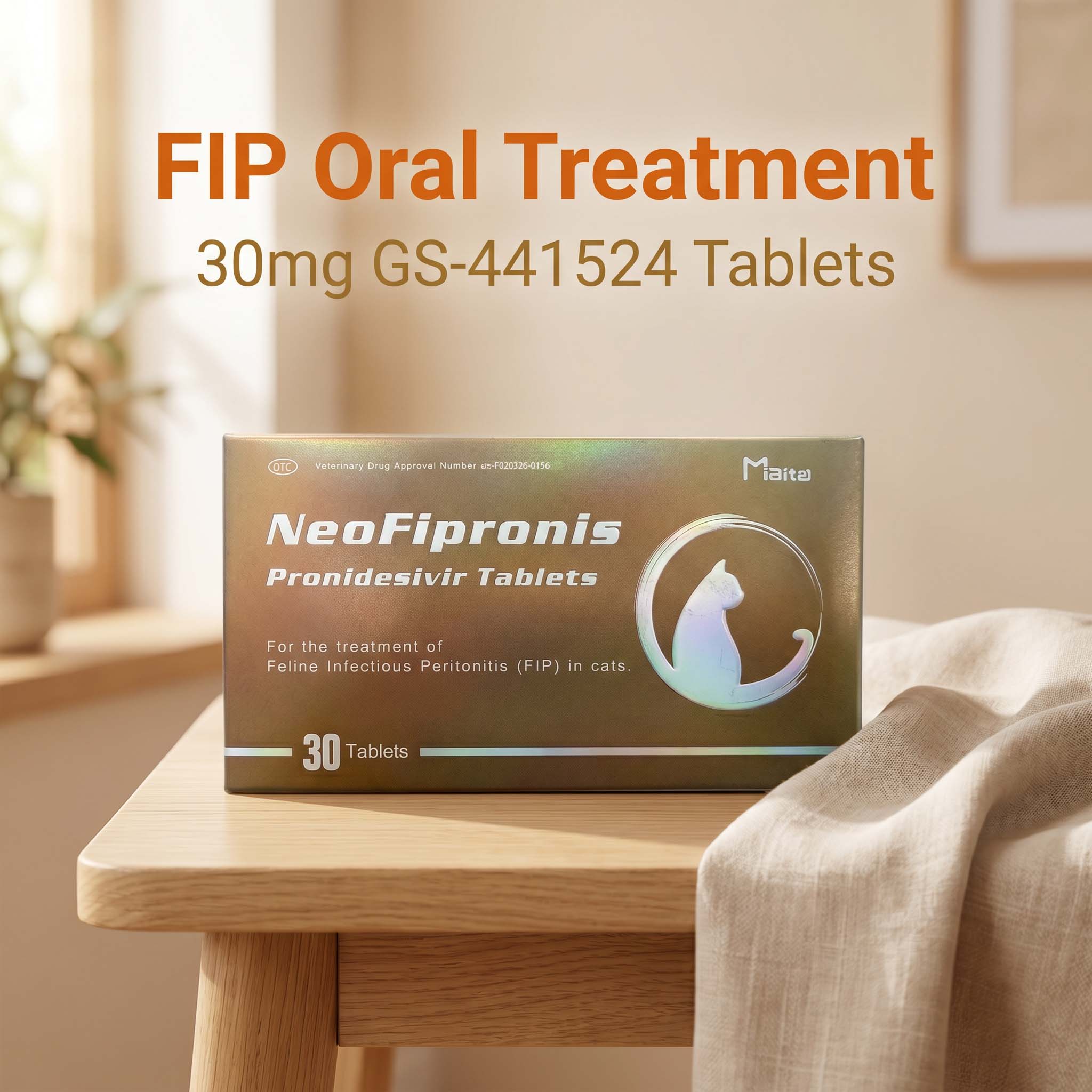
5. Miaite NeoFipronis (Pronidesivir): The New Frontier
Introduction:
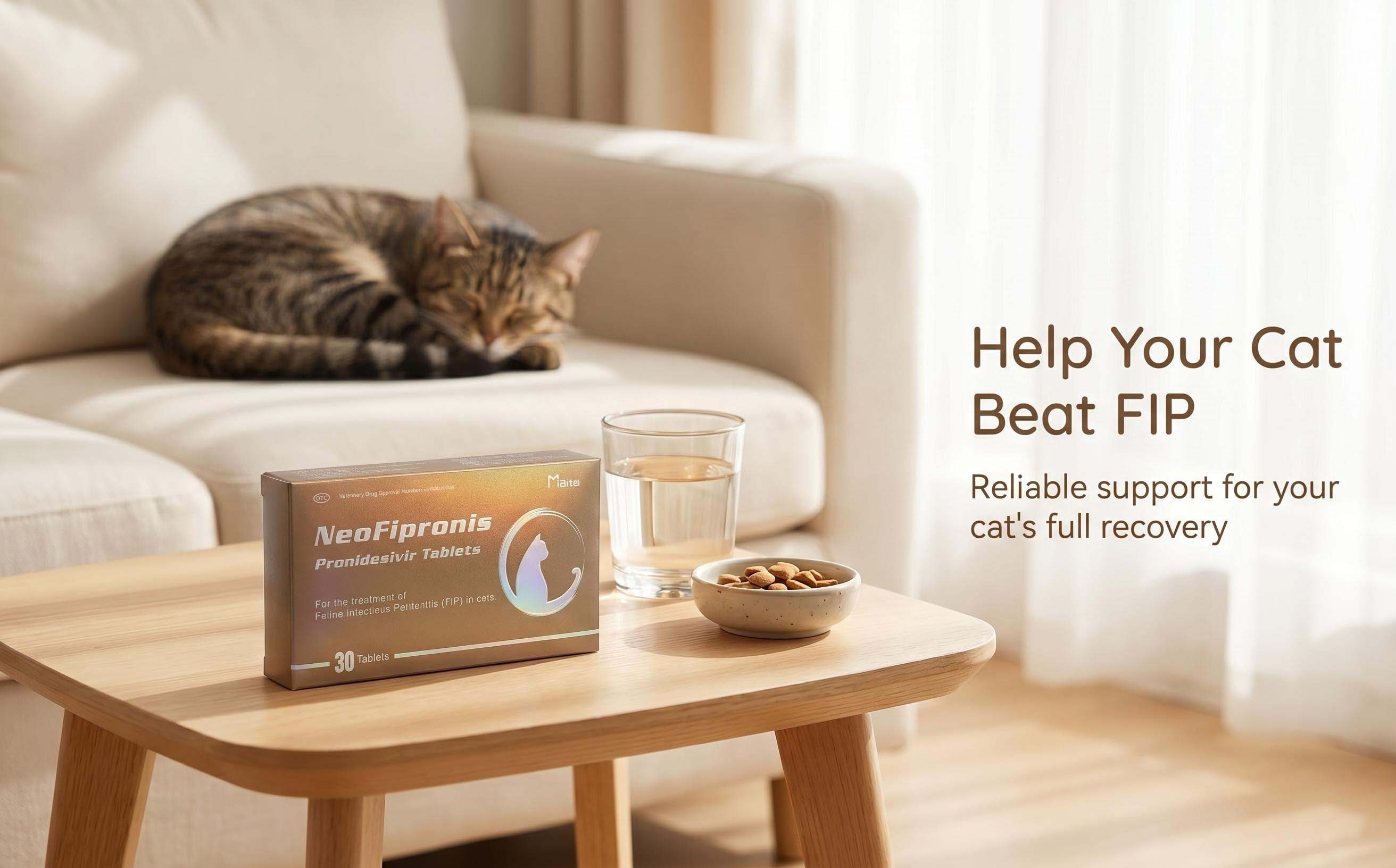
Miaite NeoFipronis (Pronidesivir) represents a groundbreaking development in FIP treatment. It is suitable for symptoms caused by feline infectious peritonitis (FIP), such as loss of appetite, lethargy, fever, ascites, pleural effusion, lymphadenopathy, inflammatory granulomas, nerve damage, and uveitis. It has excellent therapeutic effects on FIP.
Regulatory Status:
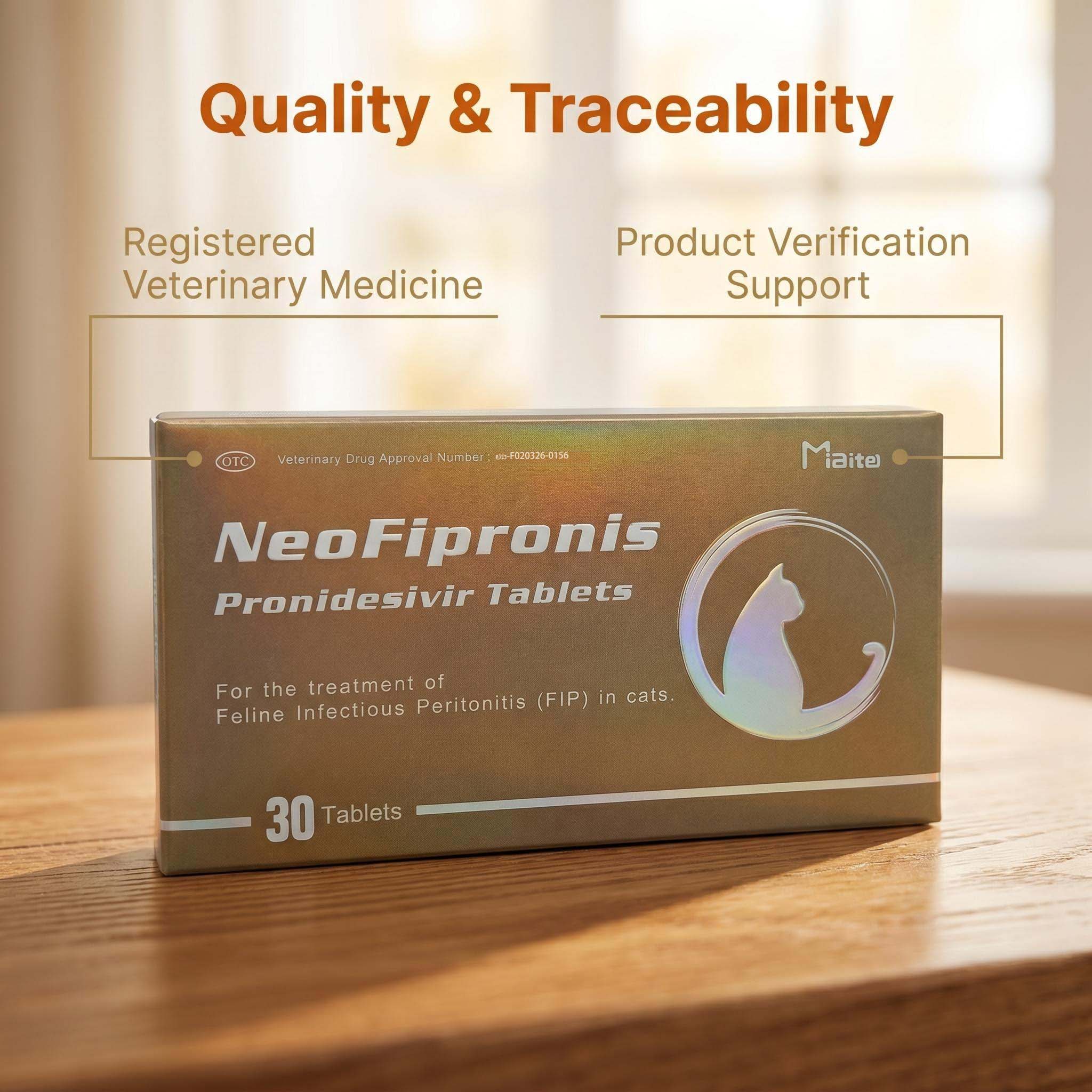
NeoFipronis (Pronidesivir) is the world's first officially approved oral treatment for FIP by the Lao Ministry of Agriculture and Forestry (MAF) in March 2026, with an official drug registration number. Its approval marks a significant milestone, providing a safe, non-invasive, rapidly absorbed, fast-acting, and well-tolerated option with few side effects.
Advantages:
Safety and Tolerance: Minimal adverse effects
Ease of Use: Oral administration, improving owner compliance
Rapid Action: Fast absorption ensures quicker symptom resolution
Broad Spectrum: Effective against varied FIP manifestations
Comparative Analysis
| Aspect | Injectable GS-441524 | Oral Solutions | Tablets/Capsules | NeoFipronis (Pronidesivir) |
|-|-||||
| Bioavailability | High | Moderate to high | Variable | High |
| Ease of Administration | Invasive | Non-invasive | Non-invasive | Non-invasive |
| Owner Convenience | Moderate | High | Moderate | High |
| Onset of Action | Rapid | Variable | Slower | Rapid |
| Side Effects | Injection site reactions | Minimal | Minimal | Minimal; well-tolerated |
| Regulatory Status | Varies | Varies | Varies | Officially approved (Lao MAF) |
Clinical Considerations
Choosing the appropriate GS-441524 formulation depends on multiple factors:
Severity of FIP: Severe cases may benefit from injectable formulations for immediate effect.
Owner Compliance: Oral formulations—solutions or tablets—improve compliance over injections.
Cat's Tolerance: Some cats may tolerate injections better than oral medications, or vice versa.
Cost and Accessibility: Some formulations may be more affordable or readily available depending on region.
Regulatory Approval: The recent approval of NeoFipronis offers a standardized and approved treatment option, increasing safety and efficacy confidence for veterinarians and owners.
Conclusion
The landscape of FIP treatment is rapidly evolving. While traditional injectable GS-441524 formulations provide potent antiviral effects, oral solutions and tablets enhance practicality for long-term management. The advent of Miaite NeoFipronis (Pronidesivir), the first officially approved oral medication for FIP, signifies a major leap forward, offering a combination of efficacy, safety, and ease of use. As ongoing research introduces innovative delivery systems, the future looks promising for more effective and accessible FIP therapies.
References
1. Feline Infectious Peritonitis: Clinical Features and Emerging Therapies
2. Pharmacology and Efficacy of GS-441524 in Cats
3. Advances in FIP Treatment: Oral Versus Injectable Formulations
4. Regulatory Developments in FIP Therapeutics: NeoFipronis (Pronidesivir) Approval
5. Novel Drug Delivery Systems for FIP: Future Perspectives