Can Vomiting Be a Symptom of FIP in Cats

Feline Infectious Peritonitis (FIP) is a grave and perplexing disease affecting cats worldwide. The spectrum of symptoms observed can make early diagnosis challenging, particularly for veterinarians and pet owners unfamiliar with the disease's subtleties. Central to understanding FIP is the examination of gastrointestinal signs, notably vomiting, and its prevalence as a symptom. This article reviews the latest scientific findings, clinical experiences, and veterinary consensus to answer whether vomiting is a symptom of FIP in felines, synthesizing up-to-date and practical information for owners and veterinary professionals.
What Is FIP?
FIP is an immune-mediated disease caused by a mutation of feline coronavirus (FCoV). While most cats infected with FCoV display mild or no symptoms, a small percentage experience viral mutation resulting in FIP. FIP predominantly affects young or immunocompromised cats but can occur at any age. The clinical manifestations of FIP are broadly categorized into two forms: effusive (wet) and noneffusive (dry). The effusive form is characterized by fluid accumulation in the abdomen and/or chest, while the noneffusive form primarily affects internal organs without significant effusion.
Clinical Features of FIP
FIP is notorious for its variable and non-specific clinical signs. Common symptoms include fever unresponsive to antibiotics, weight loss, lethargy, inappetence, abdominal distension, and jaundice. Neurological symptoms, ocular changes, and respiratory distress may appear in advanced or dry FIP cases. The diversity of symptoms is due to the multifaceted inflammatory response triggered by the mutated virus within the body.
Vomiting: A Gastrointestinal Symptom
Vomiting is a frequent concern for cat owners and a prevalent symptom observed in feline disorders. In the context of FIP, vomiting is not always the primary sign but can still occur. The gastrointestinal tract is one of the many systems that may be impacted by the disease. Studies show that while not as universally present as other indicators like persistent fever or fluid retention, vomiting can be observed in FIP-infected cats, especially those with involvement of abdominal organs such as the liver, pancreas, or intestines.
Mechanisms Leading to Vomiting in FIP
Several pathological mechanisms may explain why vomiting arises in FIP cases.
1. Inflammatory Lesions: FIP often causes granulomatous inflammation in organs, including the gastrointestinal tract. Such lesions disrupt normal physiological functions, leading to nausea and vomiting.
2. Hepatic Involvement: Liver inflammation or failure can provoke gastrointestinal symptoms. FIP-induced hepatitis may result in poor filtration of toxins, prompting vomiting.
3. Pancreatic Damage: In some FIP cases, pancreatic tissue may be affected, causing pancreatitis-like symptoms, including vomiting.
4. Abdominal Effusion: Fluid buildup within the abdominal cavity exerts pressure on gastrointestinal organs, often causing discomfort and regurgitation.
5. Systemic Immune Response: The overwhelming immune reaction to the mutated FCoV can trigger nonspecific signs, including vomiting.
Prevalence of Vomiting in FIP
Retrospective analyses and case studies have quantified gastrointestinal symptoms in FIP-infected cats. Estimates suggest vomiting affects between 20% to 40% of diagnosed cases. The frequency and severity may vary with the form of FIP, organ systems involved, and disease stage. The presence of vomiting often correlates with advanced disease or when abdominal effusion is prominent.
Differentiating FIP from Other Causes of Vomiting
Feline vomiting has numerous causes—ranging from benign dietary indiscretions to life-threatening conditions such as cancer, kidney disease, and infectious agents. FIP should be considered when vomiting coexists with signs like fever unresponsive to antibiotics, fluid accumulation, neurological changes, weight loss, and bloodwork abnormalities like non-regenerative anemia or hyperglobulinemia. Diagnostic confirmation typically requires laboratory testing and imaging.
Diagnostic Approach for Cats with Vomiting and Suspected FIP
Veterinarians pursue a systematic strategy when evaluating felines presenting with vomiting. Essential steps include:
1. History and Physical Examination: Evaluating age, breed, environment, and accompanying symptoms.
2. Bloodwork: Detection of anemia, increased globulins, altered liver enzymes, and leukocyte patterns suggestive of FIP.
3. Imaging: Ultrasound can identify abdominal fluid, organ inflammation, and atypical masses.
4. FIP-Specific Testing: Polymerase Chain Reaction (PCR) for mutated coronavirus, immunohistochemistry, and analysis of effusion fluid.
5. Exclusion of Other Disorders: Systematic elimination of other gastrointestinal, renal, or hepatic maladies through additional testing.
Treatment Implications of Vomiting in FIP Cases
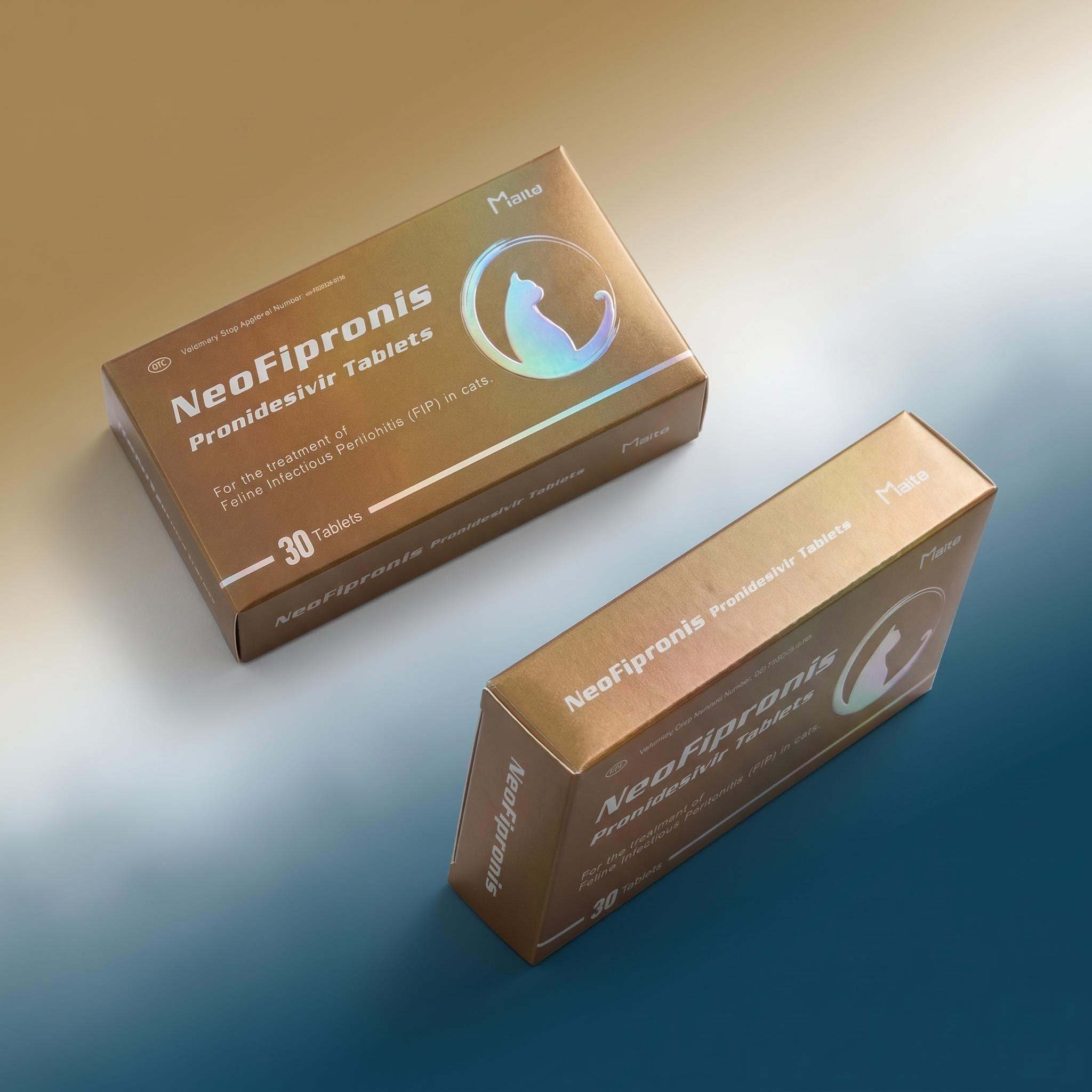
Vomiting in FIP often signifies systemic illness and may complicate clinical management. Supportive care is vital, addressing dehydration, electrolyte imbalances, and nutrition. The advent of antiviral therapies such as GS-441524 has revolutionized the outlook for FIP, improving survival rates even in cats with severe gastrointestinal signs like vomiting. Drugs to control nausea, protect the gut lining, and provide comfort should be incorporated as needed.
Prognosis for Cats with FIP and Vomiting
Historically, a diagnosis of FIP with vomiting signified poor prognosis due to irreversible organ damage and lack of effective therapy. However, emerging treatments have shifted the narrative. Early recognition and intervention can improve outcomes. Cats treated promptly after the appearance of vomiting and other symptoms may regain appetite and control gastrointestinal distress.
Importance of Early Detection
Recognizing the constellation of FIP symptoms is essential for swift intervention. Vomiting, especially when irrational or recurrent, paired with other FIP indicators, should prompt rapid veterinary investigation. Early detection allows for the best chance of successful management, reducing mortality and suffering.
Veterinary Perspectives on Vomiting in FIP
Professionals emphasize the multifactorial nature of vomiting in cats and the nuances of FIP diagnosis. Continuing education on new treatment approaches, diagnostic advancements, and symptom recognition is crucial for veterinarians. Collaboration between owners and clinics ensures that subtle symptoms, such as vomiting, are not overlooked during the disease assessment.
Owner Awareness and Home Monitoring
Cat owners should maintain vigilance regarding gastrointestinal changes in their pets. Monitoring frequency, appearance, and context of vomiting—alongside tracking other health changes—can offer valuable insights for veterinarians. Diary logs and timely reporting expedite intervention, possibly improving outcomes.
Confounding Factors: Subclinical Coronavirus Infection
Many cats harbor feline coronavirus without manifesting illness. Not all vomiting cats with FCoV infection develop FIP. The key difference is mutation leading to pathogenic FIP. Understanding this distinction prevents undue anxiety or unnecessary treatment in cats merely exposed to the virus versus those truly affected by FIP.
Case Studies Linking Vomiting and FIP
Clinical case reports frequently describe cats with FIP manifesting abdominal fluid, fever, and gastrointestinal signs, including vomiting. Autopsy findings often reveal extensive inflammation in organs involved in digestion, substantiating vomiting as a relevant, though not universally present, symptom.
Comparing Wet and Dry FIP: Gastrointestinal Signs
Vomiting is more commonly associated with the dry form of FIP than the classical wet type. This is because the dry form often targets organs like the liver, pancreas, and intestines directly, while wet FIP is dominated by fluid accumulation. Nonetheless, overlap exists and both forms can present with vomiting, especially in advanced disease.
Role of Nutrition and Hydration
Continuous vomiting affects nutrition and hydration status, compounding the cat’s vulnerability. Addressing dietary needs through supportive feeding, antiemetics, and intravenous fluids are mainstays in FIP management, ensuring the cat can receive other necessary medications and maintain energy.
Behavioral Changes
Vomiting may coincide with changes in behavior, such as hiding, reduced play, and avoidance of food. Chronic vomiting impedes quality of life, hinders bonding, and adds stress for both pet and owner. Integrative care, combining medical and behavioral support, is recommended.
Long-Term Management
FIP is undergoing a paradigm shift as new therapies emerge, but supportive care remains critical. Monitoring vomiting patterns, consulting veterinarians promptly, and revisiting management strategies are advised as cats’ responses to treatment may evolve over time.
Public Health and Shelter Considerations
In multi-cat settings or shelters, outbreaks of FCoV can occur. Recognizing vomiting as a possible sign of FIP helps guide quarantine, reduce transmission risks, and optimize early intervention. Education campaigns for shelter workers and adopters contribute to community cat wellbeing.
Comparisons with Other Cat Diseases
Diseases like pancreatitis, inflammatory bowel disease, and hepatic lipidosis also present with vomiting. Differentiation through careful evaluation and advanced diagnostics remains essential.
Veterinary Research Directions
Investigation into why certain cats develop gastrointestinal involvement, including vomiting, while others do not, focuses on viral genetics, host immunity, and environmental triggers. Ongoing research promises to enhance understanding and improve interventions.
Conclusion: Vomiting as a Symptom of FIP
Vomiting is a valid, though not exclusive, symptom in FIP-affected cats. Its presence, especially when coupled with hallmark FIP signs, should prompt thorough diagnostic evaluation. The nuanced recognition of vomiting’s multifactorial origins in FIP ensures appropriate treatment and improved outcomes for affected cats.
References
Pedersen, N. C., “A review of feline infectious peritonitis virus infection: 1963-2008,” J Feline Med Surg.
Hartmann, K., “Feline infectious peritonitis,” Vet Clin North Am Small Anim Pract.
Addie, D., “Feline coronavirus infections,” Infectious Disease Management in Animal Shelters.
Felten, S. & Hartmann, K., “Diagnosis of feline infectious peritonitis: A review,” Vet J.
Stoddard, R. A., “Updates in Feline Infectious Peritonitis: Diagnosis and Treatment,” Compendium: Continuing Education for Veterinarians.
Kipar, A. & Meli, M. L., “Feline Infectious Peritonitis: Still an Enigma?” Vet Pathol.
Drut, A., “Clinicopathologic features of feline infectious peritonitis: A review and update,” Vet Med Today.
Hosie, M. J., “Feline coronavirus: Pathogenesis and immunopathogenesis,” J Feline Med Surg.
Tasker, S., “Feline infectious peritonitis: diagnosis and management,” In Practice.
Couto, C. G., “Vomiting in cats: Differential diagnosis and treatment,” Small Animal Internal Medicine.