Is FIP Easily Mistaken for Gastroenteritis in Cats

Feline health is a nuanced area where overlapping symptoms can blur the lines between distinctly different illnesses. Among these, Feline Infectious Peritonitis (FIP) stands out not only for its clinical complexity but also for how readily it can be mistaken for more common ailments such as feline gastroenteritis. The two conditions share several symptoms, especially in their early stages, which can lead to misdiagnosis and delays in appropriate treatment. For veterinarians, cat owners, and animal caregivers, understanding the interplay and confusion between FIP and gastrointestinal diseases is critical in promoting timely and accurate care.
Understanding FIP: The Basics of a Stealthy Disease
FIP is caused by a mutation of the feline coronavirus (FCoV), which is common in multi-cat environments. Most infections with FCoV result in mild intestinal symptoms or go unnoticed. However, in a small number of cats, the virus mutates within the host, allowing it to escape the gut and spread throughout the body. This mutation triggers a severe inflammatory response that can manifest in two main forms: effusive (wet) and non-effusive (dry). Effusive FIP involves fluid accumulation in the body cavities—often the abdomen or chest—while non-effusive FIP typically presents with inflammatory granulomas in organs such as the liver, eyes, or brain.
FIP is most frequently seen in young cats, particularly those less than two years old, as well as in cats living in shelters or crowded conditions. Despite the serious nature of the disease, early symptoms tend to be vague and nonspecific. Lethargy, variable fever unresponsive to antibiotics, loss of appetite, and weight loss are common, all of which are also frequent in many benign conditions.
Gastroenteritis in Cats: Signs and Origins
Gastroenteritis is characterized by inflammation of the gastrointestinal tract and most often results from dietary indiscretion, infections (bacterial, viral, or parasitic), toxins, or underlying disease. The main symptoms include vomiting, diarrhea, abdominal discomfort, dehydration, and a general decrease in activity. While gastroenteritis can be self-limiting and resolve with supportive care, some cases can be more severe, particularly in kittens and elderly cats.
Both FIP and feline gastroenteritis can present with fever, lethargy, vomiting, and anorexia. The outward similarity in their initial presentations is the root cause of frequent confusion, especially before clinical signs become more specialized and distinctive.
Clinical Overlaps: Why FIP Gets Mistaken for Gastroenteritis
Early FIP often appears as low-grade or intermittent fever, mild inappetence, and possible vomiting or diarrhea. Consequently, veterinarians frequently suspect gastroenteritis or viral enteritis first, particularly when there is a history of dietary changes, new food introductions, or exposure to infectious agents from other cats. In clinics where resources for advanced diagnostic workup are limited, symptomatic therapy for gastroenteritis may be initiated, delaying recognition of FIP.
What intensifies the challenge is that FIP can indeed involve the intestines, especially in its 'dry' variant. The presence of granulomatous lesions in the gut may cause intermittent and sometimes severe gastrointestinal symptoms—diarrhea, weight loss, and vomiting. For many veterinarians, the transition point between suspecting gastroenteritis and considering FIP typically relies on the duration and severity of illness, response to supportive care, and whether additional signs such as fluid accumulation, neurological involvement, or ocular symptoms appear.
Laboratory Diagnostics: Advancing From Presumption to Confirmation
Standard diagnostic approaches for cats presenting with gastrointestinal symptoms include fecal testing, bloodwork, and abdominal imaging. With gastroenteritis, tests may show signs of dehydration, electrolyte imbalances, and possible infectious agents present in stool samples.
Cats with FIP, however, often show persistent high globulin levels (hyperglobulinemia), non-regenerative anemia, and lymphopenia on bloodwork. In effusive FIP, fluid analysis from the abdominal or thoracic cavity reveals straw-colored, high-protein fluid with few cells, which is rarely seen in simple gastroenteritis. Diagnostic imaging may also reveal organ involvement or effusion, guiding the diagnostic process further toward FIP.
Advanced tools such as PCR testing for mutated FCoV or immunohistochemistry on biopsy samples can provide definitive diagnosis. However, these are not uniformly available and can add significant treatment costs, thus initial treatment is often based on clinical suspicion.
The Role of History and Progression in Differentiation
A detailed history provides essential clues. If a cat comes from a shelter, cattery, or multi-cat household recently exposed to stressful situations, the likelihood of FIP increases. Age is another important factor; FIP predominantly targets cats under two years old, though exceptions exist. If clinical signs persist despite standard care for gastroenteritis, or if they worsen with time and new symptoms such as abdominal distension or difficulty breathing develop, FIP should be high on the differential list.
For gastrointestinal illnesses, improvement within days after supportive care is expected. Persistent fever, marked weight loss, and a non-responsive course signal a need for deeper investigation, including consideration of FIP.
Case Studies: Application of Differential Diagnosis
Veterinary case literature illustrates scenarios where cats initially presented with classical signs of gastroenteritis—vomiting, diarrhea, and poor appetite—but failed to improve with therapy. Upon further analysis, additional signs emerged: abdominal effusion, persistent fever, and hyperglobulinemia, prompting suspicion of FIP. In some cases, exploratory abdominal centesis and fluid analysis confirmed the diagnosis and allowed for targeted therapy.
Conversely, secondary diagnoses of chronic gastrointestinal disease, food allergies, or simple viral enteritis are reached when cats respond well to supportive care, dietary modification, or anti-inflammatory treatment and never develop systemic complications. These cases underscore the crucial importance of monitoring response to therapy and remaining alert to disease progression.
Misdiagnosis Implications: Prognosis and Management Strategies
If FIP is misdiagnosed as gastroenteritis, the ramifications can be profound. FIP is universally fatal without intervention, though recent advances in antiviral therapies have begun to offer hope for affected cats. Delayed diagnosis prevents timely initiation of these therapies, impacting prognosis. Misdiagnosis also compromises isolation and management protocols, increasing risk for other cats in multi-cat households.
Conversely, overdiagnosing FIP in cats with more benign gastrointestinal issues may lead to unnecessary euthanasia or inappropriate therapy. Thus, achieving clarity in diagnosis is vital. Veterinarians must remain vigilant in reassessing cases that do not follow the expected course and utilizing relevant laboratory and imaging studies to clarify the underlying cause.
Evolving Therapy and the Importance of Correct Diagnosis
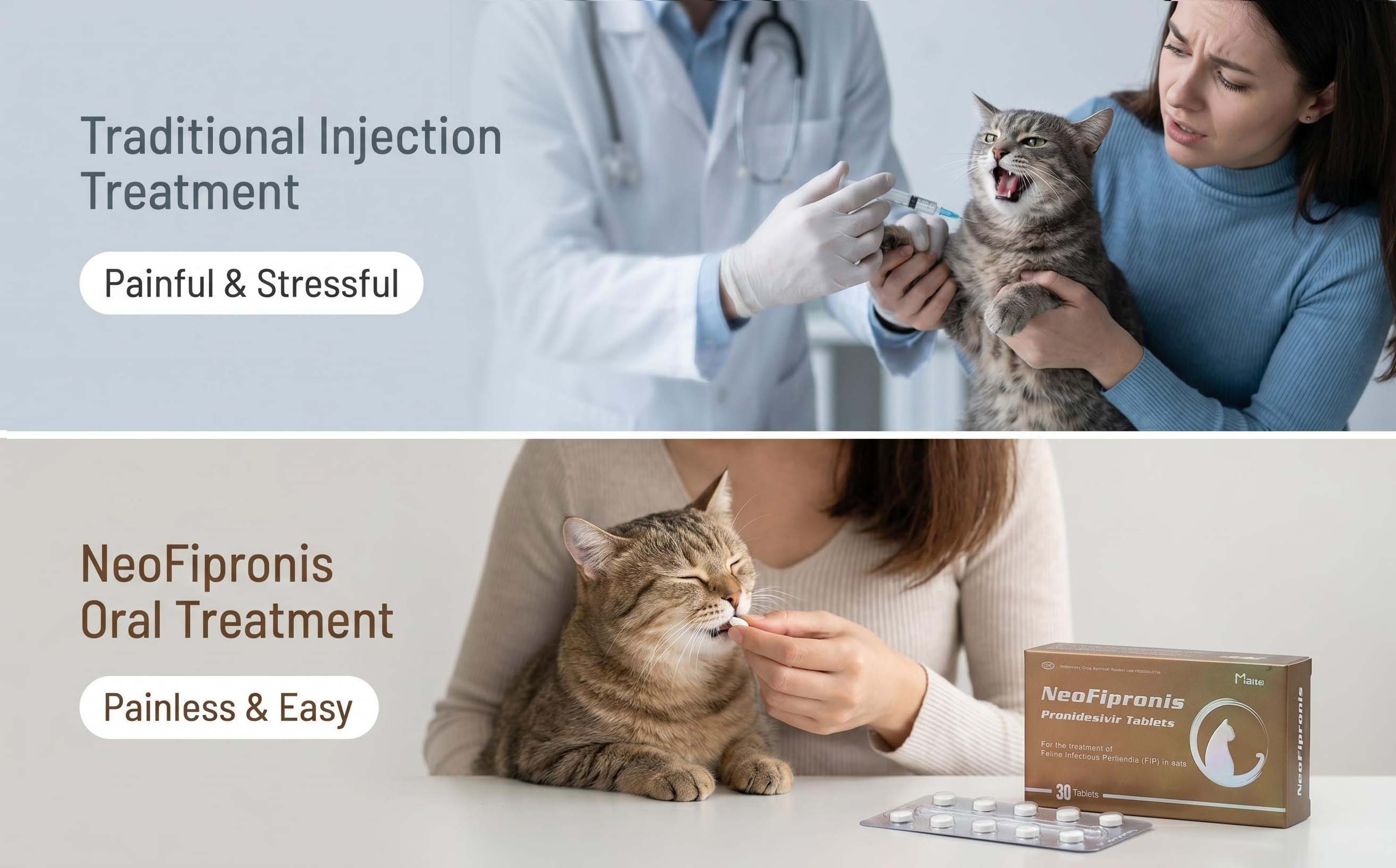
Recent developments, including nucleoside analogue antivirals (such as GS-441524 and remdesivir), have transformed FIP from an invariably fatal illness to one with treatable potential. Early and accurate diagnosis is now essential to give affected cats a chance at recovery. In turn, distinguishing FIP from gastroenteritis—especially given overlapping symptoms—is more important than ever for veterinarians and cat caregivers.
Animals presenting with mild gastrointestinal signs should be carefully observed for progression, especially if young, from high-risk backgrounds, or showing persistent fever. Repeat bloodwork may reveal hyperglobulinemia and anemia, shifting suspicion away from gastroenteritis. Voluminous abdominal distention due to effusion is a strong indicator for effusive FIP, best confirmed by analysis of abdominal fluid.
Regular follow-ups and reevaluation are essential. For persistent or worsening symptoms, escalation to advanced diagnostics is recommended, including imaging or PCR for FCoV mutations when available. Coordination between general practitioners and feline specialists enhances diagnostic accuracy.
Owner Awareness: Empowering Timely Recognition
Educating cat owners on the subtlety of feline illness is key. Most cats instinctively hide symptoms, making early detection difficult. Owners need to appreciate that recurring vomiting, sluggishness, or loss of appetite lasting longer than a few days warrants veterinary attention. If a cat fails to improve under symptomatic management, owners should initiate further consultation rather than attribute ongoing malaise to benign causes.
Recognizing that FIP may masquerade as simple gastroenteritis encourages timely intervention. Early therapy, especially with new antiviral medications, improves survival odds. For multi-cat households and breeders, prompt isolation of sick animals prevents exposure and transmission, especially among susceptible youngsters.
The Veterinary Perspective: Diagnostic Protocol Refinement
Veterinary protocols for acute gastrointestinal illness should always maintain a broader differential, especially for persistent or worsening cases. This includes routine baseline bloodwork, abdominal imaging, and keeping FIP in mind for young cats or those from shelter settings. Integration of advanced diagnostics is ideal when available, but careful clinical monitoring and reevaluation remain the foundation of good clinical practice.
Diagnostic confusion between FIP and gastroenteritis continues to challenge veterinary medicine, underscoring the importance of ongoing research, education, and access to advanced diagnostics.
References
Pedersen NC. "A Review of Feline Infectious Peritonitis Virus Infection: 1963–2008." Journal of Feline Medicine and Surgery.
Hartmann K. "Feline Infectious Peritonitis." Veterinary Clinics of North America: Small Animal Practice.
Addie DD, Jarrett O. "Feline Coronavirus Infections." Veterinary Clinics of North America: Small Animal Practice.
Taylor SS et al. "Diagnostic Difficulties in Feline Infectious Peritonitis." Journal of Feline Medicine and Surgery.
Tasker S. "Diagnosis of feline infectious peritonitis: Update on evidence supporting available tests." Journal of Feline Medicine and Surgery.
Kipar A, Meli ML. "Feline Infectious Peritonitis: Still an Enigma?" Veterinary Pathology.
Felten S, Hartmann K. "Diagnosis of Feline Infectious Peritonitis: A Review of the Current Literature." Viruses.
Paltrinieri S et al. "Feline Infectious Peritonitis: New Aspects of Pathogenesis, Diagnosis, and Prevention." Veterinary Sciences.
Stranieri A et al. "Feline Coronavirus Genotypes and Feline Infectious Peritonitis in Domestic Cats." Veterinary Research.