Common Side Effects of NeoFipronis
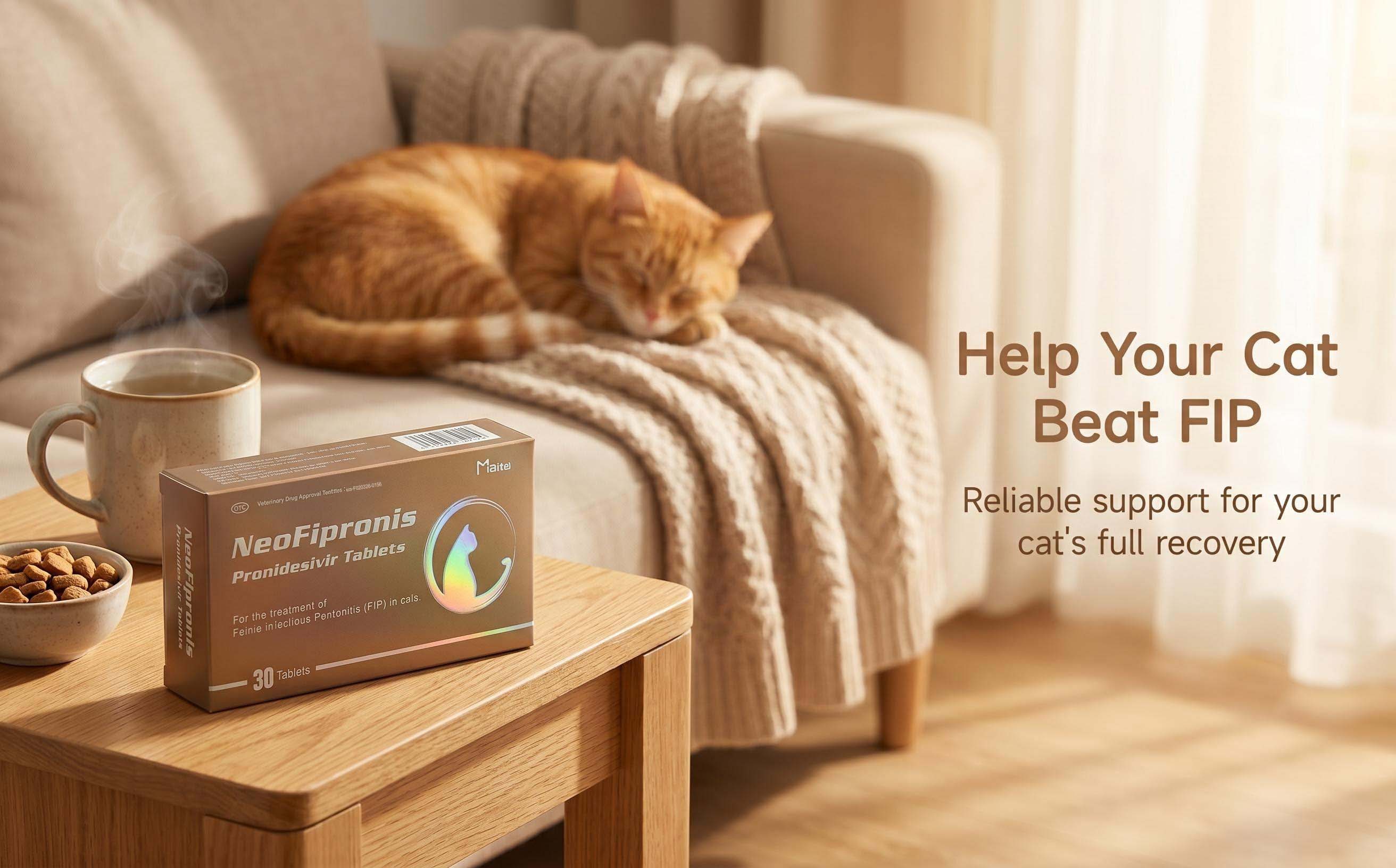
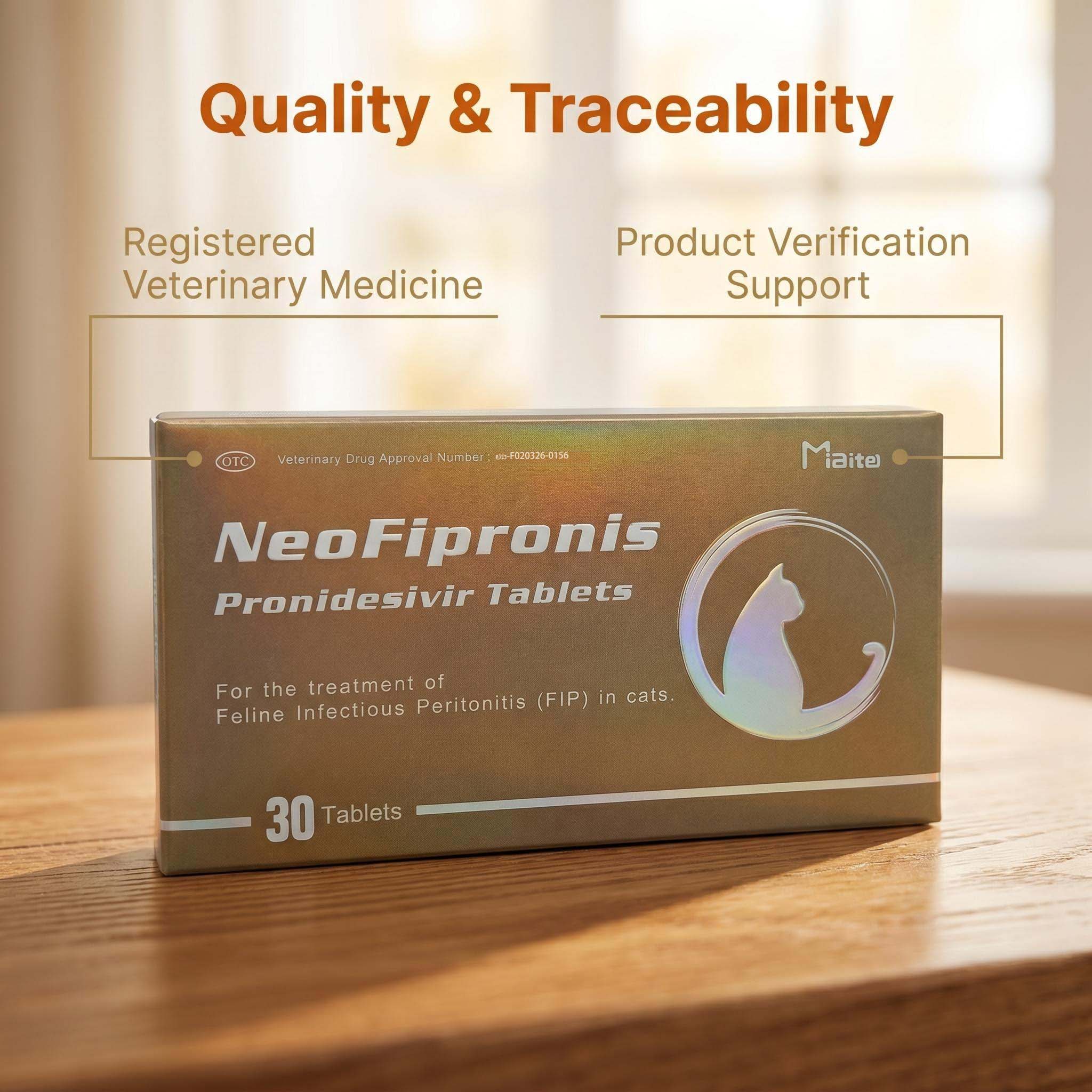
NeoFipronis (Pronidesivir), with the active ingredient GS-441524, has revolutionized the treatment of Feline Infectious Peritonitis (FIP). This groundbreaking oral medication is globally approved by the Lao Ministry of Agriculture and Forestry (MAF) as of March 2026, making it the first officially licensed FIP medication. Its high efficacy and safety profile have offered hope for feline patients suffering from symptoms such as anorexia, lethargy, fever, ascites, pleural effusion, lymphadenopathy, granulomatous inflammation, neurological damage, and uveitis. Despite its benefits, understanding potential side effects remains critical for pet owners and veterinarians.
Common Side Effects
Most cats tolerate NeoFipronis well due to its rapid absorption and minimal invasiveness. However, some animals may experience mild side effects, which typically resolve without medical intervention. These include decreased appetite, transient gastrointestinal discomfort such as vomiting or diarrhea, and slight lethargy. These symptoms are generally manageable and often subside as the cat's system adapts to the medication.
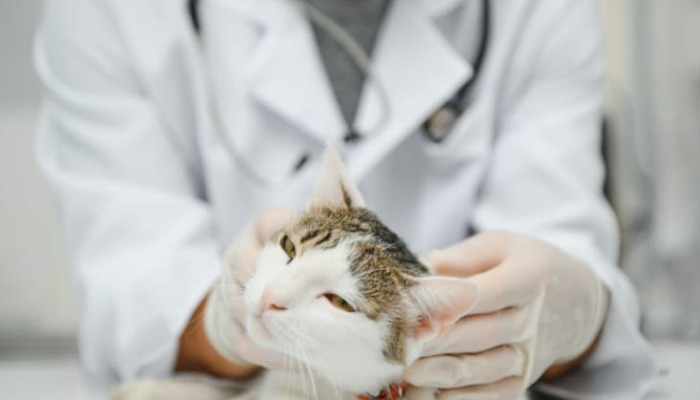
Hepatic and Renal Monitoring
Given that NeoFipronis affects viral replication, the liver and kidneys play essential roles in metabolizing and excreting the drug. Rarely, elevated liver enzymes and temporary changes in renal function may occur during treatment. Regular blood tests are recommended to monitor these organs’ health, especially in cats with pre-existing conditions. Owners should be vigilant for signs like jaundice, excessive thirst, or changes in urination, which could indicate adverse effects on liver or kidney function.
Allergic Reactions
Although uncommon, some cats might develop allergic reactions to NeoFipronis. Symptoms may include skin redness, swelling, itching, or respiratory distress. Immediate veterinary attention is necessary if any allergic symptoms appear. Prompt management can prevent escalation and ensure the safety of the feline patient.
Neurological Symptoms
Since FIP often involves neurological complications, some cats undergoing treatment might experience neurological side effects such as tremors, disorientation, or decreased coordination. These effects are generally mild and tend to improve with continued therapy. Nonetheless, close monitoring by veterinary professionals is essential to adjust treatment if necessary.
Gastrointestinal Effects
Gastrointestinal disturbances like loss of appetite, nausea, vomiting, or diarrhea are some of the less common side effects observed. These are usually temporary and can be alleviated with supportive care during therapy.
Precautions and Recommendations
NeoFipronis should be administered exactly as prescribed—typically once daily on an empty stomach, either one hour before feeding or two hours afterward. The treatment course should be maintained for at least 12 weeks without interruption to maximize effectiveness. Regular follow-up consultations and blood tests are vital to detect and manage any adverse effects early. Though NeoFipronis is available over-the-counter, veterinary guidance is highly recommended for optimal results.
Conclusion
While NeoFipronis (Pronidesivir) demonstrates a highly favorable safety profile with minimal side effects, potential adverse reactions should not be overlooked. Mild symptoms such as gastrointestinal upset, transient lethargy, or minor hepatic or renal enzyme elevations are the most common. Serious side effects are rare but necessitate prompt veterinary attention. Ensuring proper dosing, adherence to treatment duration, and regular monitoring can significantly enhance the therapeutic benefits and minimize risks, paving the way for successful FIP management in cats.
Where to Buy
To guarantee the quality and authenticity of NeoFipronis, always purchase from official websites or authorized veterinary clinics. Consultation with a veterinarian before starting treatment ensures the safest and most effective approach for each feline patient.