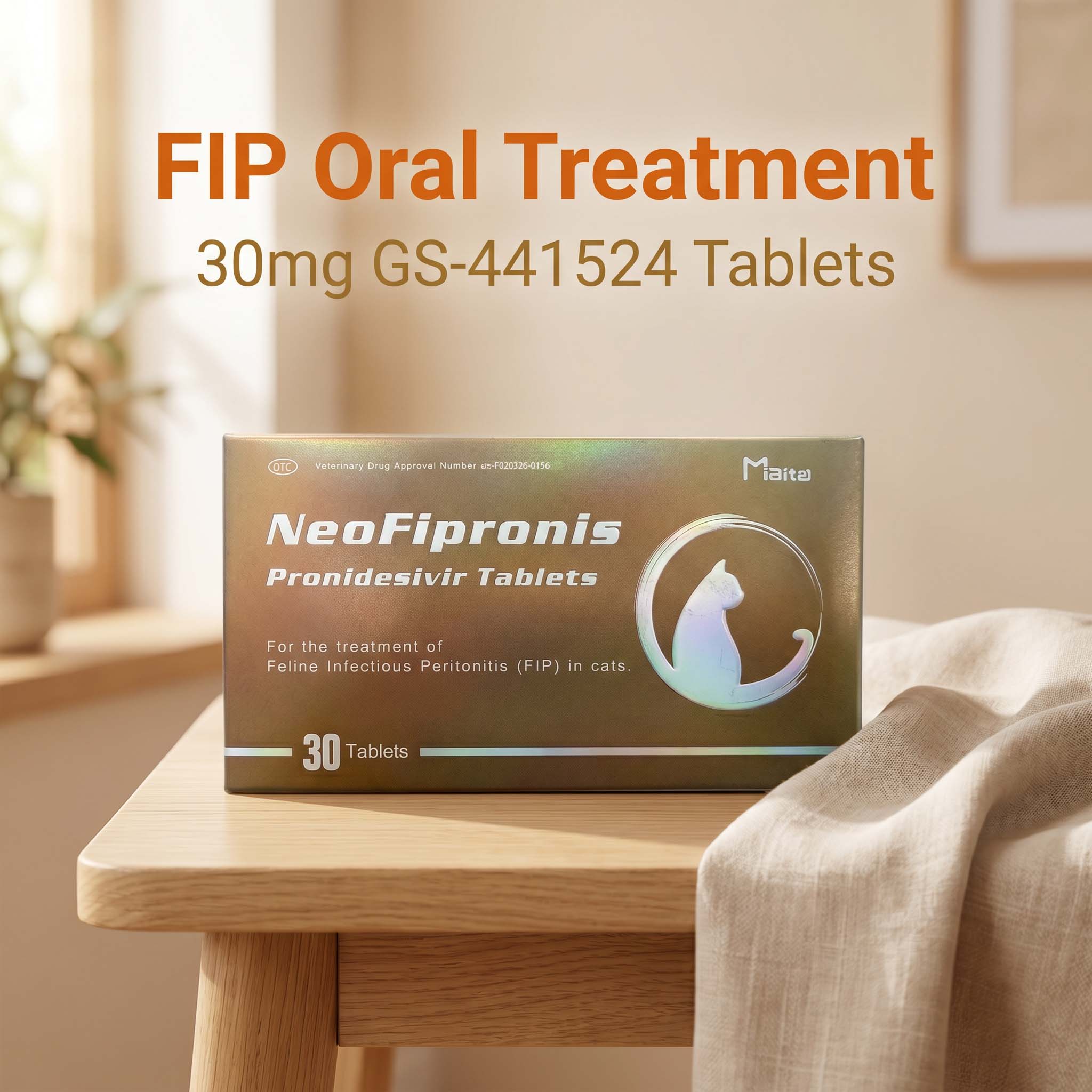
NeoFipronis (GS-441524) Uses, Benefits, and Adverse Reactions
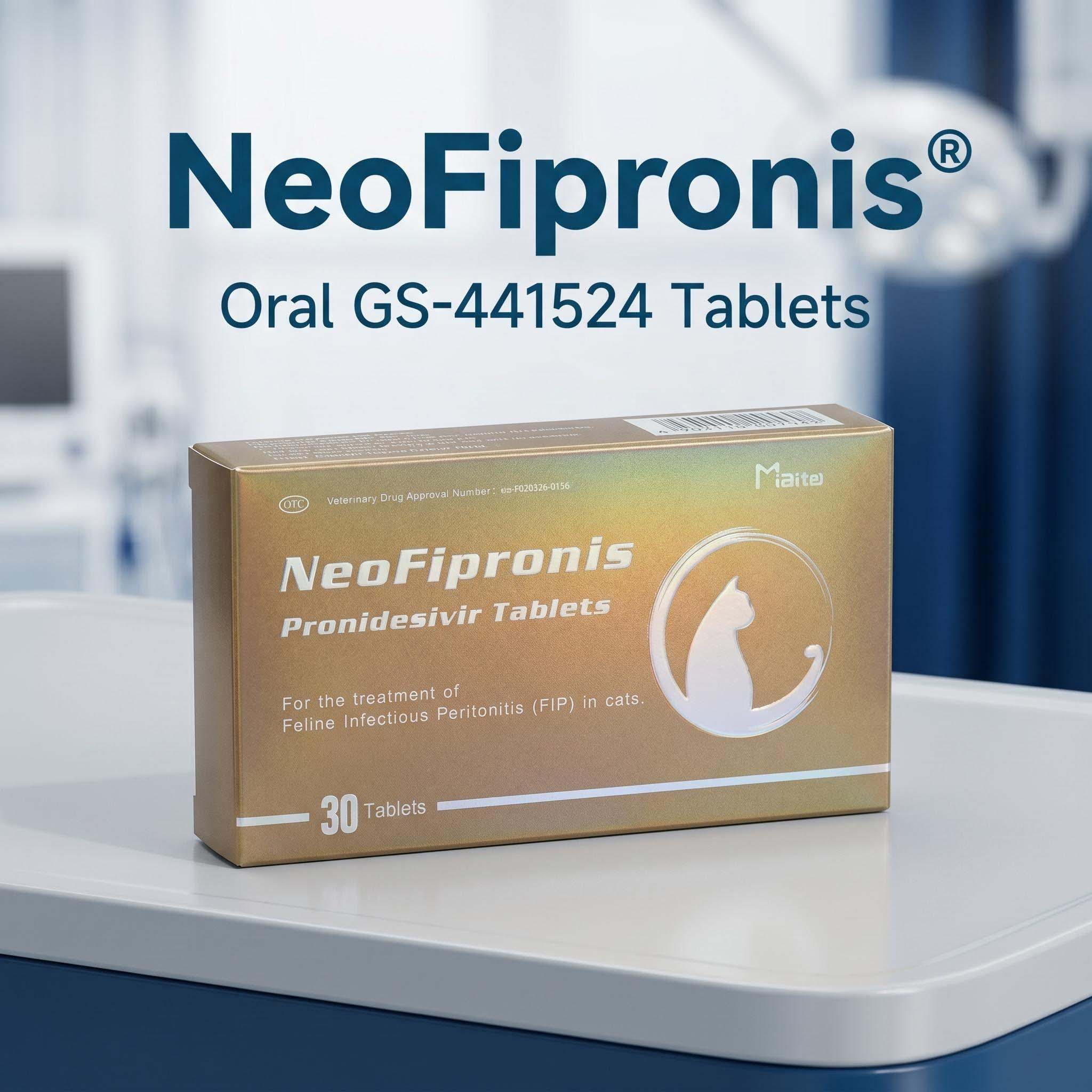
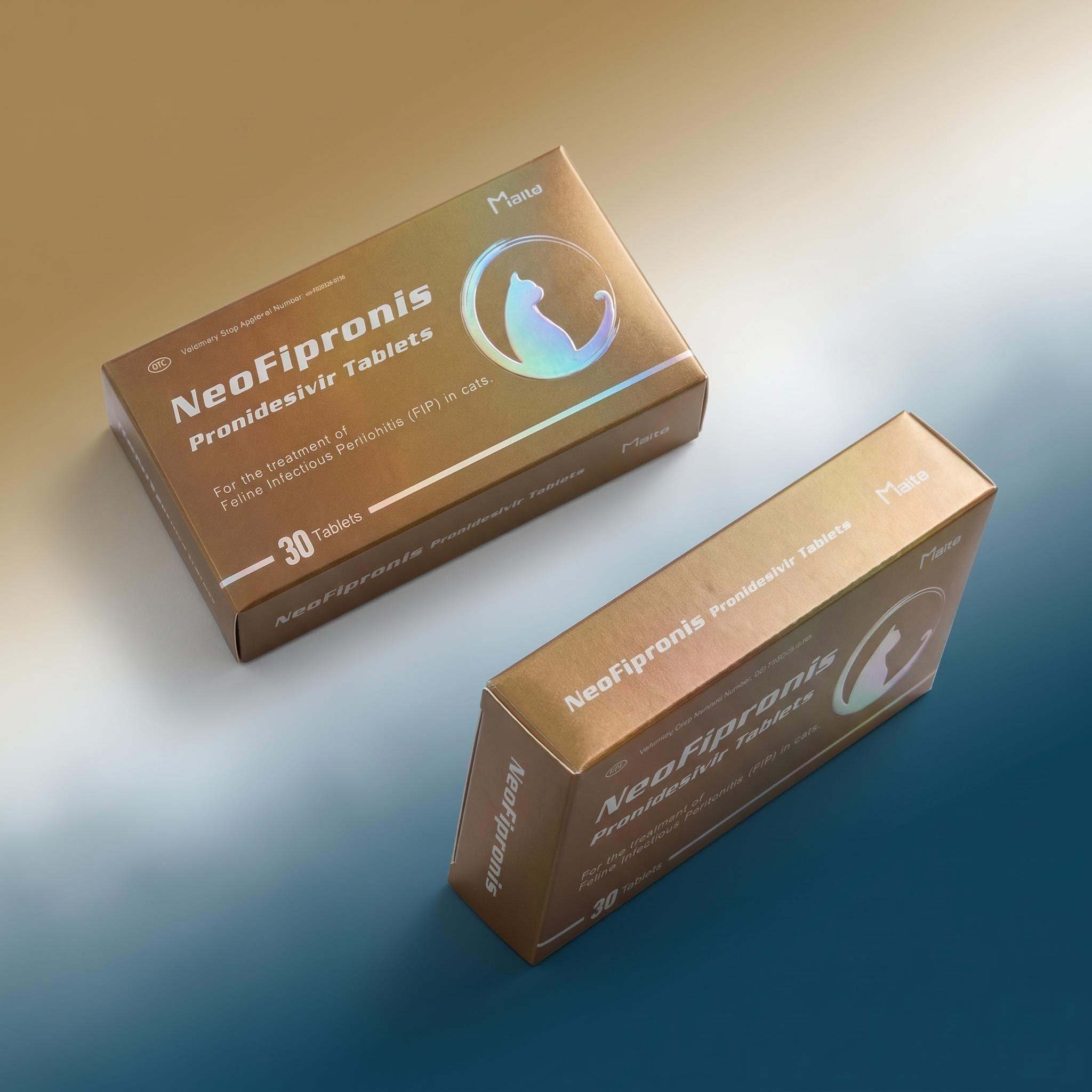
NeoFipronis, whose active ingredient is GS-441524, is a groundbreaking oral medication specifically developed for the treatment of Feline Infectious Peritonitis (FIP). FIP is a fatal viral disease in cats caused by a mutated form of feline coronavirus, characterized by symptoms such as inappetence, lethargy, fever, ascites, pleural effusion, lymphadenopathy, granulomatous inflammation, neurological damage, and uveitis. Historically, FIP has been considered incurable, but recent advances have made effective treatment possible, with NeoFipronis leading the way.
Approved officially in Laos in March 2026 by the Ministry of Agriculture and Forestry (MAF), NeoFipronis is the first registered FIP-specific oral therapy globally. Its approval marks a significant milestone in veterinary medicine, providing pet owners and veterinarians with a safe, non-invasive, and effective treatment option. The drug’s rapid absorption, quick onset of action, good tolerability, and minimal side effects make it a preferred choice in combating FIP's complex clinical manifestations.
NeoFipronis works by inhibiting the replication of the feline coronavirus at the molecular level. Its active compound, GS-441524, is a nucleoside analog that interferes with viral RNA synthesis, thereby halting viral proliferation within the host. This targeted approach leads to significant improvements in clinical symptoms, prolonged survival, and, in many cases, remission of the disease.
Treatment regimens are typically tailored based on the cat's weight. The standard dosage is 15 mg per kilogram of body weight once daily, administered on an empty stomach—either one hour before feeding or two hours after. For cats with neurological or ocular forms of FIP, veterinarians may increase the dose to 30 mg/kg. It is crucial that treatment is continuous for no less than 12 weeks, with strict adherence to the prescribed schedule to prevent the development of drug resistance or relapse.
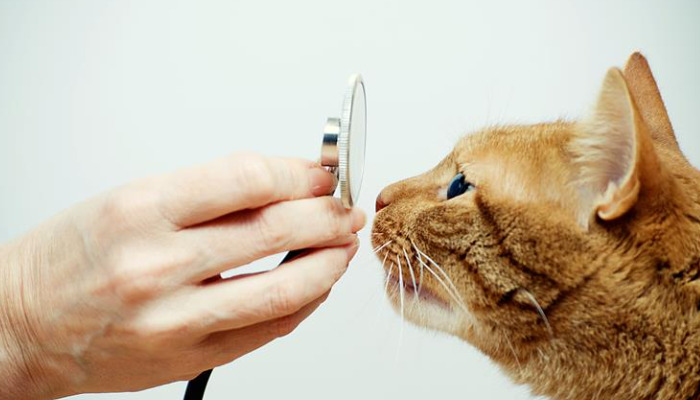
Monitoring plays a vital role during therapy. Regular assessments of appetite, body temperature, mental status, and overall well-being should be conducted. Blood tests to evaluate liver and kidney function are recommended periodically to detect any adverse reactions early. While NeoFipronis is classified as an over-the-counter medication, veterinary supervision is strongly advised to ensure safe and effective usage.
Adverse reactions are generally rare and mild, owing to the drug’s high safety profile. However, some cats may experience transient gastrointestinal upset, slight lethargy, or elevated liver enzymes. Allergic reactions are uncommon but should be watched for. Owners should be vigilant about unusual behavior or signs of toxicity and contact their veterinarian promptly if any concerns arise.
Despite being an OTC product, NeoFipronis should be purchased from official sources, such as the manufacturer’s website, to guarantee authenticity and quality. It is strictly for use in cats and should never be administered to humans. Proper storage and disposal are essential to prevent accidental ingestion or misuse.
In summary, NeoFipronis (GS-441524) represents a revolutionary breakthrough in the management of FIP, transforming what was once deemed a fatal disease into a manageable condition with a high potential for recovery. Its ease of administration, proven efficacy, and safety profile make it a cornerstone in feline infectious disease therapy. With ongoing research and clinical validation, NeoFipronis is poised to redefine the future of FIP treatment worldwide.