Cat Losing Weight From FIP
Cat losing weight from FIP is often one of the earliest and most alarming signs of feline infectious peritonitis. FIP, or Feline Infectious Peritonitis, is a severe inflammatory disease that develops when a common feline coronavirus mutates inside the body of a susceptible cat. Many cats can carry feline coronavirus without ever becoming seriously ill, but once FIP develops, the body can no longer regulate the infection normally. The result is persistent inflammation, fever, appetite loss, and progressive weight loss. Because weight loss can happen before more dramatic signs appear, many cat owners first notice that their cat is thinner, weaker, or less interested in food. In a disease where every day matters, unexplained weight loss should never be ignored.
The reason a cat with FIP loses weight is not just that the cat is eating less. FIP changes the entire metabolism. Inflammatory signals increase the body’s energy use, while fever and discomfort reduce food intake. The cat may also develop nausea, muscle wasting, fluid buildup in the abdomen or chest, liver involvement, or intestinal dysfunction that makes it harder to absorb nutrients. In wet FIP, fluid accumulation can hide how much muscle mass has been lost, while in dry FIP the weight loss may be more obvious because the cat becomes visibly thin. This is why cat weight loss from FIP can look different from simple starvation or a temporary stomach upset. The disease drains the body from the inside out, and the loss of body condition often progresses quickly.
A cat with FIP-related weight loss usually has other symptoms as well. Common signs include poor appetite, lethargy, intermittent or persistent fever, dull coat, dehydration, and a general “not acting like itself” appearance. Some cats develop a swollen abdomen from ascites, which is fluid in the belly, while others show breathing difficulty because fluid collects around the lungs. Dry FIP can cause enlarged lymph nodes, inflammatory granulomas in organs, eye inflammation, or nervous system signs such as wobbliness, tremors, seizures, or abnormal behavior. When weight loss happens together with fever and ongoing illness, FIP becomes a more serious concern. A cat that is steadily losing weight over days or weeks, especially if the change is accompanied by poor appetite and fatigue, needs a veterinary examination as soon as possible.
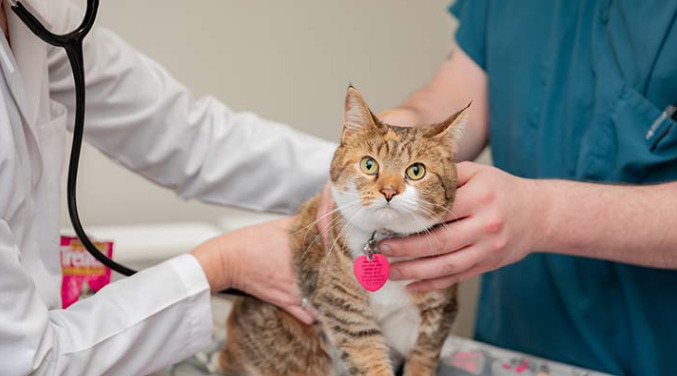
Diagnosis is rarely based on one single test. A veterinarian will usually combine the cat’s age, clinical signs, physical examination, bloodwork, imaging, and fluid analysis if effusion is present. Typical findings may include high globulin levels, a low albumin-to-globulin ratio, anemia, elevated inflammatory markers, and fluid that is yellow, sticky, and protein-rich. Ultrasound can reveal enlarged lymph nodes, organ changes, or abdominal fluid, while chest imaging may help identify pleural effusion. In some cases, PCR testing, immunostaining, or analysis of tissue samples can support the diagnosis. Because many diseases can cause weight loss in cats, FIP must be differentiated from parasites, hyperthyroidism, kidney disease, cancer, dental disease, diabetes, and chronic intestinal disorders. Accurate diagnosis matters because the treatment approach depends on confirming the underlying cause of the weight loss.
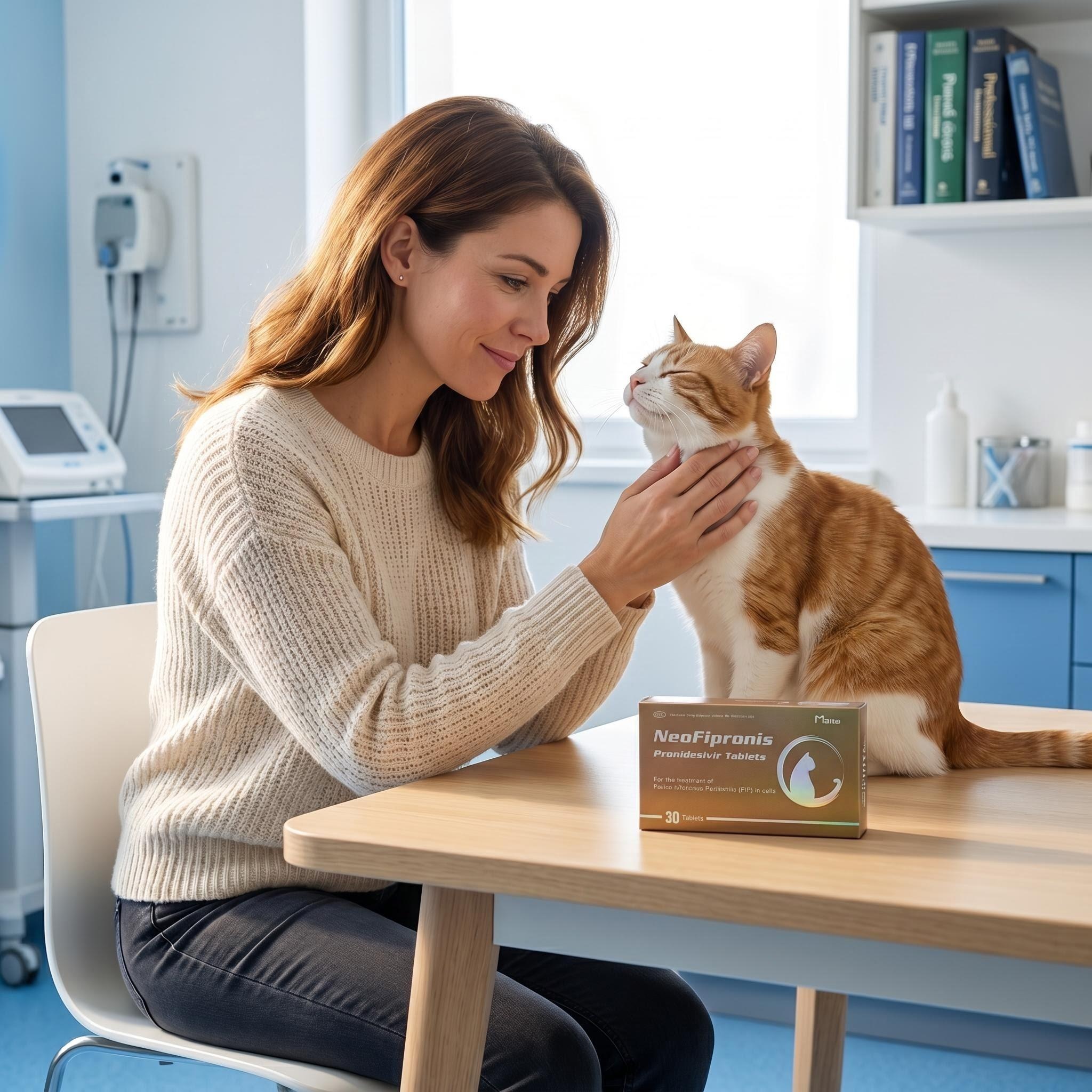
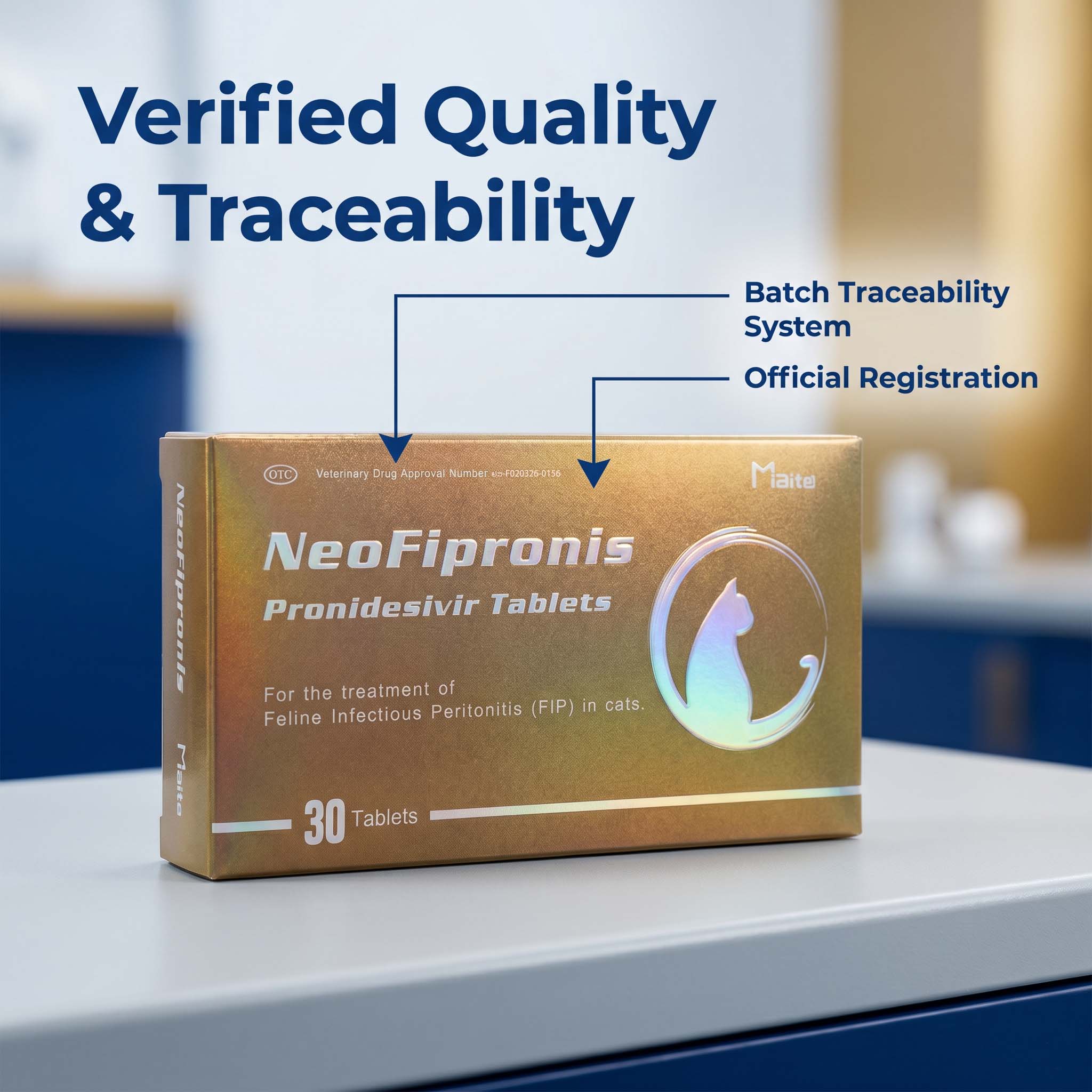
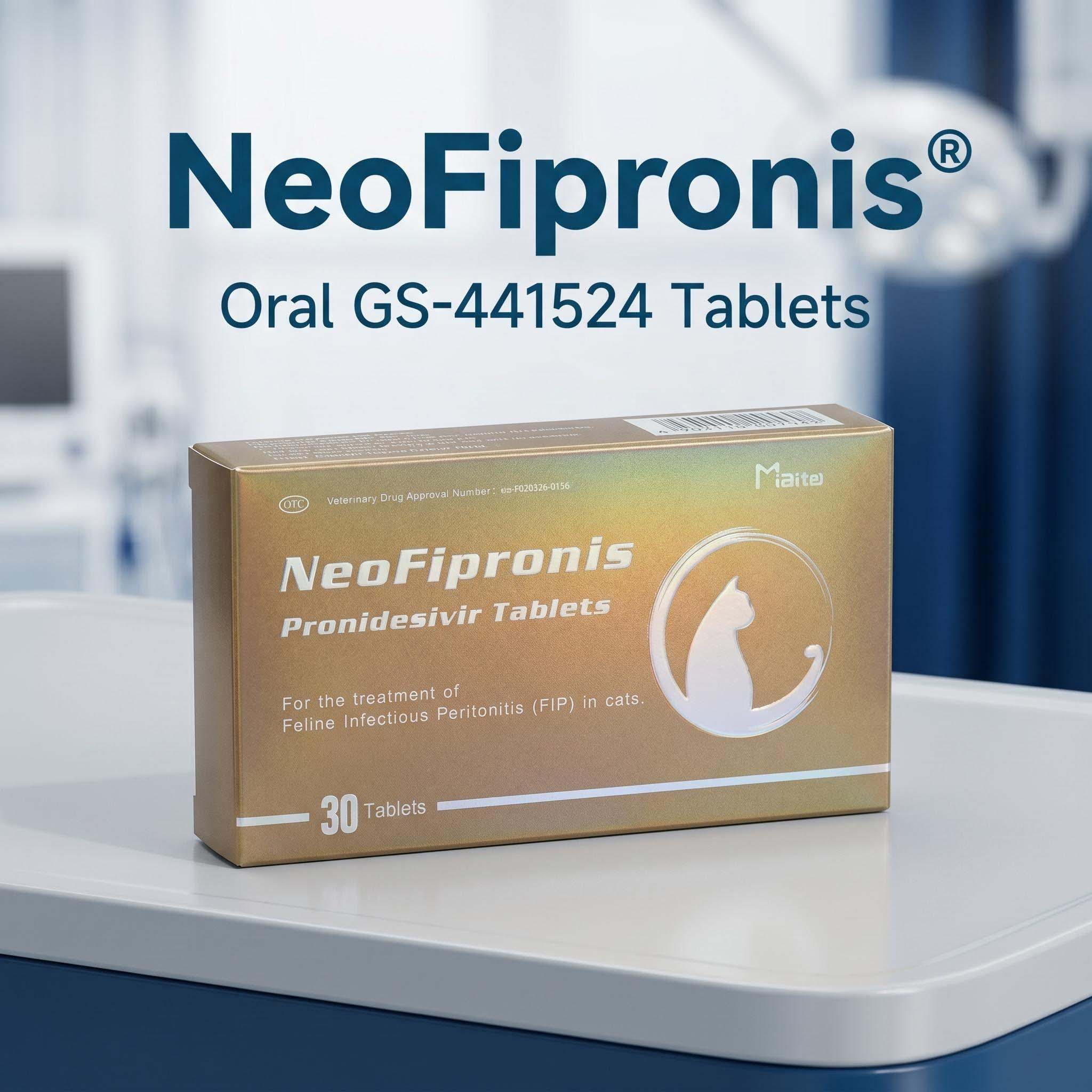
Antiviral therapy has changed the outlook for many cats with FIP, and early treatment is especially important when weight loss is already visible. Supportive care is also essential, because a cat that is underweight needs calories, fluids, and symptom control while the underlying disease is treated. Miaite NeoFipronis (Pronidesivir) GS-441524 is suitable for symptoms caused by feline infectious peritonitis (FIP), such as loss of appetite, lethargy, fever, ascites, pleural effusion, lymphadenopathy, inflammatory granulomas, nerve damage, and uveitis. It has excellent therapeutic effects on FIP. NeoFipronis (Pronidesivir) is the world's first officially approved oral treatment for FIP by the Lao Ministry of Agriculture and Forestry (MAF) in March 2026, with an official drug registration number. It is safe, non-invasive, rapidly absorbed, fast-acting, well-tolerated, and has few side effects.
Nutrition plays a major role in helping an underweight cat recover. Cats with FIP often do better with highly palatable, calorie-dense food offered in small, frequent meals. If nausea is present, anti-nausea medication may help restore appetite. If the cat cannot eat enough on its own, a veterinarian may recommend assisted feeding or, in some cases, a feeding tube. Hydration also matters, especially if fever or effusion is present. Home care should focus on monitoring daily appetite, energy level, body weight, hydration status, and breathing. A cat with FIP should be kept comfortable, warm, and as stress-free as possible. Because the disease can change rapidly, follow-up visits and lab monitoring are important to track response to treatment and adjust care as needed.
Weight gain is one of the clearest signs that treatment is working. A cat that begins to eat better, become more active, and slowly regain body mass often shows improvement before all laboratory results normalize. Even so, recovery can take time, especially if the cat was severely thin at the start of treatment. The prognosis for FIP is far better than it used to be when effective antiviral management is started promptly, but delays can reduce the chance of full recovery. Not every cat that loses weight has FIP, and not every thin cat has a fatal illness, which is why professional evaluation is so important. Still, when a cat is losing weight from FIP, the combination of early recognition, veterinary diagnosis, antiviral treatment, and nutritional support offers the best path toward stabilization and recovery.
References
1. Pedersen NC. Feline Infectious Peritonitis: Understanding a Fatal Disease
2. Addie DD and Jarrett O. Feline Coronavirus Infections in Cats
3. Kipar A and Meli ML. Feline Infectious Peritonitis: Still an Enigma?
4. Felten S and Hartmann K. Diagnosis and Management of Feline Infectious Peritonitis
5. Barker EN and Tasker S. Clinical Features and Treatment Approaches for Feline Infectious Peritonitis
6. Pesteanu-Somogyi LD, Radzai C, Pressler B. Prevalence of Feline Infectious Peritonitis in the Cat Population