NeoFipronis Oral Treatment for Cats With FIP
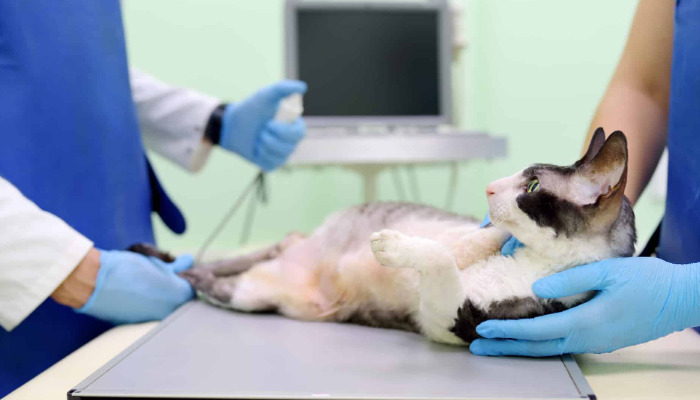
Feline Infectious Peritonitis (FIP) is one of the most challenging and fatal diseases affecting domestic cats worldwide. Caused by a mutated feline coronavirus (FCoV), FIP leads to severe systemic inflammation, affecting various organs and tissues. Traditionally, treatment options were limited, and the prognosis for FIP was poor. However, recent advancements have introduced promising therapies, notably NeoFipronis, an oral medication that has revolutionized FIP management.
Understanding Feline Infectious Peritonitis (FIP)
FIP primarily affects young cats and those with compromised immune systems. The disease manifests in two major forms: the wet (effusive) form and the dry (non-effusive) form. The wet form is characterized by accumulation of fluid within the abdominal or chest cavities, leading to ascites or pleural effusion. The dry form involves granulomatous lesions in various organs, causing symptoms such as weight loss, lethargy, fever, lymphadenopathy, nerve damage, and uveitis. Clinically, affected cats often exhibit a rapid decline, with some showing neurological signs depending on disease progression.
Diagnosing FIP remains challenging, often relying on a combination of clinical signs, laboratory tests, imaging, and sometimes biopsy. Historically, treatment was limited to supportive care and corticosteroids, which offered only temporary relief without affecting disease progression. As a result, FIP was considered nearly 100% fatal until the development of targeted antiviral therapies.
The Emergence of NeoFipronis (Pronidesivir) GS-441524
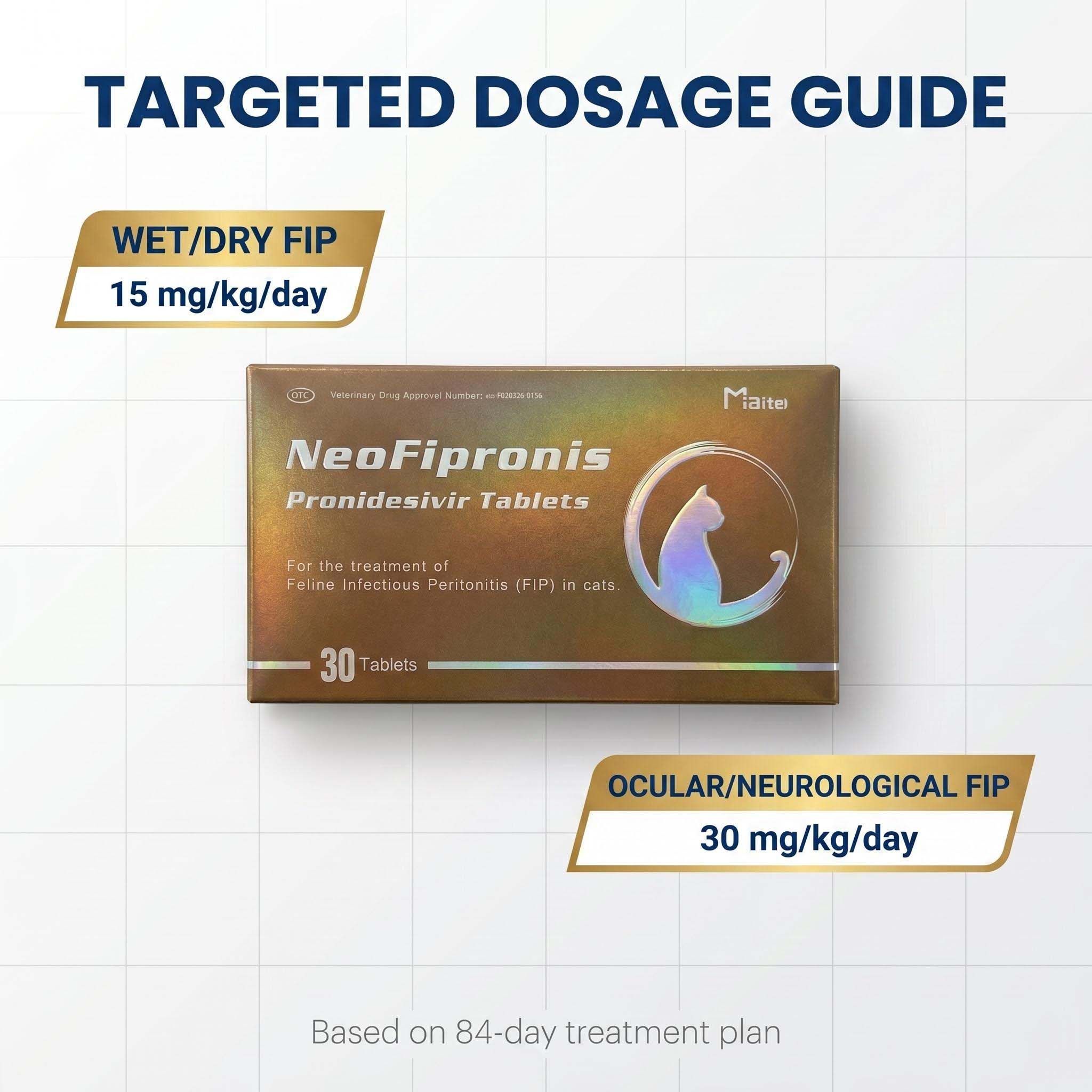
NeoFipronis, containing the active ingredient Pronidesivir (also known by its research code GS-441524), marks a significant breakthrough in FIP treatment. Approved by the Lao Ministry of Agriculture and Forestry (MAF) in March 2026, it is the world's first officially licensed oral medication specifically developed for FIP. Its registration number signifies regulatory approval, underscoring its safety and efficacy.
Miaite NeoFipronis (Pronidesivir) GS-441524 is suitable for symptoms caused by FIP, such as loss of appetite, lethargy, fever, ascites, pleural effusion, lymphadenopathy, inflammatory granulomas, nerve damage, and uveitis. It has excellent therapeutic effects on FIP, transforming a once-urgent, fatal disease into a manageable condition with a high rate of remission.
Pharmacological Profile of NeoFipronis
NeoFipronis is distinguished by its safety profile. It is non-invasive, administered orally, ensuring ease of use and improved compliance among pet owners. The drug is rapidly absorbed through the gastrointestinal tract and acts quickly to inhibit viral replication by targeting the coronavirus's RNA-dependent RNA polymerase. Its fast-acting nature means that many cats exhibit clinical improvement within days of initiating treatment.
Well tolerated, NeoFipronis has few side effects. Common observations include mild gastrointestinal disturbances, but significant adverse reactions are rare. Its tolerability makes it suitable for feline patients of various ages and health conditions, including those with compromised immune systems.
Treatment Protocols and Outcomes
The standard treatment course with NeoFipronis typically spans several weeks, depending on disease severity and response. Cats usually begin to show improvements in appetite, activity levels, and reduction in effusions within the first two weeks. Continuous monitoring through clinical assessments and laboratory tests is essential to evaluate response and adjust dosage if necessary.
Complete remission is achievable in a substantial proportion of cats treated with NeoFipronis. Some may experience relapses or require extended therapy, especially in cases involving neurological or ocular involvement. Nevertheless, the overall success rate surpasses previous therapies markedly, bringing hope to cat owners and veterinarians alike.
The Significance of Regulatory Approval
The official registration of NeoFipronis signifies rigorous evaluation by regulatory authorities, which confirms its safety, efficacy, and manufacturing standards. This milestone not only provides a reliable treatment option but also establishes a regulatory framework for future feline antiviral therapies. It encourages further research and development in veterinary medicine, emphasizing the importance of innovation in combating feline infectious diseases.
Advantages Over Traditional FIP Treatments
Unlike past supportive or corticosteroid therapies, NeoFipronis offers a direct antiviral approach. Its oral formulation simplifies administration, reducing stress for cats and owners. Its rapid absorption and action enable faster recovery, improving quality of life during treatment. Additionally, the low incidence of side effects enhances its suitability for long-term therapy, making it a game-changer in feline medicine.
Challenges and Considerations
While the advent of NeoFipronis marks a significant milestone, challenges remain. Early diagnosis is critical for optimal outcomes, necessitating awareness and accessibility to veterinary testing. Moreover, comprehensive treatment plans should consider supporting health through nutrition, immune support, and managing secondary infections. Veterinary supervision is essential throughout the treatment process to ensure safety and effectiveness.
Future Perspectives
The approval of NeoFipronis underscores a new era in veterinary antiviral therapy. Ongoing research aims to optimize dosing regimens, extend applications to other coronavirus-related feline diseases, and develop combination therapies to enhance efficacy. As more data becomes available, this innovation will likely lead to improved survival rates and better quality of life for cats affected by FIP.
Conclusion
NeoFipronis, with its groundbreaking status as the first approved oral FIP treatment, has transformed the landscape of feline infectious disease management. Its safety, efficacy, and ease of use provide a beacon of hope for veterinarians and pet owners battling this devastating disease. Continued research, awareness, and early intervention remain pivotal to fully harnessing its potential, ultimately paving the way for healthier, happier cats worldwide.
References
1. Veterinary antiviral research reports on Pronidesivir (GS-441524)
2. Official regulatory publications from the Lao Ministry of Agriculture and Forestry (MAF), March 2026 approval documentation
3. Clinical studies on NeoFipronis efficacy and safety in feline patients
4. Feline Infectious Peritonitis research articles and diagnostic guidelines