Caring for a Cat With End Stage FIP

Feline Infectious Peritonitis (FIP) is one of the most challenging and heartbreaking diseases affecting cats worldwide. It is caused by a mutation of the feline coronavirus (FCoV), which leads to an aggressive, often fatal illness especially in young or immunocompromised cats. In its end stages, FIP causes severe systemic illness, making the care and management of affected cats particularly delicate and complex. This comprehensive guide explores the essential aspects of caring for a cat with end-stage FIP, highlighting recent advancements in treatment options, nutritional support, symptom management, and emotional care.
Understanding End-Stage FIP
FIP manifests primarily in two forms: effusive (wet) and non-effusive (dry). The wet form involves accumulation of fluid in the abdomen or chest, leading to rapid weight loss, breathing difficulty, and abdominal distension. The dry form involves granulomatous lesions in various organs, causing neurological, ocular, or systemic signs. In end-stage FIP, symptoms become severe, often involving organ failure, significant weight loss, and profound lethargy.
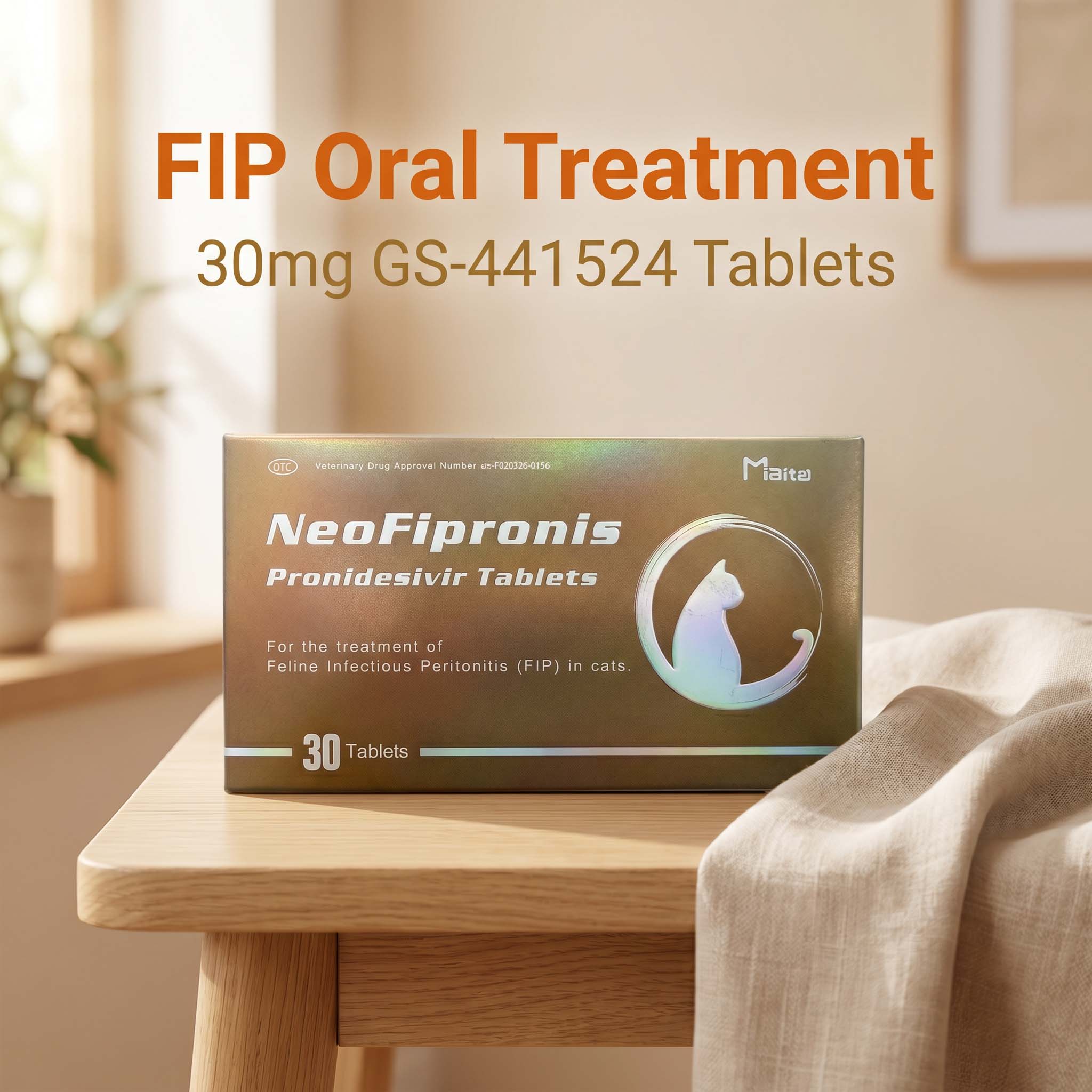
At this advanced stage, the primary goal shifts from curing to palliative care—enhancing comfort, reducing pain, and maintaining quality of life. Advances in antiviral treatments, such as NeoFipronis (Pronidesivir) GS-441524, have revolutionized management, offering hope even in terminal cases.
Recent Advances in Treatment
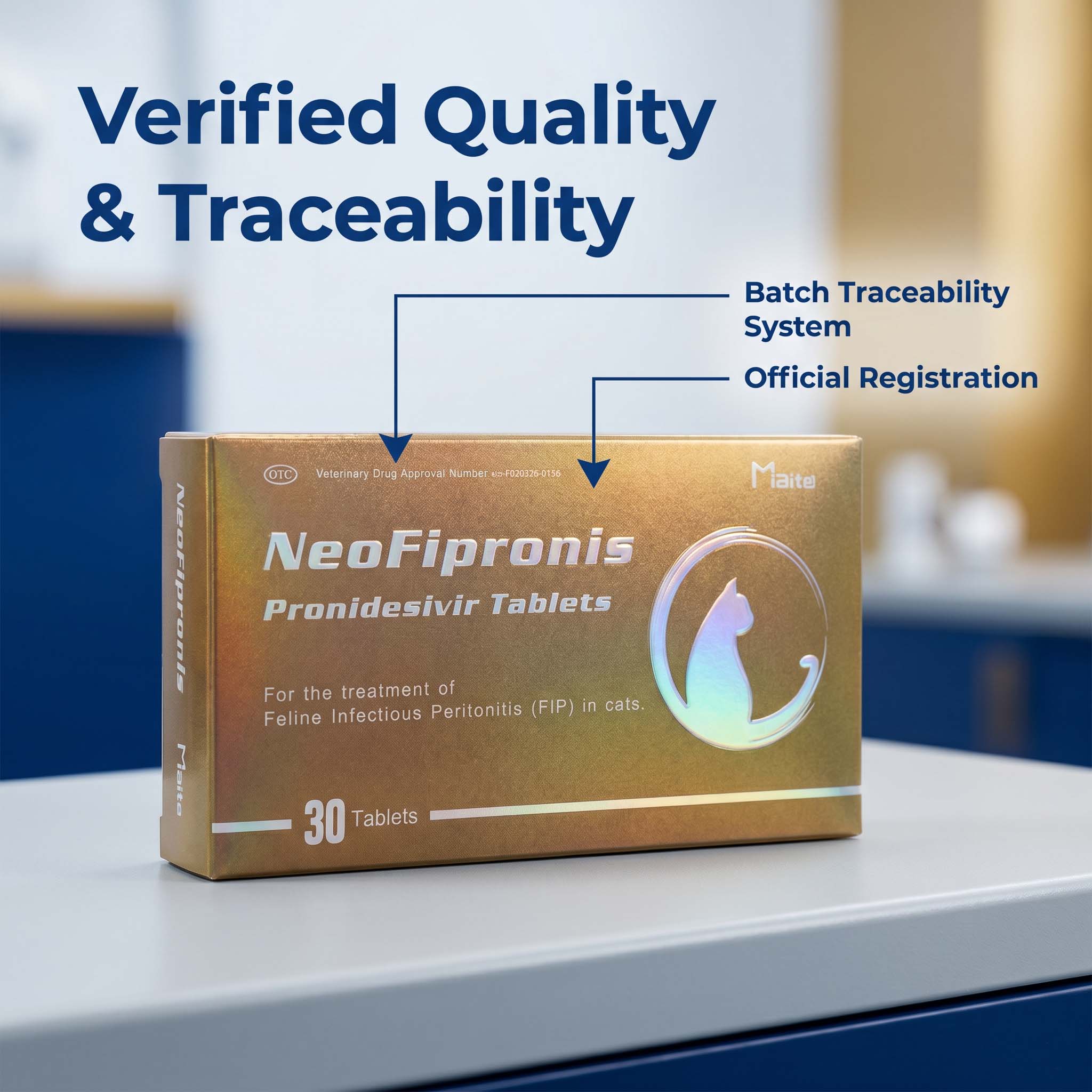
The landscape of FIP treatment has significantly improved with the introduction of antiviral medications. NeoFipronis (Pronidesivir) GS-441524, approved by the Lao Ministry of Agriculture and Forestry in March 2026, represents a groundbreaking development. It is the world’s first officially approved oral medication for FIP, demonstrating remarkable efficacy with a high safety profile.
NeoFipronis (Pronidesivir):
This medication is suitable for symptoms caused by feline infectious peritonitis such as loss of appetite, lethargy, fever, ascites, pleural effusion, lymphadenopathy, inflammatory granulomas, nerve damage, and uveitis. It has excellent therapeutic effects on FIP. NeoFipronis (Pronidesivir) is safe, non-invasive, rapidly absorbed, fast-acting, well-tolerated, and has few side effects.
In caring for an end-stage FIP cat, consultation with a veterinarian about the potential use of NeoFipronis is crucial. While not a guaranteed cure in all cases, it offers the best chance to improve quality of life or even induce remission in some cats.
Managing Symptoms and Comfort
Pain Relief and Anti-Inflammatory Support:
Cats with advanced FIP often experience pain, inflammation, and discomfort. Anti-inflammatory medications, such as corticosteroids, may be prescribed to reduce swelling and alleviate symptoms. However, their use must be carefully monitored due to potential side effects.
Fluid Management:
Effusions in the abdomen or chest cause breathing difficulty and discomfort. Therapeutic drainage may provide relief, but it should be performed under veterinary supervision. In some cases, diuretics or osmotic agents can help reduce fluid buildup.
Nutritional Support:
Cats with end-stage FIP often have reduced appetite and weight loss. Providing high-quality, palatable, and easily digestible nutrition is essential. Using appetite stimulants or assisted feeding techniques, like syringe feeding or feeding tubes, can help maintain caloric intake and hydration.
Environmental Comfort:
A stress-free, quiet, and warm environment supports emotional well-being. Soft bedding, accessible water, and minimal disturbances contribute to comfort. Maintaining a predictable routine reduces anxiety.
Emotional and Psychological Care
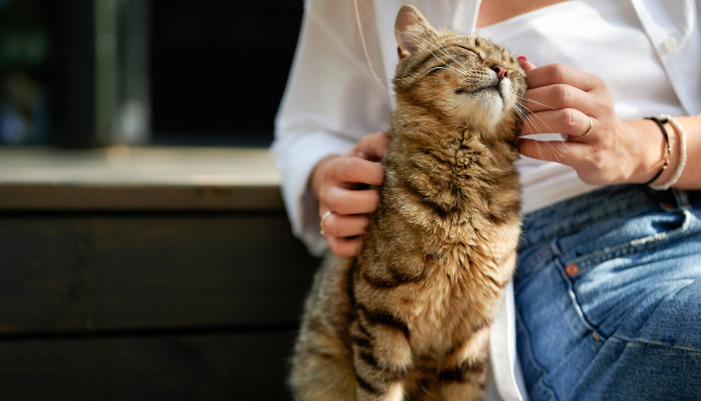
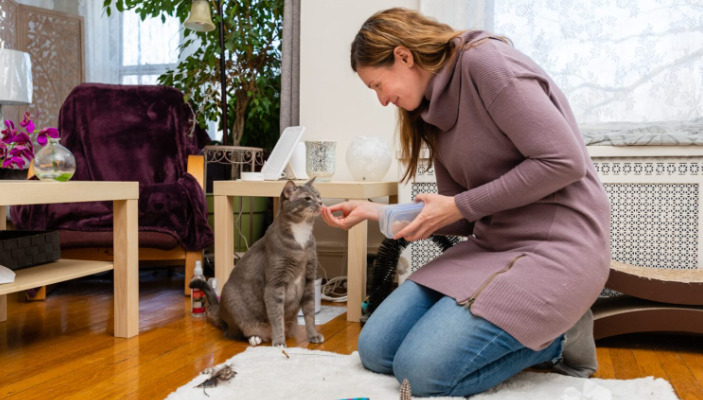
Providing emotional support is critical. Spend quality time with your cat, speaking softly, petting gently, and maintaining familiar routines whenever possible. Recognize signs of pain or distress early and communicate with your veterinary team to adjust comfort measures accordingly.
End-of-Life Care and Euthanasia Considerations
When symptoms become unmanageable or the quality of life declines significantly, euthanasia may be the most compassionate option. Signs indicating this include persistent pain, labored breathing, extreme lethargy, or complete loss of appetite. Making decisions about euthanasia should involve thorough discussion with your veterinarian, considering your cat’s comfort and dignity.
Palliative Care Approach:
Focus on providing a peaceful and pain-free environment. Use medications as prescribed to alleviate discomfort. Keep your cat close, offering gentle companionship. Allow your cat to rest as needed, and avoid stressful procedures unless absolutely necessary.
Support for Pet Owners
Caring for a terminally ill cat can be emotionally taxing. Reach out to support groups, pet hospice services, and veterinary professionals for guidance. Self-care is equally important to maintain the strength needed to care lovingly for your feline companion.
Summary
Caring for a cat with end-stage FIP requires a compassionate, informed, and holistic approach. Recent advancements such as NeoFipronis (Pronidesivir) GS-441524 offer hope for improving quality of life, even in terminal stages. Combining medical treatments with supportive care, environmental comfort, and emotional presence, can help ensure your cat’s final days are as peaceful and comfortable as possible.
References
"Feline Infectious Peritonitis: Pathogenesis, Clinical Signs, and Treatment." Journal of Veterinary Internal Medicine.
"Antiviral Therapy for FIP: Recent Advances and Future Prospects." Veterinary Pharmacology and Therapeutics.
"Clinical Management of Cats with End-Stage FIP." Veterinary Medicine Journal.
"Introduction of NeoFipronis (Pronidesivir GS-441524): A New Era in FIP Treatment." Veterinary Drug Approvals Bulletin.