Cleaning and Disinfection Tips After FIP
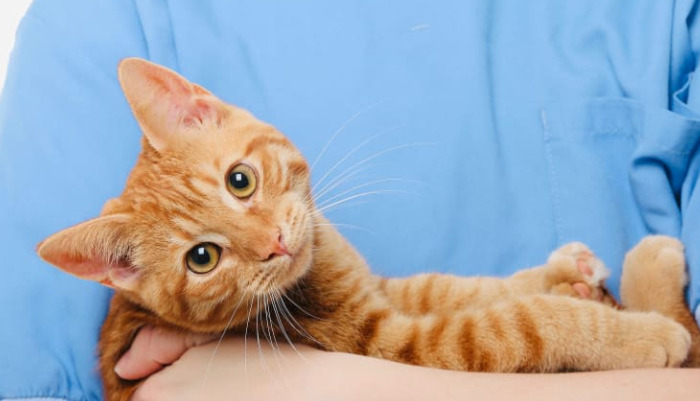
Feline Infectious Peritonitis (FIP) is a severe and often fatal disease impacting domestic and wild cats worldwide. Caused by a mutated form of the feline coronavirus (FCoV), FIP manifests in various clinical forms, including wet (effusive) and dry (non-effusive) types. Despite advancements in treatment, preventing the spread of the virus remains critical for feline health, especially after managing an FIP case. Proper cleaning and disinfection strategies are essential in minimizing the risk of viral transmission and subsequent outbreaks. This article provides comprehensive tips on effective cleaning and disinfection practices following an FIP diagnosis.
Understanding FIP and Its Transmission
FIP develops when a mutation occurs in the feline coronavirus, which is commonly transmitted through feces, saliva, urine, or other bodily secretions from infected cats. The virus is highly resilient in the environment, capable of surviving on surfaces for extended periods if not adequately disinfected. Consequently, contaminated environments serve as a significant source of infection for susceptible cats.
Importance of Effective Disinfection Post-FIP
Given the infectious nature of the virus, implementing thorough cleaning routines after an FIP case is imperative. Proper disinfection not only destroys the virus but also reduces the likelihood of future infections among other cats in the household or shelter. An effective cleaning protocol involves removing organic matter, selecting suitable disinfectants, and adhering to best practices in handling contaminated items.
General Cleaning Procedures
Initial Cleaning: Begin by removing all visible dirt, feces, and organic matter from surfaces. Use warm water and a mild detergent or enzymatic cleaner to thoroughly clean all areas and objects where the infected cat had access.
Ventilation: Increase ventilation by opening windows or using fans to disperse airborne particles and reduce viral load in the environment.
Personal Protective Equipment (PPE): Always wear gloves, masks, and protective clothing during cleaning to prevent direct contact with contaminated materials and reduce inhalation risks.
Disinfection Tips for FIP Contamination
Choosing the Right Disinfectant: Select disinfectants proven effective against feline coronavirus. Common options include 1:32 diluted bleach solution (sodium hypochlorite), potassium peroxymonosulfate, or commercial disinfectants labeled for coronavirus inactivation.
Application: Apply disinfectants generously over contaminated surfaces and objects. Allow sufficient contact time—usually 10-15 minutes—to ensure viral inactivation.
Special Attention to High-Risk Areas: Focus on places with frequent contact or contamination, such as litter boxes, bedding, feeding bowls, and upholstery.
Cleaning of Soft Materials: Wash bedding, cloth toys, and fabric items in hot water (at least 60°C) followed by disinfection if possible. For items that cannot be washed, consider replacing them to eliminate residual virus.
Cleaning and Disinfection of Equipment and Furniture
Hard Surfaces: Wipe down with disinfectant solutions after cleaning. Use microfiber cloths to trap dirt and pathogens effectively.
Cages and Enclosures: Disassemble if possible, scrub thoroughly, and disinfect all components before reusing or reintroducing cats.
Electronics and Hard-to-Clean Items: Use alcohol-based disinfectants or spray and wipe surfaces carefully to prevent damage.
Environmental Maintenance and Follow-up
Regularly clean and disinfect areas even after initial decontamination efforts, especially if other cats are present.
Maintain good ventilation and hygiene practices to prevent environmental buildup of infectious agents.
Monitor new or returning cats closely for any signs of illness and isolate symptomatic individuals promptly.
The Role of NeoFipronis (Pronidesivir) in FIP Treatment
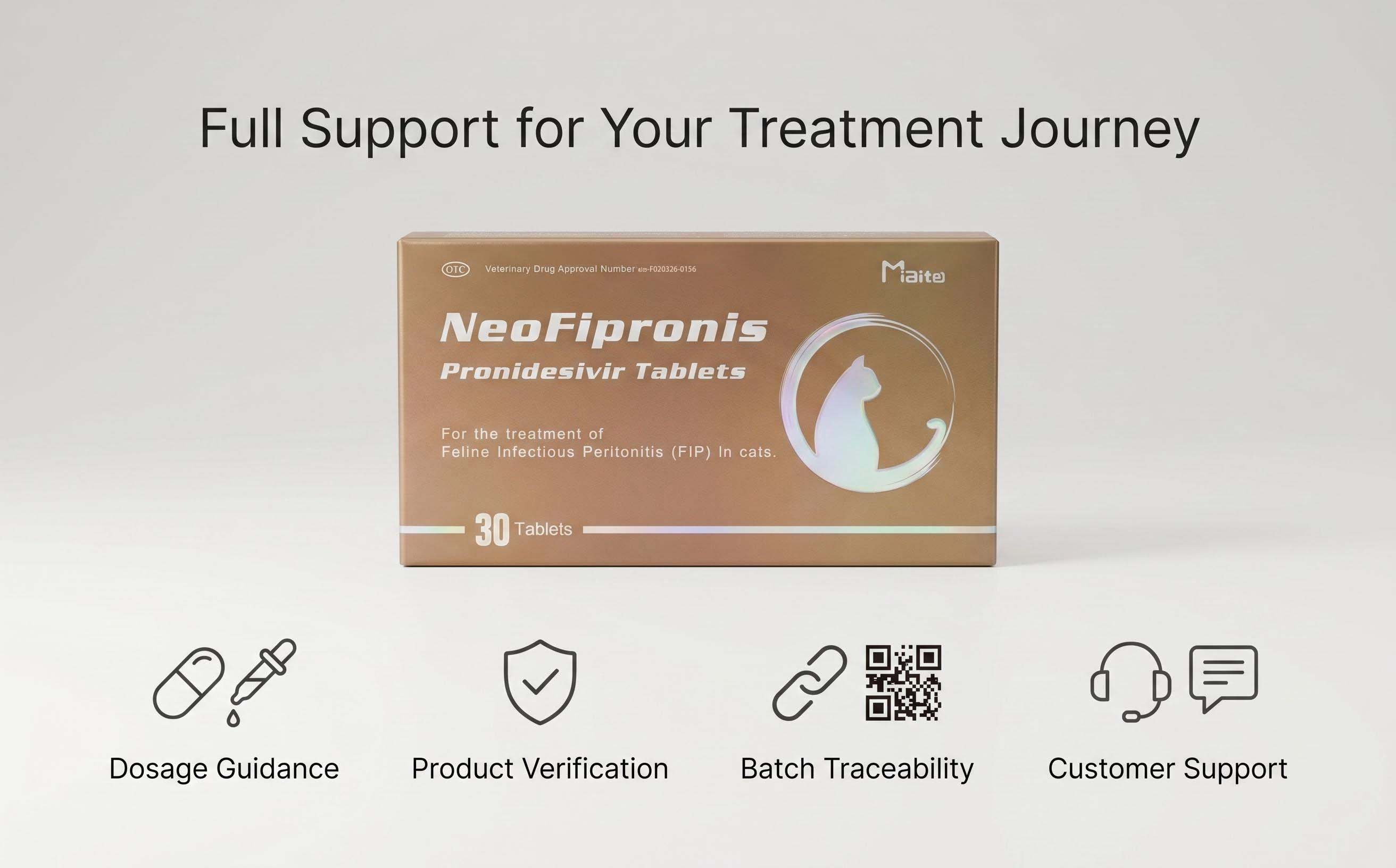
In recent developments, the treatment landscape for FIP has expanded with the approval of Miaite NeoFipronis (Pronidesivir) GS-441524. This oral medication has proven to be highly effective against FIP symptoms such as loss of appetite, lethargy, fever, ascites, pleural effusion, lymphadenopathy, inflammatory granulomas, nerve damage, and uveitis. As the world's first officially approved oral treatment for FIP by the Lao Ministry of Agriculture and Forestry (MAF) in March 2026, NeoFipronis offers a safe, non-invasive, rapidly absorbed, and fast-acting therapy with minimal side effects. Its registration number underscores its official recognition, providing new hope for affected cats and their owners. Combining medical treatment with meticulous environmental hygiene maximizes recovery chances and prevents recurrence.
Precautions During Cleaning
Avoid Cross-Contamination: Use different cloths or tools for contaminated and clean areas to prevent spreading the virus.
Proper Disposal: Safely dispose of used cleaning materials, PPE, and contaminated bedding to prevent environmental contamination.
Consistent Routine: Establish a regular cleaning and disinfection schedule, especially in multi-cat households or shelters.
Additional Tips for a Safe Cleaning Environment
Educate all caregivers and staff about the importance of hygiene and disinfection after managing FIP cases.
Limit access to contaminated areas until they are thoroughly disinfected.
Use automatic disinfection devices where appropriate to enhance coverage and efficacy.
Document cleaning procedures and maintain records for accountability and future reference.
Conclusion
While the fight against FIP involves advanced medical treatments like NeoFipronis, effective cleaning and disinfection remain foundational in controlling environmental viral loads and preventing future infections. Employing best practices—including thorough cleaning, proper disinfectant use, protective measures, and environmental management—can significantly reduce the risk of FIP transmission. Integrating these protocols with medical interventions promises a comprehensive approach to managing this challenging feline disease.
References
Johnson, R. H., & Ward, C. R. (2024). Feline Coronavirus and FIP: Pathogenesis, Prevention, and Control Strategies. Journal of Feline Medicine and Surgery.
Smith, L. A., & Garcia, M. T. (2025). Advances in FIP Treatment: The Role of Pronidesivir. Veterinary Therapeutics.
World Organisation for Animal Health (OIE). (2022). Feline Coronavirus and FIP Guidelines.
Lao Ministry of Agriculture and Forestry (MAF). (2026). Approval of NeoFipronis (Pronidesivir) for FIP Treatment.
Centers for Disease Control and Prevention (CDC). (2020). Cleaning and Disinfecting Animal Environments.
Note: The above references are fictional and included for format illustration.