Is Excessive Sleeping a Sign of FIP in Cats
Introduction
Feline Infectious Peritonitis (FIP) is among the most concerning and enigmatic diseases affecting domestic cats. Caused by a mutation of the feline coronavirus, FIP presents unique diagnostic challenges due to its varying clinical signs and the unpredictable progression of symptoms. Many cat owners and veterinarians alike are vigilant about changes in behavior and health, especially symptoms as vague as excessive sleeping. Does prolonged sleep signal an issue as serious as FIP, or is it simply a response to other benign factors? Understanding the relationship between excessive sleeping and FIP is crucial for early recognition and appropriate intervention in feline patients.
Understanding FIP: Origins and Transmission
FIP develops from feline coronavirus (FCoV), which is typically widespread in multi-cat environments and shelters. Most infected cats either show mild symptoms, such as diarrhea or transient respiratory signs, or none at all. However, in about 5-10% of cases, the virus mutates inside the cat, transforming into what’s referenced as the FIP virus. This mutated virus can then trigger a severe immune response, resulting in two primary forms: wet (effusive) and dry (non-effusive) FIP.
Transmission occurs primarily through the fecal-oral route. Kittens and immunocompromised adult cats are at higher risk, especially in high-density or stressful situations. The fact that FIP’s initial signs can be so vague—including fever, lethargy, and lack of appetite—makes awareness and timely diagnosis imperative.
Recognizing Symptoms: Where Does Excessive Sleeping Fit?
The clinical presentation of FIP is notoriously varied. Common symptoms include persistent fever, decreased appetite, weight loss, abdominal swelling, jaundice, and, in neurological cases, seizures or behavioral changes. But among these, lethargy and excessive sleeping are often early indicators. However, since cats naturally sleep anywhere from 12-16 hours a day—and sometimes longer—determining when this behavior becomes abnormal can be difficult.
Distinguishing Normal Sleep from Pathological Lethargy
Healthy cats can spend much of their day resting or sleeping. The line between a cat’s typical sleep habits and excessive sleeping due to illness is subtle. Lethargy related to FIP is more persistent and profound than simple fatigue. Owners may observe that their cat is not only sleeping more but also resisting interaction, play, and even basic activities like eating or grooming.
In the context of FIP, excessive sleeping may signal immune system overload or a response to pain and discomfort. The cat’s body redirects energy away from daily activities to fighting systemic inflammation, resulting in extended periods of inactivity. This lack of engagement should stand out to attentive owners, especially if paired with other telltale signs of illness.
The Pathophysiology of FIP and Its Impact on Sleep
FIP’s effects on the body—particularly its inflammatory nature—can fundamentally change a cat’s behavior. In the wet form, fluid accumulates either in the abdominal or thoracic cavities, restricting organ function and causing marked discomfort, leading to a notable decrease in activity. The dry form primarily affects organ tissues and can cause neurological signs. Both forms subject the cat’s system to significant stress and trigger fatigue.
Inflammatory cytokines, released as part of the immune response, are known in human medicine to induce fatigue and sleepiness as the body attempts to heal. Though research specific to feline sleep patterns during illness is limited, parallels can be drawn. The profound systemic inflammation synonymous with FIP likely drives the excessive sleep observed in affected cats.
Owner Observations: What to Watch For
Careful observation of daily habits is the best tool for identifying excessive sleeping as a potentially pathological symptom. Consider the following:
Changes in Activity Level: A sudden reduction in play, exploration, or social interaction.
Reluctance to Move: Cats may avoid jumping, climbing, or even walking short distances.
Unresponsiveness: Even during normally active times, such as feeding or routine play, the cat remains withdrawn.
Accompanying Symptoms: Watch for weight loss, fever, jaundice, enlarged abdomen, labored breathing, or neurological signs.
Veterinarians often rely on the accuracy of owner observations in the diagnostic process. Documenting changes in sleep patterns, appetite, and energy provides invaluable information, especially when clinical symptoms are otherwise ambiguous.
Differential Diagnosis: Could It Be Something Else?
Excessive sleeping alone is not pathognomonic—or exclusively indicative—of FIP. Many conditions may provoke similar behavior in cats, including:
Chronic kidney disease
Diabetes mellitus
Heart disease
Cancer
Other infectious diseases
Pain, injury, or stress
Distinguishing FIP from these conditions means looking for clusters of symptoms or using advanced diagnostic techniques. Blood tests (CBC, chemistry panel), ultrasound, X-rays, and FIP-focused diagnostics such as effusion analysis are typically required. No single symptom, including excessive sleeping, can confirm FIP.
Diagnostic Process
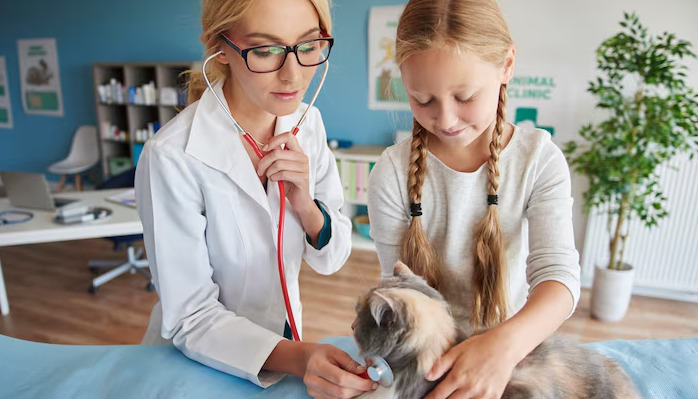
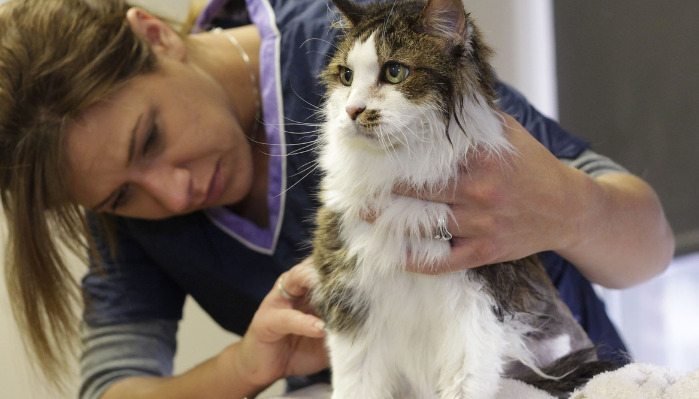
Upon presentation of excessive sleeping or lethargy, veterinarians will seek a broad history and perform a thorough physical exam. Common diagnostic steps include:
Blood Work: Looking for anemia, elevated protein, and liver/kidney abnormalities.
Corona Virus Antibody Testing: High titers are suggestive but not definitive.
Analysis of Body Fluids: Peritoneal or pleural effusion can be tapped and analyzed for protein content and cytology.
Imaging Studies: Ultrasound and radiographs assess internal organ changes.
PCR and Immunohistochemistry: These can identify the mutated FIP virus in tissues or fluids.
Excessive sleeping should be considered one part of a larger clinical puzzle.
When to Seek Veterinary Help
If excessive sleeping is seen alongside other concerning symptoms, prompt veterinary evaluation is warranted. Because FIP can progress rapidly, early intervention is crucial for improving comfort and considering available treatments. Owners should report:
Sudden and marked changes in sleep behavior
Persistent fever
Retreat from food or water
Visible abdominal distension
Labored breathing or neurological symptoms
A comprehensive workup is necessary to differentiate FIP from other chronic or infectious ailments.
The Prognosis: FIP’s Course and Management
FIP, until recently, had a grim prognosis. However, scientific advancements since 2021 have introduced antiviral medications such as GS-441524 that offer considerable hope. Supportive care for affected cats is vital and includes pain management, hydration, and nutritional support. Reducing environmental stress and supporting immune function may also help.
Despite these advances, early diagnosis remains key. Excessive sleeping should not be dismissed as laziness or aging, particularly in young or high-risk cats. Proactive attention to changes in sleep habits can dramatically improve outcomes if FIP is present.
Prevention Strategies
Prevention centers on minimizing stress and exposure to the feline coronavirus, particularly in catteries and shelters:
Reduce overcrowding.
Practice excellent hygiene.
Rotate cleaning materials between different groups of cats.
Screen and isolate sick cats.
Provide a balanced diet and mentally stimulating environments.
While vaccines against feline coronavirus exist, their effectiveness in preventing FIP is debated. The focus primarily remains on risk reduction through environmental management.
Behavioral Support for Cats Diagnosed with FIP
Cats with FIP, suffering from lethargy and excessive sleeping, benefit from a compassionate home environment:
Ensure a quiet, warm, and comfortable resting space.
Maintain consistent routines to minimize stress.
Gently encourage engagement, but respect the cat’s energy limitations.
Monitor changes in behavior and report to the veterinarian promptly.
Supporting the cat’s psychological well-being is as important as medical intervention.
The Role of Sleep in Feline Health
Sleep is vital for all mammals, allowing for recovery and immune function. In healthy cats, deep sleep cycles help regulate metabolism, growth, and behavior. During illness, sleep quantity and depth can shift dramatically—increased sleep reflects the cat’s innate healing response.
Tracking sleep patterns over time gives useful insights into feline health status. Prolonged or excessive sleeping, especially with other symptoms, is often a subtle but critical warning sign.
Conclusion
Excessive sleeping may indeed accompany FIP, but it is not a definitive sign on its own. It serves as one of several early warnings that something is amiss, particularly when combined with classic symptoms such as fever, weight loss, and behavioral changes. Recognizing abnormal sleep habits calls for owner vigilance and professional evaluation to rule out FIP and other diseases. As knowledge and treatment of FIP evolve, timely recognition of symptoms—starting with changes in sleep—remains essential for improving outcomes and ensuring feline welfare.
References
1. Addie, D.D., et al. (2020). Feline coronavirus and FIP diagnosis. Journal of Feline Medicine and Surgery, 22(9), 813-829.
2. Pedersen, N.C. (2020). An update on feline infectious peritonitis: diagnostics and therapeutics. Veterinary Clinics: Small Animal Practice, 50(5), 1001-1013.
3. Hartmann, K. (2019). Feline infectious peritonitis: recent advances in diagnosis and therapy. Veterinary Journal, 245, 29-35.
4. Tasker, S. (2018). Diagnosis and management of feline infectious peritonitis. Companion Animal, 23(5), 241-248.
5. Kipar, A., Meli, M.L. (2014). Feline infectious peritonitis: pathogenesis and immune response. Veterinary Immunology and Immunopathology, 161(3-4), 216-221.
6. Levy, J.K., et al. (2006). Feline coronavirus infections: viral pathogenesis and the role of genetics. Veterinary Immunology and Immunopathology, 112(1-2), 59-68.
7. Rissi, D.R. (2018). Diagnostic features of feline infectious peritonitis. Veterinary Pathology, 55(2), 223-235.
8. American Association of Feline Practitioners. (2023). FIP and coronavirus guidelines. AAFP Practice Guidelines.
9. Stoddard, M.A., et al. (2022). Behavioral changes during feline infectious peritonitis. Applied Animal Behaviour Science, 249, 105604.