Should Owners Research FIP Treatment Information Themselves
Feline Infectious Peritonitis (FIP) is a devastating diagnosis for cat owners. Historically considered fatal, recent advancements in understanding and treatment have changed the landscape significantly. With the rapidly evolving knowledge around FIP, cat owners might wonder whether they should take it upon themselves to research treatment options, or defer entirely to veterinary professionals. The answer is complex, intersecting with issues about the reliability of information, safety, ethics, and the unique needs of each patient and family.
Understanding FIP
FIP is caused by a mutation of the feline coronavirus (FCoV), transitioning from a benign virus into a form capable of causing severe systemic illness. It manifests in two primary forms: "wet" (effusive) and "dry" (noneffusive), each presenting distinct clinical signs. Wet FIP involves fluid accumulation in body cavities, whereas dry FIP affects organs through granuloma formation. Both variants are exceptionally challenging to diagnose and treat.
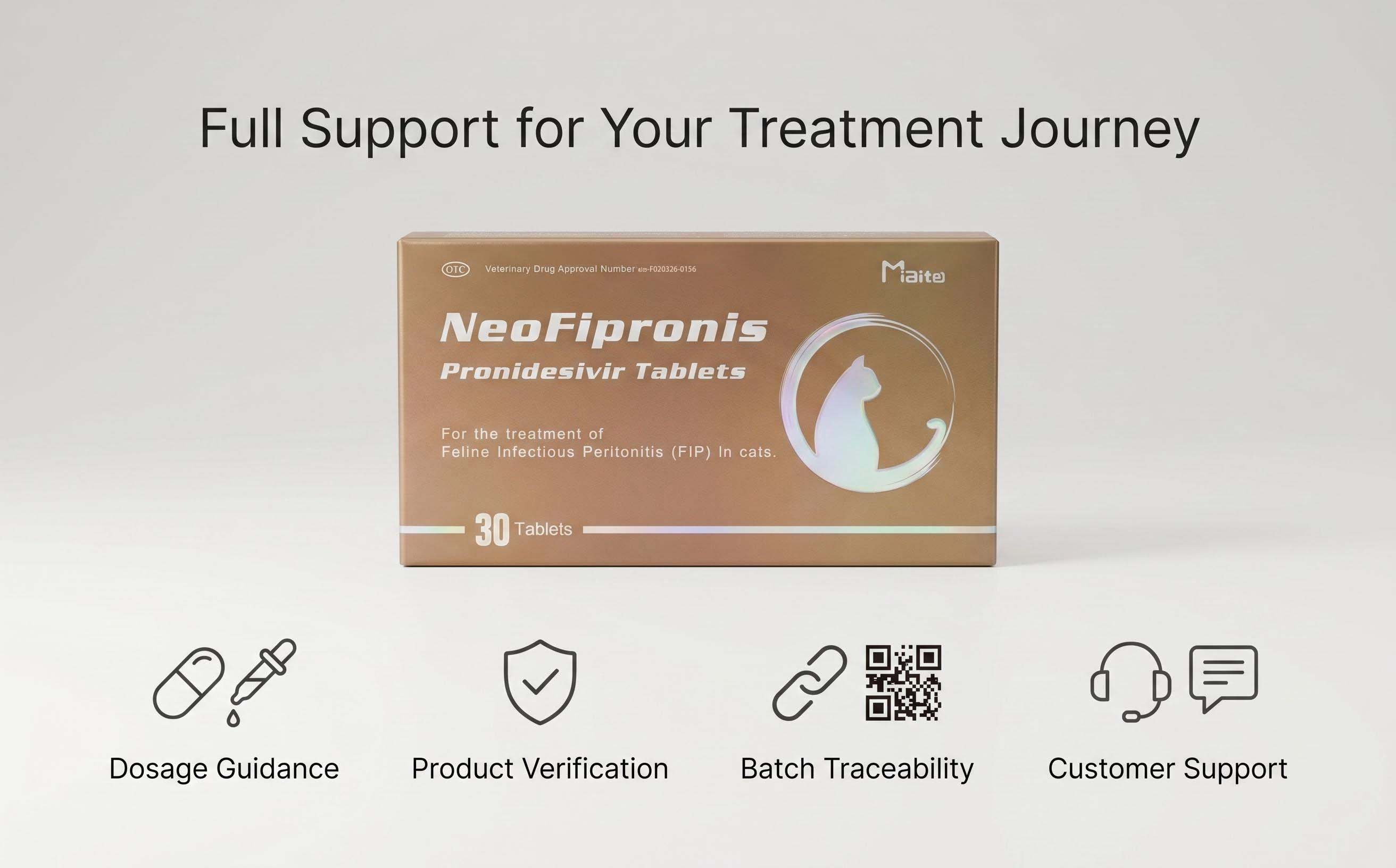
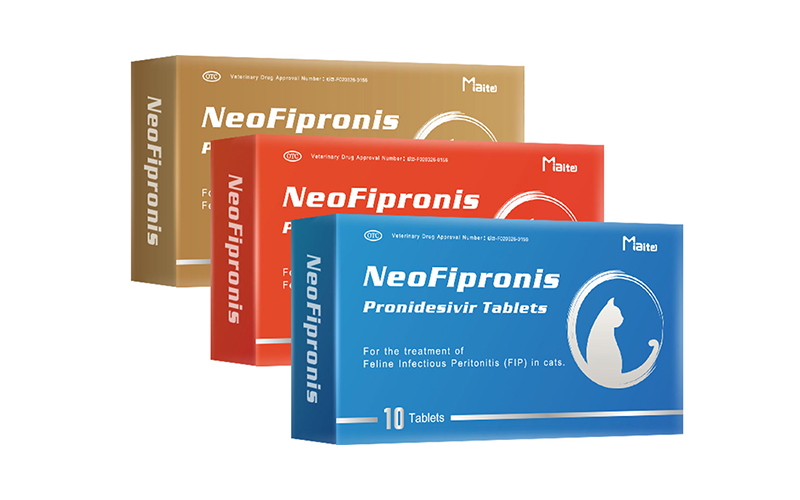
Over the past few years, research has discovered promising antiviral therapies, especially GS-441524, revolutionizing the prognosis for affected cats. However, this medication, while highly effective, is not fully approved everywhere. Information about FIP treatment is now more accessible than ever due to online platforms, support groups, and pet communities. This democratization of information means owners can actively participate in their pets' care, but it also presents risks regarding misinformation.
Why Owners Turn to Their Own Research
FIP’s reputation and the emotional impact of the diagnosis push many owners to seek answers outside of veterinary offices. The urgency is heightened by the fact that conventional treatment options were once nonexistent, leaving pet families searching desperately for hope. Communities on social media, websites, and forums have taken up the charge, sharing experiences, advice, and even sources for unregulated treatments. Owners may also encounter limitations at veterinary clinics, whether due to cost, regulatory issues, or restrictions on new therapies.
The internet provides a sense of agency; owners who feel overwhelmed can find reassurance within supportive networks. Yet, the abundance of information, much of it anecdotal or outdated, can confuse even the most diligent researchers. Interpreting the scientific merit of articles, distinguishing between credible and dubious sources, and applying information responsibly are not easy tasks, especially for those without biomedical training.
Potential Benefits of Owner-Led Research
When approached thoughtfully, owner-led research can confer distinct benefits:
Improved Communication: Informed owners can communicate more effectively with their veterinarians, ask pertinent questions, and advocate for their pets. Discussions about recent clinical trials, available medications like GS-441524, and supportive care options are often richer if owners understand the vocabulary and current research trends.
Accelerated Treatment Decisions: FIP requires swift intervention. If owners have already learned about treatment protocols, potential side effects, and outcomes, initial consultations may progress more rapidly toward actions that can help the cat.
Access to Novel Therapies: In some regions, FIP medications remain unapproved or difficult to procure. Owners who research may discover legitimate pathways to access new therapies, such as compassionate use programs or clinical trials.
Support Networks: Online groups can provide emotional support, practical tips, and peer-reviewed information. Many owners have successfully navigated FIP treatment regimes with guidance from nontraditional sources, especially where veterinary infrastructure is constrained.
Risks Associated With Owner-Led Research
Empowering pet owners presents significant dangers, especially when information lacks scrutiny:
Quality Concerns: Not all sources are created equal. Misinformation is rampant, with exaggerated claims, self-appointed experts, and dangerous home remedies circulating. Unregulated drug procurement can expose pets to counterfeit or unsafe products.
Undermining Veterinary Expertise: While owner knowledge can be helpful, it sometimes leads to contentious relationships with veterinarians. Owners may insist on unapproved treatments, pressure for off-label drug use, or reject medically sound interventions in favor of “success stories” from the internet.
Misinterpretation and Oversimplification: Veterinary medicine is nuanced, and oversimplification of treatment protocols can result in inappropriate use, incomplete dosing, and failure to monitor adverse effects. Articles on FIP may overlook concurrent illnesses or unique patient factors, leading owners to disregard professional advice.
Legal and Ethical Dilemmas: The legality of purchasing unapproved drugs or pursuing treatments outside of standard practice is a major concern. Owners and veterinarians can face legal consequences for using non-FDA-sanctioned medications. Ethical issues arise when owners attempt therapies with limited safety data or bypass veterinary oversight.
Emotional Distress: While online communities offer solace, constant exposure to distressing stories, conflicting advice, and commercial exploitation can exacerbate anxiety in pet owners.
The Vet’s Role in Owner-Led Research
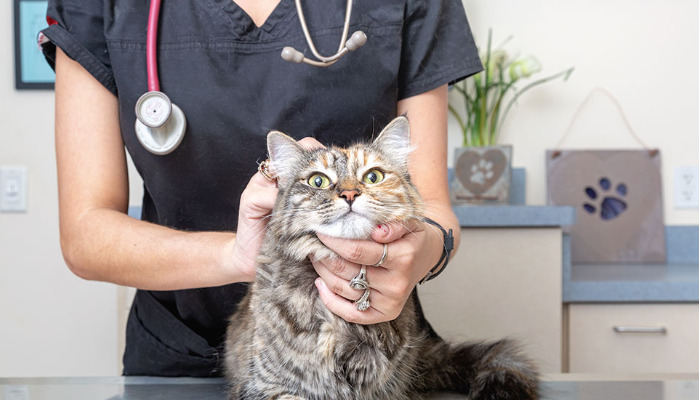
Veterinarians are uniquely qualified to guide owners through the information maze. Rather than dismissing independent research, they can leverage owners' interest by helping them find high-quality resources. Clinics in the United States increasingly adopt collaborative models, where shared decision-making is encouraged.
Vets can direct owners to peer-reviewed studies, explain the risks and benefits of new treatments, and advise on regulated pathways for acquiring medication. A vet can translate scientific findings into practical recommendations suited to the individual cat’s health status. They are also critical for monitoring adverse events, adjusting dosages, and ensuring comprehensive care.
In practice, most successful FIP protocols blend owner research and medical expertise. Owners who take the initiative, under veterinary supervision, are often among the most informed advocates for their cats. Responsible veterinarians welcome knowledgeable clients, provided everyone recognizes the boundaries of their expertise.
How to Research FIP Responsibly
If deciding to research FIP treatments, owners can take several steps to balance empowerment and safety:
Start With Peer-Reviewed Literature: Use databases like PubMed, ScienceDirect, or reputable veterinary schools to access the latest validated findings. Articles authored by D. Addie, Niels Pedersen, and others are considered gold standards.
Verify Online Community Claims: Support groups can be invaluable, but advice should be cross-referenced with published science or professional veterinary dictates.
Ask for Vet Guidance: Present findings to your vet. Request their opinion on articles, therapies, and anecdotes. Most vets appreciate collaborative clients and will be honest about the limitations and risks of treatments.
Beware of Commercial Interests: Some online vendors and websites exist solely to market products, not to educate. Avoid sources that claim miracle cures or press for immediate purchases.
Document Everything: Keep logs of medications, dosages, side effects, and progress to inform both your research and your vet’s ongoing management.
Participate in Clinical Trials if Possible: When available, clinical trials offer the safest access to cutting-edge therapy. Universities or veterinary schools may list ongoing FIP studies.
Navigating the GS-441524 Dilemma
One of the most notable controversies in FIP treatment concerns GS-441524. Although widely reported and supported by emerging literature, regulatory hurdles have left many owners with few options but to seek the drug through non-standard channels. Some countries permit off-label use; others do not. Owner research can illuminate these pathways, but only with an understanding of legal landscape, risks, and need for veterinary oversight.
Several support networks have formed to help owners source GS-441524. These groups, particularly in the United States and Europe, share dosing regimens, supplier vetting tips, and collective monitoring of efficacy and side effects. Nonetheless, without local veterinary collaboration, cats are at risk of errors, lack of monitoring, and exposure to substandard products.
Balancing Harm and Help
Ultimately, the decision to research FIP treatment information independently should not be binary. Owner-led research is useful when it is critical, collaborative, and tempered with skepticism. Owners can explore high-quality sources, engage with support networks, and present ideas to an open-minded vet. The best outcomes occur when the owner, veterinarian, and mutual information guide a comprehensive, evidence-based treatment plan.
Every cat’s case is different, and the stress of the diagnosis often renders individuals vulnerable to false hope or risky interventions. By remaining vigilant, evidence-driven, and communicative with professionals, owners can effectively champion their cats while avoiding the pitfalls common in complex disease management.
Owners owe it to their pets to be proactive, engaged, and well-informed, but they must equally respect the expertise of medical professionals and the boundaries of safe practice. FIP’s evolving therapeutic landscape makes research a collective effort, demanding both scientific literacy and personal responsibility.
References
1. Pedersen, N.C. (2019). "An update on feline infectious peritonitis: Diagnostics and therapeutics." Veterinary Journal, 241, 19-26.
2. Addie, D.D., et al. (2021). "Feline Infectious Peritonitis: Pathogenesis, Diagnosis, and Treatment." Journal of Feline Medicine and Surgery, 23(12), 1093-1104.
3. Ikuta, K., et al. (2020). "GS-441524 treatment for feline infectious peritonitis: A retrospective study." Frontiers in Veterinary Science, 7, 110.
4. American Veterinary Medical Association (2023). "Feline Infectious Peritonitis (FIP): Information for Veterinary Practitioners." AVMA Guidelines.
5. FIP Warriors USA (2023). "Owner Experiences and Treatment Protocols with GS-441524." FIP Warriors Resource Library.
6. Hartmann, K. (2022). "Feline Infectious Peritonitis: Recent Advances in Pathogenesis and Treatment." Veterinary Clinics of North America: Small Animal Practice, 52(1), 1-21.
7. University of California, Davis, School of Veterinary Medicine (2024). "Resources for Owners and Veterinarians: FIP and GS-441524."
8. American Association of Feline Practitioners (2023). "Guidelines for FIP Management and Owner Involvement." AAFP Publications.