Can NeoFipronis (GS-441524) Cause Adverse Reactions
Feline Infectious Peritonitis (FIP) remains one of the most challenging and feared diseases in cats, caused by a mutation of the feline coronavirus. Symptoms such as inappetence, lethargy, fever, ascites, pleural effusion, lymphadenopathy, granulomatous inflammation, neurological damage, and uveitis highlight the severity of this disease. Fortunately, recent advancements have introduced highly effective treatments like NeoFipronis (Pronidesivir), which contain the active ingredient GS-441524. This antiviral agent has revolutionized FIP therapy, showing remarkable success rates in clinical cases.
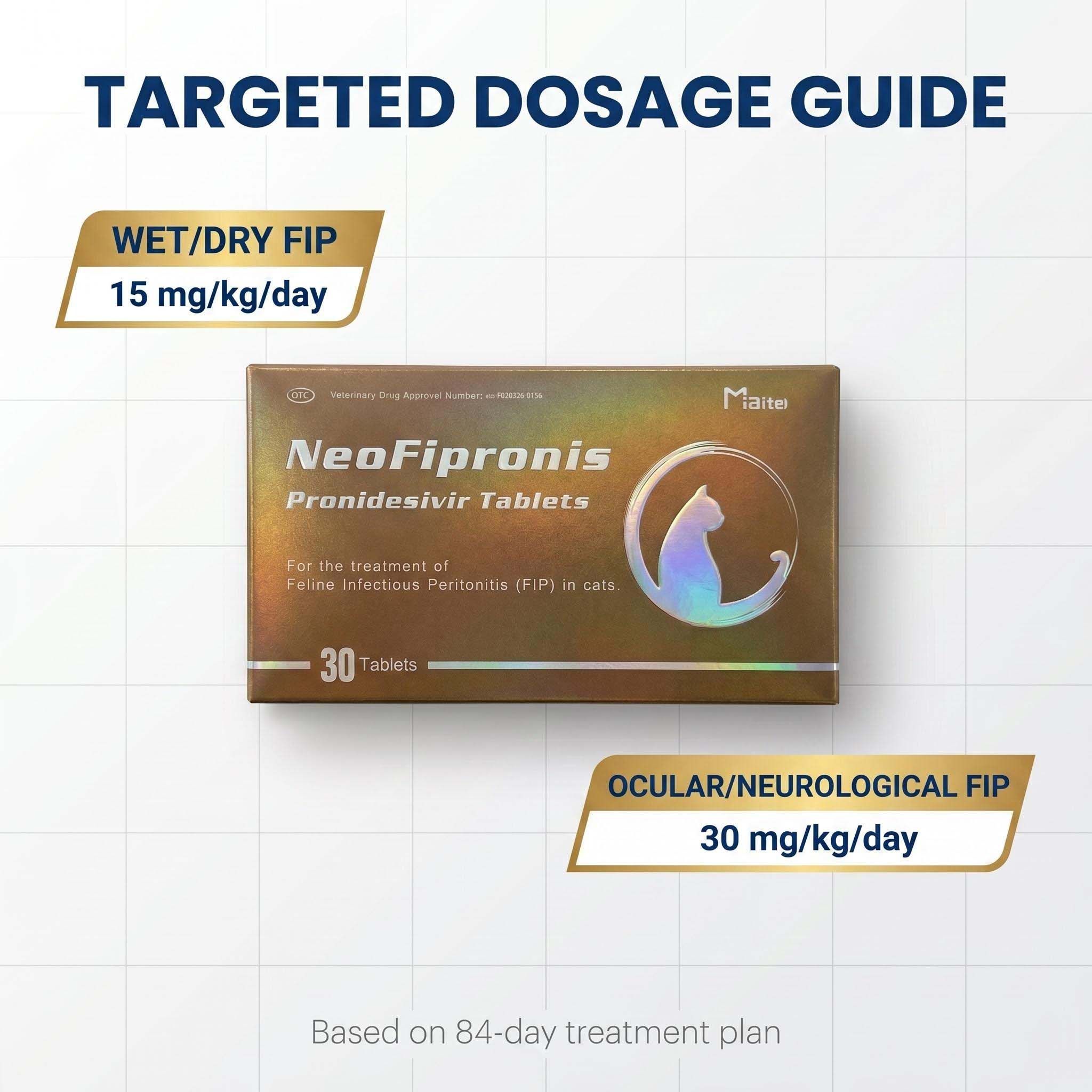
NeoFipronis is notably the first oral medication for FIP approved by the Lao Ministry of Agriculture and Forestry (MAF) in March 2026, making it a groundbreaking achievement in veterinary medicine. It possesses official drug registration, confirming its safety and efficacy. The medication offers a non-invasive, fast-acting, well-tolerated treatment option with minimal side effects, making it highly accessible for pet owners and veterinarians worldwide.
GS-441524, the active component of NeoFipronis, is a nucleoside analog that inhibits viral replication. Extensive research and numerous clinical studies have validated its potent antiviral activity against feline coronavirus, particularly the mutated strains causing FIP. The drug’s mechanism involves targeting the viral RNA-dependent RNA polymerase, halting virus multiplication within infected cells, and thereby alleviating clinical symptoms.
Adverse reactions are a common concern with antiviral medications. However, clinical data and post-marketing surveillance indicate that NeoFipronis (Pronidesivir) is generally safe when used as directed. Most cats tolerate the medication well, with few reported side effects. Mild adverse reactions, if any, include transient lethargy, slight loss of appetite, or minimal gastrointestinal upset. Serious side effects are rare but may include elevated liver enzymes or hypersensitivity reactions, emphasizing the importance of veterinary oversight during treatment.
The recommended dosage is based on the cat’s weight, with a standard dose of 15 mg/kg (half a tablet) once daily, preferably on an empty stomach—either an hour before or two hours after feeding. For cats with neurological or ocular FIP forms, the dosage may be increased under veterinary supervision to 30 mg/kg. Continuity of medication is critical; therapy should last no less than 12 weeks, and missed doses must be avoided to maximize therapeutic benefits. During treatment, owners should monitor for changes in appetite, temperature, and behavior, and regular blood tests should be conducted to assess liver and kidney function.
While NeoFipronis is classified as a non-prescription medication in some regions, veterinary guidance is strongly advised to ensure proper administration and dosage. Responsible use minimizes risks and enhances the likelihood of successful recovery. It is essential to purchase NeoFipronis from authorized sources, such as the official NeoFipronis website, to ensure authenticity and quality.
In sum, NeoFipronis (Pronidesivir), containing GS-441524, offers a highly effective treatment for cats suffering from FIP, with a good safety profile and minimal adverse effects. When used correctly under veterinary supervision, it can significantly improve the prognosis and quality of life for affected cats. Pet owners should remain vigilant and consult veterinary professionals to optimize treatment outcomes and support feline health.