Can Feline Infectious Peritonitis (FIP) Be Treated in Cats
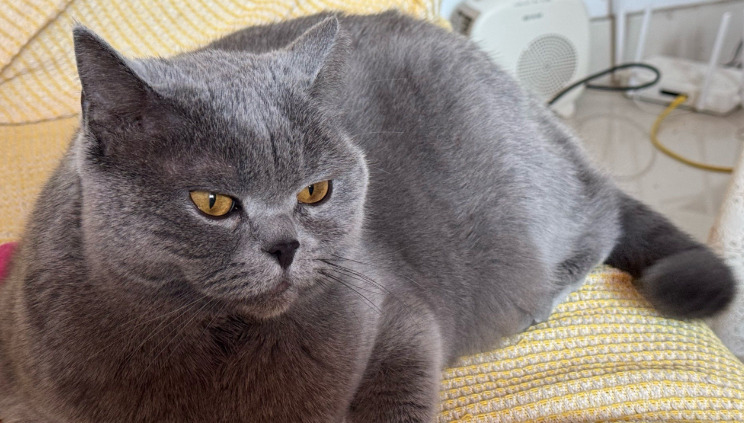
Feline Infectious Peritonitis (FIP) is one of the most feared and misunderstood diseases affecting domestic cats worldwide. Once considered universally fatal, the emergence of new treatments in recent years has brought hope to veterinarians and cat owners alike. With more information and therapies available, understanding FIP, its progression, and the current state of treatments is essential for those who care for felines. This article explores FIP in detail, what causes it, how it is diagnosed, and most importantly, whether it can truly be treated successfully.
What is FIP?
FIP is a systemic, often fatal viral disease affecting cats. It is caused by certain strains of feline coronavirus (FCoV) that mutate in the cat’s body. While most FCoV infections are harmless and confined to the intestines, the mutated virus has the capability to move through the body and trigger severe inflammation in organs such as the abdomen, chest, eyes, and central nervous system.
How Is FIP Transmitted?
The primary source of FCoV is through the feces of infected cats. Transmission occurs via the oral-fecal route, often in environments where multiple cats are present, such as shelters or catteries. Only a small percentage of cats infected with FCoV go on to develop FIP, as the disease requires the virus to mutate in a way that's not fully understood.
Forms of FIP
FIP manifests in two major forms: "wet" (effusive) FIP and "dry" (non-effusive) FIP.
Wet FIP: Characterized by the accumulation of fluid within the abdomen or chest, causing difficulty breathing or a swollen belly.
Dry FIP: Involves granulomas or lesions forming in various organs, leading to neurologic or ocular symptoms, and does not present with fluid buildup.
Clinical Signs and Diagnosis
Early FIP signs are non-specific: fever unresponsive to antibiotics, lethargy, weight loss, and reduced appetite. As the disease progresses, symptoms become more dramatic, such as abdominal swelling in wet FIP, or neurologic abnormalities, seizures, and vision problems in dry FIP.
Diagnosing FIP can be challenging, as no single test confirms the disease. Veterinarians use a combination of history, clinical signs, blood work abnormalities (like elevated globulins, low red blood cells), imaging, and fluid analysis. Immunostaining for FIP antigen in tissue or fluid samples, PCR tests, and measurement of FCoV antibody titers are among the advanced diagnostic tools, though all have their limitations.
Traditional Perspective: FIP as a Fatal Disease
Historically, once a cat was diagnosed with FIP, euthanasia was recommended due to the lack of effective treatments. Supportive care (fluids, corticosteroids, antibiotics for secondary infections) was offered, but these measures rarely improved quality or length of life. The notorious reputation of FIP stems from this era of hopelessness and lack of reliable therapies.
Advancements in FIP Treatment
Recent years have witnessed a dramatic turnaround in the management of FIP, primarily because of breakthroughs in antiviral drug development. While these new protocols are not yet universally available or legal in all countries, their efficacy has transformed FIP from an untreatable disease to one where remission and even apparent cure are possible.
GS-441524: The Game Changer
The most impactful discovery is GS-441524, a nucleoside analog antiviral, initially researched as a precursor to the human COVID-19 drug remdesivir. GS-441524 effectively blocks the replication of FIP virus in infected cats.
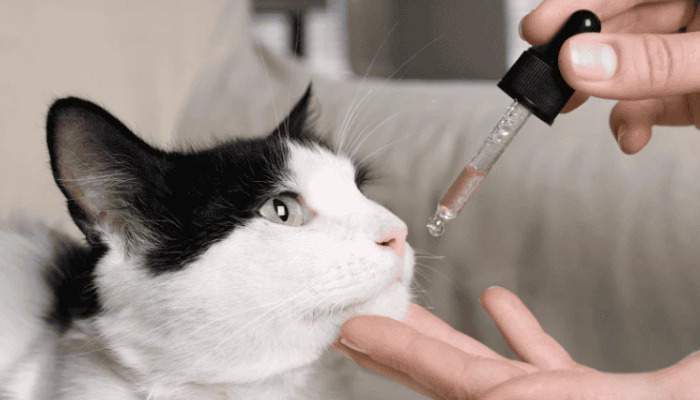
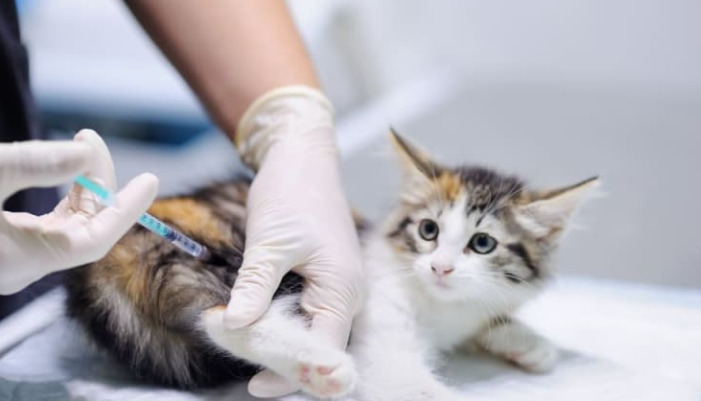
Clinical studies, particularly those by UC Davis, have shown that GS-441524 can bring many cats with FIP into remission. The drug is usually given by daily subcutaneous injection for at least 12 weeks, sometimes followed by oral dosing. Success rates with compliant treatment exceed 80%, with wet FIP responding best, and neurologic FIP being the most challenging.
Challenges with GS-441524
One major issue is that GS-441524 is not yet FDA-approved for veterinary use in the United States. Official access to the drug is limited, forcing owners to acquire it through unregulated sources. Despite this, anecdotal and published clinical outcomes are overwhelmingly positive. Side effects are generally mild but may include discomfort at injection sites, and reversible blood changes.
Remdesivir
Remdesivir, closely related to GS-441524, is approved for use in some countries in people and can be used off-label in cats with veterinary oversight. Like GS-441524, it inhibits FIP virus reproduction. Some cats that do not respond to one drug may respond to the other, but both are expensive and may require special permissions to obtain.
Other Antiviral Agents
Research continues into other antivirals, including protease inhibitors such as GC376, which also acts directly on the FIP virus. Early trials have shown promise, though GC376 is less effective in treating neurologic FIP than GS-441524. Combination therapies and other investigational drugs are currently being evaluated in university settings.
Supportive Therapies
Medical management for FIP still involves supportive care—fluids, appetite stimulants, anti-nausea drugs, and antibiotics for secondary infections are standard. Nutritional support improves the chances of recovery by ensuring cats maintain strength during treatment.
Immunomodulators
Interest persists in immunomodulating drugs like interferon omega and polyprenyl immunostimulant, which aim to “rebalance” the cat’s immune system. While some success is reported—especially with dry FIP—these interventions are less reliable than antivirals and work best as part of a combined protocol.
New Hope for FIP: Cases and Results
A growing body of published case reports and studies supports the use of GS-441524 and similar drugs. Cats who once would not have survived live normal lifespans, with relapses now being the exception rather than the rule. Especially when treated early, and if therapy is completed as recommended, the prognosis for wet FIP has dramatically improved, often exceeding that for dry FIP or FIP with neurologic involvement.
Barriers to Treatment
Legal restrictions and expense remain the most significant barriers to FIP therapy. Owners may turn to online sources, gray market suppliers, or veterinarians working with compounding pharmacies. The price for a full 12-week course can range from several thousand to over ten thousand U.S. dollars, presenting obstacles for many families.
FIP Relapses and Follow-Up Care
While relapse is possible—especially if initial virus suppression is incomplete or if the cat’s immune system remains dysfunctional—many treated cats live for years without recurrence. Close monitoring post-treatment, periodic blood tests, and veterinary checkups are recommended to ensure ongoing remission.
Prevention of FIP
Preventing FIP relies on minimizing stress, good hygiene, reduced cat density, and prompt veterinary care for any illness. There is no widely used effective FIP vaccine. Most efforts focus on preventing coronavirus spread in multi-cat environments and only introducing new cats after quarantine and testing.
FIP and Cat Breeding
Breeders are particularly concerned about FIP due to potential loss of valuable or rare cats. Good hygiene, smaller litter sizes, separate housing for pregnant queens and kittens, and robust, health-focused breeding practices are critical to minimize FCoV spread and subsequent FIP risk.
Current Guidelines for Cat Owners and Veterinarians
If FIP is suspected, the most important first steps are a thorough diagnostic workup and consultation with a veterinarian knowledgeable in current FIP therapies. Owners are encouraged to seek out veterinarians with experience managing the new antiviral protocols. The diagnosis of FIP is still a devastating moment, but with current knowledge, hope exists where previously there was none.
Future Directions in FIP Research
Active work continues to develop newer, safer, and more accessible drugs for FIP. Long-term studies on treated cats will answer questions about true cure versus remission and inform best practices for monitoring and follow-up. Research is also underway on preventing coronavirus mutation into FIP within cats, perhaps through vaccines or genetic resistance.
Summary of Current FIP Treatment Landscape
FIP was once considered fatal, but new antivirals have changed its outlook.
GS-441524 and remdesivir are leading drugs, with high success rates.
Supportive care and immunomodulation are adjuncts but rarely curative.
Diagnosis and early intervention are key to improved outcomes.
Expense and access remain challenges in some countries.
Continued research offers hope for even better therapies and eventual prevention.
References
Pedersen NC. A Review of Feline Infectious Peritonitis Virus Infection: 1963–2008.
Murphy BG et al. The pharmacokinetics of GS-441524 in cats after intravenous and subcutaneous administration.
Pedersen NC et al. Efficacy and safety of the nucleoside analog GS-441524 for treatment of cats with naturally occurring feline infectious peritonitis.
Addie DD, Sheehan E. Feline coronavirus infections, ABCD guidelines on prevention and management.
Healey LL et al. Molecular Findings in Cats Responding to GS-441524 Treatment for FIP.
Izes AM et al. Review of Feline Infectious Peritonitis and the Development of Novel Therapeutics.
Hartmann K. Feline Infectious Peritonitis. The Veterinary Clinics of North America: Small Animal Practice.
Kipar A, Meli ML. Feline Infectious Peritonitis: Still an Enigma?