Most Common Mistakes Owners Make During FIP Treatment
Feline Infectious Peritonitis (FIP) was once considered universally fatal. Thanks to advances in antiviral therapies, especially GS-441524 and related compounds, survival rates have risen dramatically. However, successful outcomes strongly depend on decisions made by cat owners throughout treatment. Understanding and avoiding common missteps can mean the difference between life and death for affected cats. Drawing on current literature, veterinary feedback, and patient stories, this guide outlines prevalent errors and offers clear, actionable advice for ensuring optimal results in FIP management.
Delay in Diagnosis and Start of Treatment
Recognizing symptoms early and pursuing diagnosis promptly is essential. FIP symptoms—persistent fever unresponsive to antibiotics, weight loss, fluid in the abdomen or chest, neurological changes—often overlap with more common feline diseases. Many owners assume less serious causes and opt for “wait and see” approaches, losing valuable treatment time. Delay directly correlates with disease progression and reduced survival odds. Veterinary guidelines stress immediate diagnostic workup and viral-specific testing, followed quickly by antiviral initiation if suspicions are high. Every day counts.
Reliance on Outdated or Incomplete Information
Internet forums and social media are popular sources for pet health advice, but misinformation spreads easily. Owners frequently find outdated protocols, unproven supplements, or incomplete dosage instructions, leading to ineffective regimens. FIP therapies have evolved rapidly, and what worked two years ago may be obsolete now. Primary reliance must be current, peer-reviewed veterinary sources and FDA-approved protocols whenever available. Owners should confirm all recommendations with a FIP-savvy veterinarian or direct consultation with reputable support groups such as FIP Warriors.
Improper Medication Sourcing and Dosage Errors
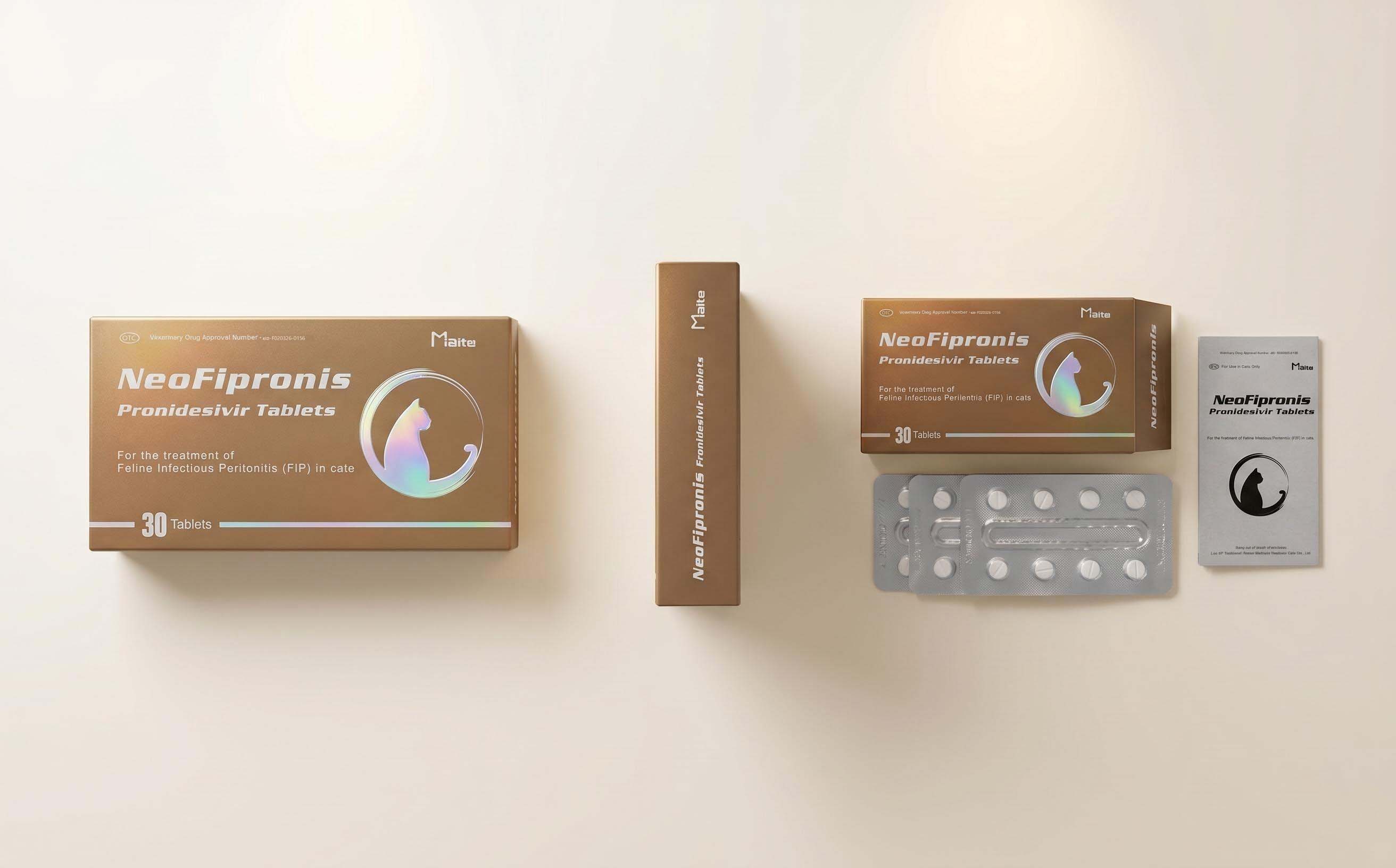
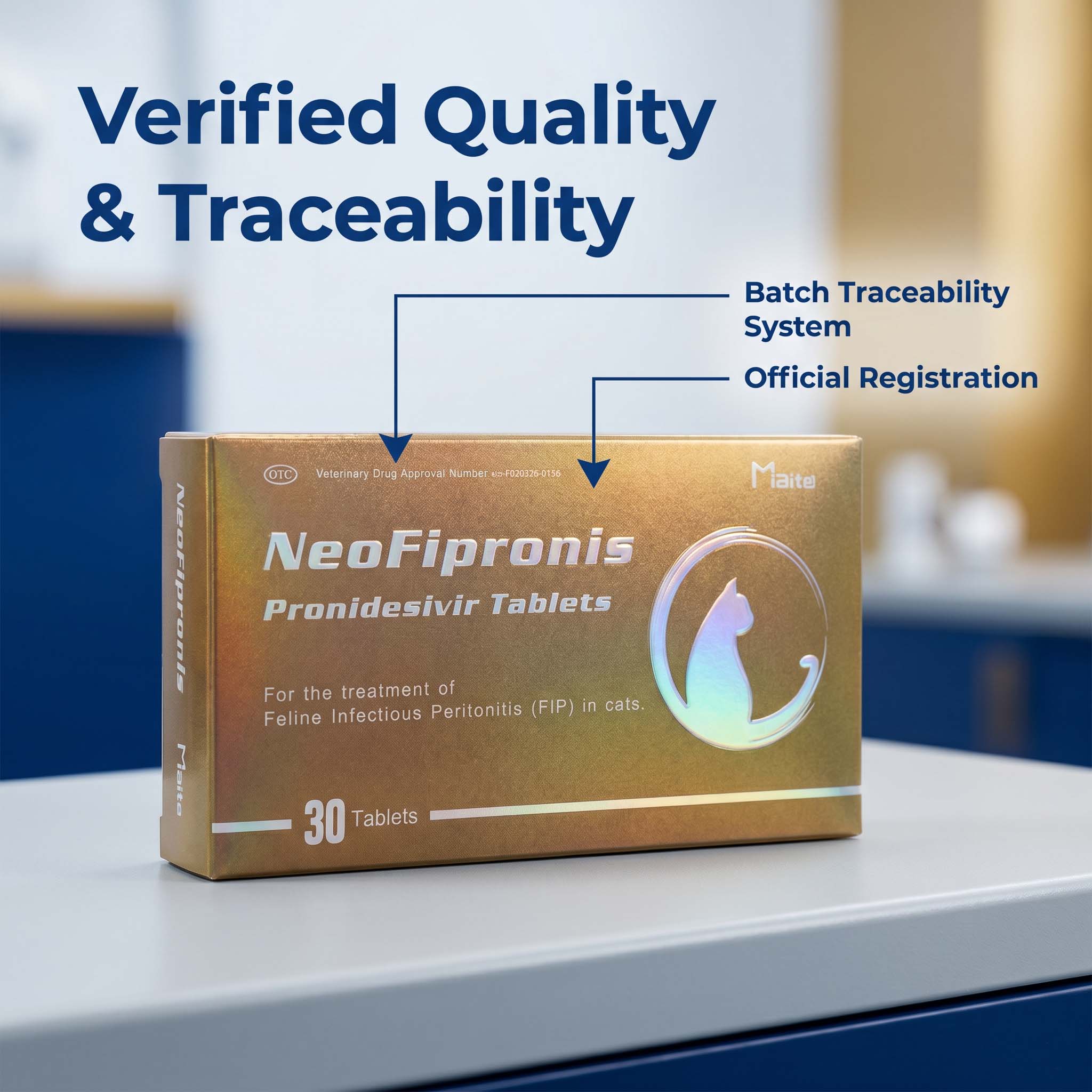
Not all antivirals labeled as GS-441524 are legitimate. The black market is awash with counterfeit or diluted products. Unregulated “GS solutions” frequently lack quality control, leading to under- or overdosing, toxic reactions, or total therapeutic failure. Buying medication directly from reputable suppliers, recommended by veterinarians and trusted global FIP organizations, is essential. Correct dosing—tailored for the cat’s weight, FIP form (wet, dry, or neurological), and clinical response—is non-negotiable. Many owners inadvertently underdose, hoping to stretch medication, or overdose aiming for faster results, both of which risk relapse or severe side effects. Doses must be recalculated weekly as weight changes and treatment progresses.
Skipping Professional Veterinary Supervision
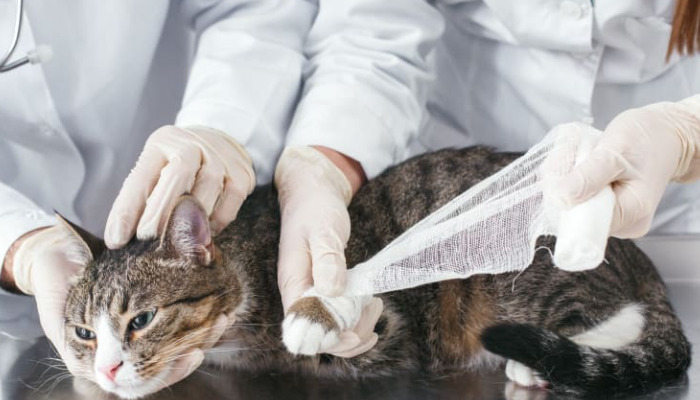
DIY FIP treatment, without ongoing veterinary oversight, is one of the highest-risk errors. Some owners attempt to manage therapy alone due to financial concerns, perceived simplicity, or distrust of veterinarians lacking recent FIP experience. Yet only professionals can interpret complex lab changes, monitor adverse drug reactions, address secondary infections, and provide necessary supportive care (e.g., fluids, appetite stimulants). DIY missteps have resulted in treatable relapses becoming fatal due to missed warning signs. In-clinic check-ins every two to four weeks—physical exams, bloodwork, and tracking clinical improvement—are non-negotiable for maximizing survival chances.
Failure to Adhere to Treatment Schedule
FIP antivirals must be given consistently, typically at exactly 24-hour intervals, for 12 weeks or more. Missed or late doses allow virus regrowth and resistance development—relapse becomes likely and future success compromised. Owners sometimes skip doses on weekends, holidays, or when faced with stressful injection routines, assuming “one dose won’t matter.” Scientific evidence shows missed doses result in viral rebound and even resistance mutations. Setting alarms, asking for help administering meds, or arranging temporary pet-sitters is crucial for uninterrupted therapy.
Poor Injection Technique
The majority of FIP treatments use subcutaneous injections. Mistakes—such as injecting into muscle, fat, or fur—reduce drug absorption, cause unnecessary pain, and increase abscess risk. Incorrect needle size, poor restraint, or lack of technique training leads to avoidance behaviors and trauma for both cat and owner. Veterinary instruction for proper subcutaneous injection, practice on non-animal models, and precise needle selection can minimize complications. Rotating injection sites and using prescribed wound care is equally vital.
Ignoring Supportive Care
Antiviral medication alone is rarely sufficient. FIP patients frequently require appetite stimulants, anti-nausea drugs, antibiotics, fluid therapy, and nutritional supplementation. Omitting these adjuncts—whether to save money, out of ignorance, or unclear advice—delays recovery and reduces therapeutic success. Veterinary monitoring detects dehydration, anemia, or secondary bacterial infections missed by owners; timely supportive interventions can turn the tide for critically ill cats.
Misinterpretation of Relapse versus Recovery Signs
During and after treatment, cats may have waxing and waning symptoms—temporary fever, intermittent inappetence, minor changes in bloodwork. Owners sometimes panic and discontinue therapy, or conversely, dismiss serious relapses as “normal healing.” Misjudgment can result in premature end of therapy, resistance, and death. Veterinary re-assessment is necessary at any significant clinical change. Regular bloodwork (complete blood count, albumin/globulin ratio, liver and kidney panels) and tracking of weight and clinical signs are crucial for distinguishing benign fluctuations from true relapse.
Premature Discontinuation of Therapy
Some owners end FIP treatment when their cat “looks better,” often halfway through the prescribed course. Erroneous internet advice claiming “some cats need less time” compounds this risk. Scientific studies and veterinary experience consistently show that full 12-week courses (sometimes longer for neurological or ocular FIP) are needed for viral eradication, regardless of apparent recovery. Stopping too soon leads to incomplete viral clearance and almost guaranteed relapse, often in a more resistant form.
Neglecting Preventative Measures for Other Cats in the Home
FIP cannot be directly transmitted between cats, but the underlying feline coronavirus responsible is highly infectious. Owners may forget to isolate affected cats during periods of high viral shedding, share litter boxes, or neglect deep cleaning. While most exposed cats will not develop FIP, minimizing cross-contamination—especially in multi-cat households or catteries—can slow viral spread and reduce risk of future cases.
Failing to Maintain Accurate Records
Treatment success relies on meticulous tracking of dosages, symptoms, weight, side effects, and veterinary visits. Owners who “play it by ear” regularly forget doses, provide poor histories during check-ins, and miss trends that signal looming problems. Standardized medication logs, daily symptom charts, and weight monitoring provide a critical safety net. Apps or digital spreadsheets can help streamline record keeping.
Overlooking Environmental Stressors
FIP often emerges in cats under psychological or environmental stress—recent adoption, home changes, new pets, or illness. While antiviral therapy is primary, stress minimization strengthens immune function, improves recovery, and lowers the likelihood of flare-ups. Owners frequently overlook this aspect, especially in busy homes or during lengthy treatment. Quiet, predictable environments, adequate hiding spaces, and reduced contact with aggressors (other pets or chaotic children) should be prioritized as part of holistic care.
Miscommunication with Care Team
Many FIP patients have multiple caretakers—owners, family, sitters, veterinarians. Lack of clear communication about medication times, ongoing symptoms, and emergency protocols leads to missed doses and confusion about progress. Establishing written instructions, shared calendars, and regular team meetings prevents errors during hand-offs.
Underestimating the Emotional Burden
FIP therapy is emotionally and financially draining. Owners who don't seek support—whether virtual groups or in-person networks—face higher rates of burnout and abandonment of care. Online communities such as FIP Warriors offer morale boosting, experience sharing, and real-time troubleshooting, greatly aiding outcomes.
Common Questions Raised by Cat Owners
Is FIP treatment always successful with GS antivirals?
Clinical studies reveal success rates above 80% for wet or dry FIP with proper therapy. Neurological and ocular cases carry a lower but still substantial survival probability. Success depends rigorously on dosing, timing, and veterinary management.
Can cats relapse after successful therapy?
Relapses do occur, especially after early termination, improper doses, or severe neurological involvement. Retreatment is possible but more challenging; resistance can develop and overall prognosis often worsens.
Are there alternatives to GS-441524-based therapy?
Other nucleoside analogues and protease inhibitors are in research or limited use. However, none yet match the success of GS-based regimens.
Advice for New FIP Owners
Educating yourself on current best practices, establishing a solid veterinary partnership, and preparing emotionally and logistically for a challenging few months is vital. Avoid the mistakes listed here—every decision matters. With careful adherence to protocols, supportive care, and professional guidance, FIP need not be an automatic death sentence.
References
1. Pedersen, N. C. (2019). The History and Interpretation of FIP Trials. Veterinary Microbiology, 269, 11–14.
2. Krentz, D., et al. (2021). GS-441524 Treatment in Cats with Naturally Occurring FIP. Journal of Feline Medicine and Surgery, 23(4), 411–419.
3. Tsai, J., et al. (2022). Global FIP Therapy Strategies and Surveillance. Frontiers in Veterinary Science, 9, Article 998762.
4. Addie, D. D., et al. (2020). Feline Infectious Peritonitis: Guidelines for Diagnosis and Treatment. Veterinary Record, 187(9), 294–300.
5. FIP Warriors USA, “Owner Support Guide,” (2023), www.fipwarriors.com/support/
6. American Association of Feline Practitioners (AAFP). (2023). FIP Management and Therapy Recommendations.
7. Rissi, D. R. (2022). Neurological Manifestations of FIP and Implications for Antiviral Therapy. Vet Pathology, 59(2), 196–208.
8. Izes, A. M., et al. (2021). Antiviral Drug Quality Control and Owner Outcomes in FIP. PLoS ONE, 16(5), e0251590.
9. Feline Infectious Peritonitis International Task Force (2024). “Best Practices for Owners During FIP Treatment,” www.fiptaskforce.org/best-practices
10. Hartmann, K., et al. (2022). Supportive Care for Cats with FIP Receiving Antiviral Therapy. Compendium on Continuing Education for the Practicing Veterinarian, 44(7), 23–28.