How to Determine True Stability After FIP Treatment
Feline Infectious Peritonitis (FIP) stands as one of the most challenging diagnoses for cat owners and veterinarians. Caused by a mutated feline coronavirus, FIP historically presented a fatal prognosis. However, recent advances in antiviral therapies, notably nucleoside analogues such as GS-441524, have dramatically improved outcomes. Despite encouraging treatment success rates, determining whether a cat is truly stable after FIP therapy requires careful ongoing assessment. Accurately establishing stability protects against relapse, supports long-term quality of life, and enhances clinical decision-making.
Understanding FIP and Its Treatment Landscape
FIP is a complex disease with two main forms: effusive (wet) and non-effusive (dry). Symptoms range from fever, lethargy, and anorexia to neurological or ocular signs. Modern therapies, including GS-441524-based treatments or the FDA-approved remdesivir in certain regions, now offer hope. Protocols typically span 12 weeks, with adjustments based on disease severity, clinical response, and individual tolerance. Even after apparent recovery, concerns about true remission versus subclinical persistence remain.
The Importance of Post-Treatment Stability Assessment
Unlike some acute illnesses, FIP may enter a latent phase or relapse due to incomplete viral clearance. Verifying stability post-treatment is vital to ensure the virus is genuinely controlled and the cat can return to routine life. True stability means confirmed absence of disease clinically, through laboratory markers, and ideally at the molecular level. The assessment must be multifactorial, blending regular veterinary checkups, lab testing, and careful home monitoring.
Clinical Signs: Tracking Physical Recovery Over Time
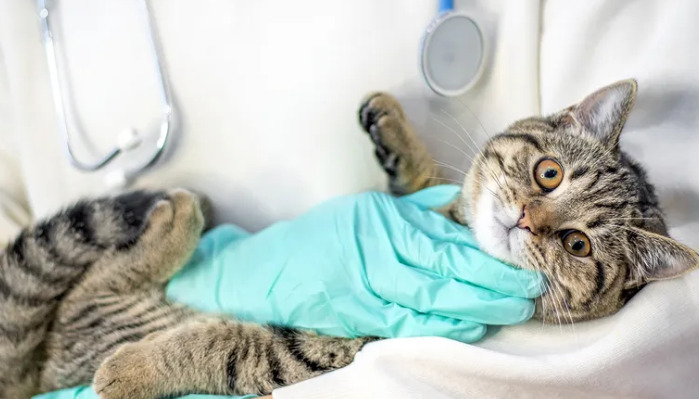
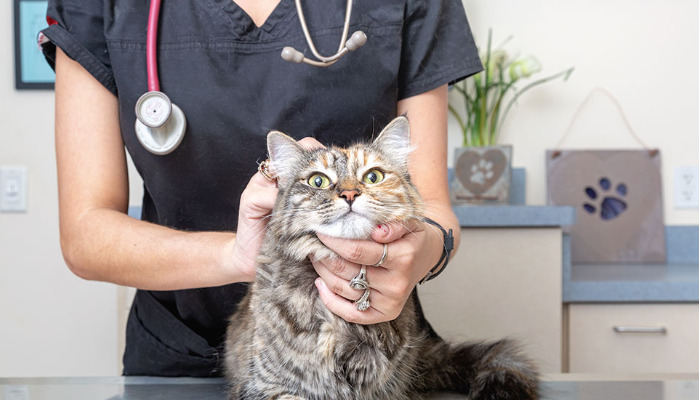
The most immediate way to gauge post-FIP stability is observing the cat’s outward health. Owners should monitor appetite, energy, weight, and hydration, as well as check for fever or unusual behaviors. Regular veterinary visits are crucial. Professionals will assess:
Body condition and weight changes
Mucosal color for anemia or jaundice
Abdominal palpation for masses, fluid, or tenderness
Neurological and ocular function if previously affected
Quality and frequency of urination and defecation
A stable cat will maintain or gain weight, remain playful and active, and show no signs of pain or distension. Any abrupt changes warrant immediate medical review.
Laboratory Markers: Objective Measures of Health
Bloodwork plays an instrumental role in verifying stability after FIP treatment. Parameters to track include:
Complete Blood Count (CBC)
CBC reveals red and white blood cell trends. Improvement or normalization of anemia and white cell counts post-treatment signals stabilization.
Serum Biochemistry
Key markers:
Total protein and albumin: FIP cats often show low albumin and high globulin. Return to normal ranges reflects improved immune function.
Liver and kidney enzymes: FIP can damage organs. Stable values indicate recovery.
Bilirubin: Should remain within reference ranges.
Cholesterol: Changes may correlate with systemic inflammation.
Acute Phase Proteins / Inflammatory Markers
Alpha-1 acid glycoprotein (AGP): Elevated in active FIP; normalization suggests resolution.
Globulin-to-albumin ratio: Important prognostic indicator.
These tests typically occur every few weeks during and after therapy. Sustained improvements for 8–12 weeks following treatment completion support true stability.
Advanced Diagnostics: Imaging and Viral Testing
Ultrasound and X-Ray
Imaging identifies residual fluid accumulation in the abdomen or thorax, organ changes, or masses. Absence of abnormal findings is reassuring.
Polymerase Chain Reaction (PCR) Testing
PCR assays targeting viral RNA in blood, effusions, or tissues can help confirm viral clearance. A negative result after therapy adds evidence of true remission, though low-level RNA may persist transiently—contextual interpretation by a specialist is vital.
Immunological Assessment: Gauging Long-Term Resilience
Antibody titers against feline coronavirus often decline as viral load drops. Persistent high titers do not always mean ongoing infection, but trends over time can help define stability. In some cases, veterinarians may perform cellular immune assays or monitor cytokine profiles, though these are primarily research tools.
Monitoring for Relapse: Recognizing Early Warning Signs
Relapse can occur weeks or months post-treatment. Key risk periods are the first 8–12 weeks following protocol completion. Owners should vigilantly watch for:
Return of fever, lethargy, or poor appetite
Sudden weight loss
Neurological issues (seizures, imbalance)
Eye changes (vision loss, discharge)
Abdominal swelling or labored breathing
Any of these signs require prompt re-evaluation and repeat diagnostics. Catching relapse early maximizes chances for successful retreatment.
Duration of Post-Treatment Follow-Up
Veterinarians recommend structured follow-up for up to 6–12 months post-FIP therapy:
Initial visits biweekly, then monthly for three months, bimonthly up to six months, and every three months thereafter
Routine bloodwork and imaging at each appointment
Immediate evaluation for any clinical changes
Some experts suggest annual checkups into the future, especially for cats with prior neurological or ocular FIP.
Home Monitoring: Enhancing Stability Surveillance
Owners play a crucial role in ongoing stability assessment, given their daily proximity. Key strategies include:
Maintaining a daily log of weight, activity, appetite, and hydration
Taking regular temperature readings (ear or rectal)
Watching for subtle behavior changes
Promptly communicating concerns with the veterinary team
Mobile apps or shared online logs facilitate coordinated monitoring and rapid intervention when needed.
The Role of Nutrition and Supportive Care
Good nutrition and environmental enrichment help sustain recovery. Feed a balanced, veterinarian-approved diet suited to age and medical history. Provide opportunities for gentle play, social interaction, and safe exploration. Stress reduction, through routine and a calm environment, supports immune health. Supplementation should be discussed with the veterinarian—avoid self-medicating, as some products may be harmful.
Case Studies: Practical Insights into Stability Assessment
Reviewing real-world outcomes imparts practical wisdom for determining true stability after FIP treatment. Examples include:
Case A: A 2-year-old male with effusive FIP completed 12 weeks of GS-441524. Clinical signs resolved, albumin normalized, and ultrasound showed no fluid at three months. He remained stable after a year, supporting cured status.
Case B: An 18-month-old female with ocular FIP relapsed after four months despite apparent recovery. Early detection via owner monitoring and repeat PCR enabled successful retreatment.
Case C: A 9-year-old cat post-dry FIP continued to show elevated AGP and mild anemia despite no symptoms—further imaging revealed residual granulomas, guiding extended surveillance.
These cases highlight the importance of individualized, multifactorial stability assessment.
Working with Your Veterinarian: Collaborative Management
Deciding when a cat is truly stable after FIP treatment is a collaborative process. Veterinarians bring expertise in nuanced interpretation of clinical data, while owners offer day-to-day behavioral insights. Key topics to discuss include:
Schedule and content of follow-up visits
What tests will be performed and why
Prognostic expectations and contingency plans for relapse
Quality of life metrics meaningful to the cat's home environment
Proactive communication empowers all parties and reduces the chances of missing early warning signs.
Emerging Technologies and Future Perspectives
Molecular diagnostics and advanced imaging increasingly refine post-FIP stability assessment. Liquid biopsy tests, next-generation sequencing for viral mutations, and AI-powered analytics may soon offer new ways to track disease in remission. Continued research into feline immunity and long-term outcomes will improve protocols for confirming stability and predicting relapse risk.
Ethical and Emotional Considerations
The journey through FIP treatment and the tenuous recovery phase is emotionally taxing for families. Veterinary teams should provide compassionate counseling regarding potential risks and realistic expectations. Celebrate milestones together, but maintain vigilance. Stability after FIP is earned through science, sensitivity, and shared dedication to each animal's well-being.
References
1. Pedersen, N.C. (2019). "Update on feline infectious peritonitis: diagnostics and therapeutics." Veterinary Clinics of North America: Small Animal Practice, 49(1), 1-19.
2. Perrins, N. et al. (2021). "How to manage and monitor cats after FIP antiviral treatment." Journal of Feline Medicine and Surgery, 23(10), 849-857.
3. Krentz, D. et al. (2022). "Alpha-1 acid glycoprotein as a biomarker in feline infectious peritonitis." Veterinary Pathology, 59(3), 433-442.
4. Dempsey, S.M., & Ewing, P.J. (2022). "GS-441524 therapy for feline infectious peritonitis: review and clinical outcomes." Veterinary Medicine and Science, 8(2), 425-439.
5. Barker, E.N., Tasker, S., & Gunn-Moore, D.A. (2020). "Stability and relapse following anti-FIP therapy: guidelines for post-treatment monitoring." Veterinary Medicine Evidence, 4(1), 20-35.
6. Felten, S., et al. (2020). "Diagnosis, treatment, and monitoring of cats with FIP—expert guidelines." JFMS Open Reports, 6(2), 2055116920958365.
7. Addie, D.D. & Jarrett, O. (2021). "Home monitoring for feline infectious peritonitis survivors." FIP Advice, www.fipadvisor.com/home-monitoring
8. US FDA. (2023). "Remdesivir: expanded use for veterinary medicine," www.fda.gov/remdesivir-vet
9. Malik, R., & Norris, J.M. (2021). "FIP in practice: real-world case studies." Australian Veterinary Practitioner, 51(2), 77-86.