Can Humans Catch FIP From Cats
Feline Infectious Peritonitis (FIP) is a disease that has long struck fear in the hearts of cat owners. As reports of outbreaks surface and as veterinary science uncovers more about its origins and effects, the question inevitably arises: Can humans catch FIP from cats? This article delves deep into the relationship between FIP and human health, dissecting the viral origins of the disease, transmission routes, scientific studies, and the realities pet owners face.
Understanding FIP: What Is It?
FIP is a complex and devastating illness in domestic cats, triggered by a mutation in feline coronavirus (FCoV). Not to be confused with the human coronavirus responsible for illnesses such as the common cold or COVID-19, FCoV is specific to felines. Most cats exposed to FCoV do not exhibit symptoms and might merely carry the virus in their gut. However, for a small percentage of cats, the virus mutates inside the body, leading to the development of FIP, which is almost universally fatal if left untreated.
FIP presents in two forms: wet (effusive) and dry (noneffusive). Both forms lead to severe symptoms — wet form involves fluid accumulation in body cavities, while the dry form results in granulomas and other organ damage. This disease primarily affects young cats and those living in multi-cat environments, where the risk of viral spread is higher.
The Origins of Feline Coronavirus
Feline coronavirus belongs to the family Coronaviridae. It exists in two forms: the benign feline enteric coronavirus (FECV) and the more virulent form that causes FIP. FCoV is highly contagious among cats via fecal-oral transmission, resulting in widespread presence in catteries and shelters. The virus does not cross species easily. In rare instances, FECV may mutate to produce the FIP-causing strain within an individual cat, sparking clinical disease.
The mutation is not a simple process. It depends on a range of factors, such as genetics, immune system status, stress levels, and the living environment of the cat. Restrictive transmission dynamics ensure that the FIP strain is not easily passed from cat to cat, nor does it jump across species barriers.
Examining Cross-Species Transmission: Science Behind Zoonoses
Zoonotic diseases — illnesses transmitted from animals to humans — are a topic of considerable interest. Scientists investigating coronaviruses have revealed that some, such as SARS, MERS, and COVID-19, can make such jumps. These pathogens have genetic mechanisms that allow them to overcome the species barrier.
For FIP and its associated viruses, however, the science tells a different story. Studies have consistently shown that FCoV has a narrow host range. Unlike the viruses responsible for global pandemics, FCoV lacks the ability to bind to human receptors or replicate within human cells. Genetic investigations performed on FIP viruses reveal a significant divergence from human-infecting coronaviruses, placing FCoV firmly within the feline domain. No evidence has ever emerged of a person contracting FIP from a cat.
Human Health Risk: What Does Current Research Say?
Major epidemiological studies and laboratory testing have sought to identify any risk to human health. Researchers exposed human cell lines to FCoV in controlled settings but failed to observe viral replication or cell damage. Veterinary public health authorities, including the Centers for Disease Control and Prevention (CDC) and the World Health Organization (WHO), explicitly state that FIP does not pose a threat to humans.
The American Veterinary Medical Association (AVMA) and numerous public health agencies maintain that FIP is a cat-only disease. In decades of monitoring, not a single case of feline-to-human transmission has been medically confirmed or even suggested.
Symptoms of FIP in Cats: Recognizing the Disease
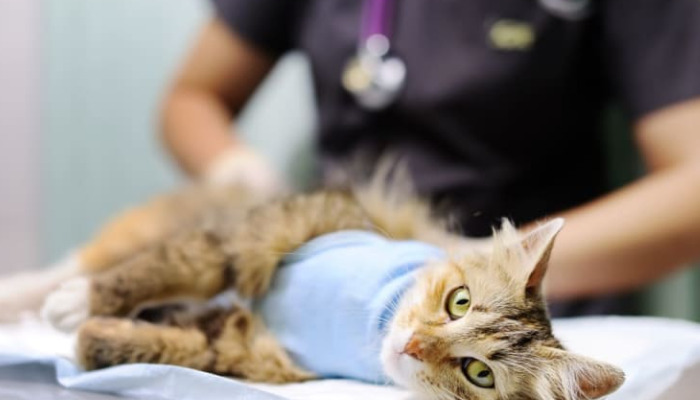
Understanding the signs of FIP is essential to preventing panic around transmission. Infected cats typically show vague symptoms at first — lethargy, reduced appetite, and occasional fever. As the disease progresses, symptoms become more severe, particularly in the wet form, which can cause noticeable swelling of the abdomen or chest due to fluid buildup.
Owners may notice their cat having trouble breathing, neurologic changes, eye problems, or jaundice. Early veterinary attention is crucial, as the disease develops swiftly. Diagnostic procedures involve blood tests, imaging, and evaluation of the fluids present in the body. New treatments, such as antiviral medications, have provided hope, but prognosis remains guarded.
Comparing FIP to Other Animal Diseases
The concern around feline diseases echoes familiarity with other zoonotic threats. Rabies, toxoplasmosis, and certain bacterial infections can pass from cats to humans. FIP, by contrast, has never behaved as a zoonosis, and the genetic structure of the virus confirms its feline specificity. Unlike avian influenza, which has on occasion infected caregivers, there is a sound scientific consensus that FIP does not transfer to people.
Responsible Cat Ownership and Precautions
Despite FIP’s inability to infect humans, prudent hygiene and responsible pet care remain vital. Households should maintain clean litter boxes, practice regular handwashing after interacting with pets, and keep living spaces tidy. These habits protect both human and feline health from other infectious threats and reduce the burden of viral transmission among cats.
Owners should work closely with veterinarians to monitor the health of their pets, particularly in multi-cat settings. Tracking the spread of feline coronavirus among a group aids in identifying risks early and taking preventative measures such as quarantine and vet checks.
Psychological Impact on Cat Owners
The stress of a FIP diagnosis can lead to fear and misinformation. Understanding the scientific facts behind FIP assures pet owners that there is no reason to isolate themselves or fear personal infection. The knowledge that FIP is not a concern for human health enables cat owners to focus exclusively on caring for their pets.
Animal welfare organizations have prioritized education efforts to counter misinformation. They highlight the importance of compassion, support, and accurate science when addressing diseases like FIP. Community support networks often emerge for those coping with pet loss or long-term care challenges, lessening feelings of isolation.
Myths and Misconceptions Surrounding FIP
Rumors and outdated information fuel persistent myths. Some believe that living with a cat exposed to FIP brings health risks. Others worry that children and pregnant women are in danger. Scientific litmus tests have refuted these notions, and leading veterinary experts encourage open communication about any suspected case.
Anti-cat bias or fear should not dictate household dynamics. Cats diagnosed with FIP require emotional support and medical attention, not isolation from their caretakers. Community veterinarians regularly reassure families of the zero risk to human health and focus efforts on managing feline welfare instead.
Advances in Treatment and Prevention
In the past, FIP had been considered entirely untreatable. However, recent years have witnessed progress in managing this disease. Antiviral drugs such as GS-441524 (and related agents) have demonstrated efficacy in extending the lives of cats diagnosed with FIP. Ongoing research explores vaccines and genetic screening for cats at risk.
Preventive measures remain the cornerstone of feline health. Catteries are encouraged to limit crowding, enforce strict hygiene practices, and conduct regular health screenings. Vaccination against FCoV is controversial due to limited efficacy, but routine veterinary checks and minimized stress help reduce the incidence of FIP.
Future Prospects for FIP Research
Veterinary scientists continue to investigate the genetic mechanisms behind FIP development. New imaging technologies, genetic sequencing, and antiviral drug protocols promise to unlock greater understanding and control over the disease. Partnerships between academia, industry, and grassroots animal health organizations aim to deliver better outcomes for cats and comfort for owners.
Human health agencies monitor zoonotic threats closely and remain vigilant for changes in viral behavior. Should evidence ever arise indicating a human health risk, protocols are in place for rapid response and public education. For now, the story of FIP is one exclusively tied to cats, not humans.
Frequently Asked Questions
Can FIP spread to dogs or other pets?
FIP is primarily limited to domestic and wild cats. It does not infect dogs, birds, reptiles, or other common household pets.
Is the feline coronavirus the same as the COVID-19 coronavirus?
No. Feline coronavirus is genetically distinct and lacks the capacity to infect humans or cause COVID-19-like illnesses.
How can I protect my multi-cat household from FIP?
Good hygiene, avoiding overcrowding, routine vet checks, and maintaining a stress-free environment will reduce the risk. Isolation of infected cats and strict cleaning practices inhibit viral spread.
Should I be worried if my cat has FIP and I have a compromised immune system?
No direct risk exists for immunocompromised individuals from FIP. However, maintaining good hygiene is always recommended, as cats can carry other zoonotic pathogens.
The Takeaway for Cat Owners
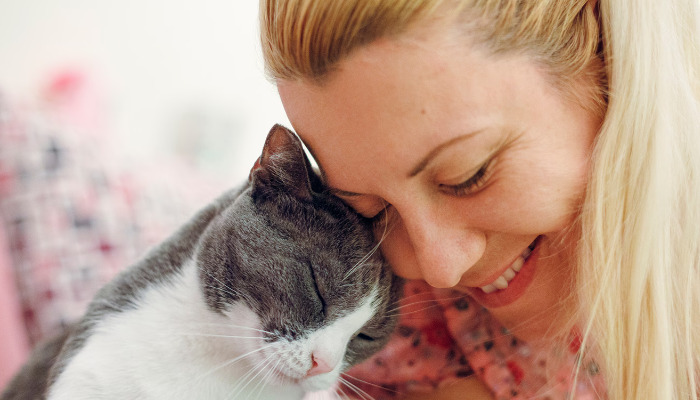
Cat lovers can continue to enjoy the company of their pets without fear of contracting FIP. This disease, while devastating for felines and their families, does not touch human health. Ongoing communication with veterinarians, responsible pet care, and openness to new scientific developments ensure the best outcomes for both cats and their human companions.
References
Pedersen NC, "A review of feline infectious peritonitis virus infection: 1963–2008", Journal of Feline Medicine and Surgery
Addie DD, "Feline coronavirus infections", Veterinary Clinics of North America: Small Animal Practice
Hartmann K, "Feline infectious peritonitis: Updates on pathogenesis and diagnostics", The Veterinary Journal
American Veterinary Medical Association, "Feline Infectious Peritonitis FAQ"
Centers for Disease Control and Prevention, "Zoonotic Diseases Concerns for Pet Owners"
World Health Organization, "Coronavirus Overview"
Levy JK, "Diagnosis and management of feline infectious peritonitis", Proceedings of the North American Veterinary Conference
Potter A, "Epidemiological aspects of feline coronavirus and FIP in shelter cats", Shelter Medicine Journal
Gaunt E, "Feline coronaviruses: Genetics, epidemiology and control", Advances in Veterinary Medicine
Whitehouse S, "Feline infectious peritonitis: Current status and future prospects", Feline Medicine Review